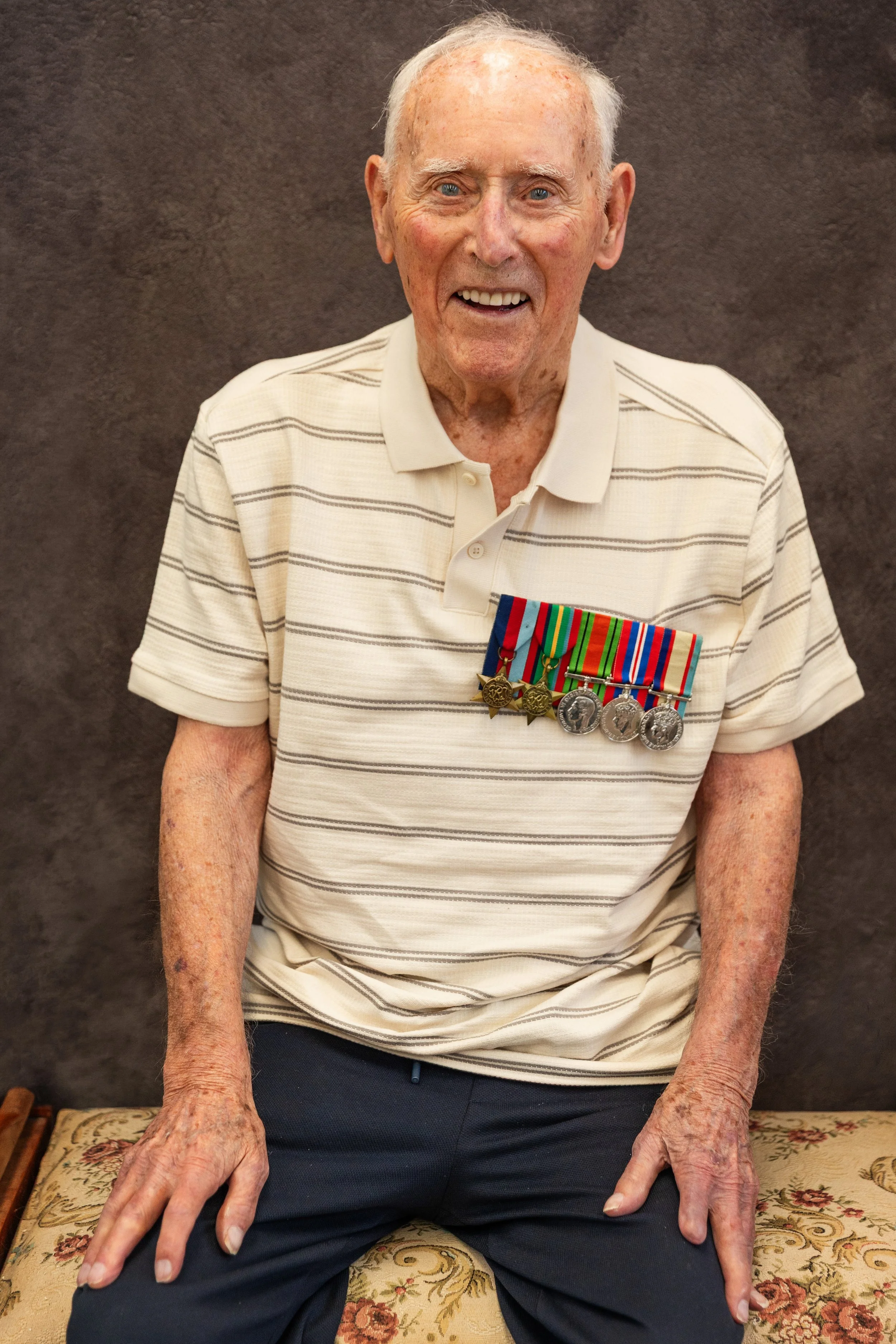
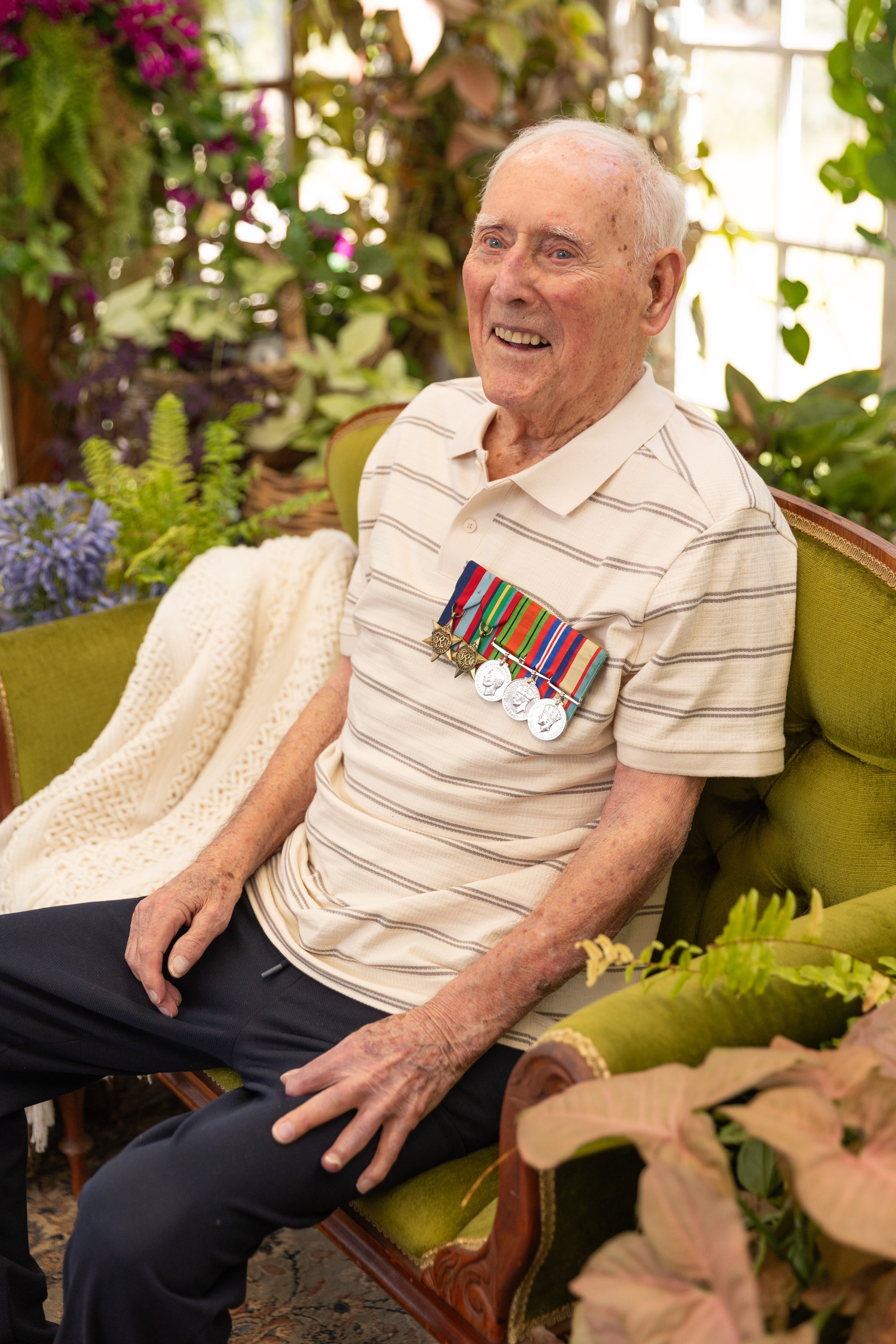
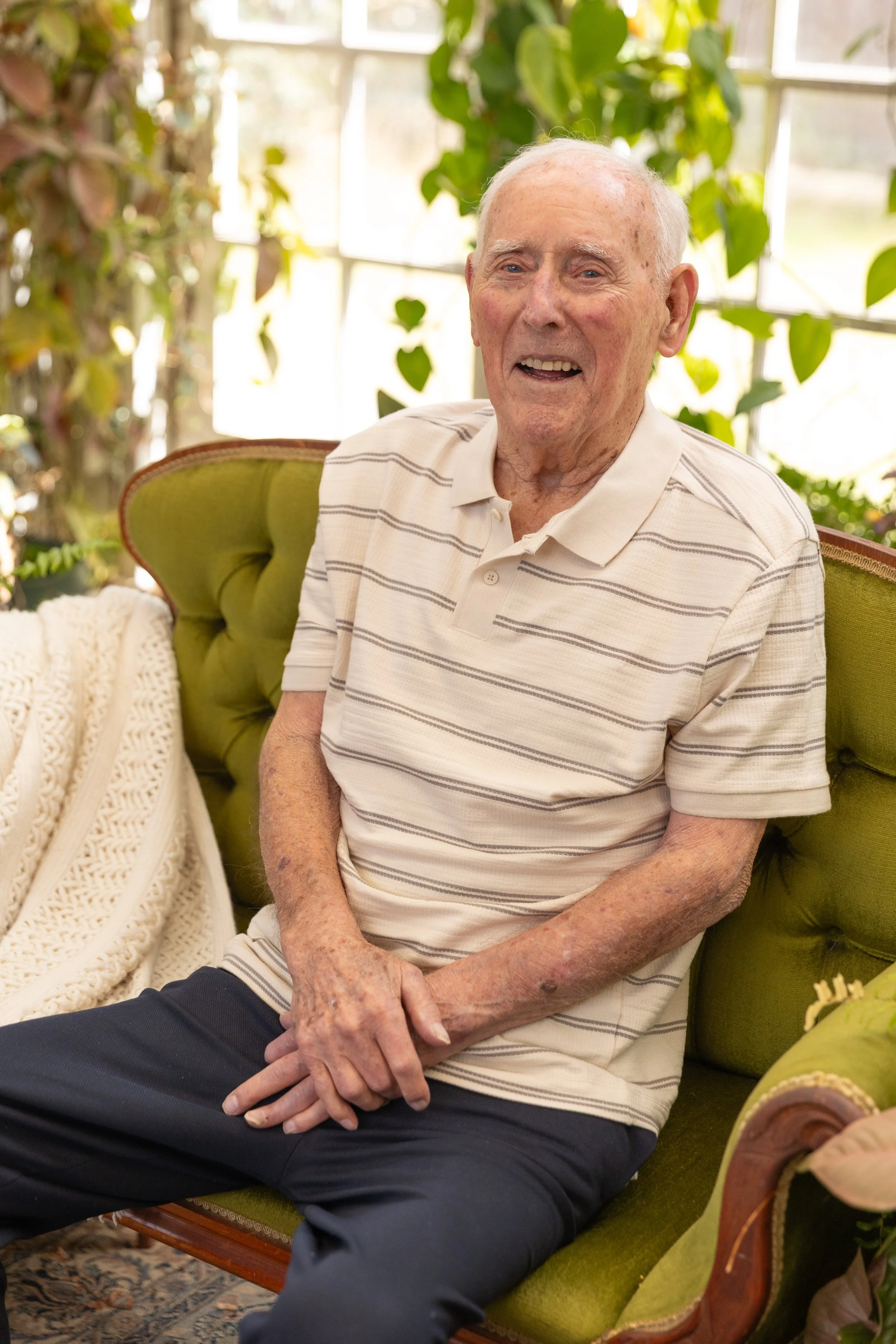
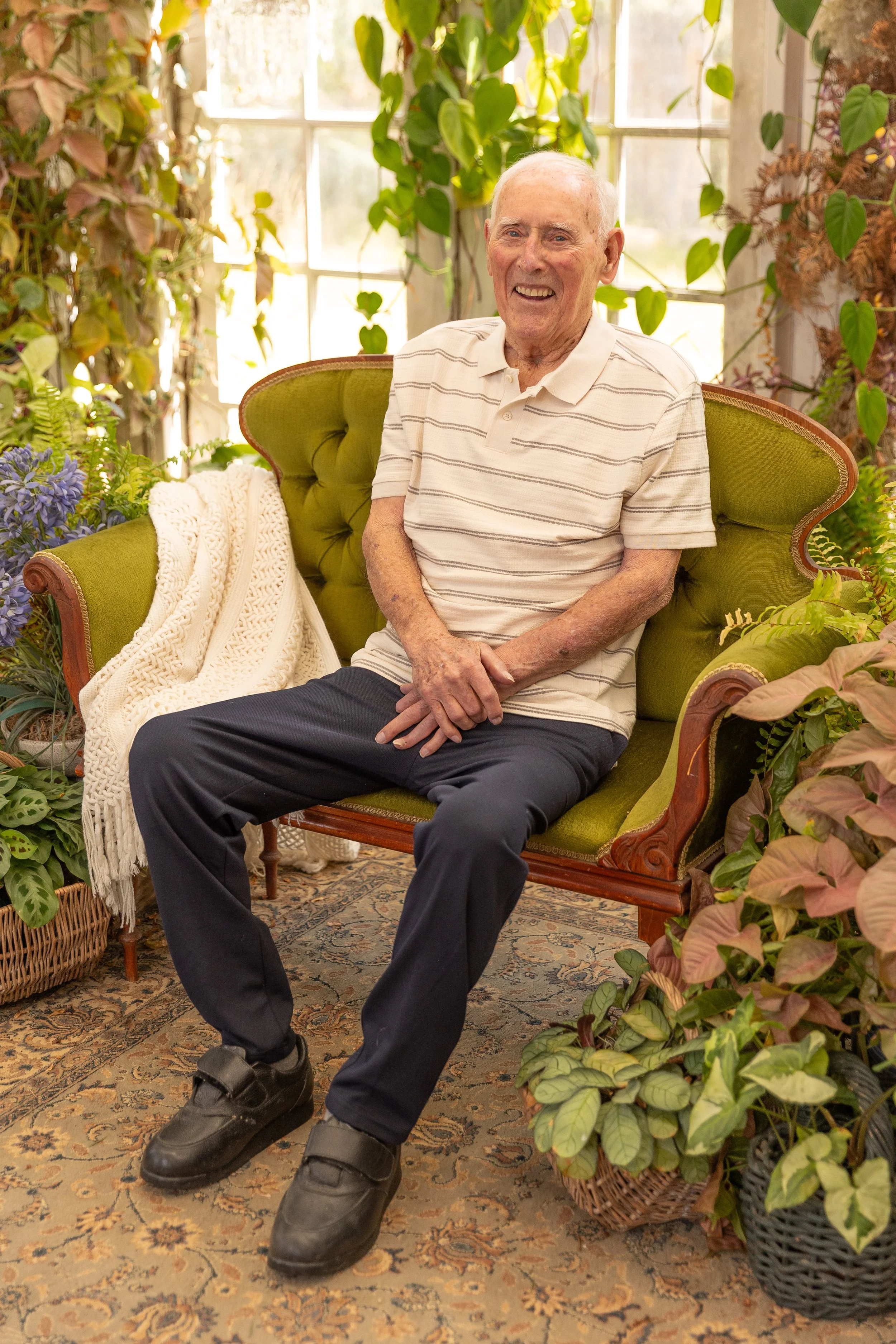
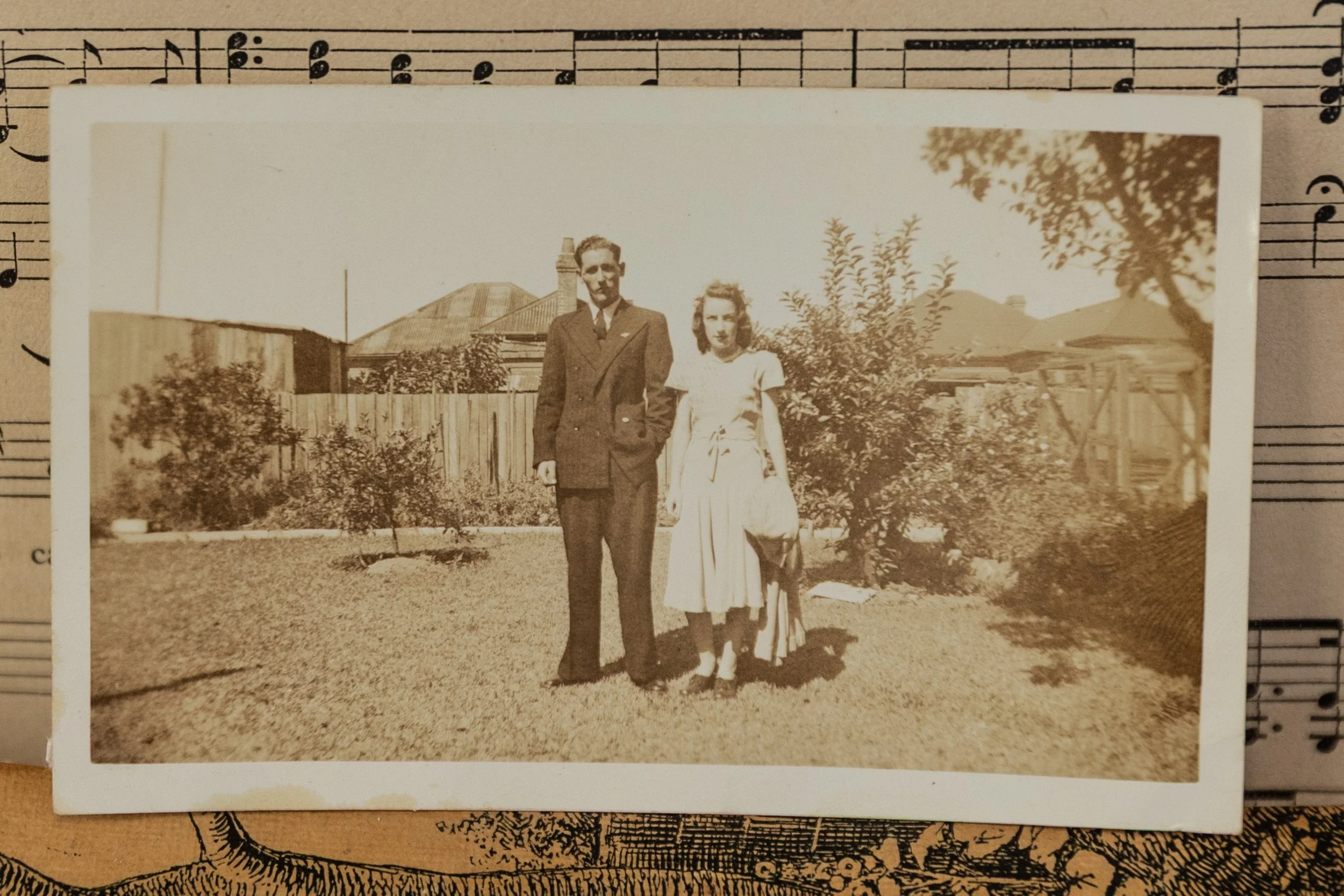
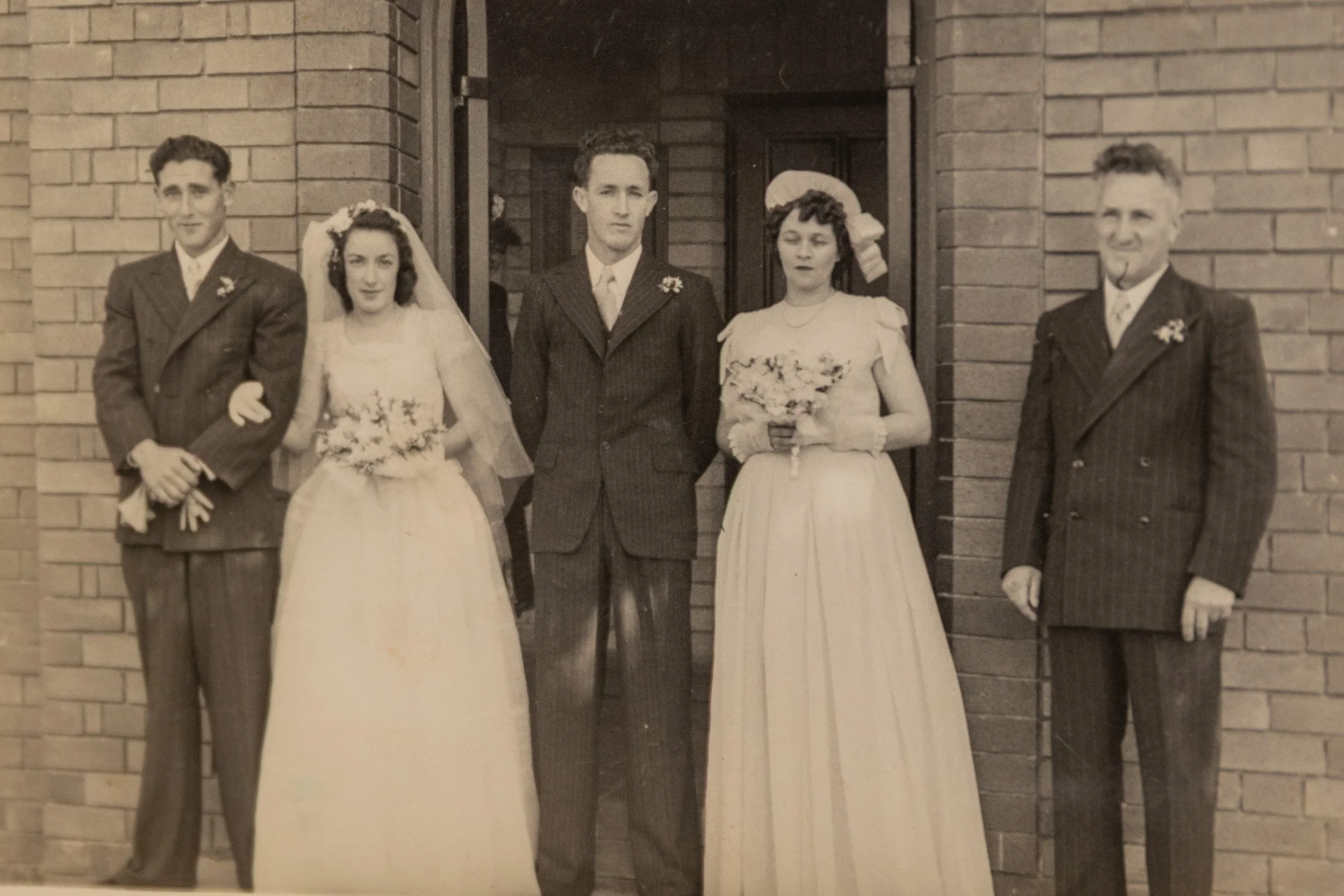
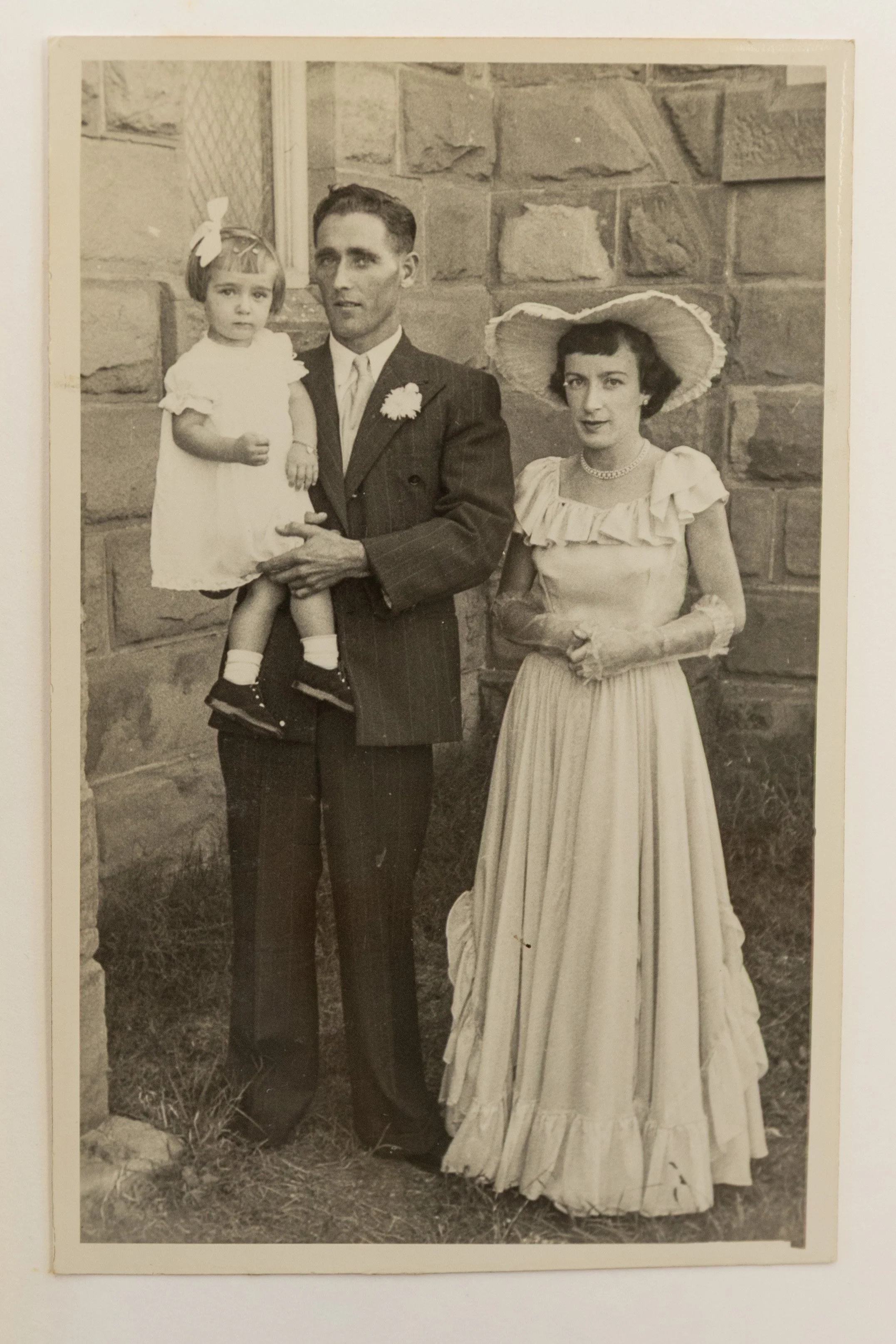
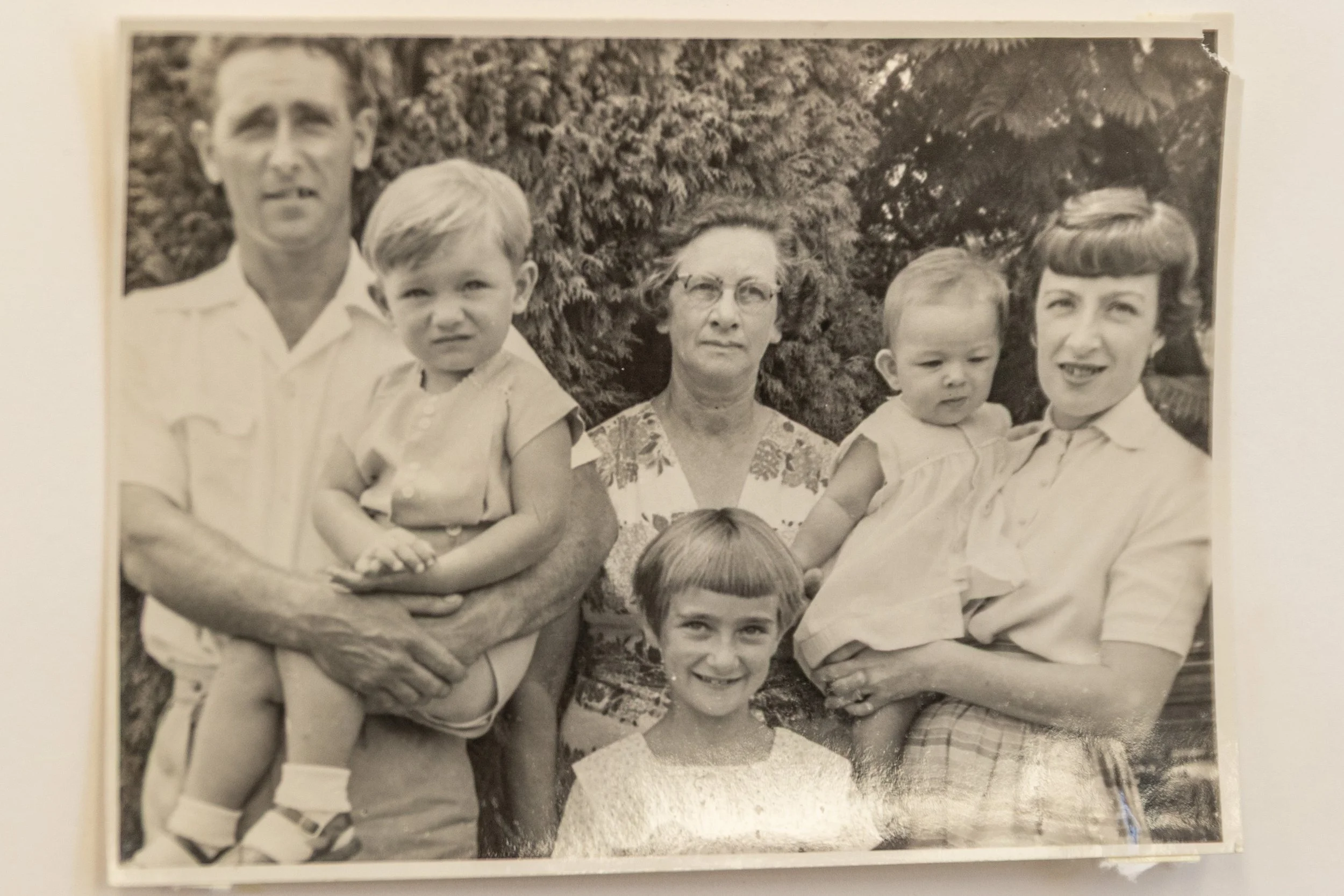
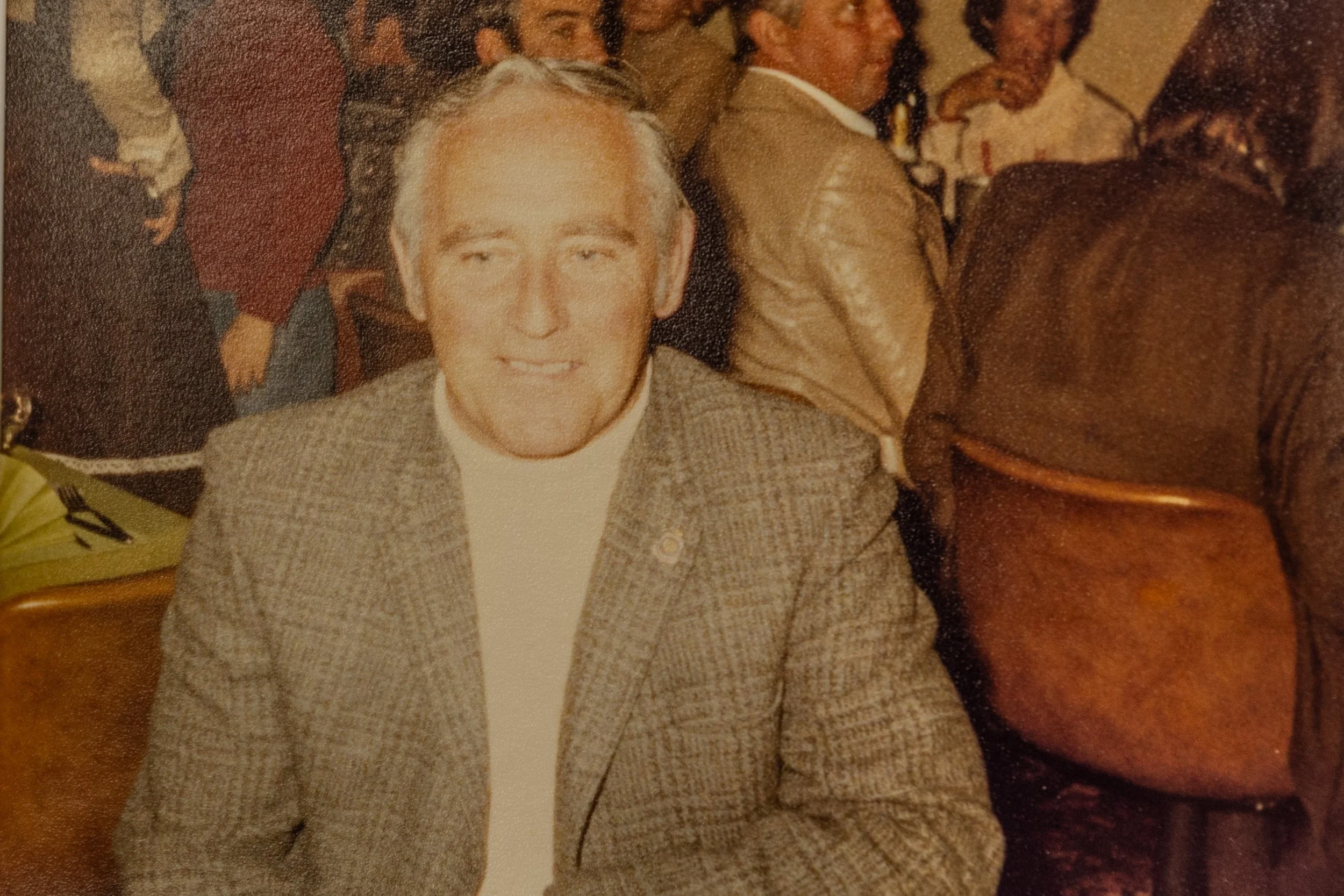
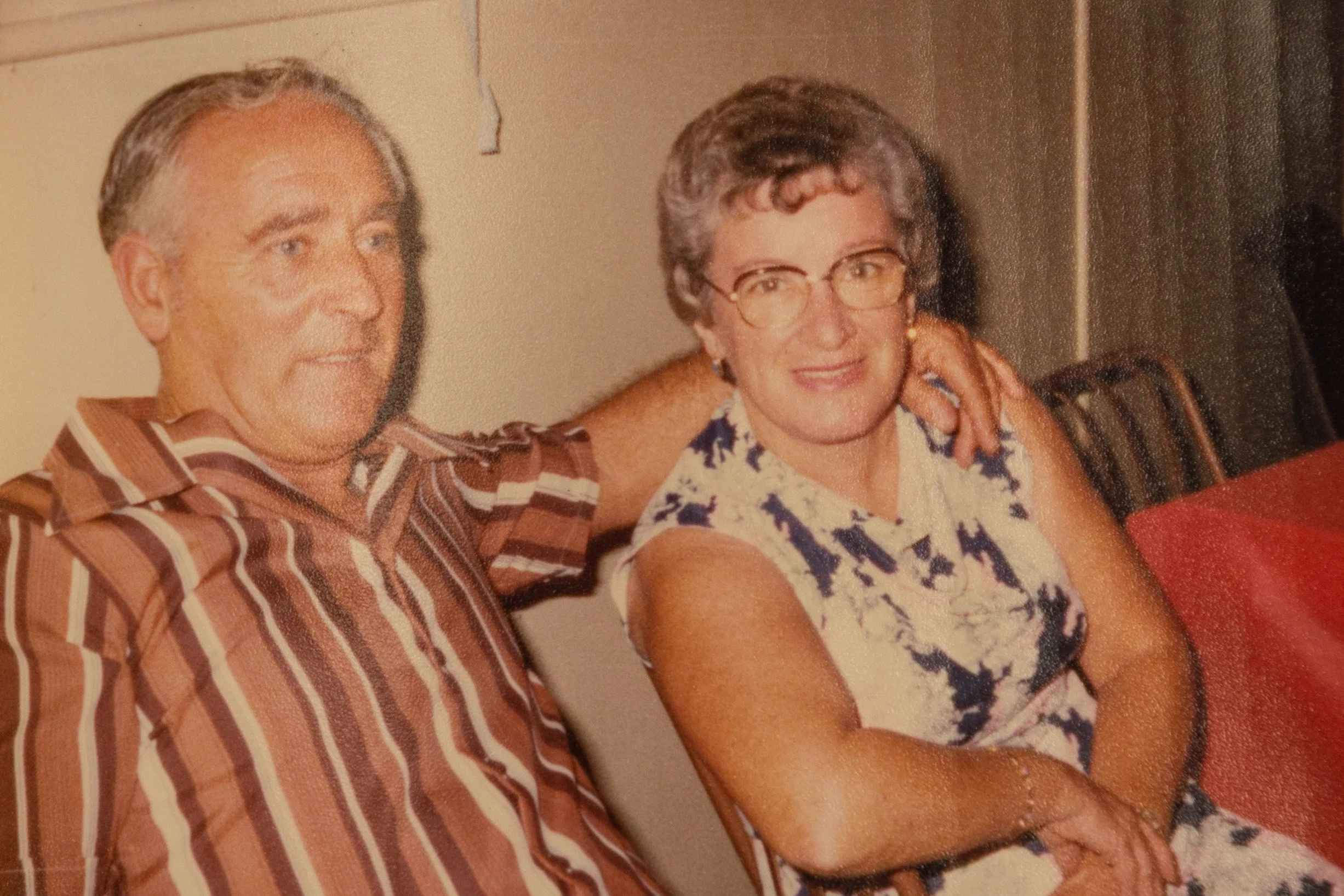
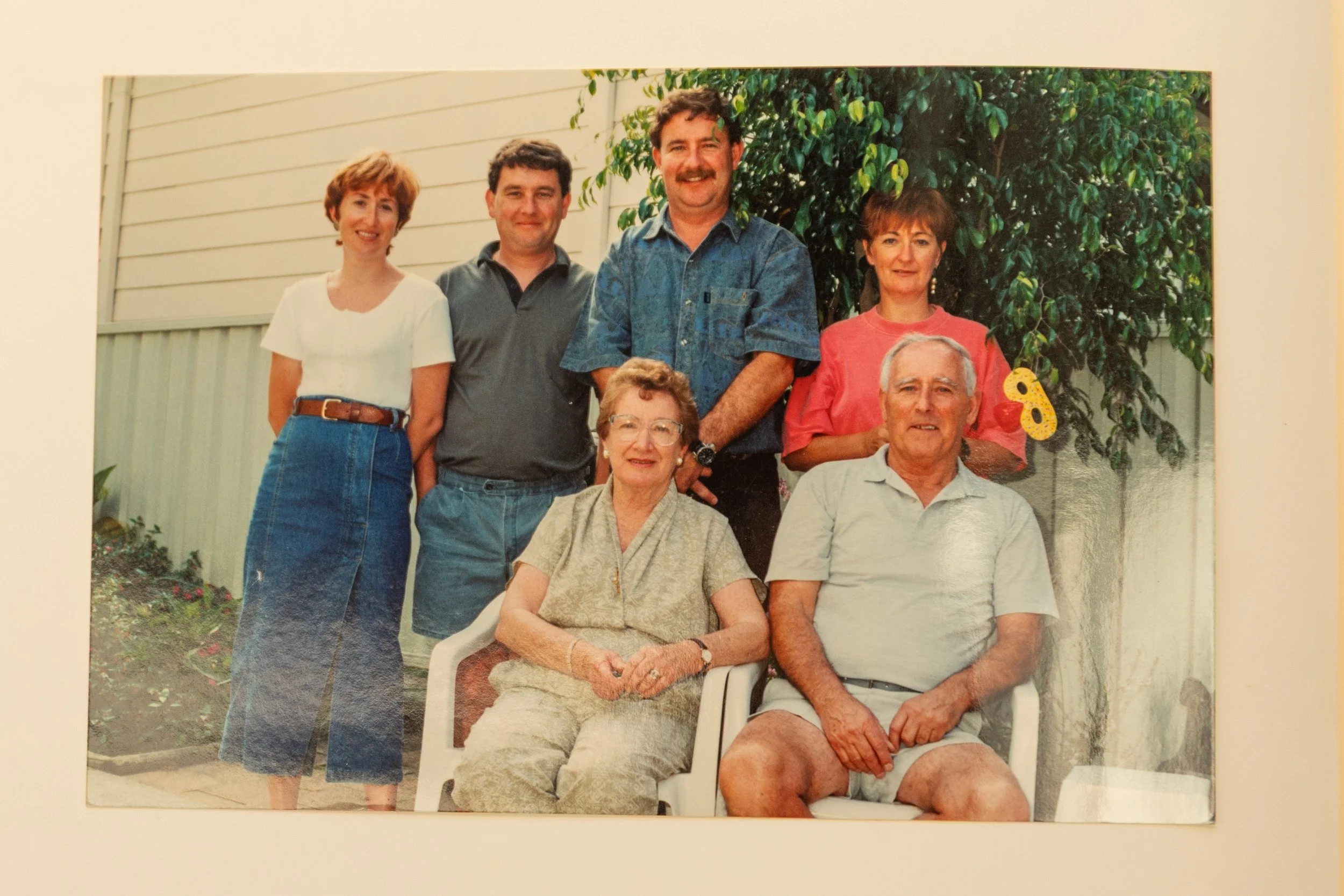
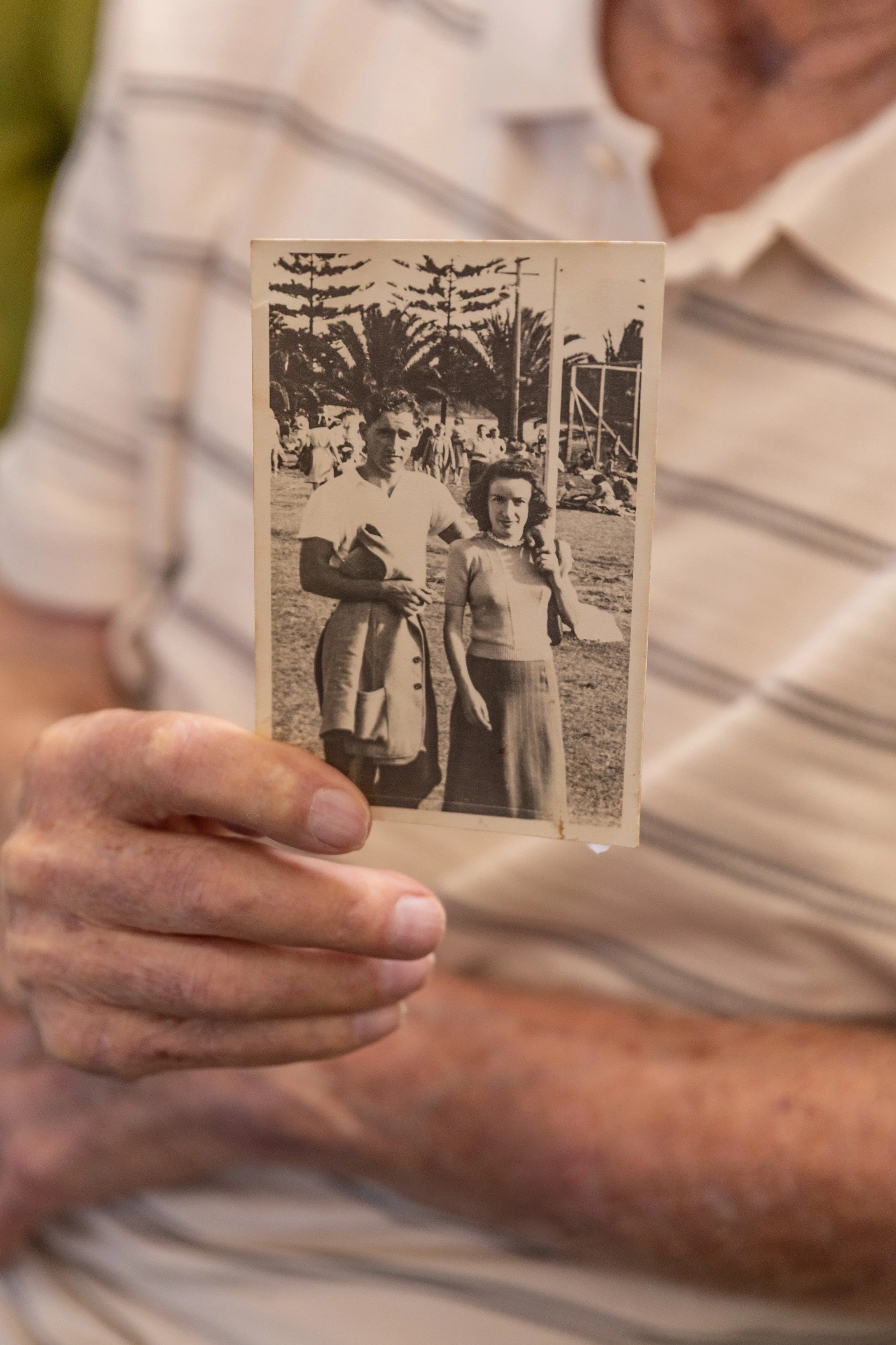
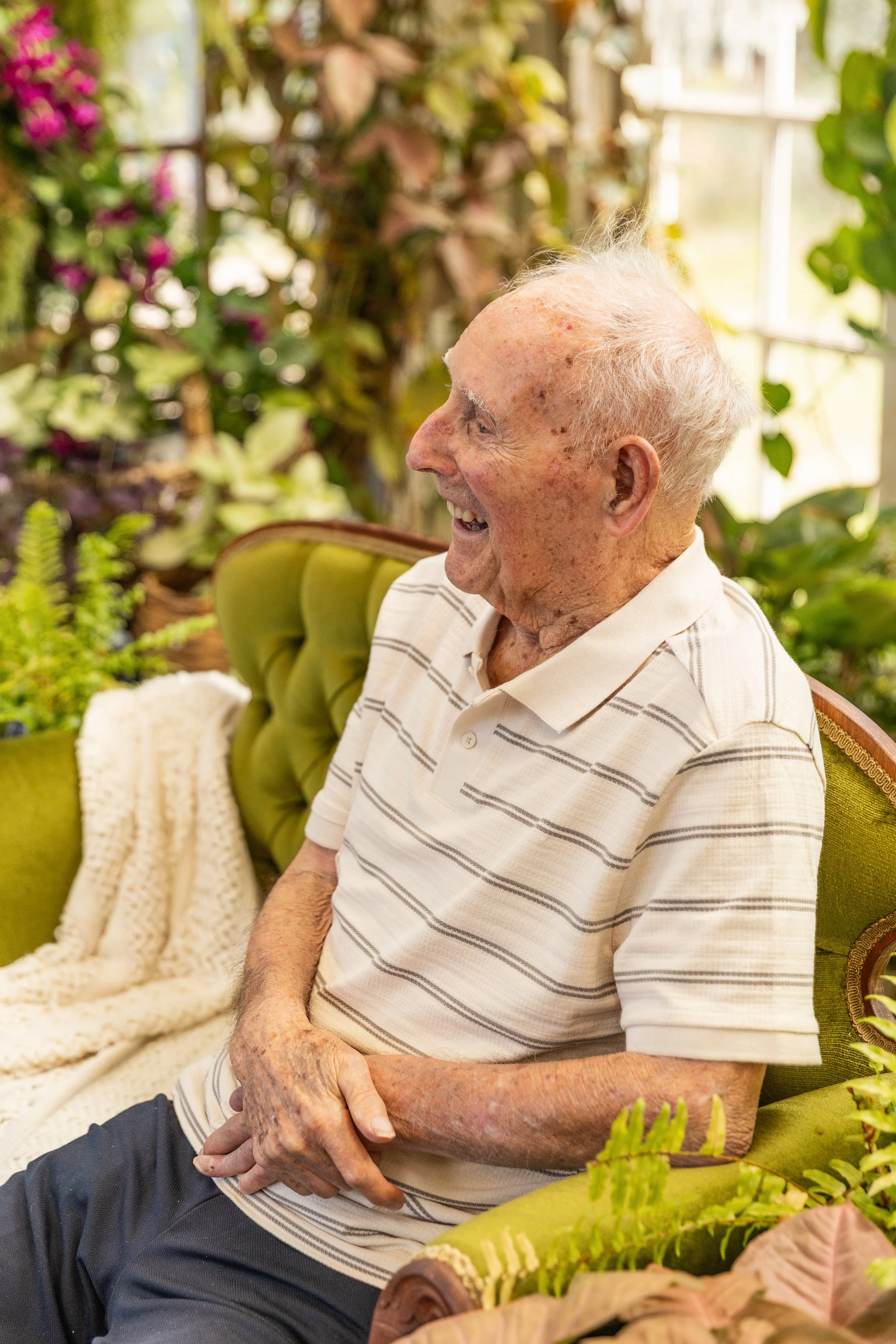
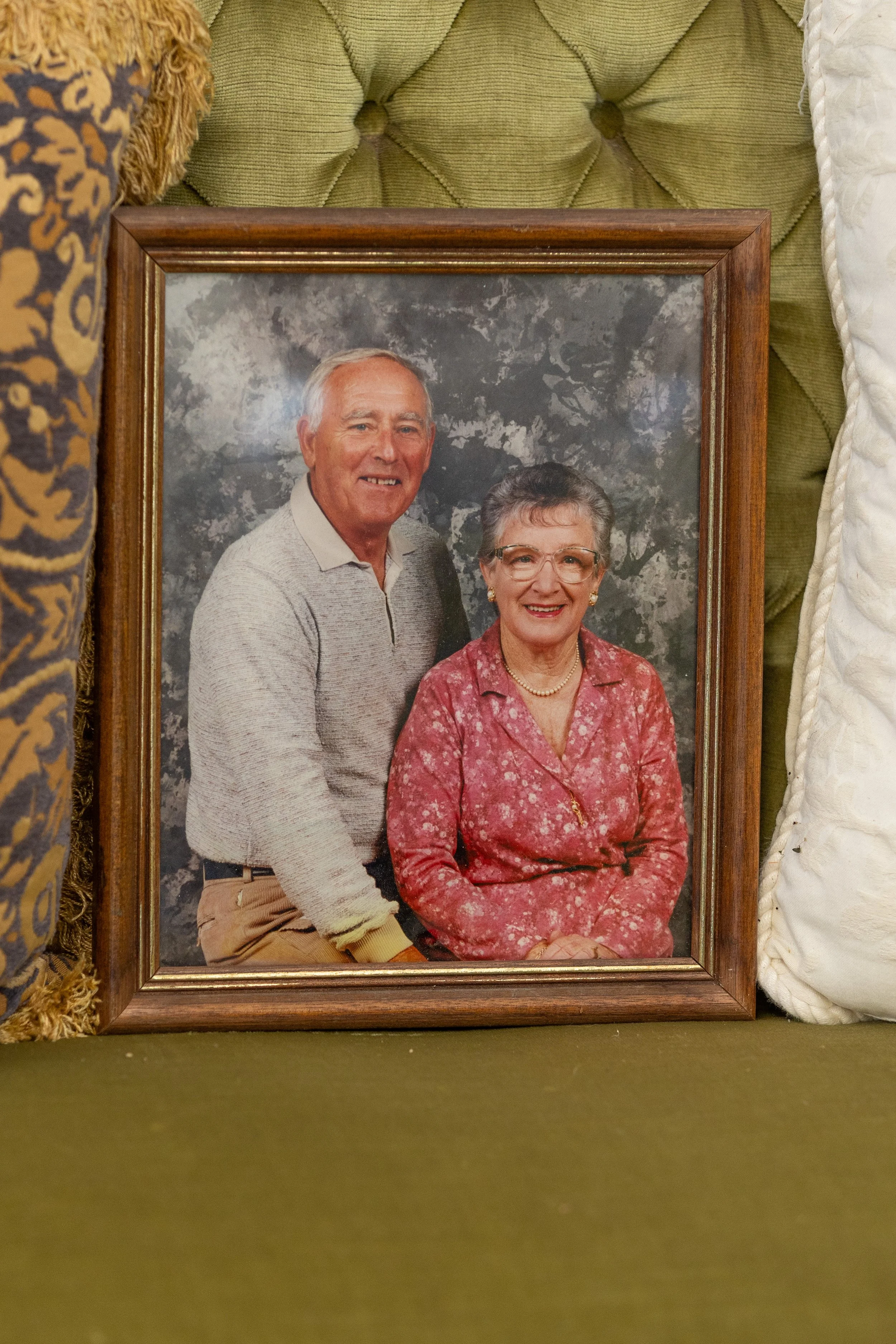
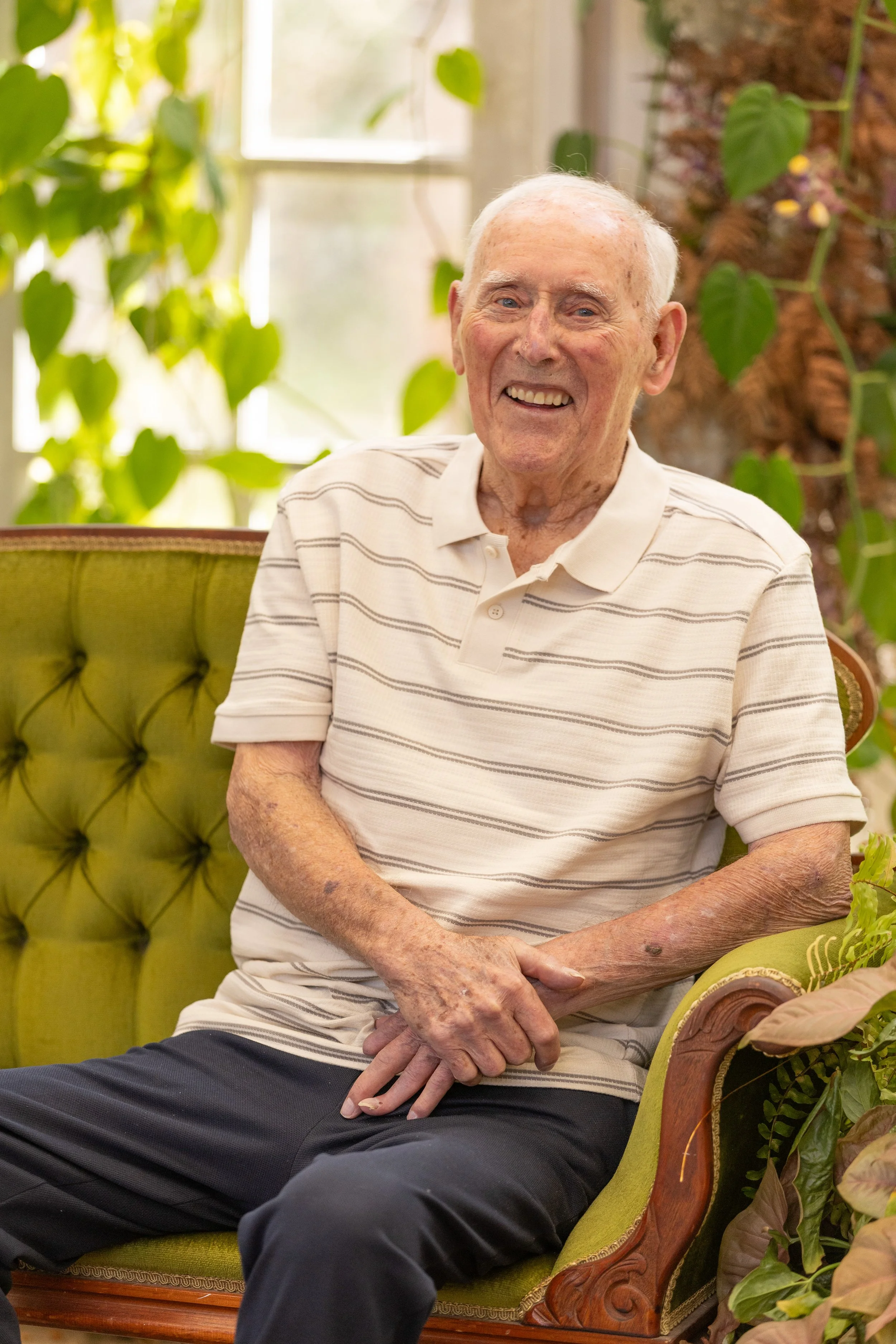
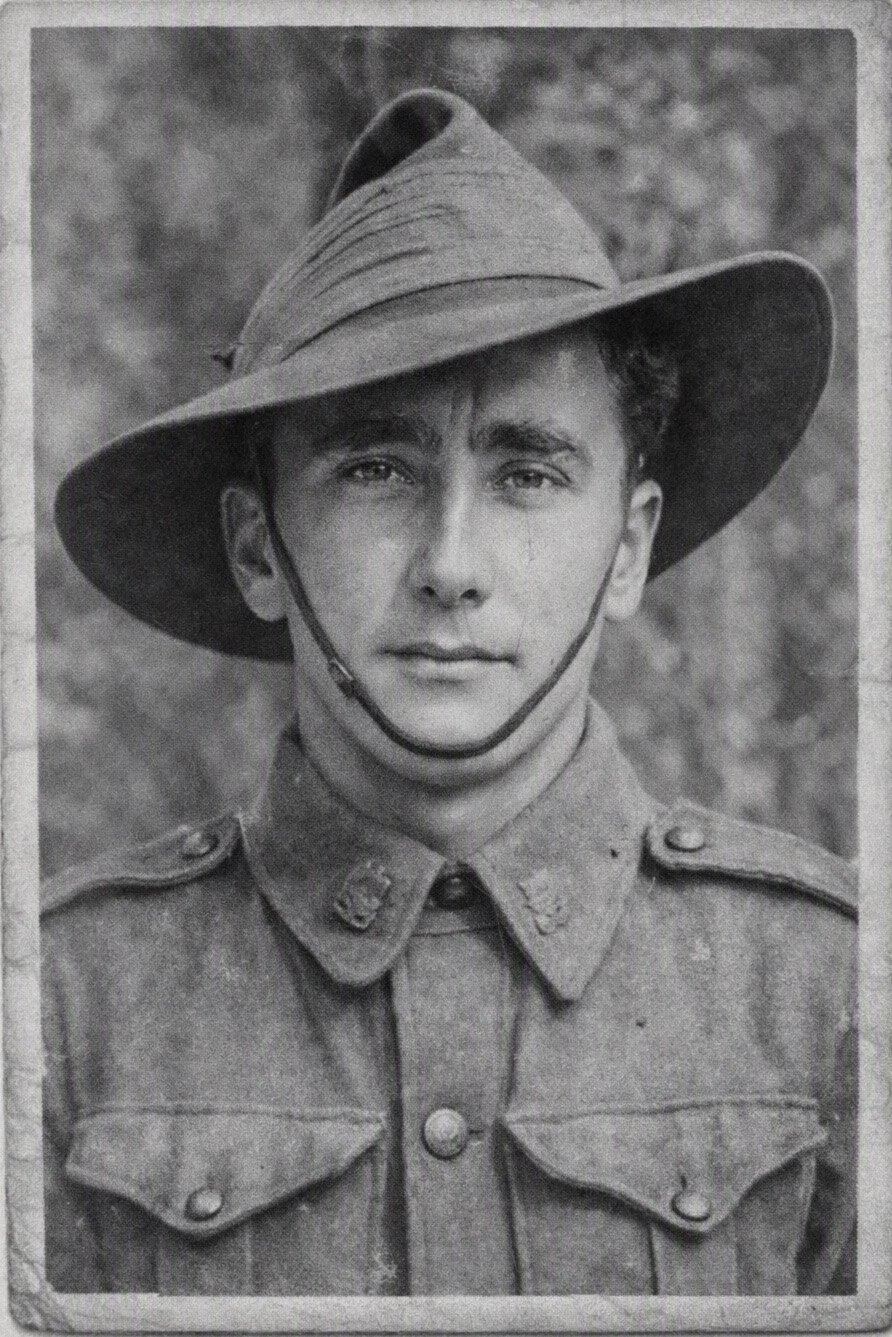
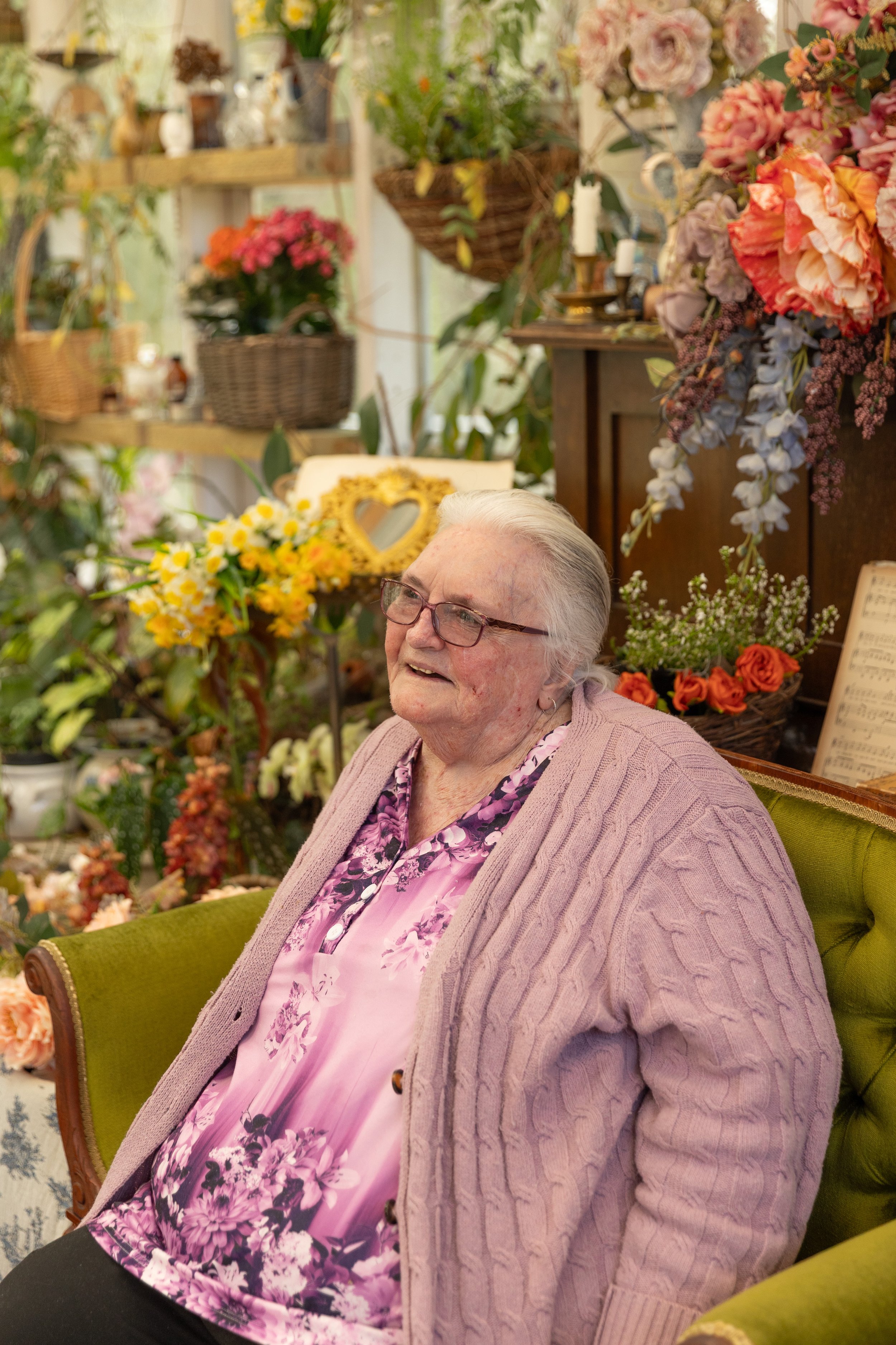
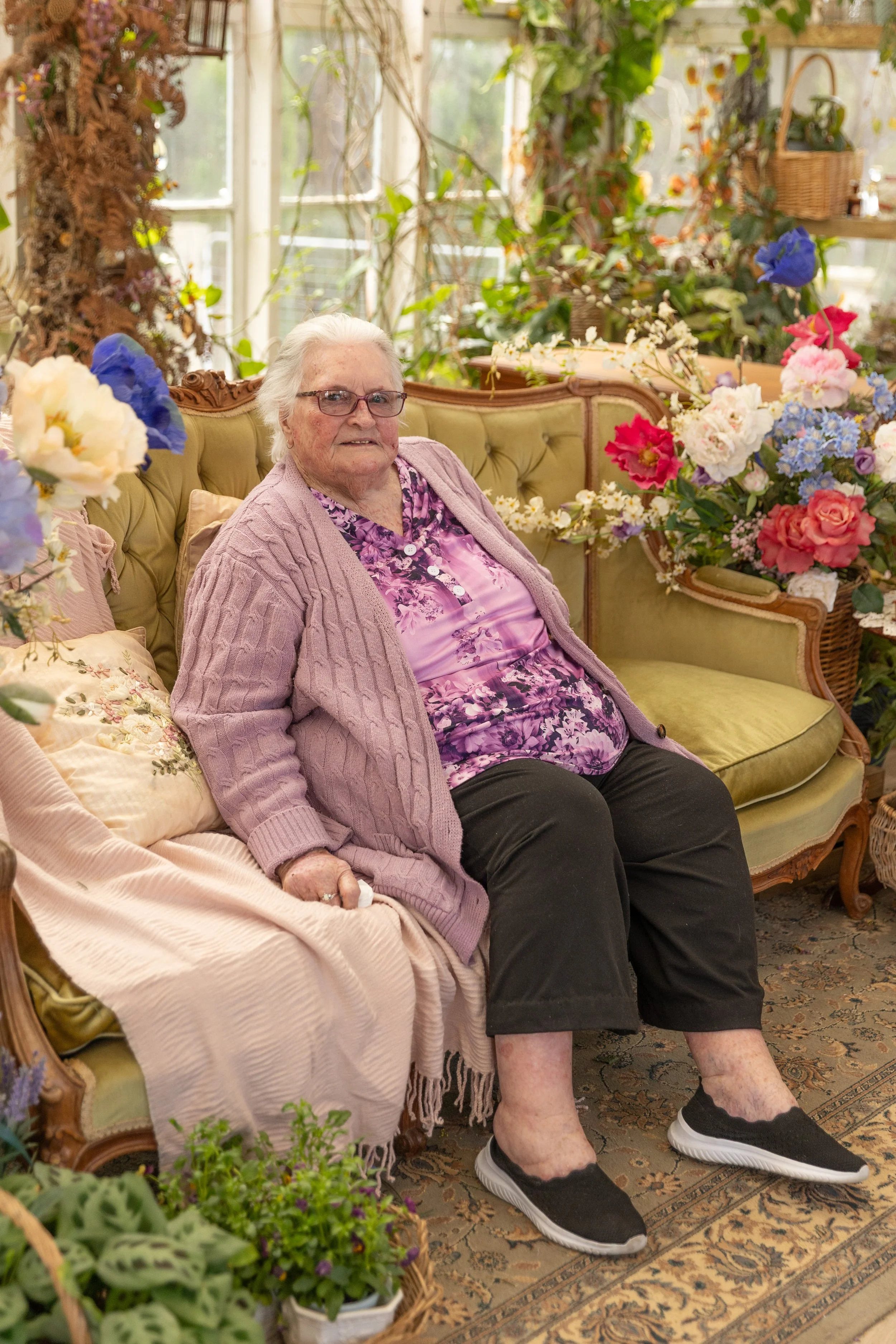
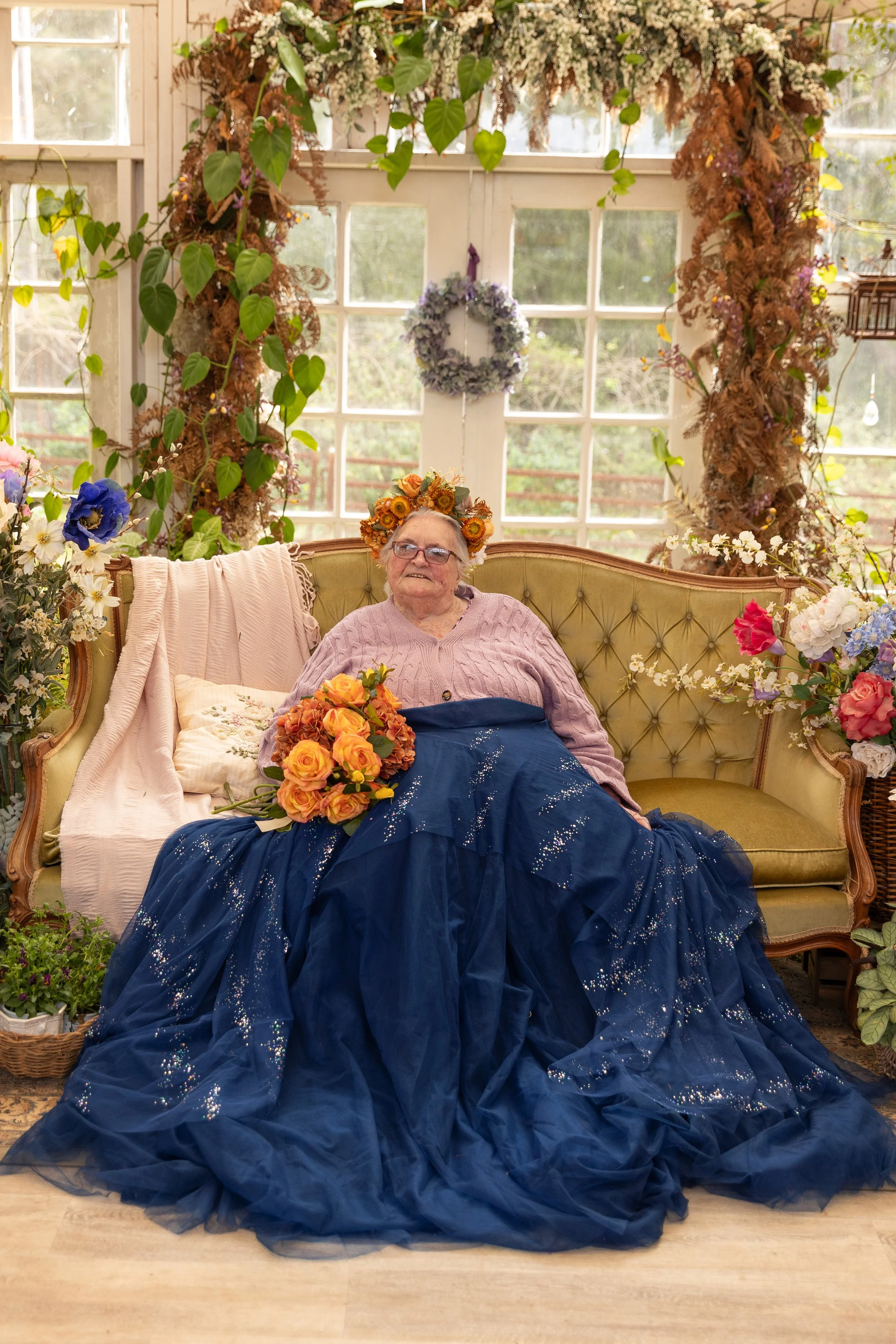
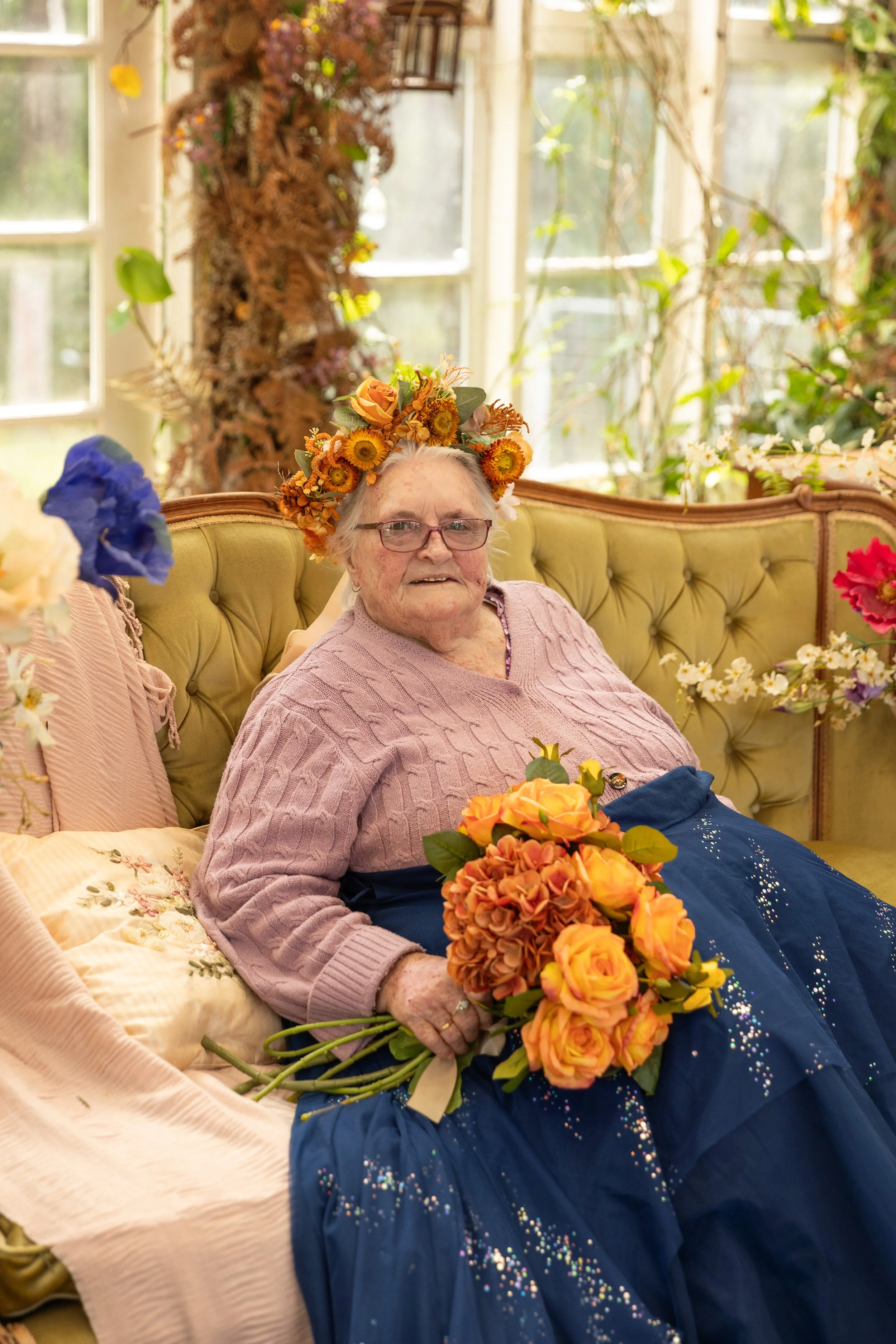
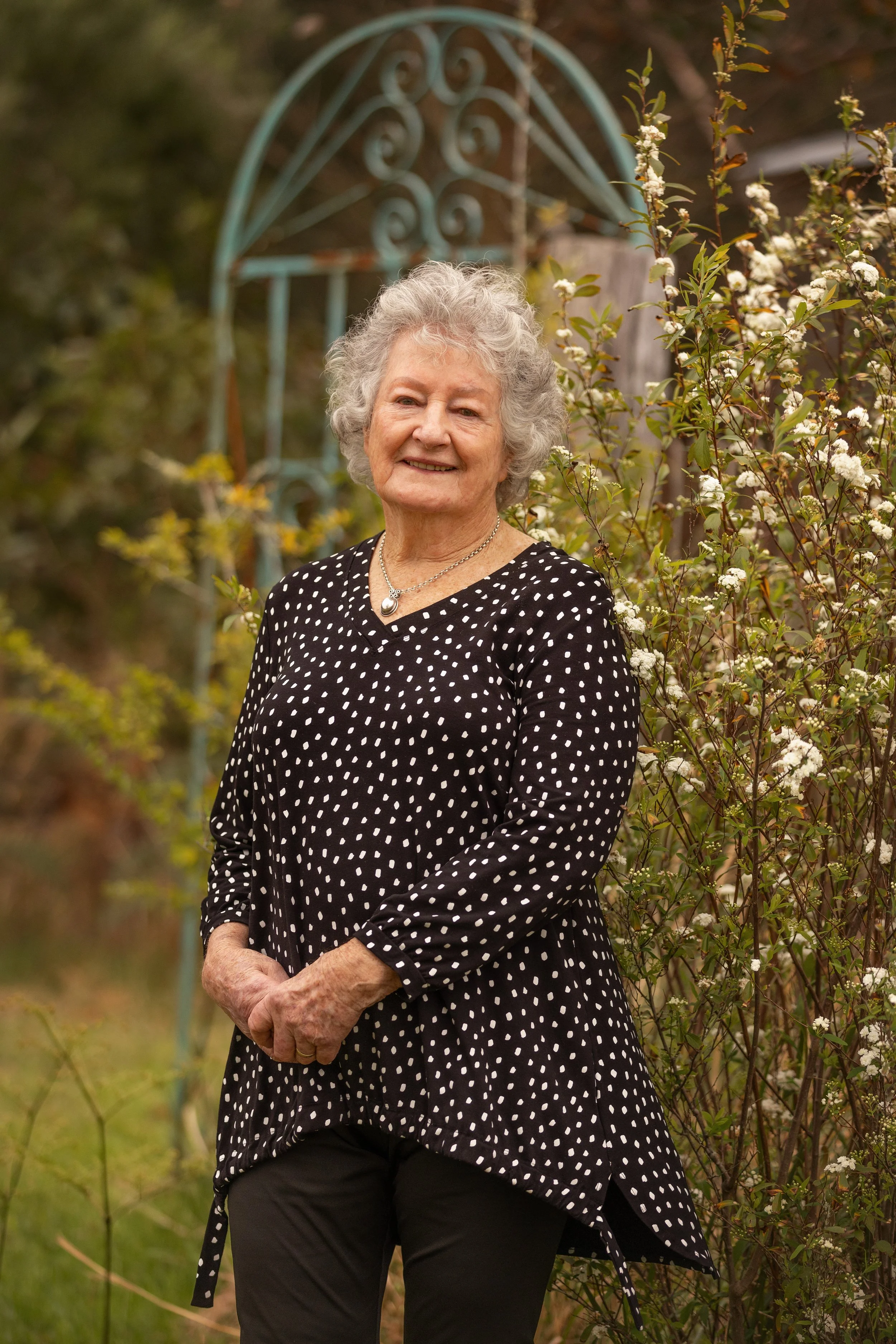
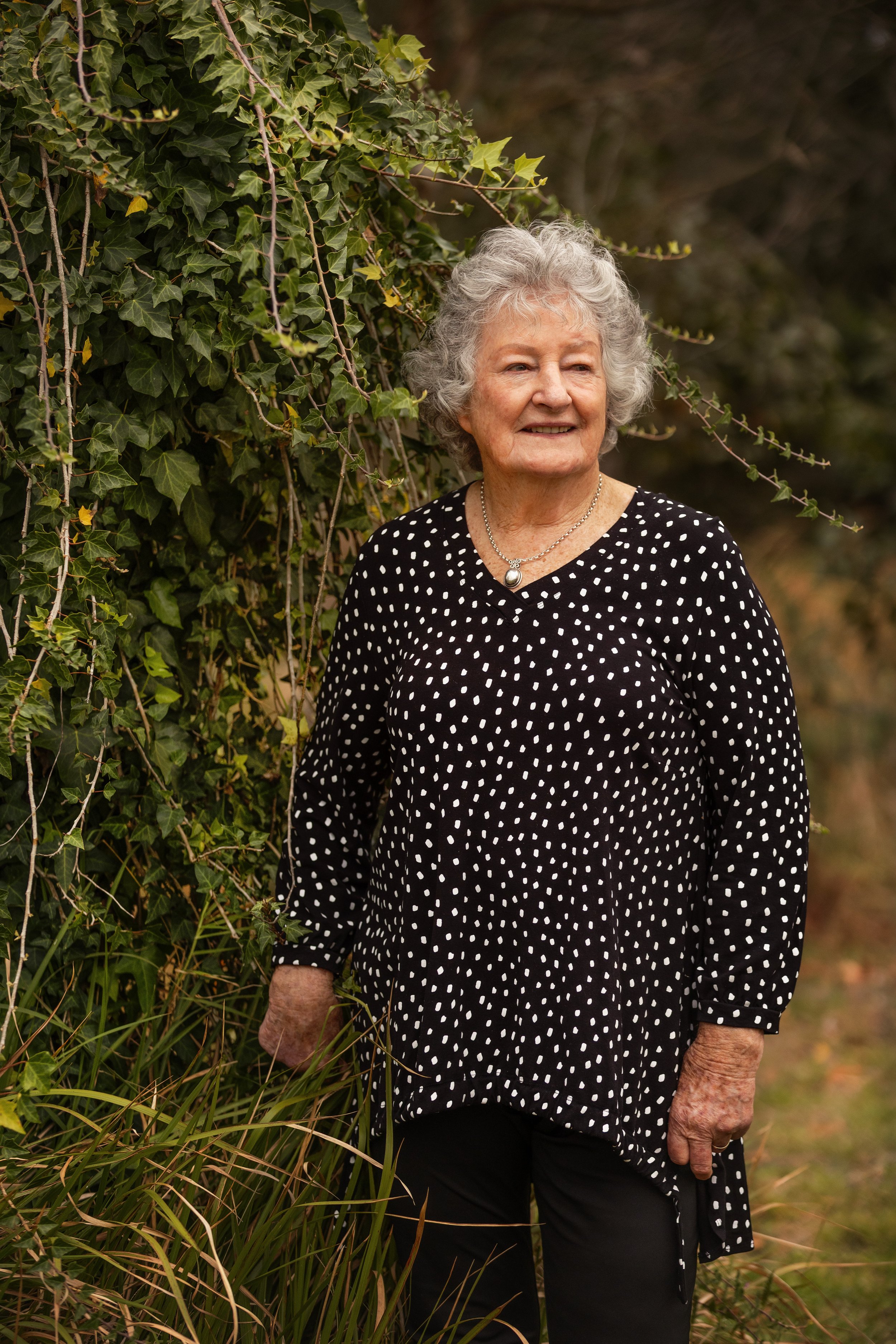
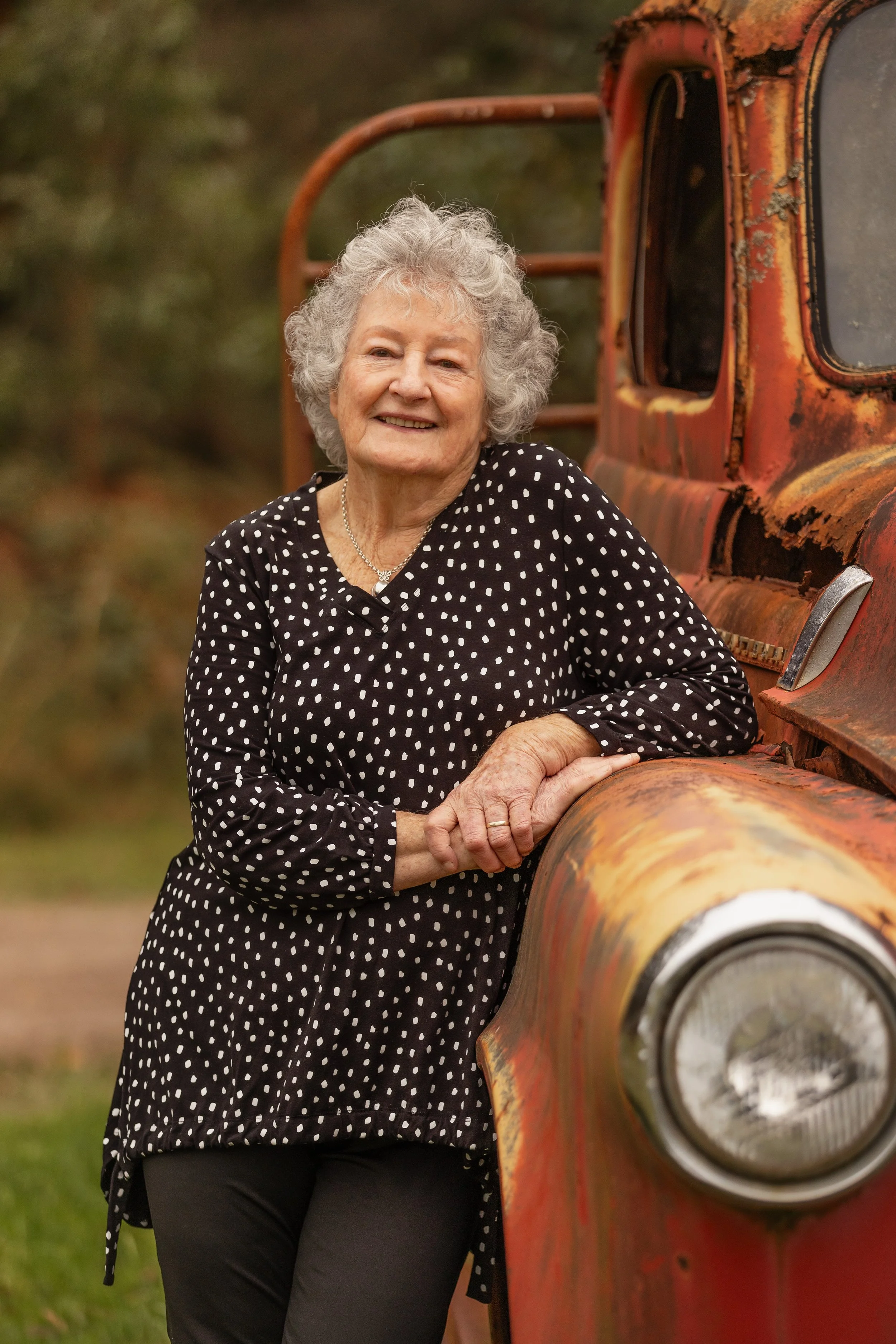
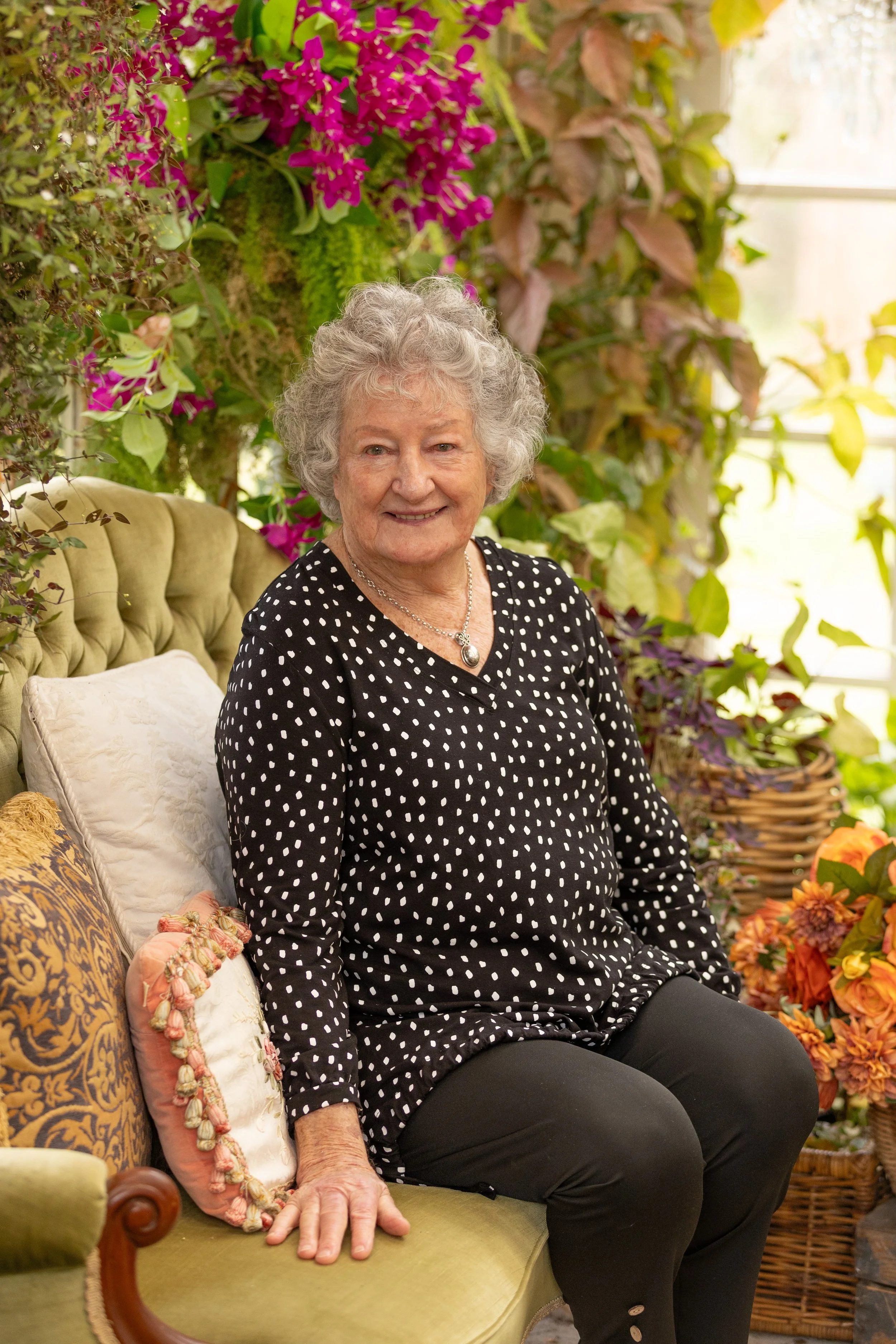
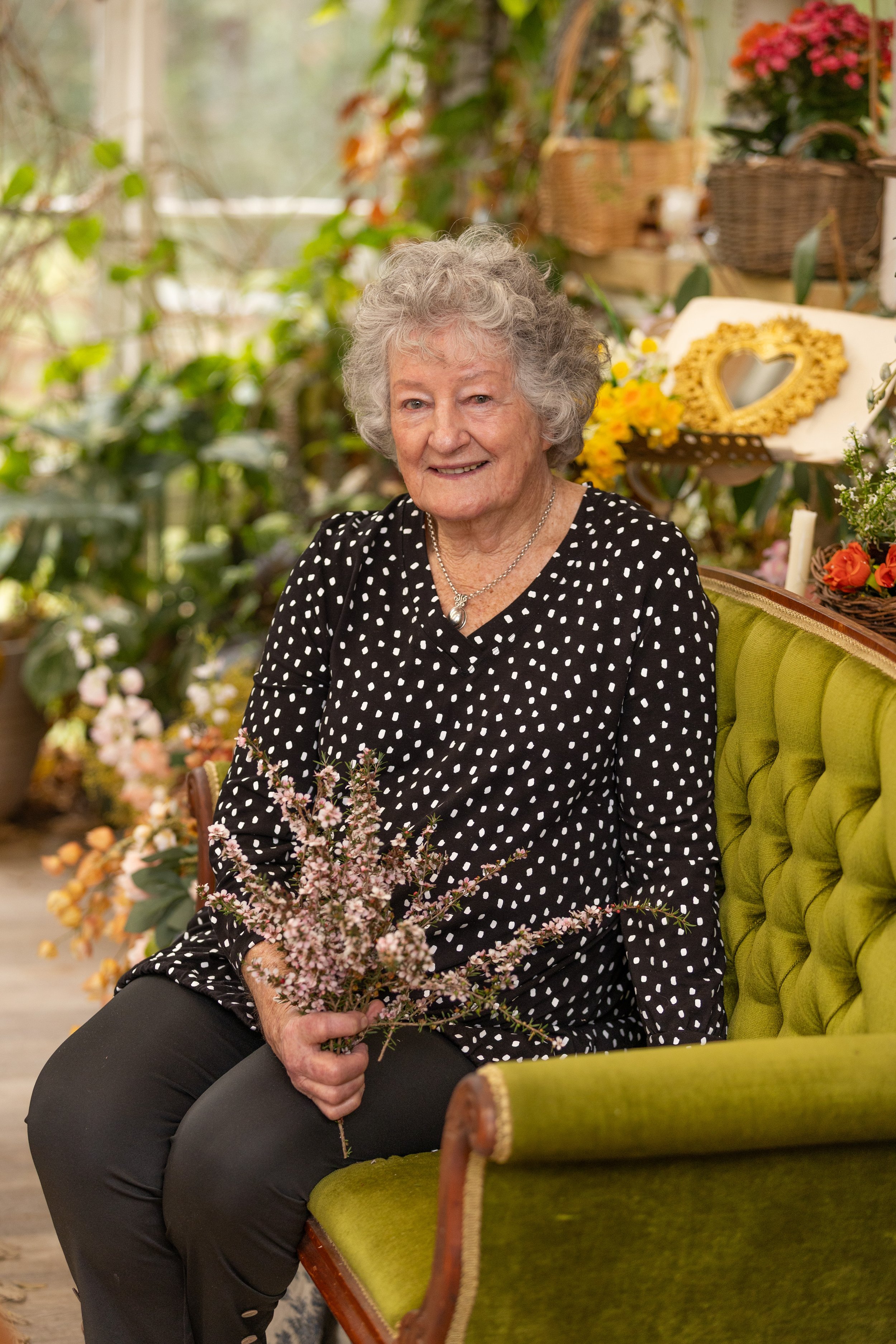
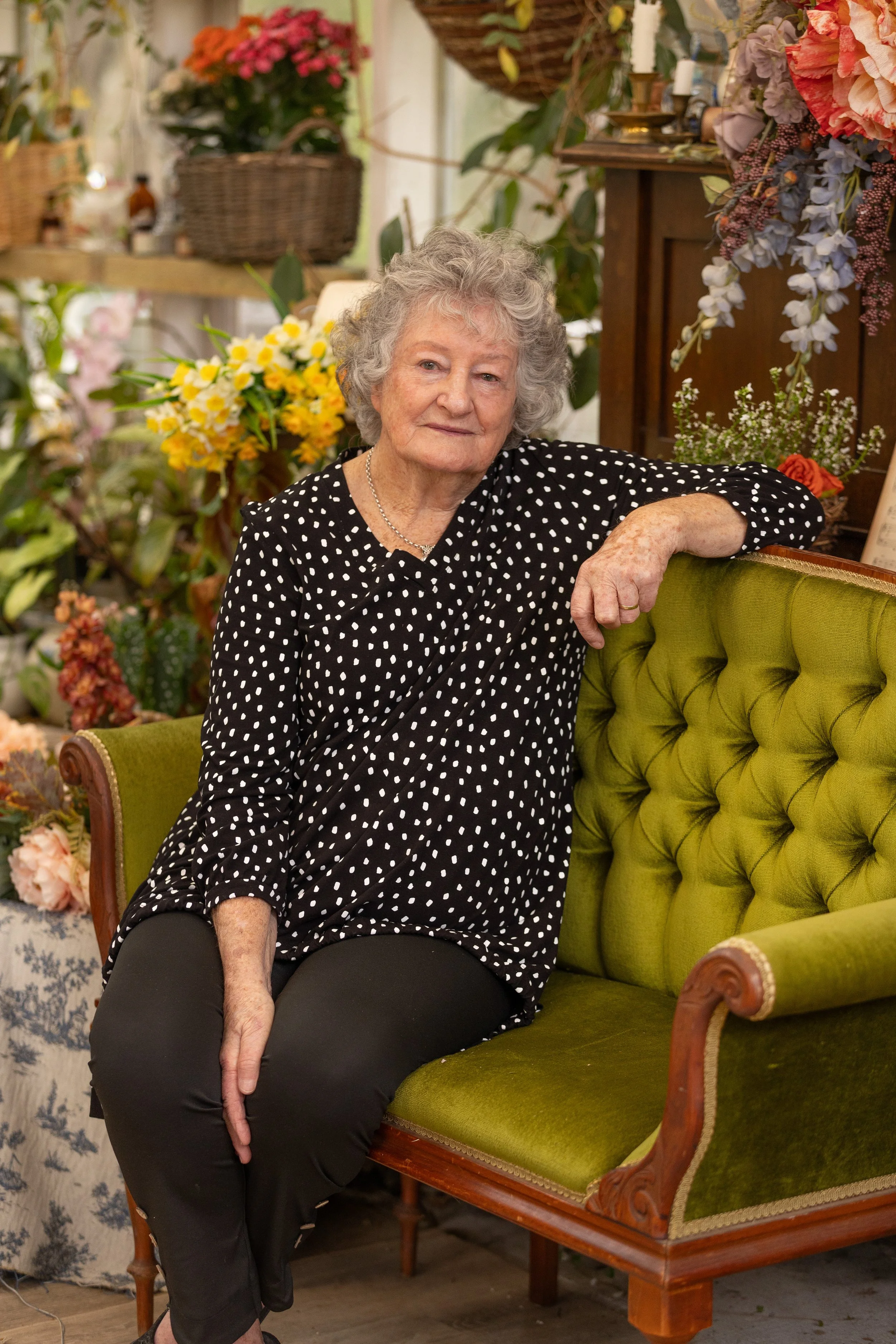
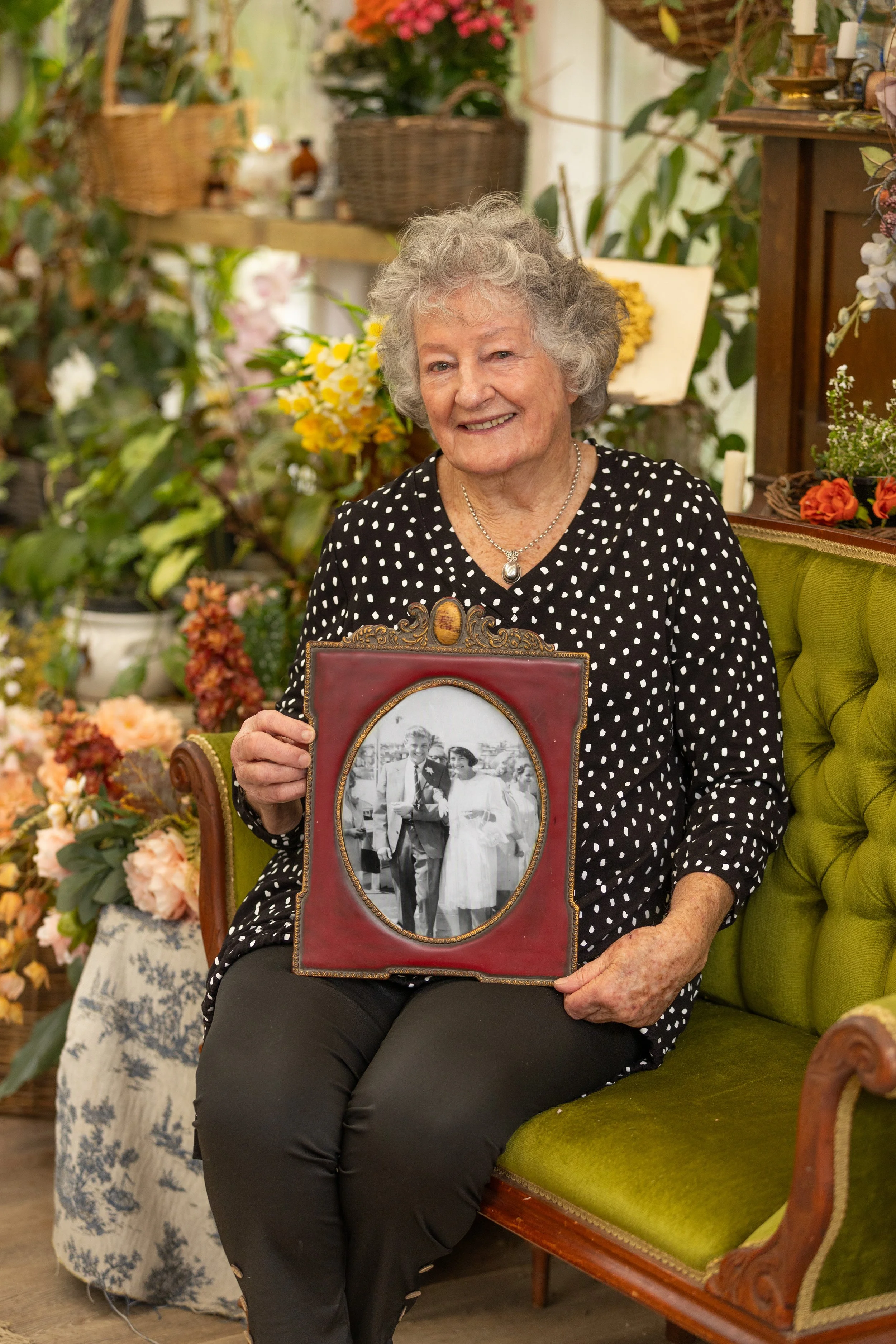
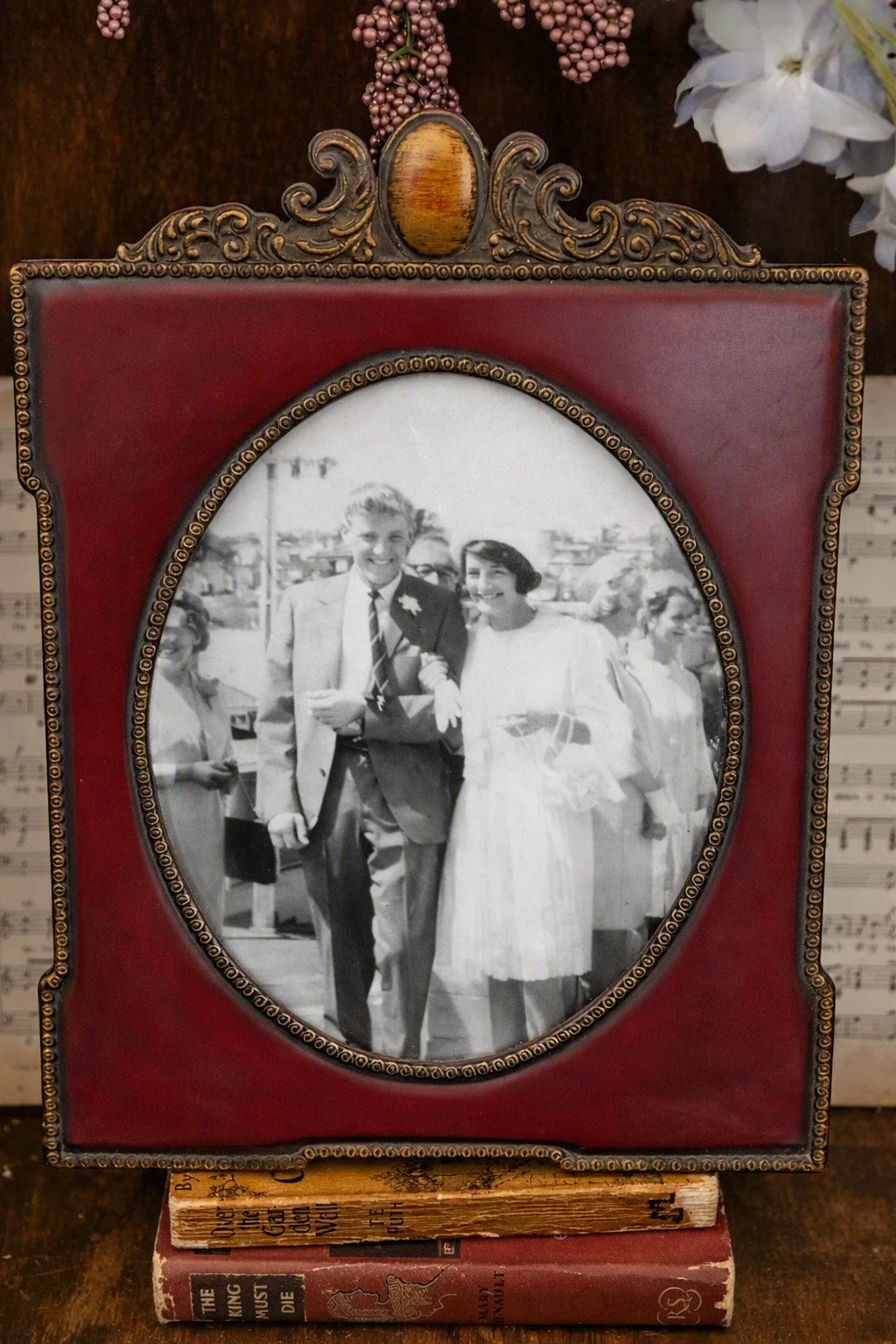
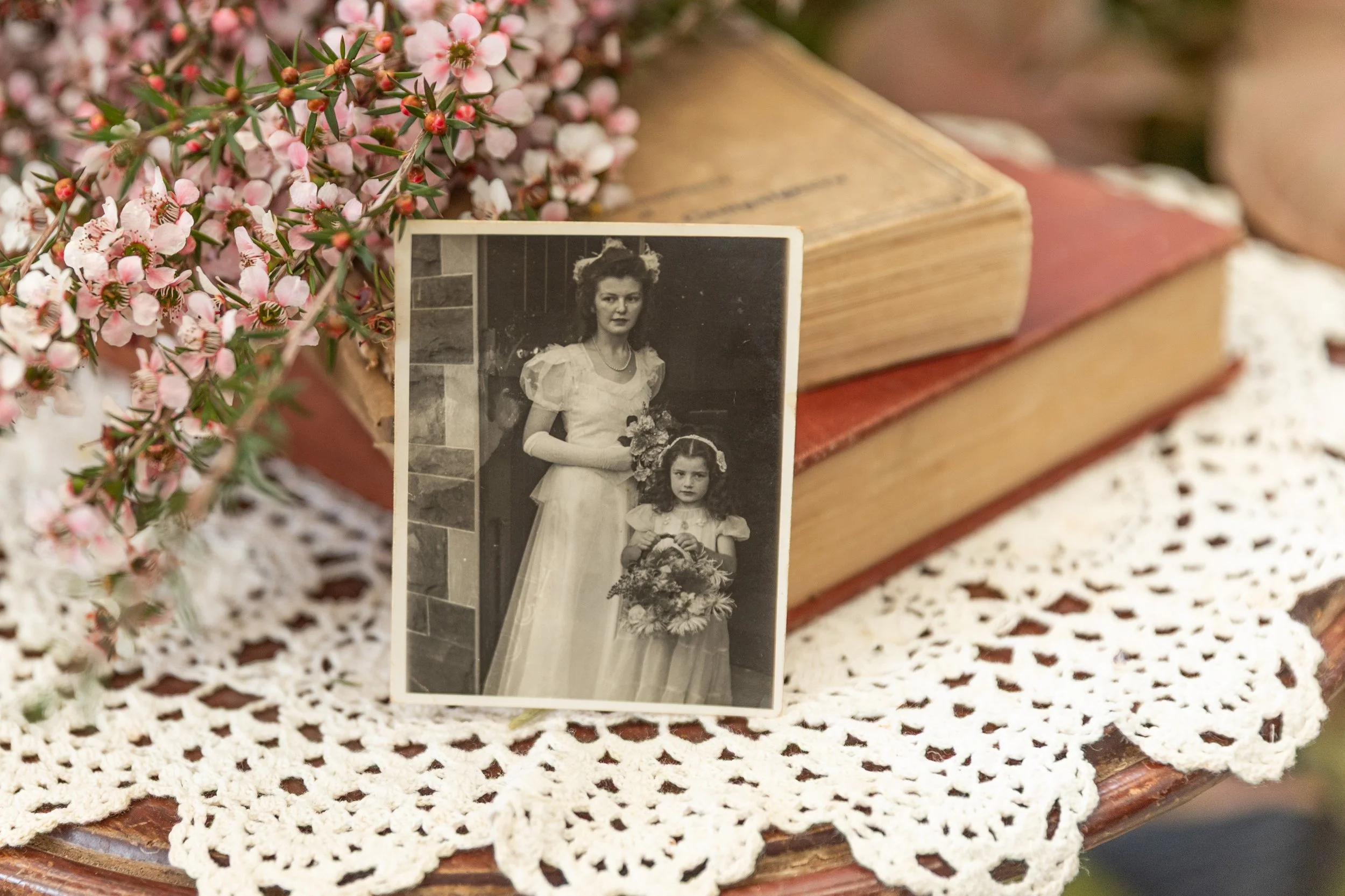
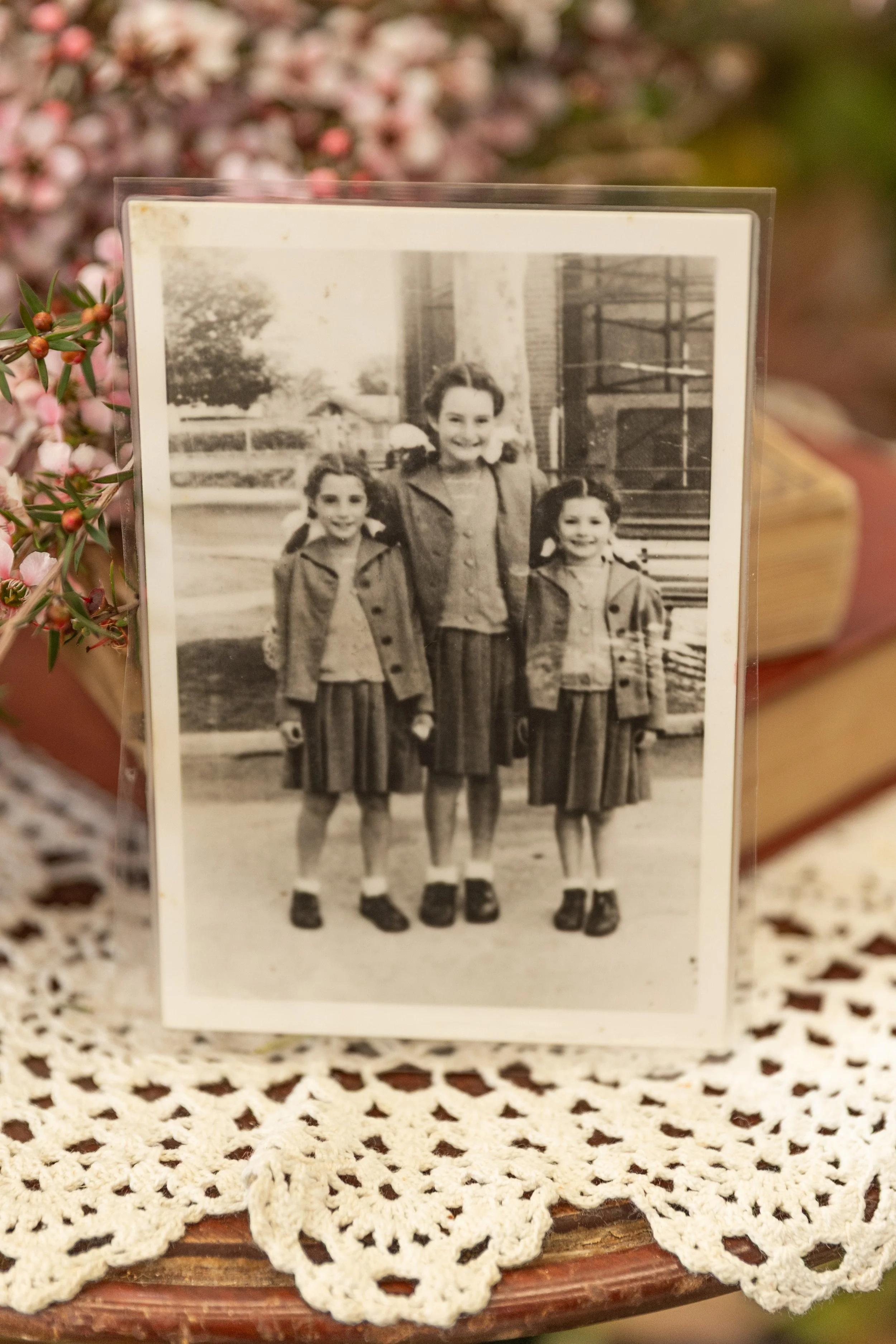
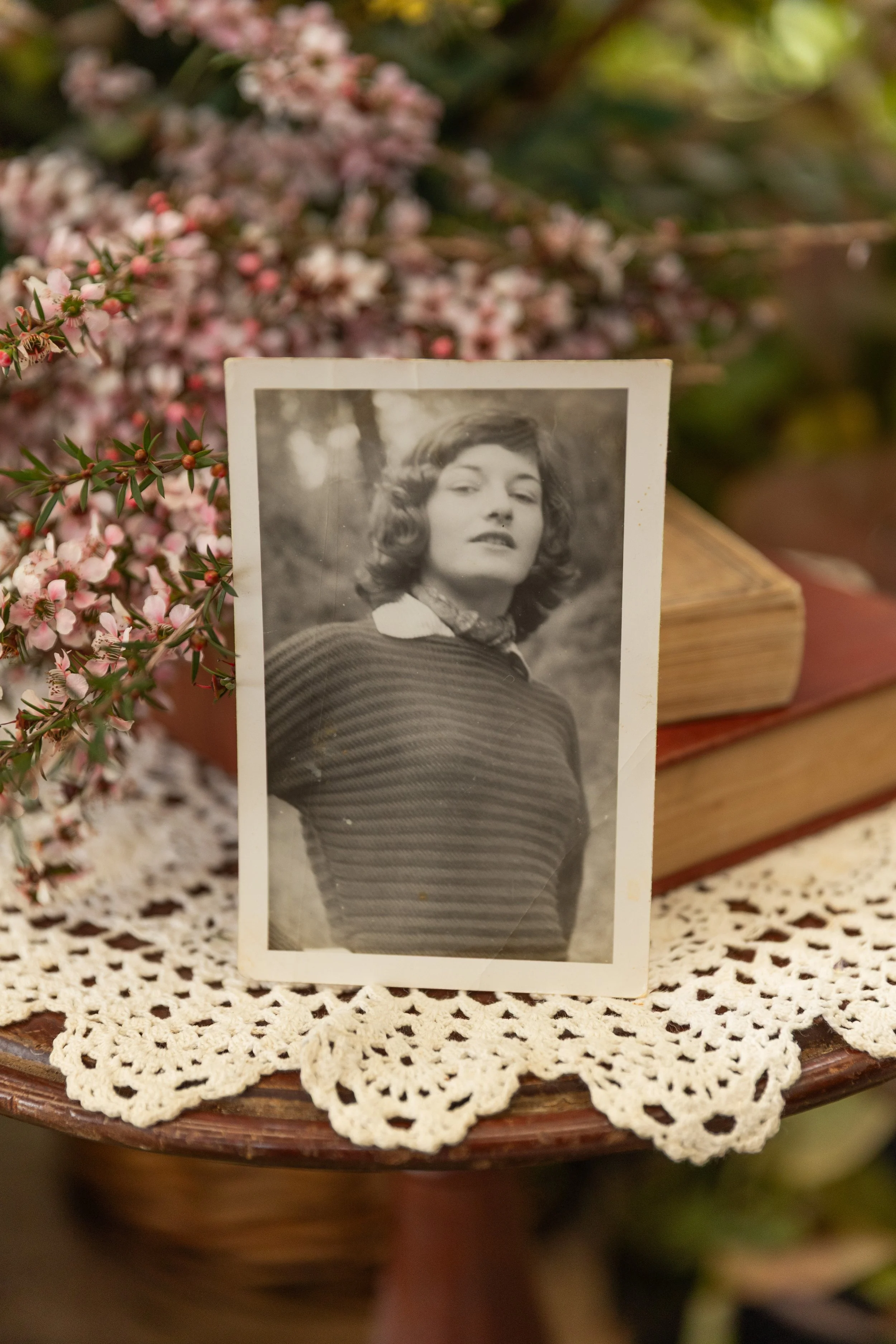
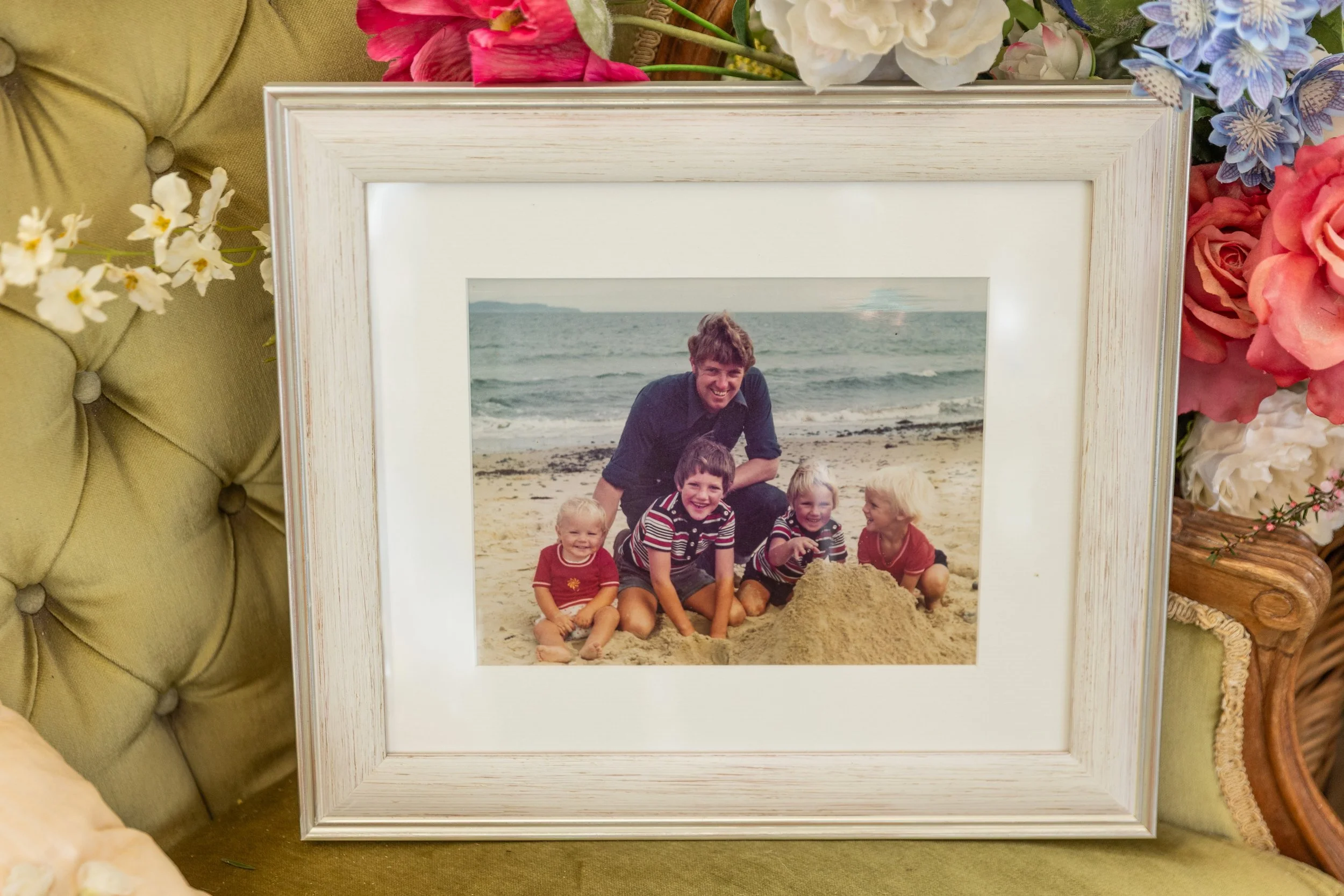
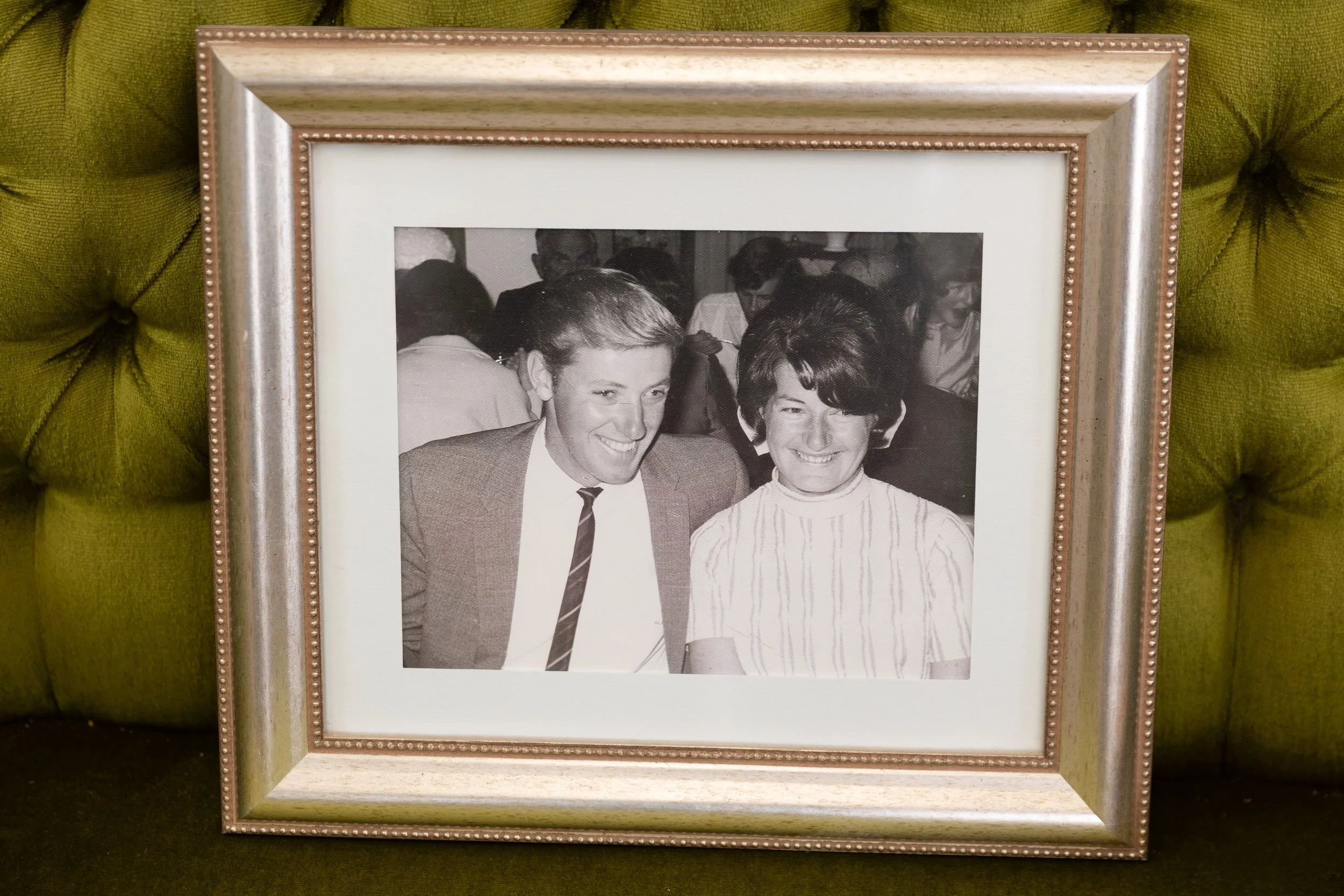
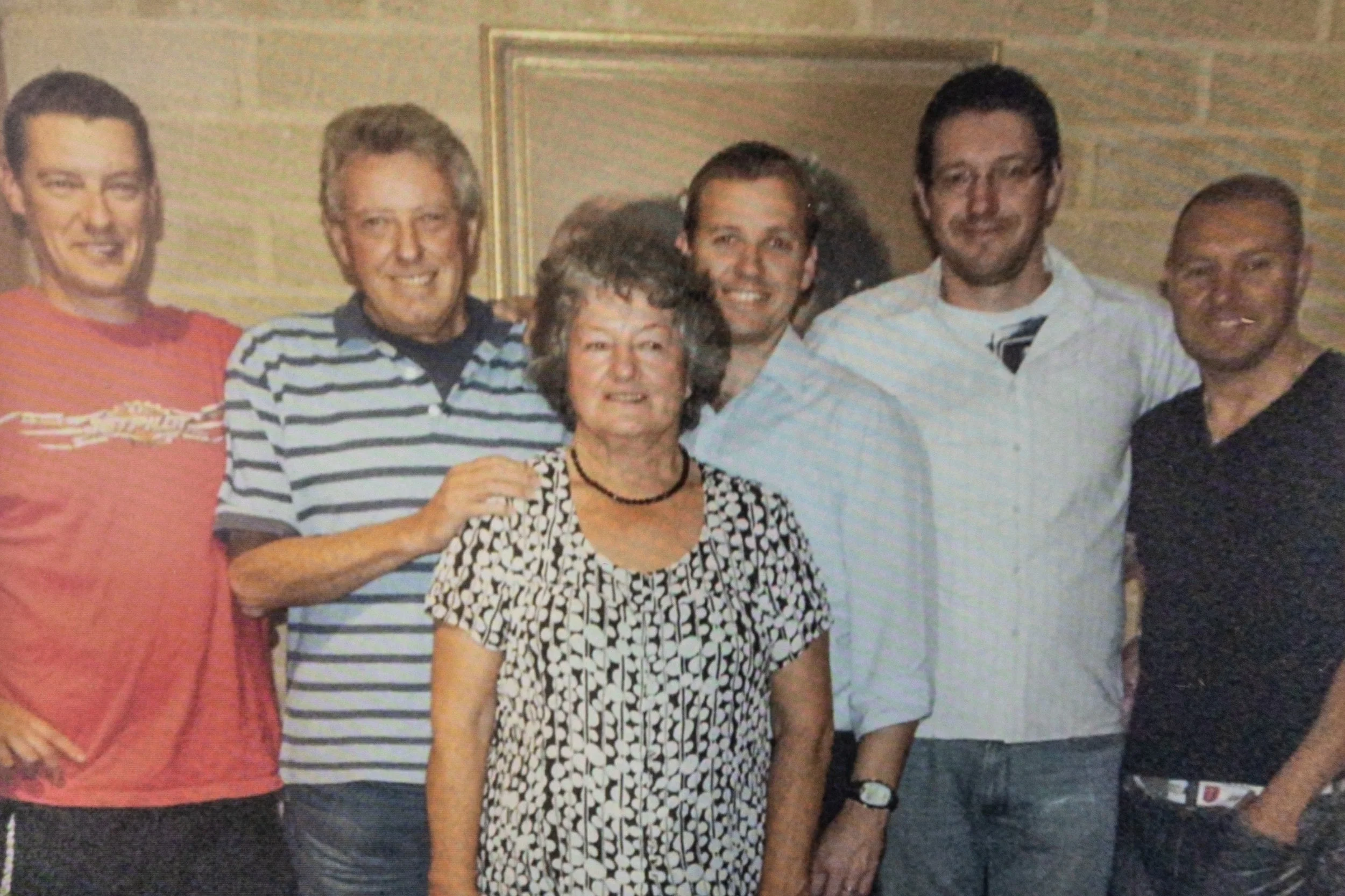
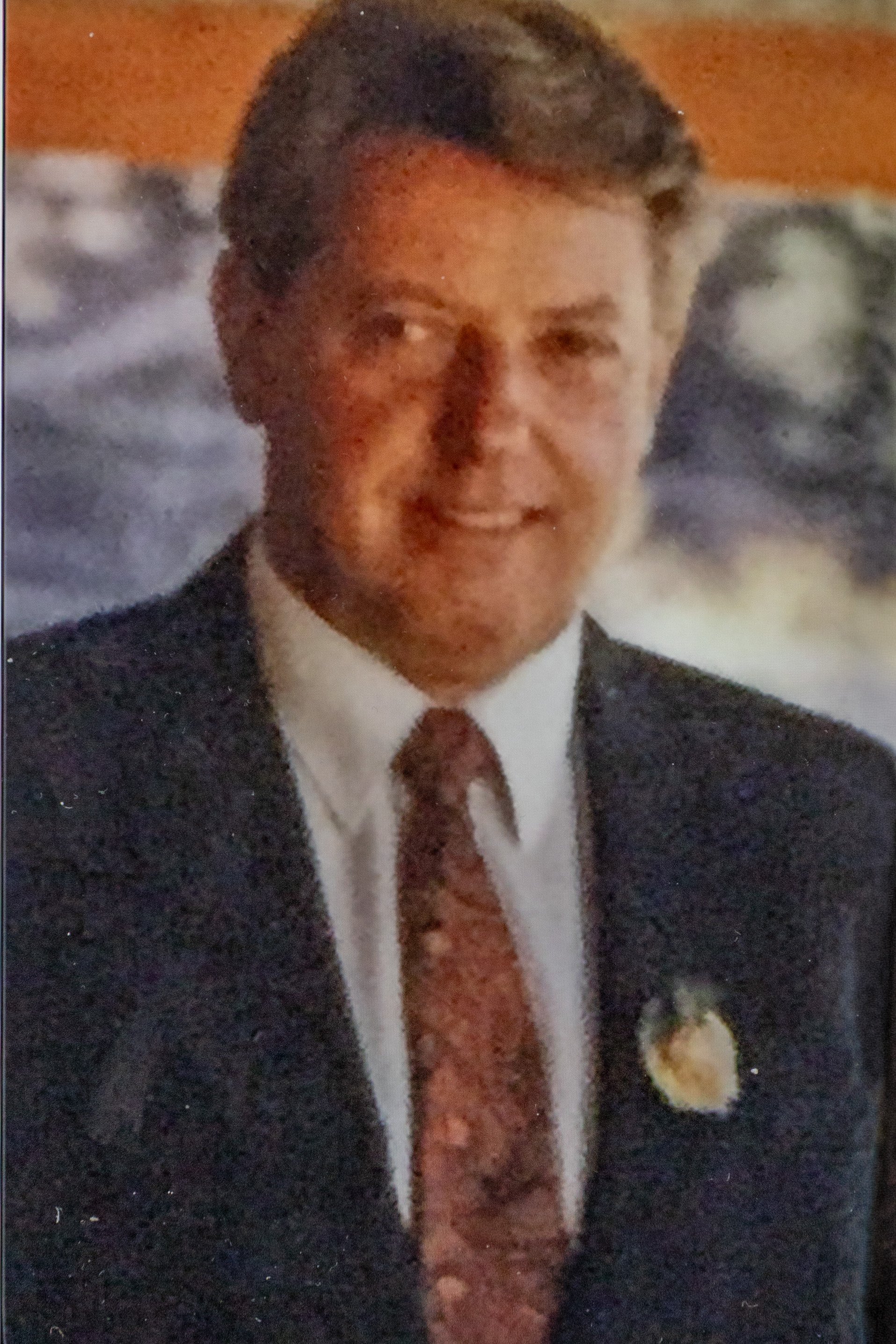
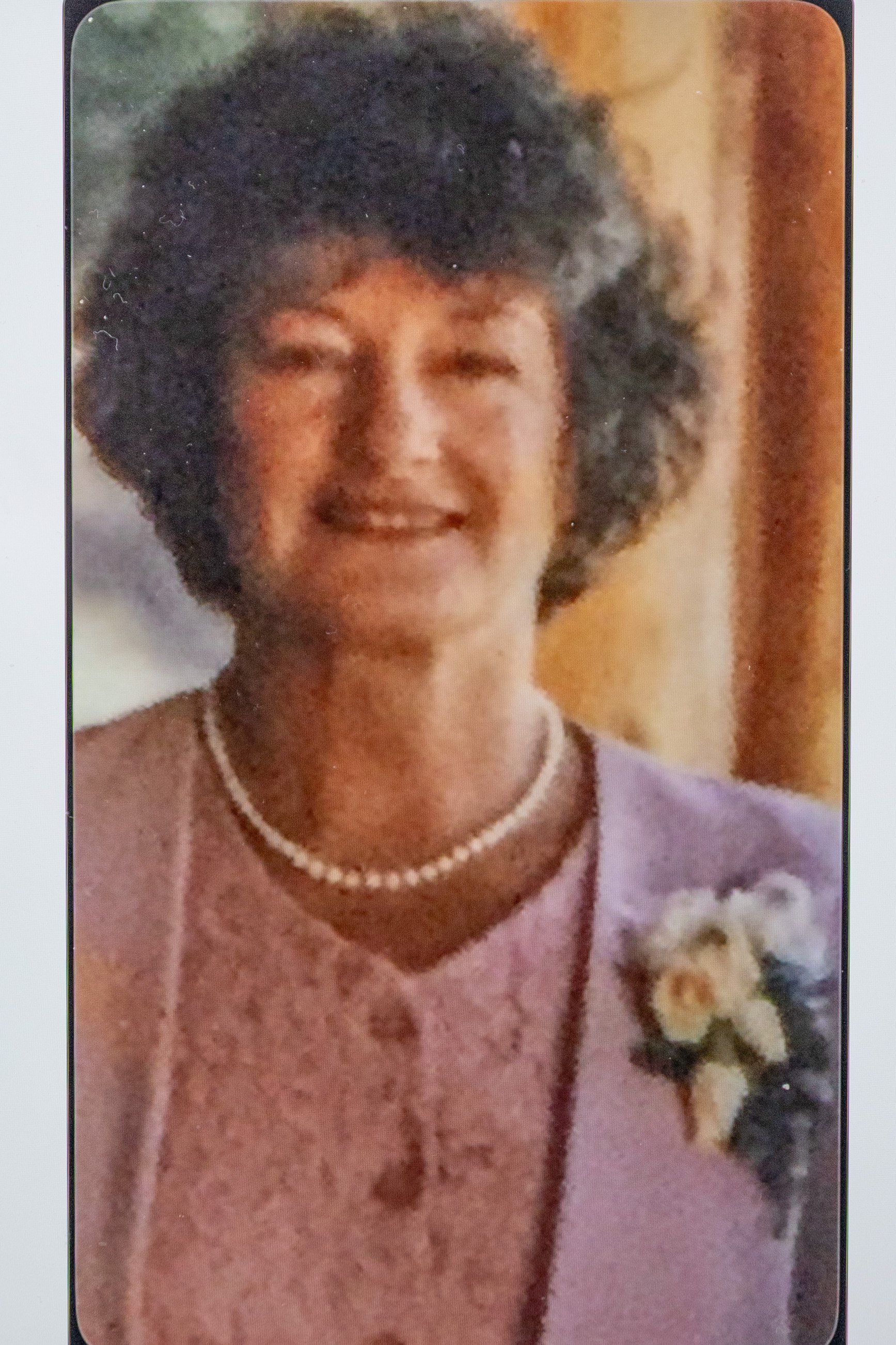
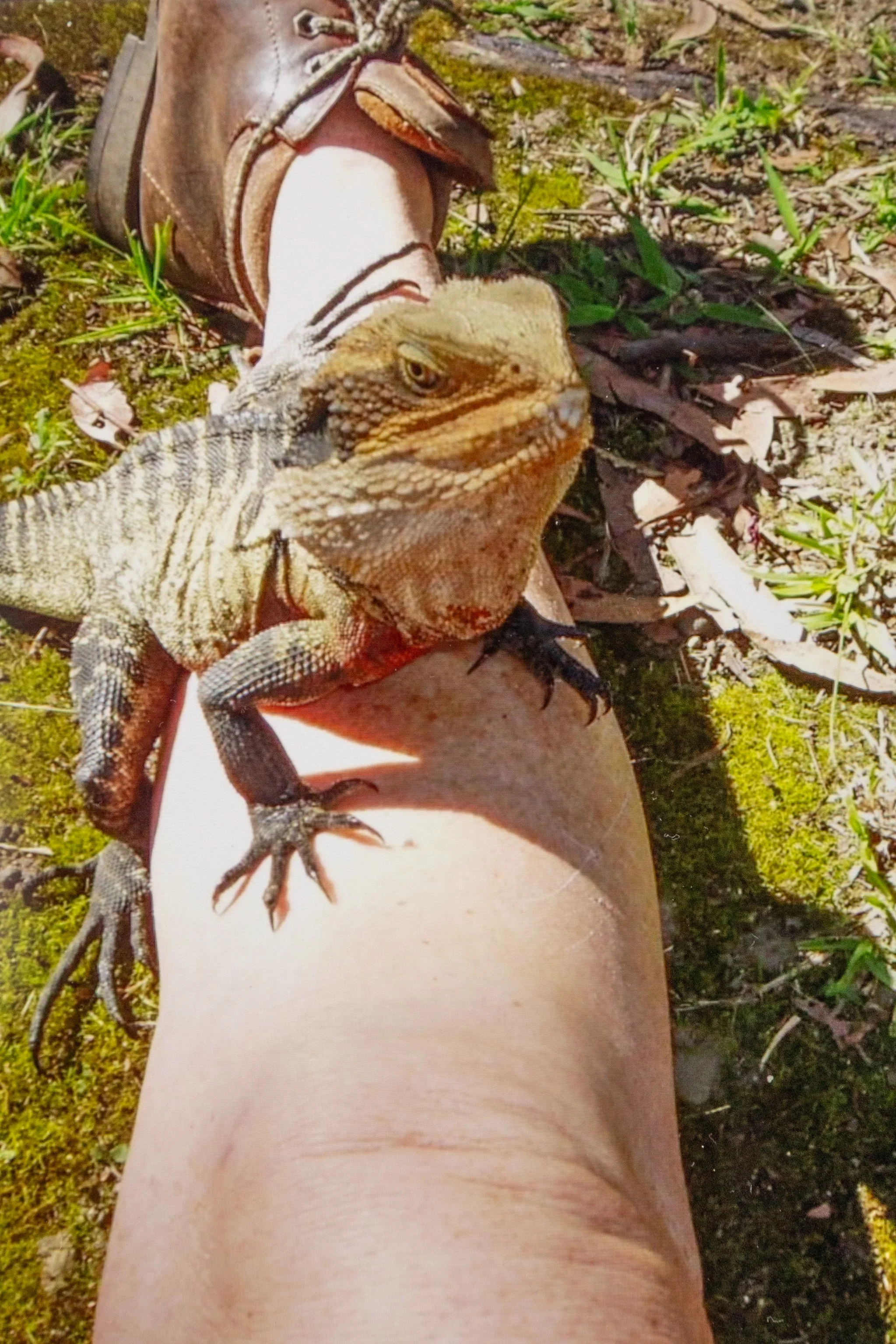
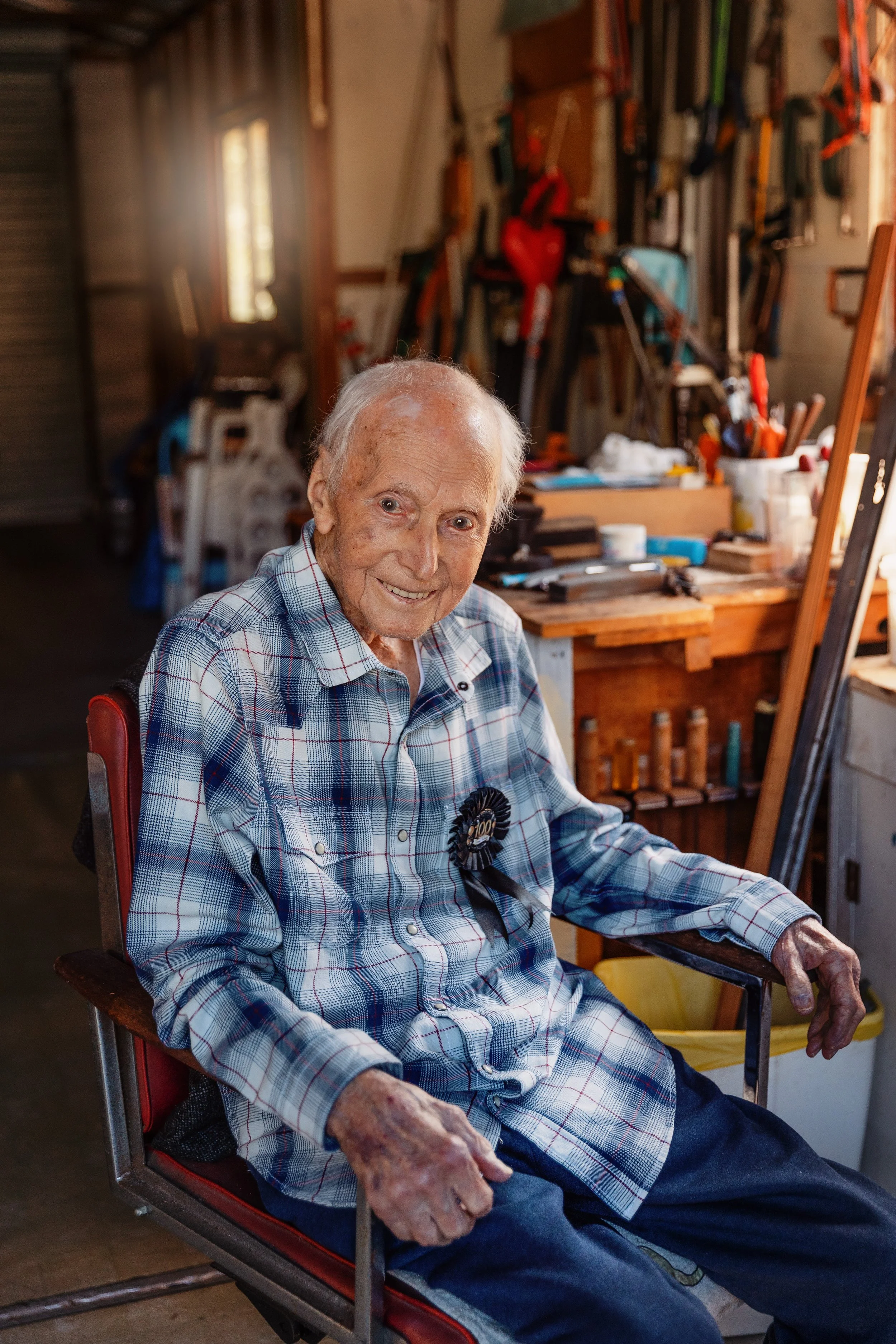
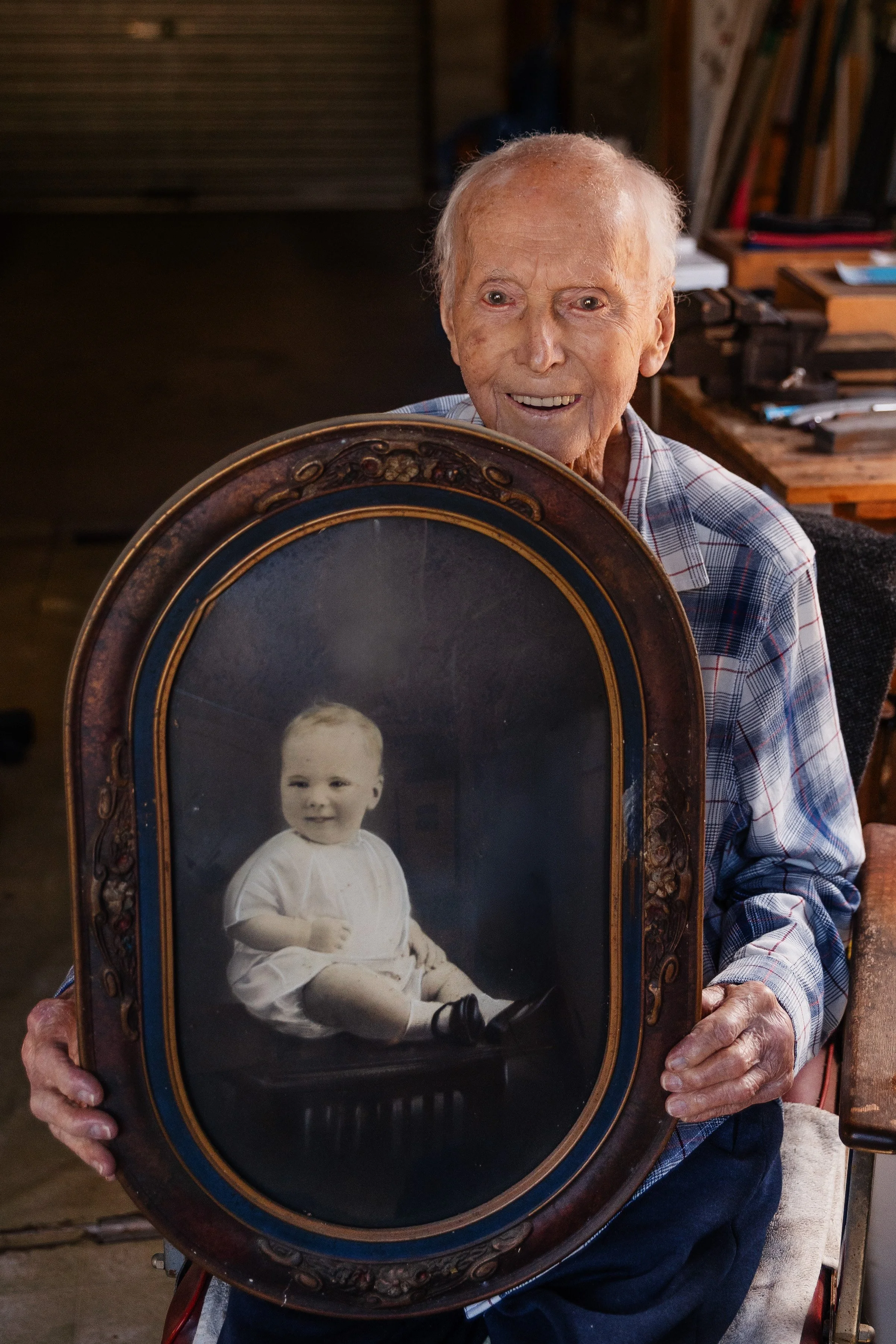
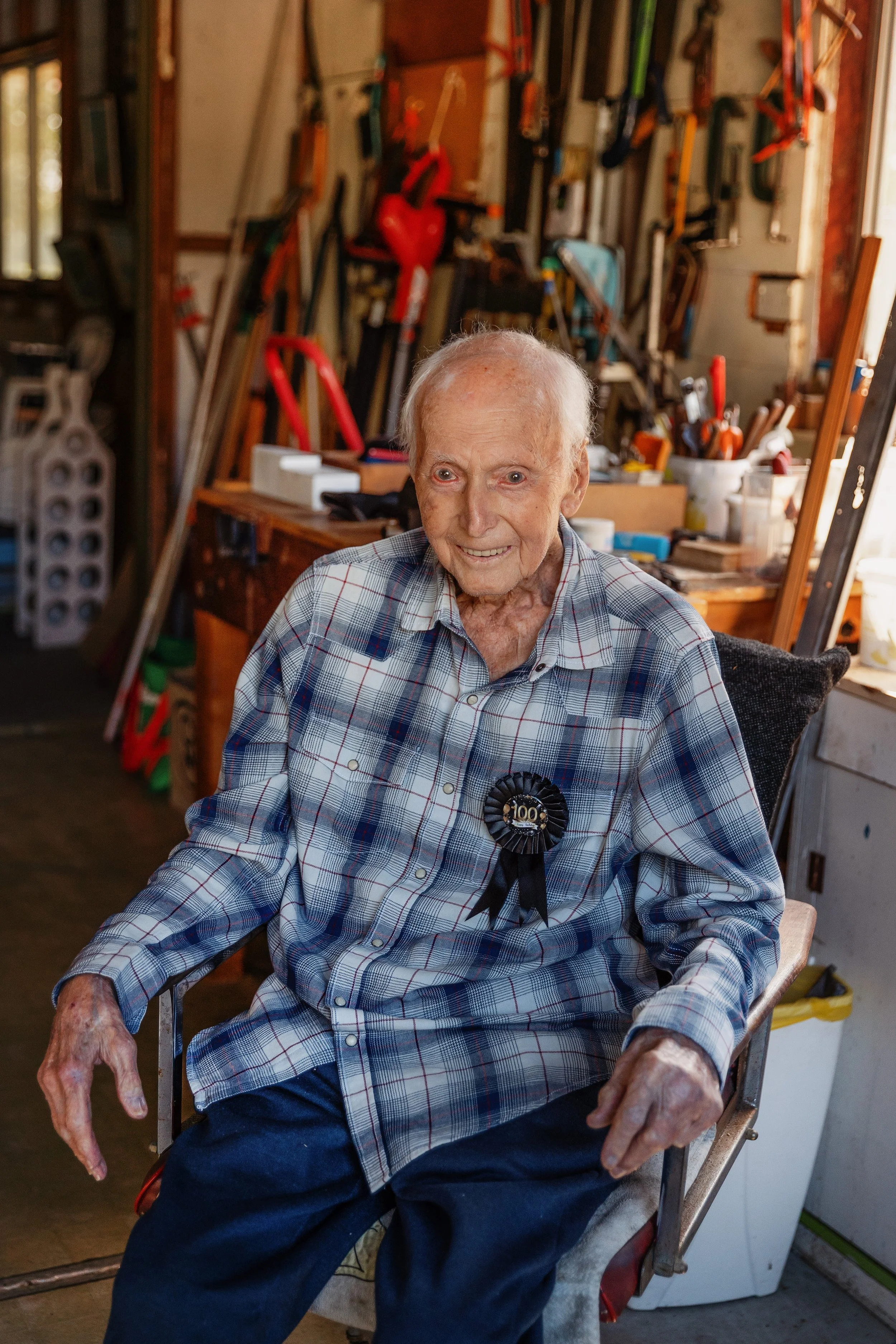
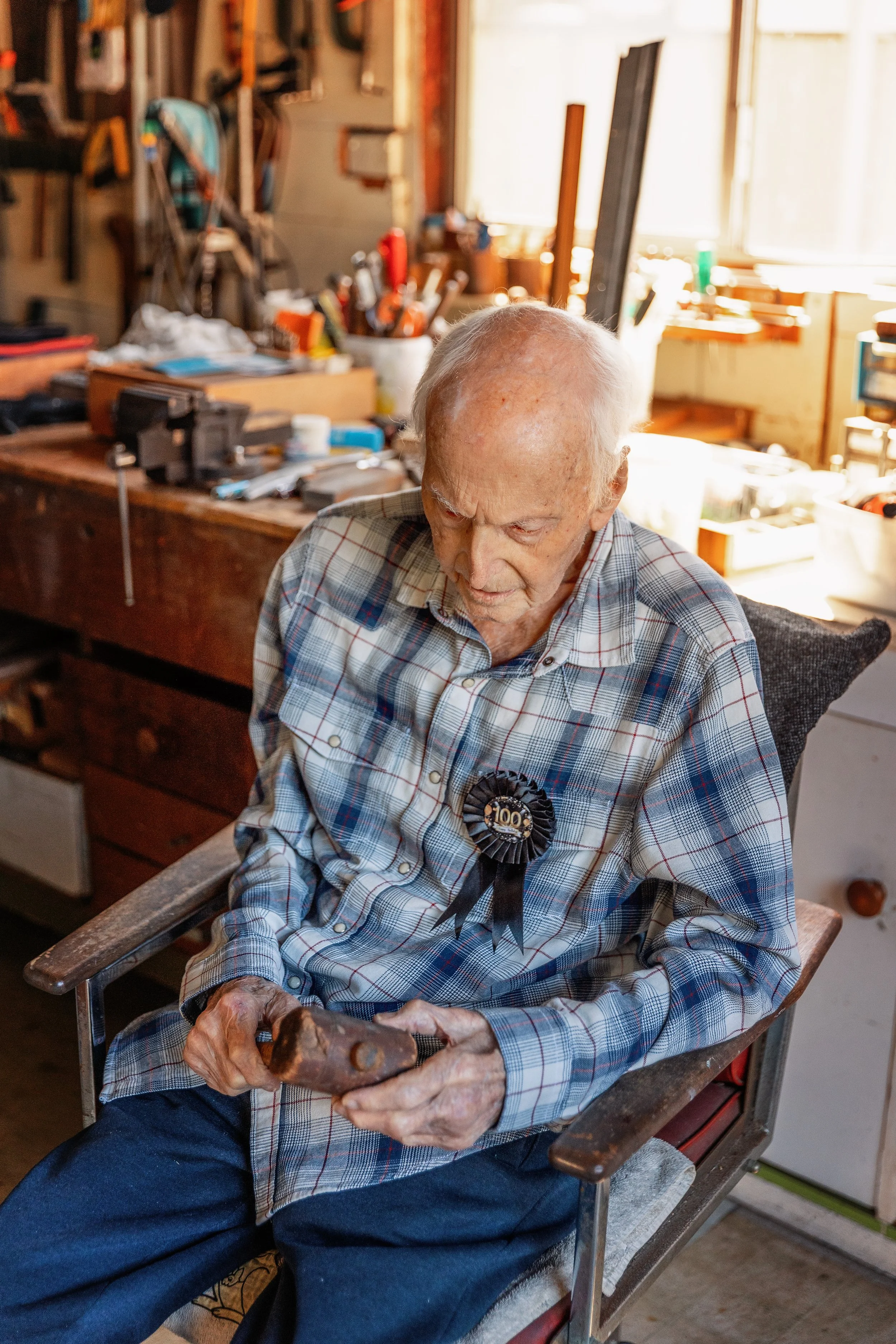
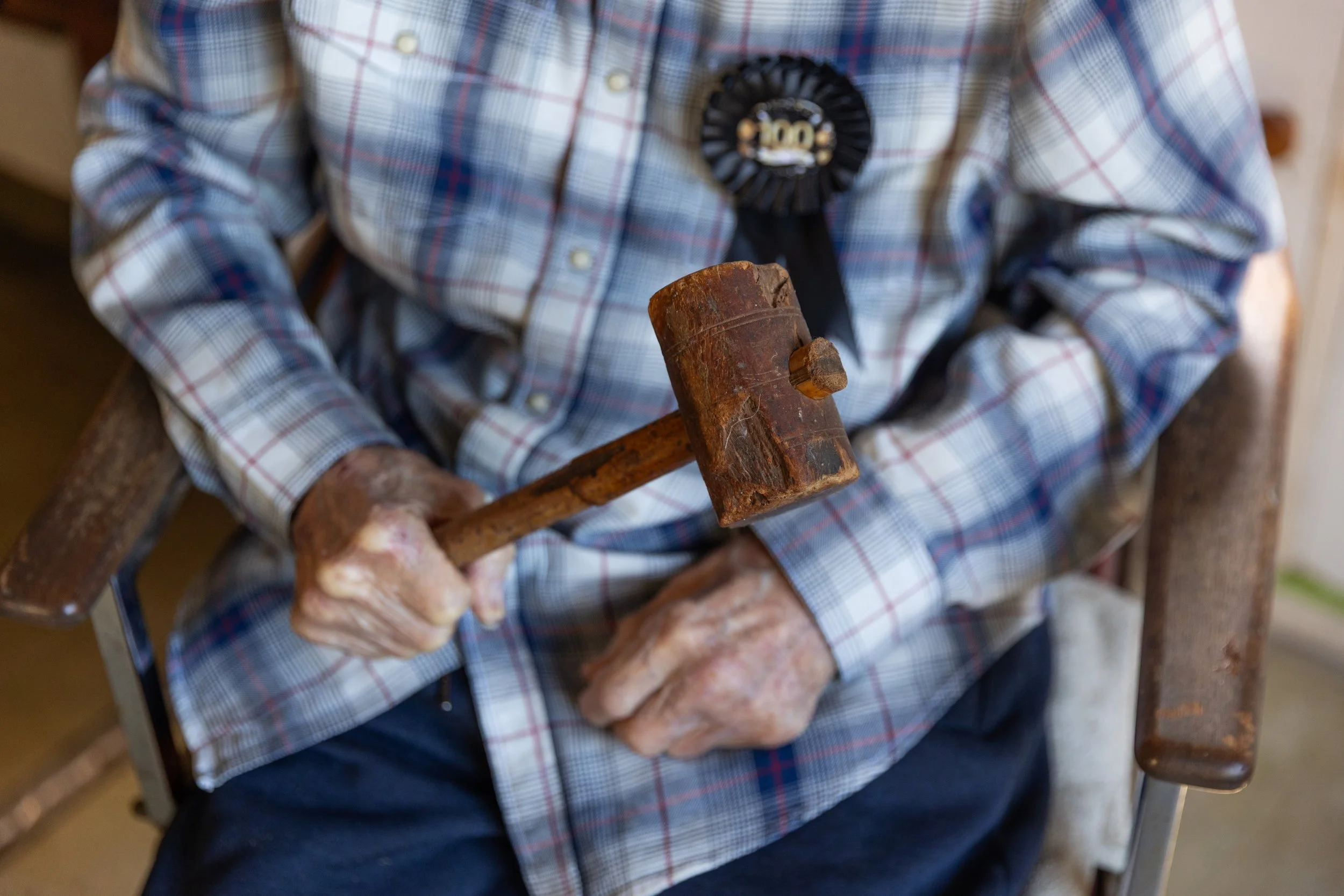
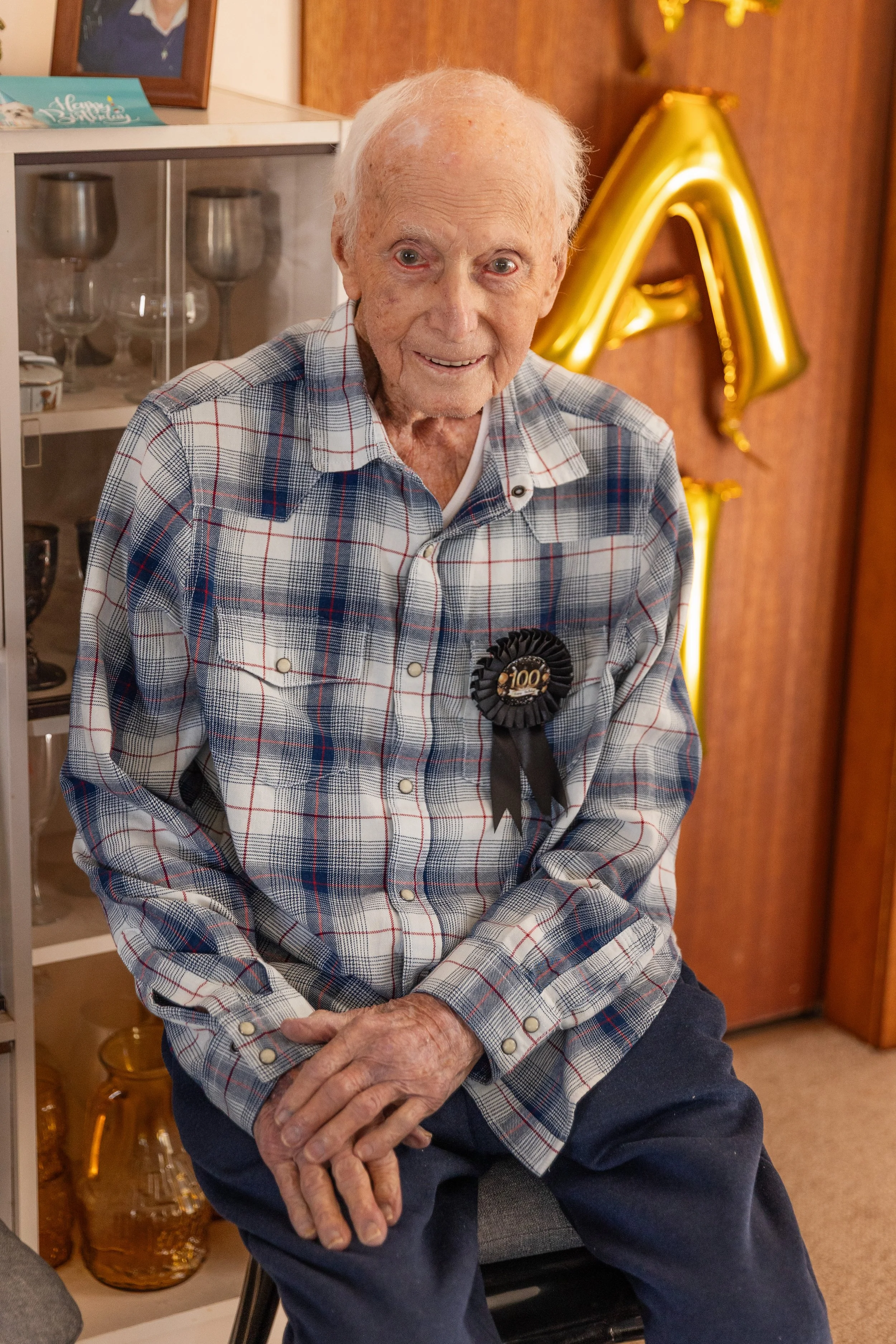
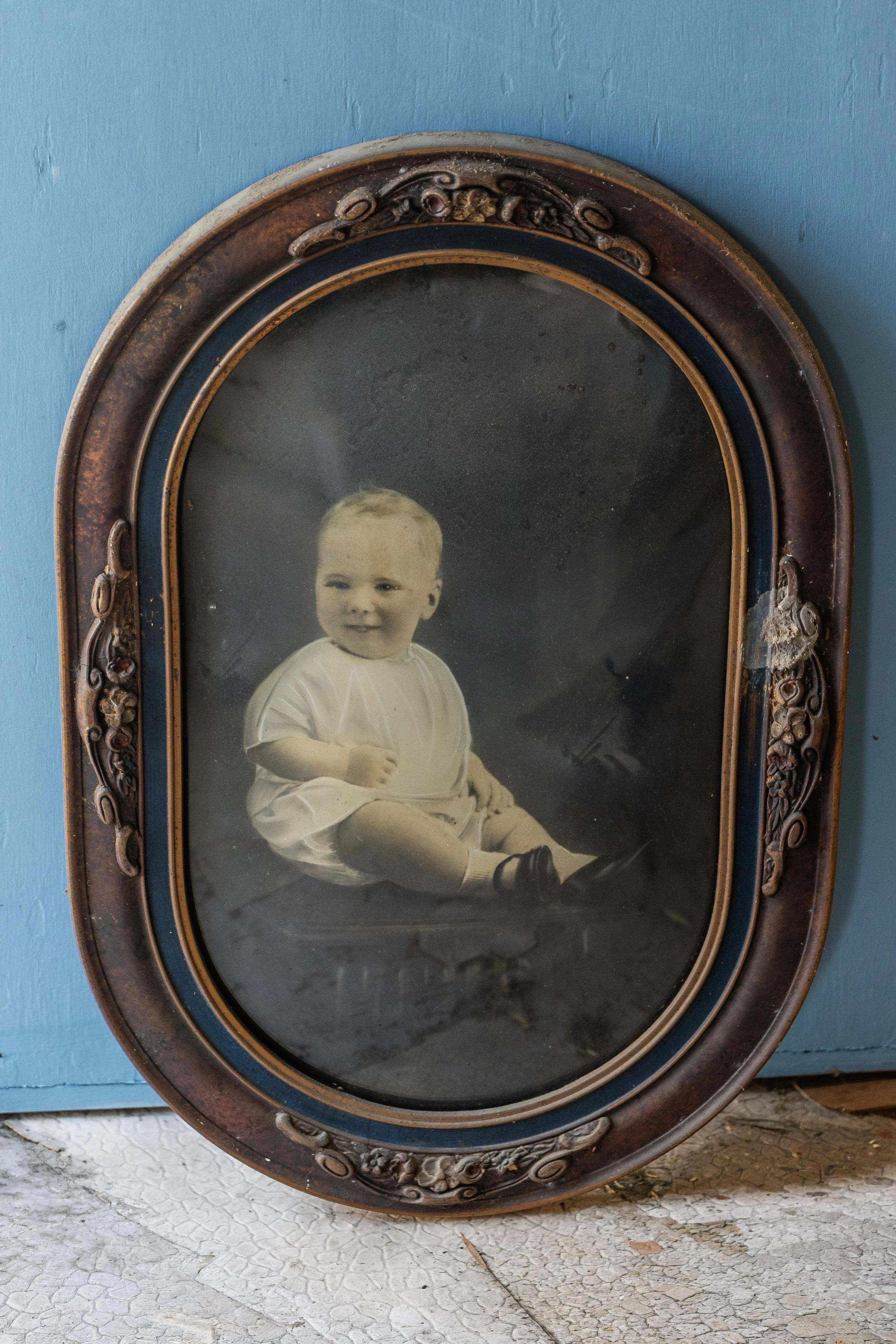
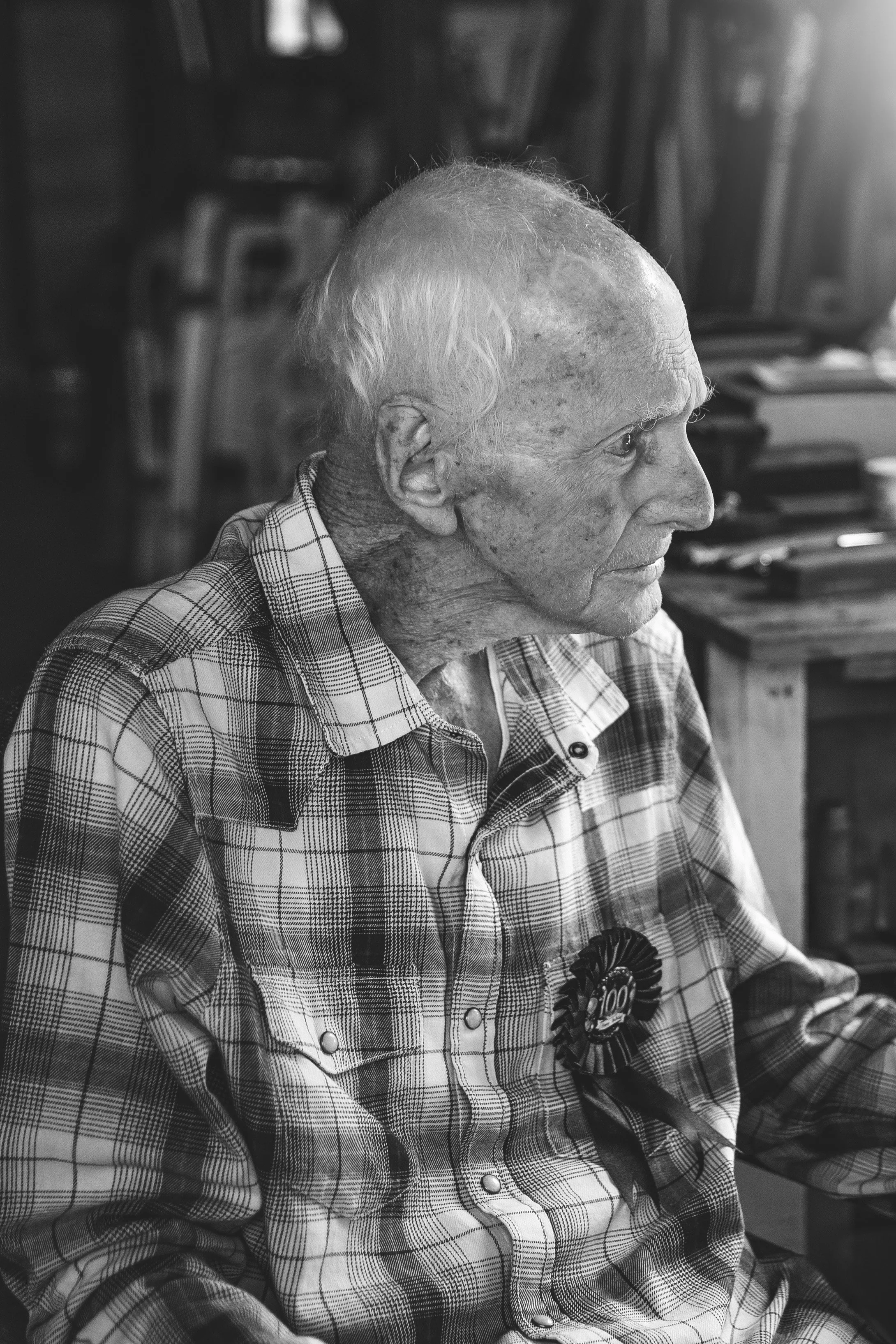
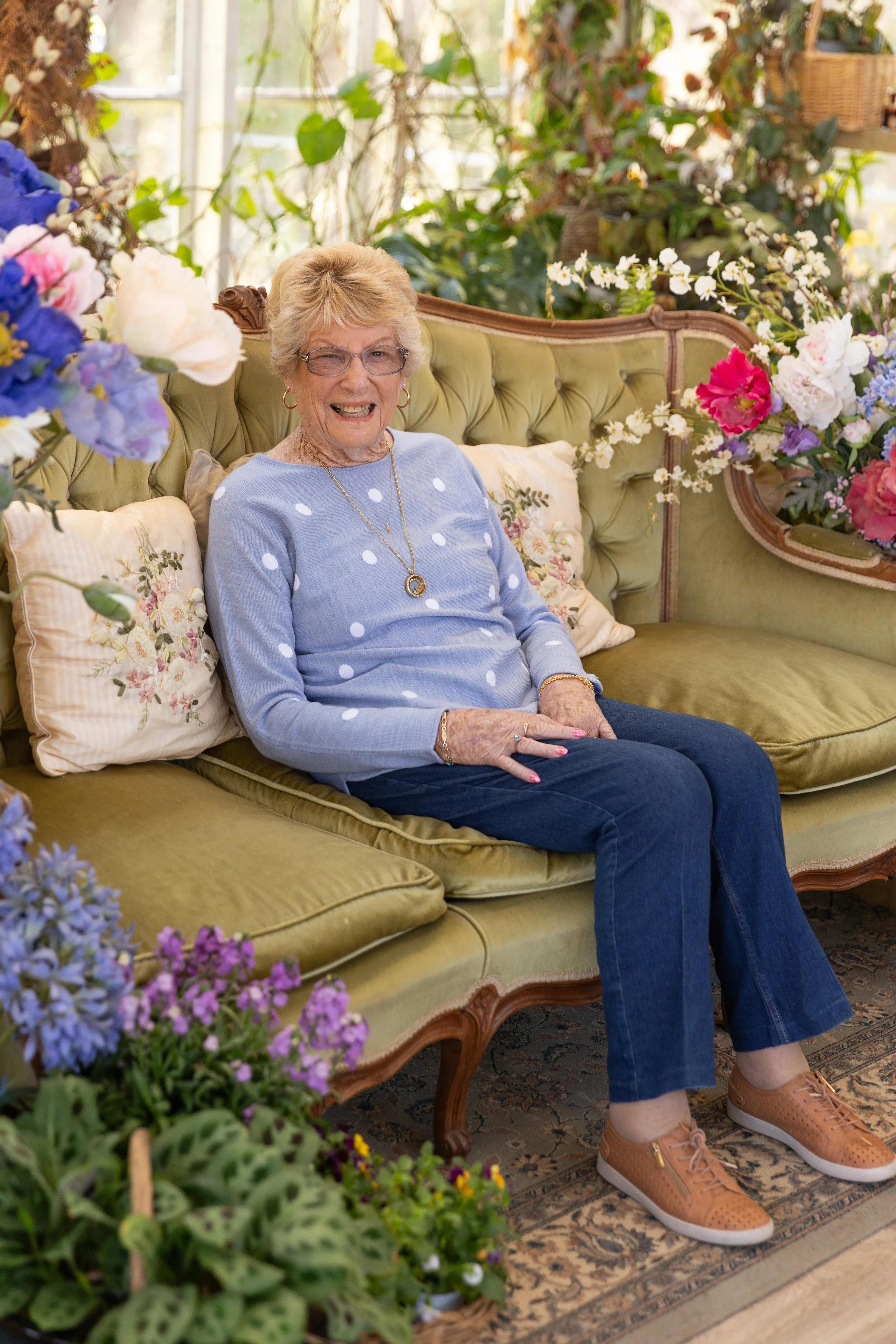
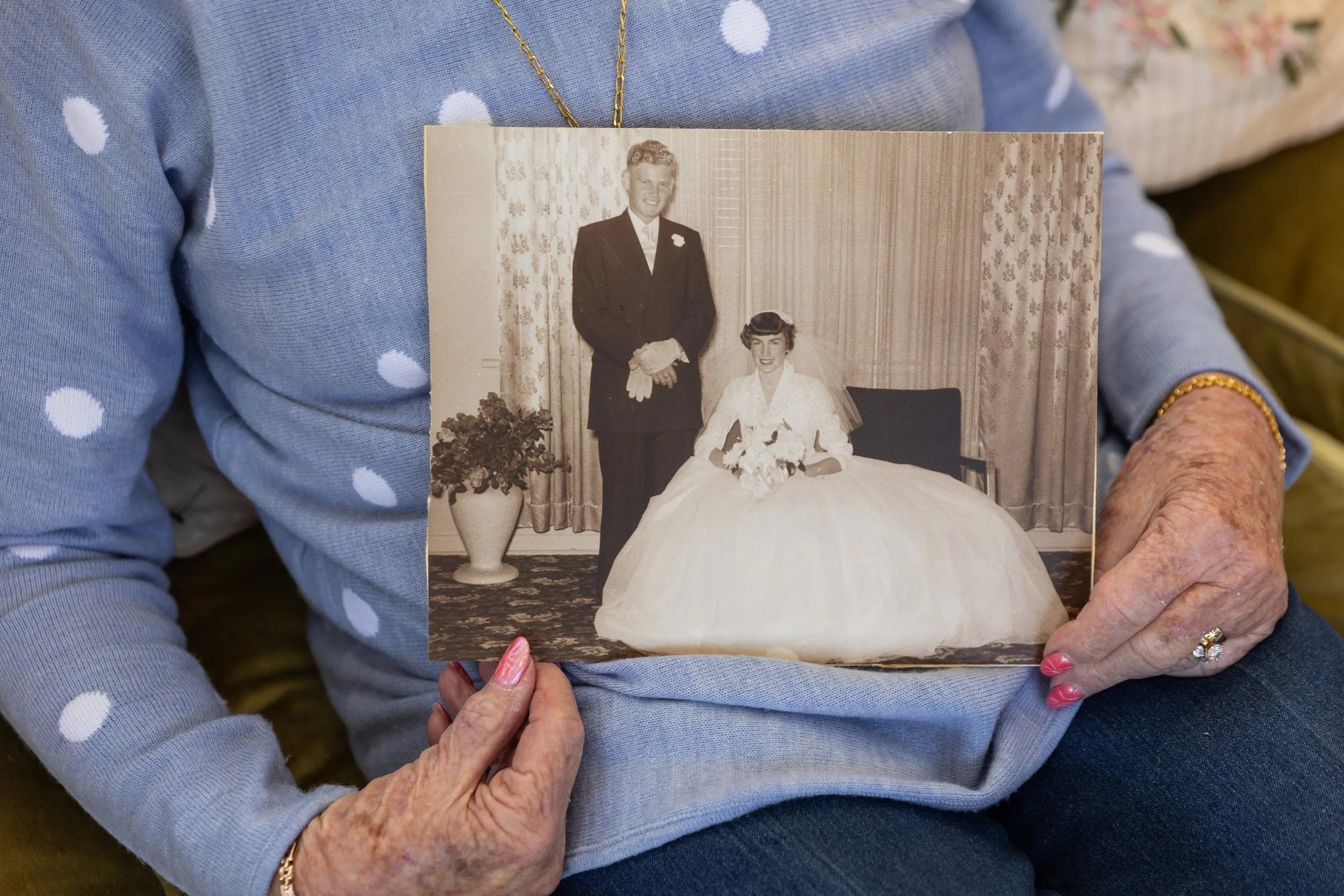
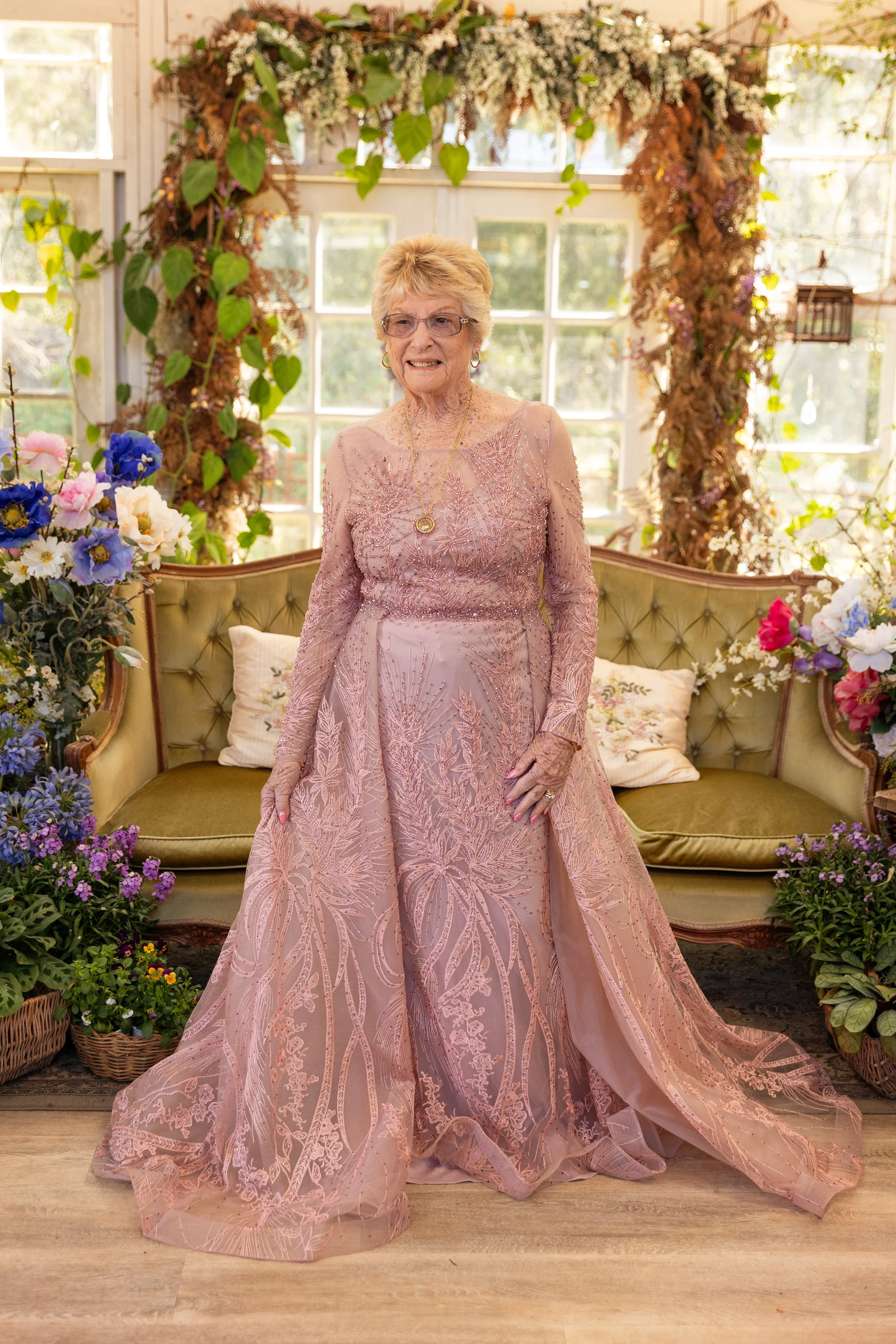
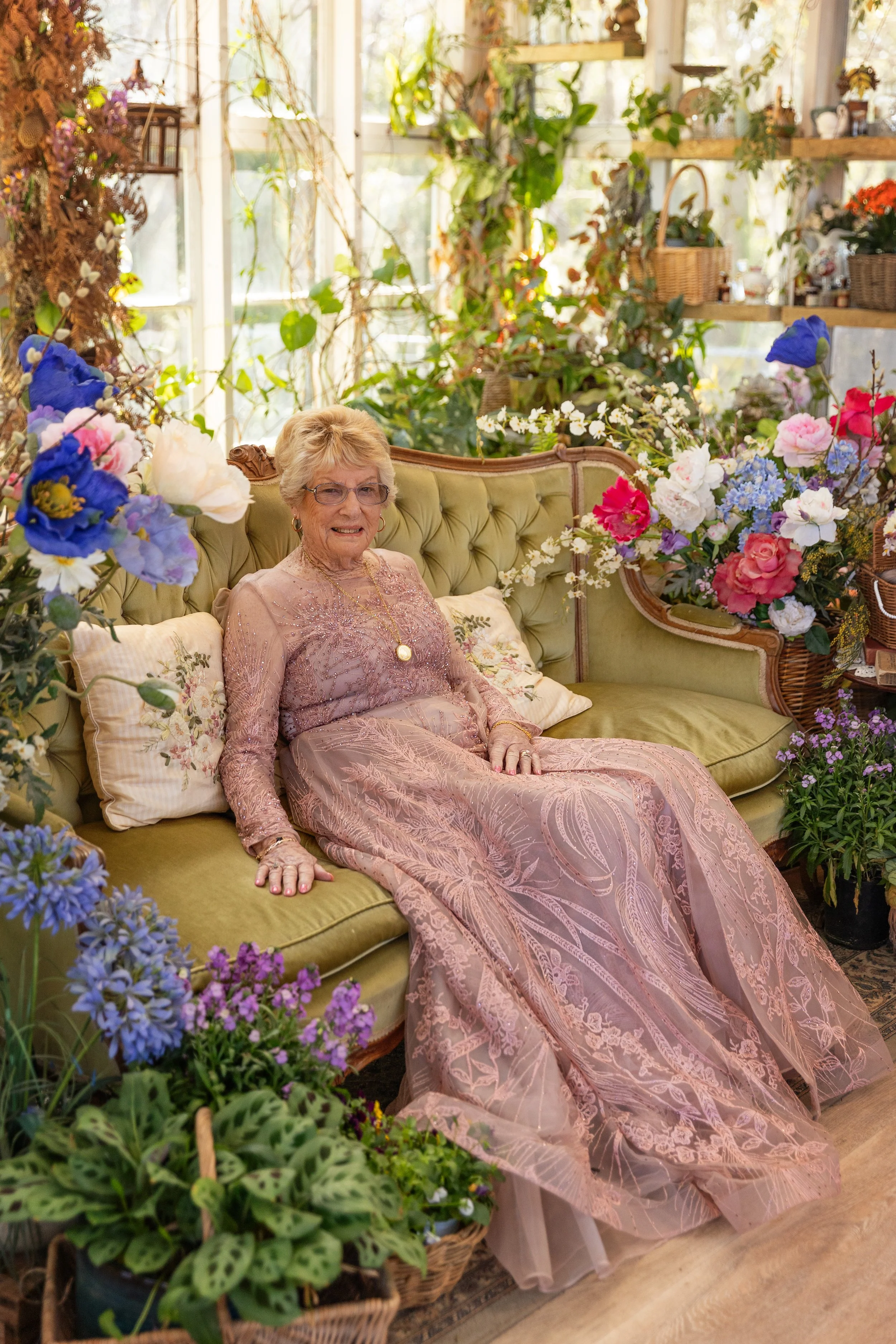
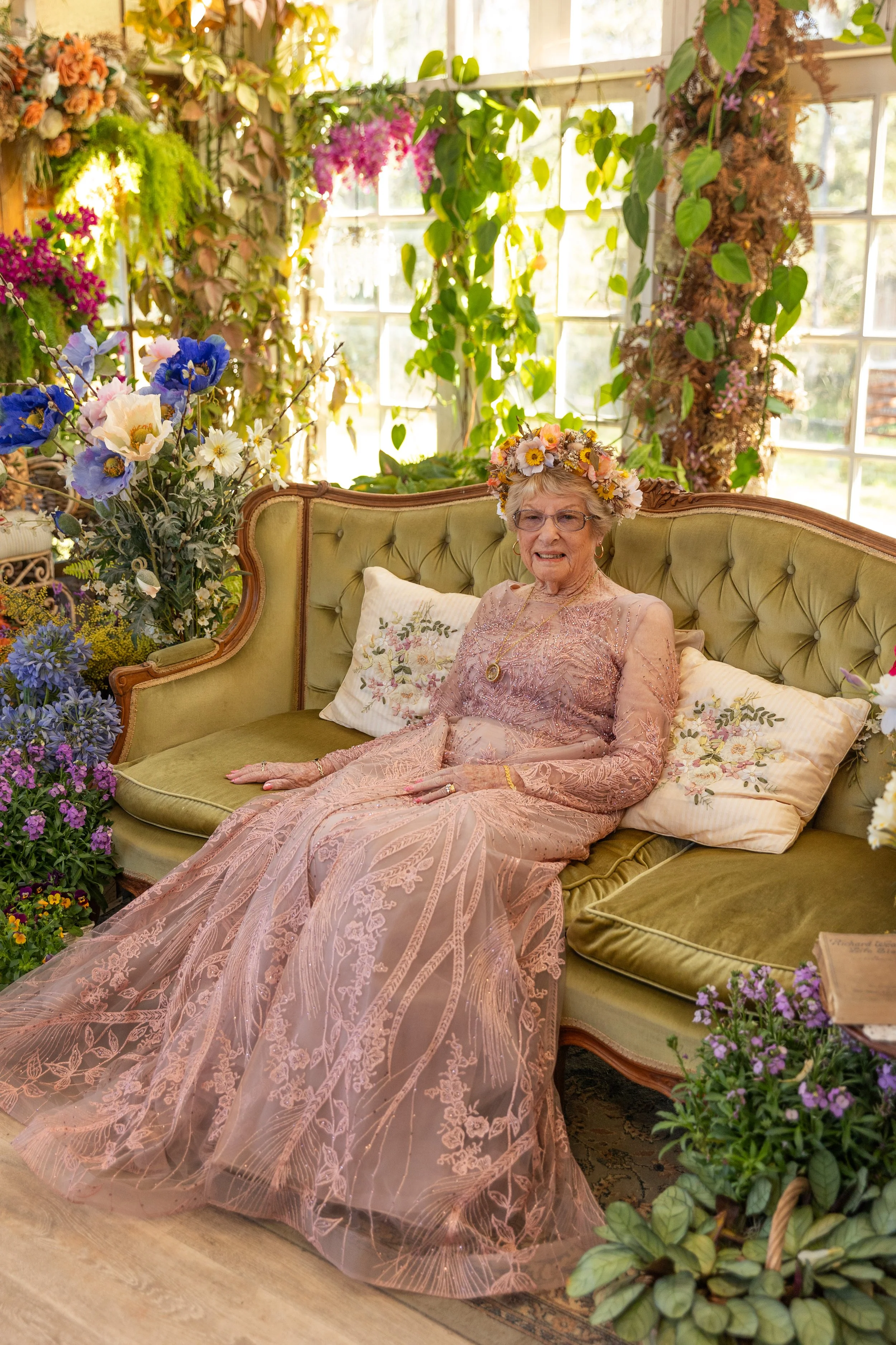
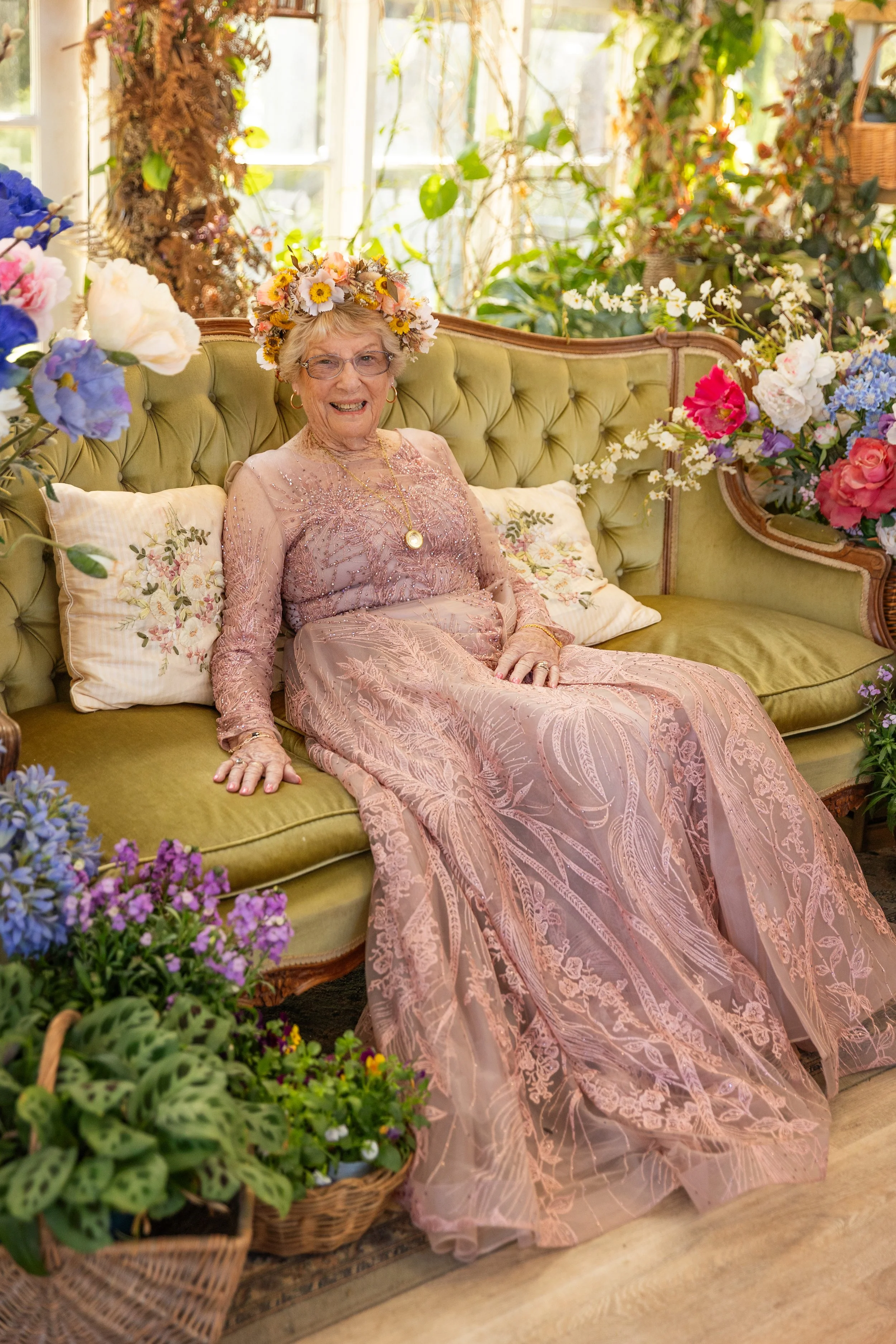
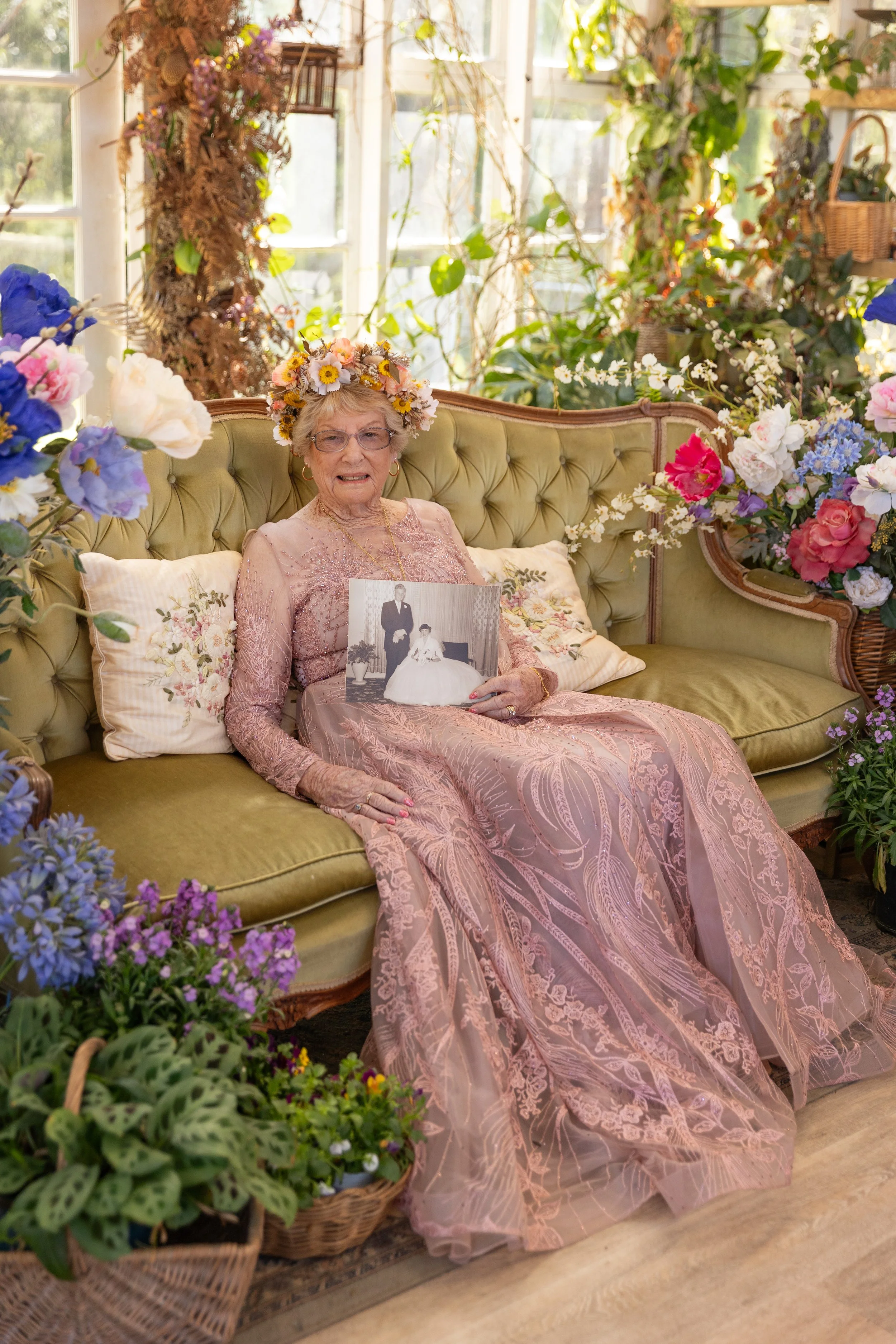
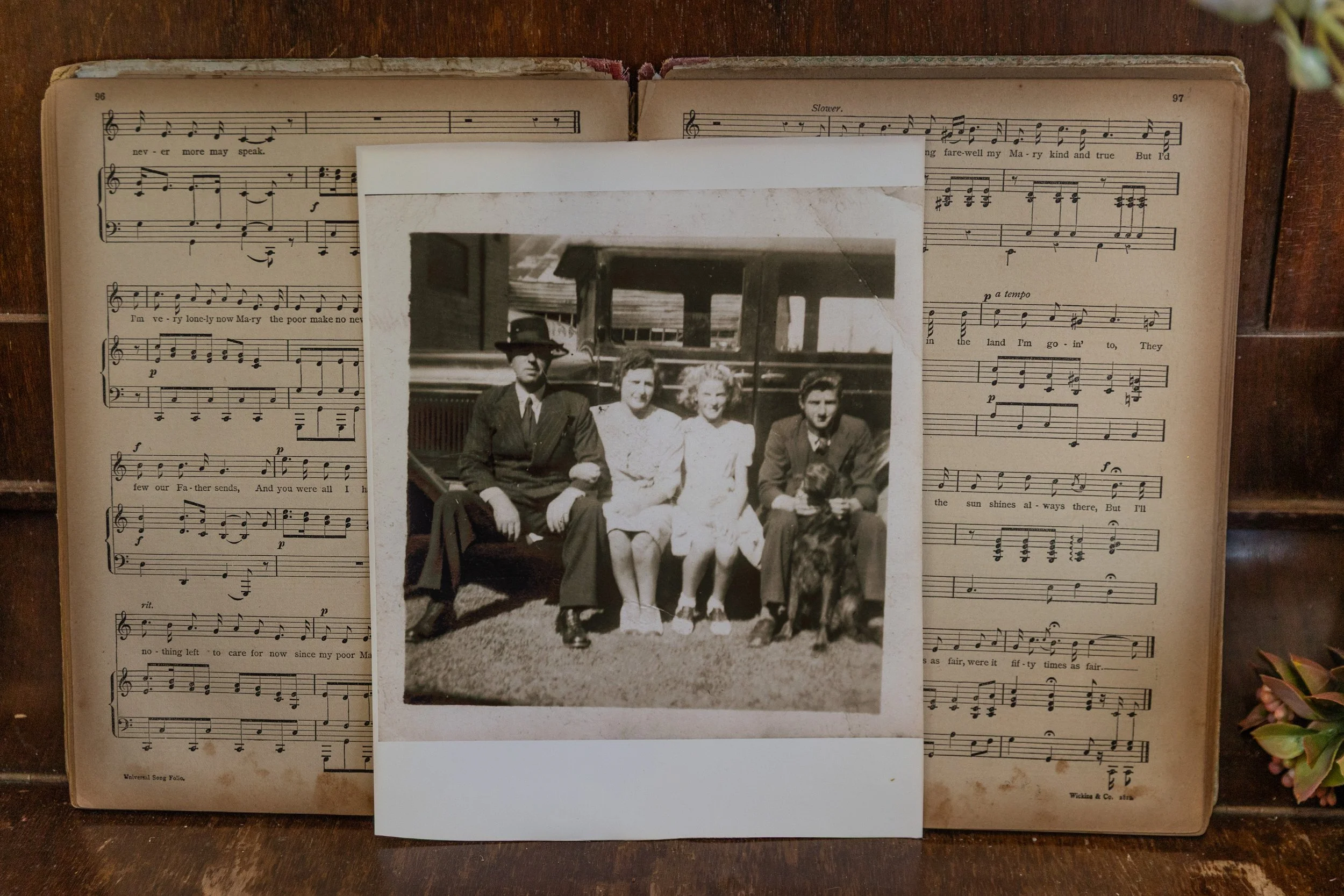
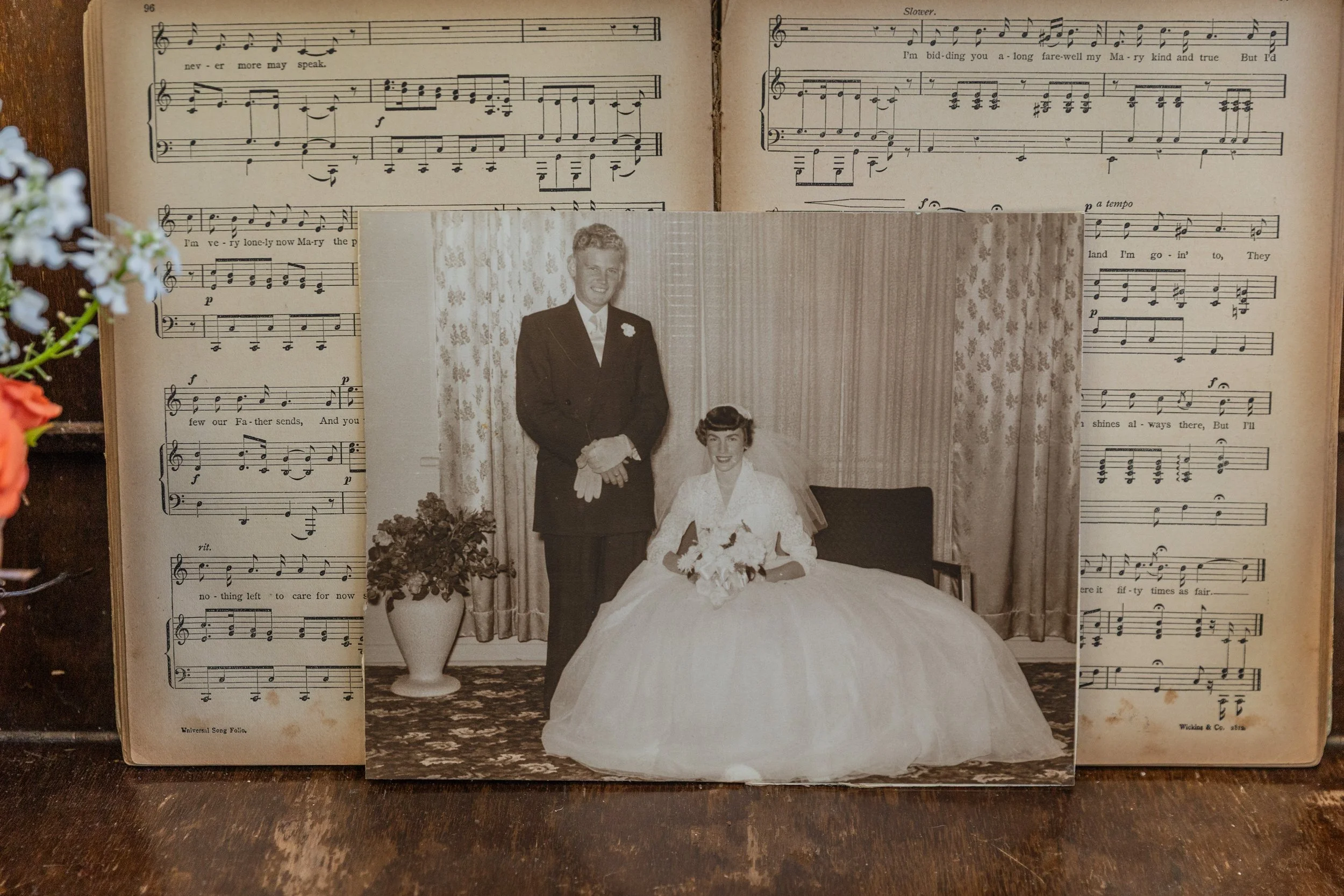
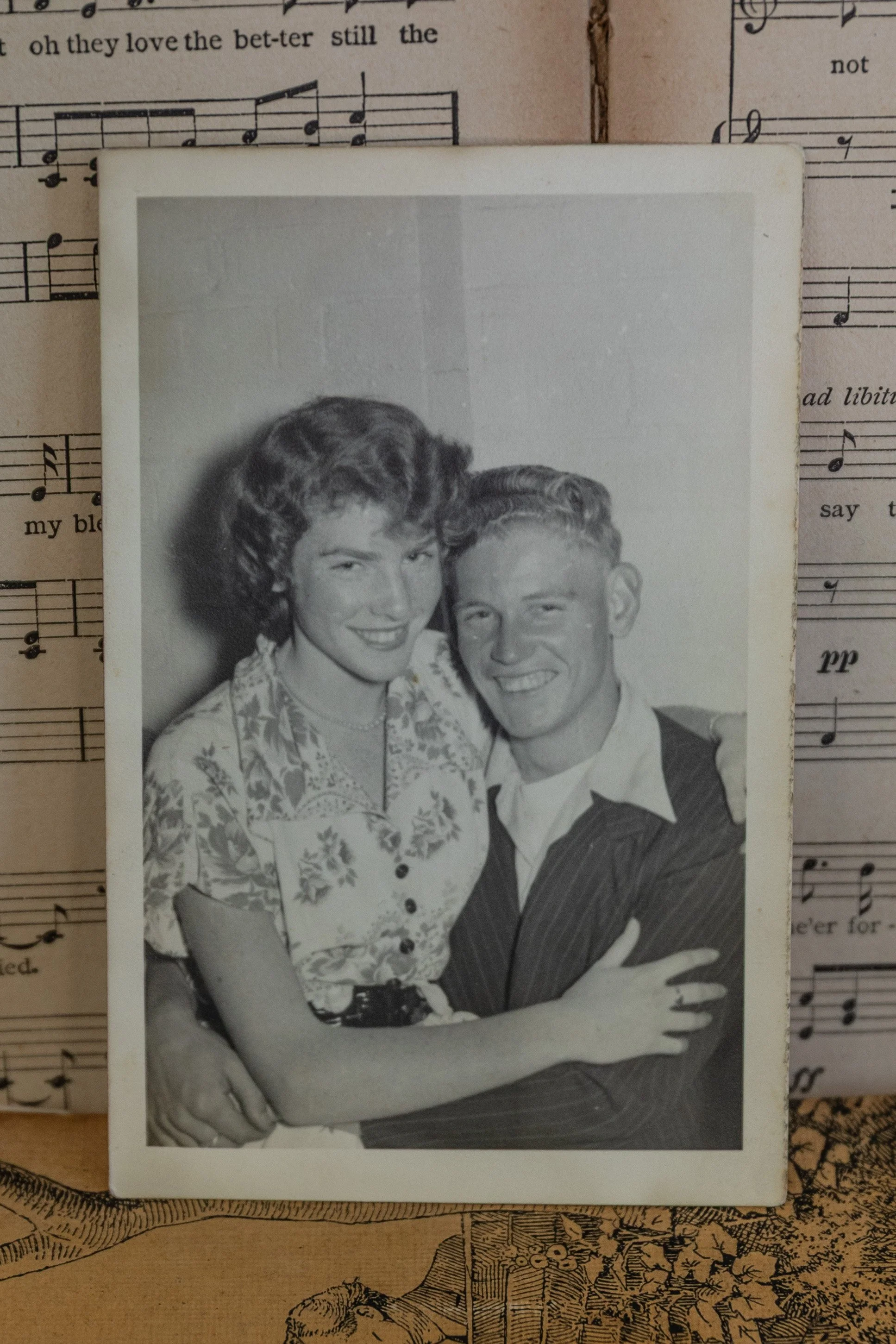
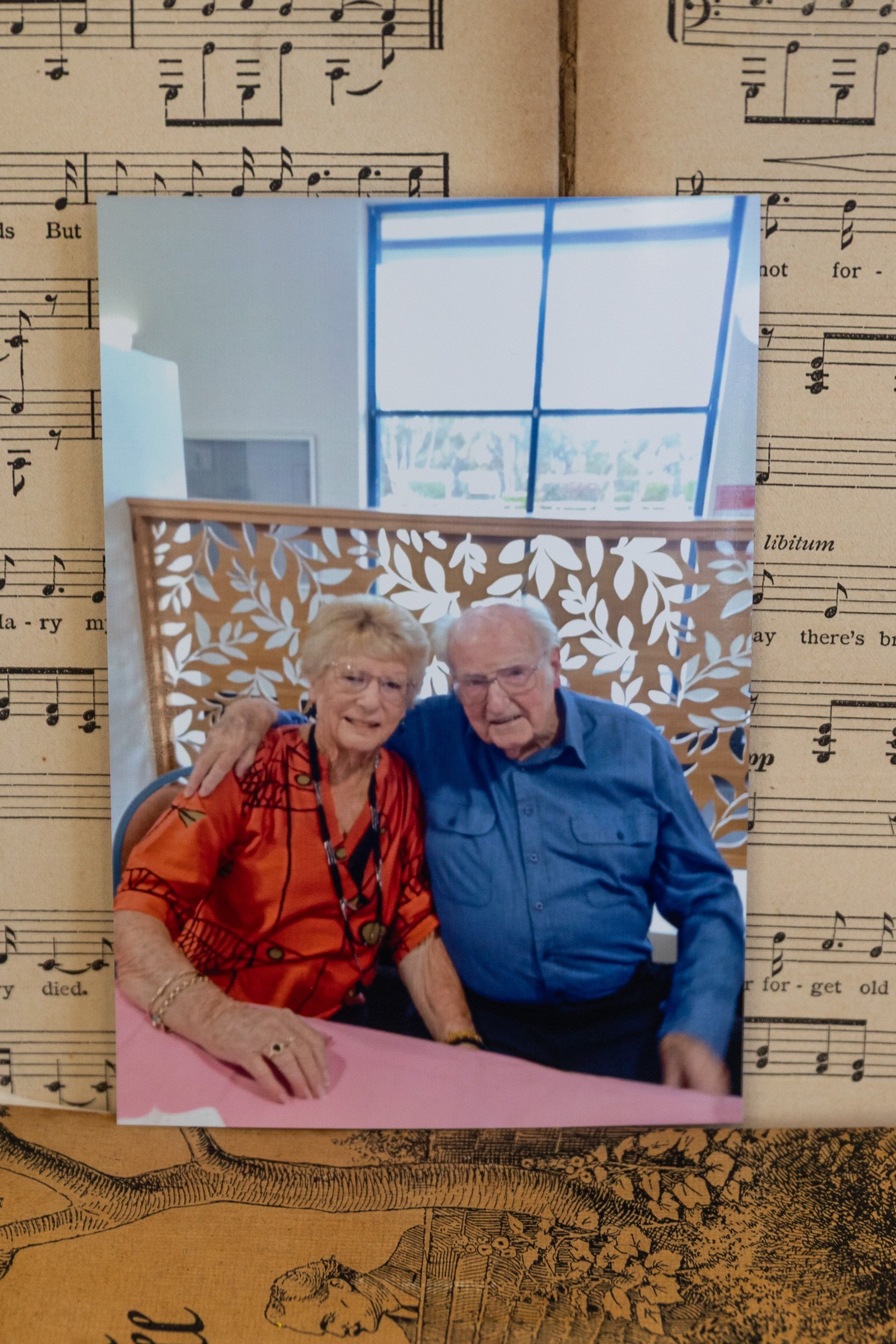
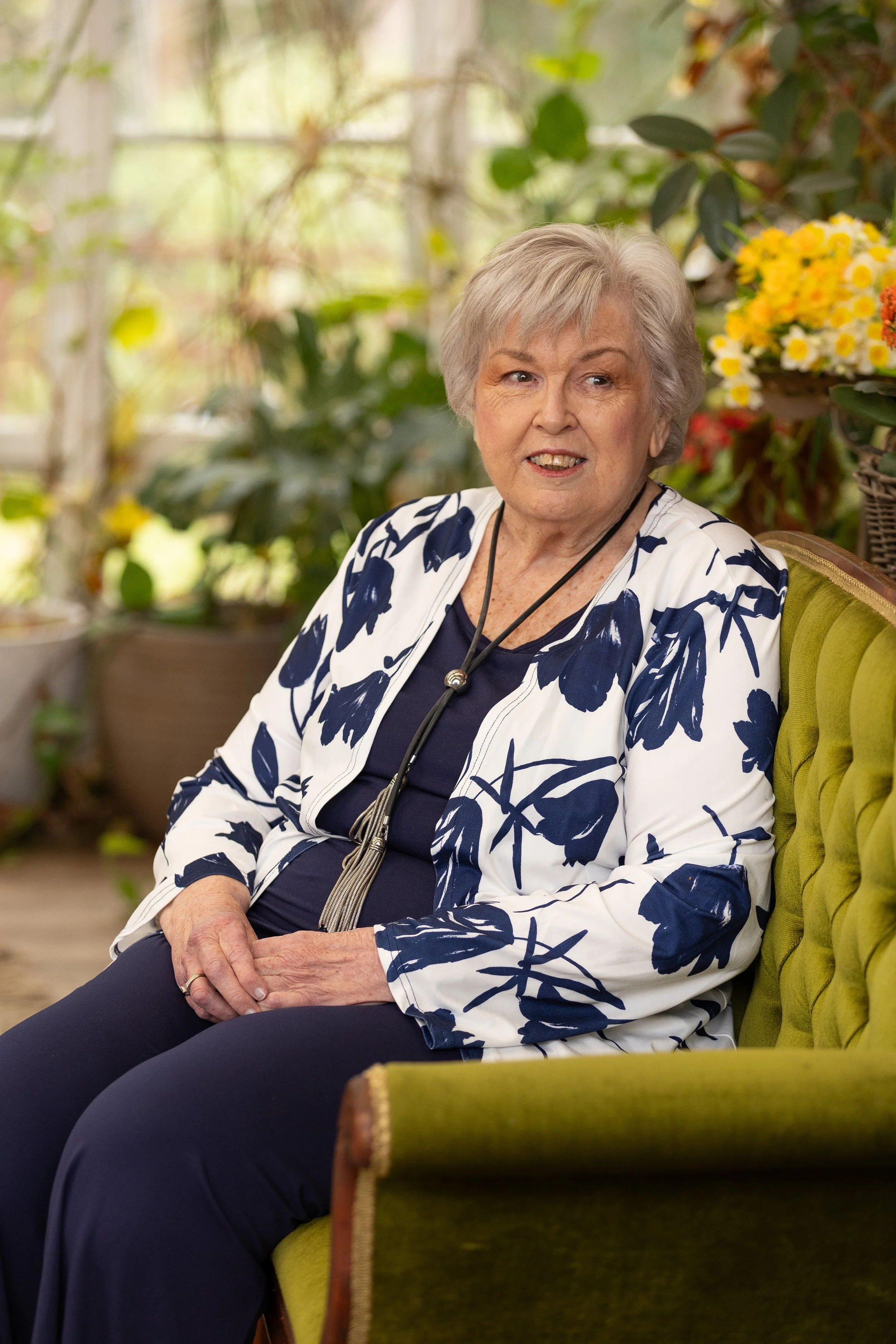
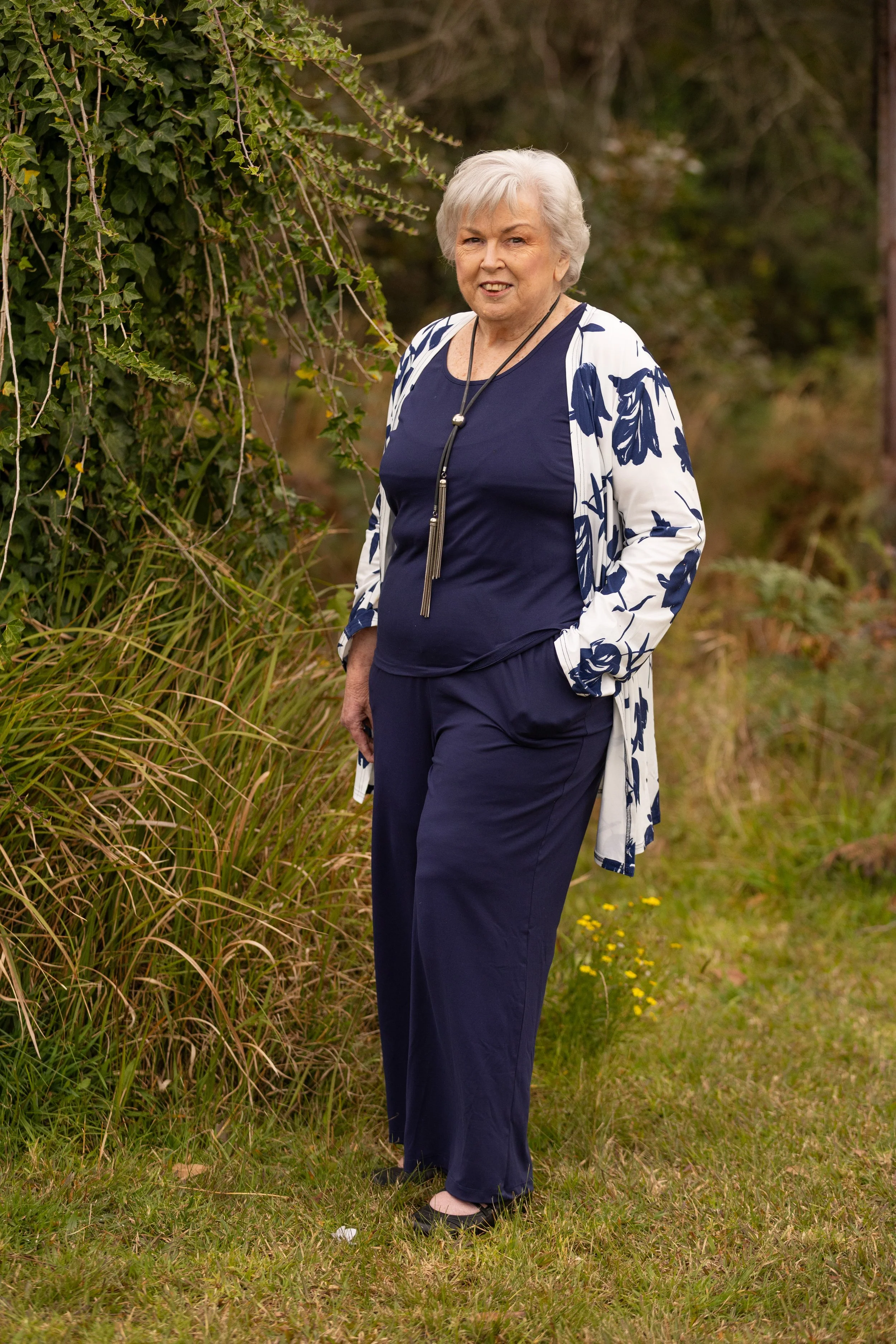
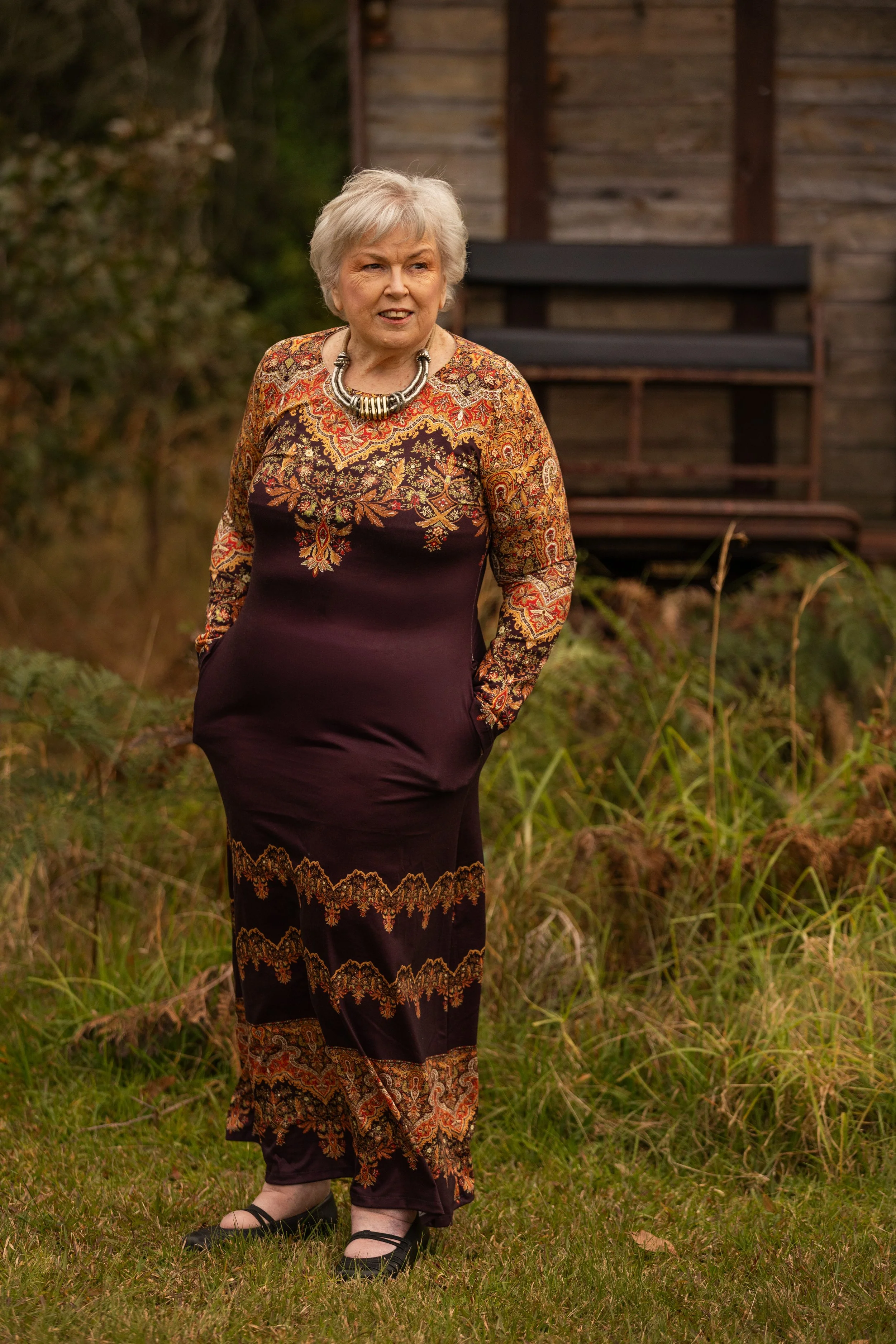
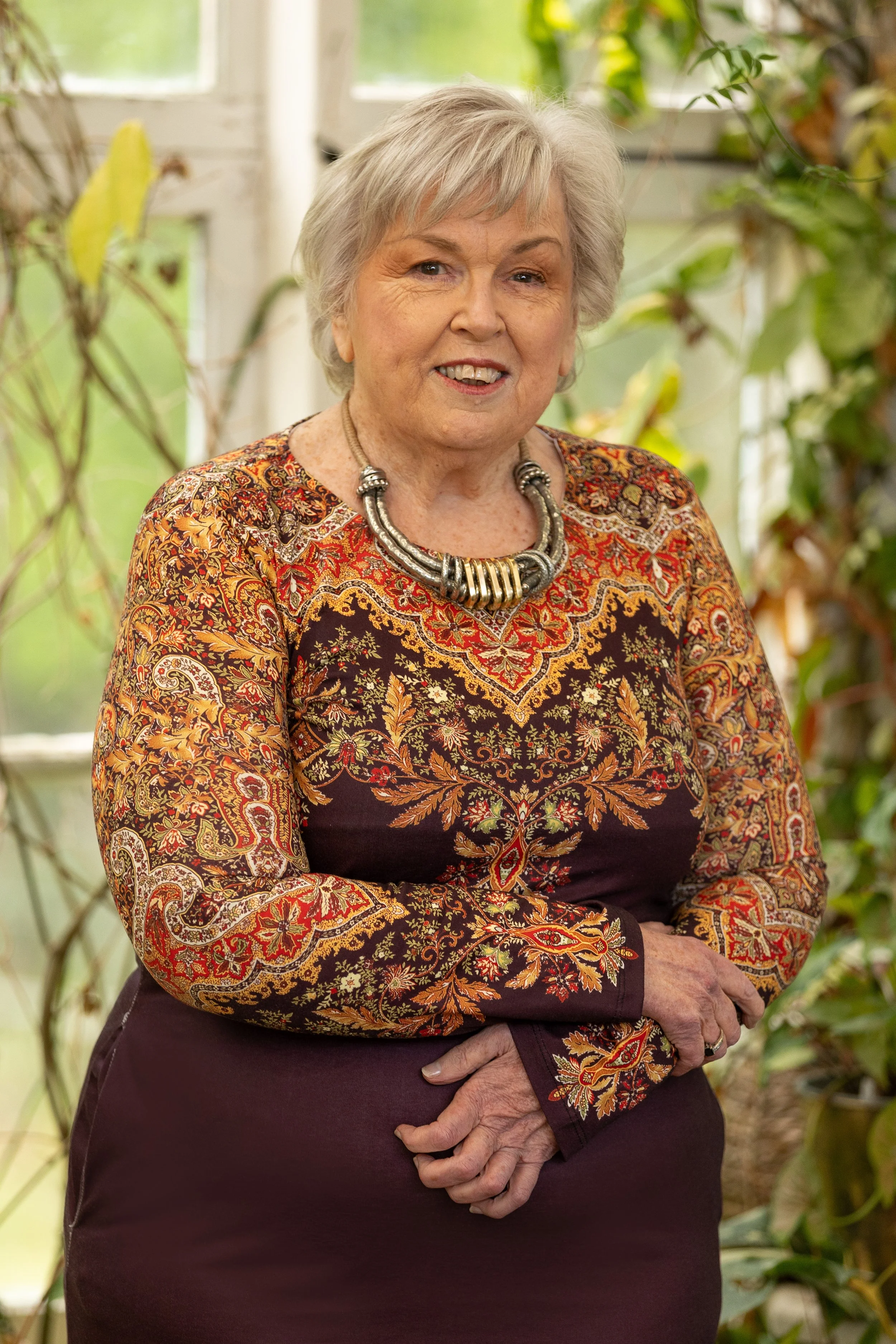
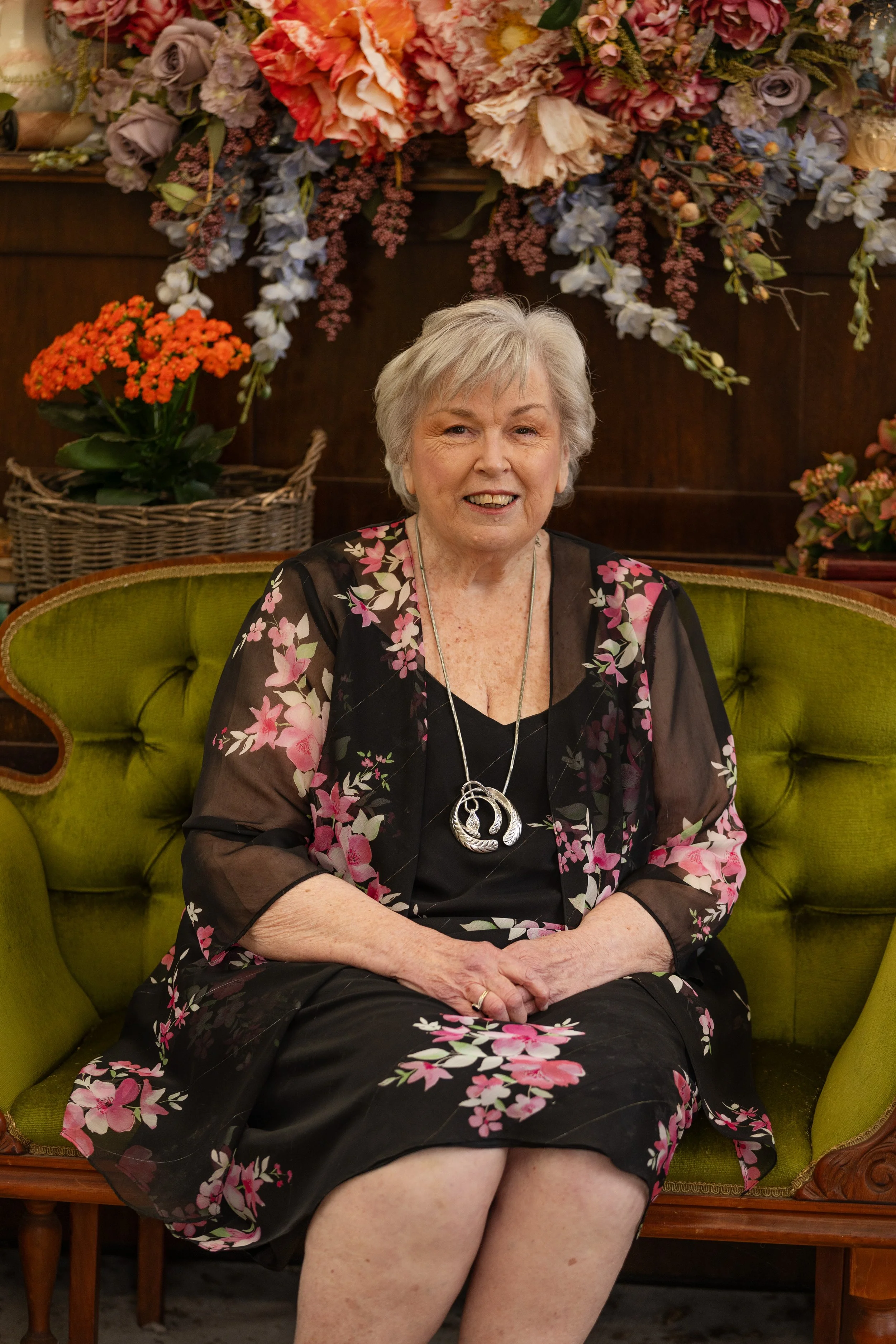
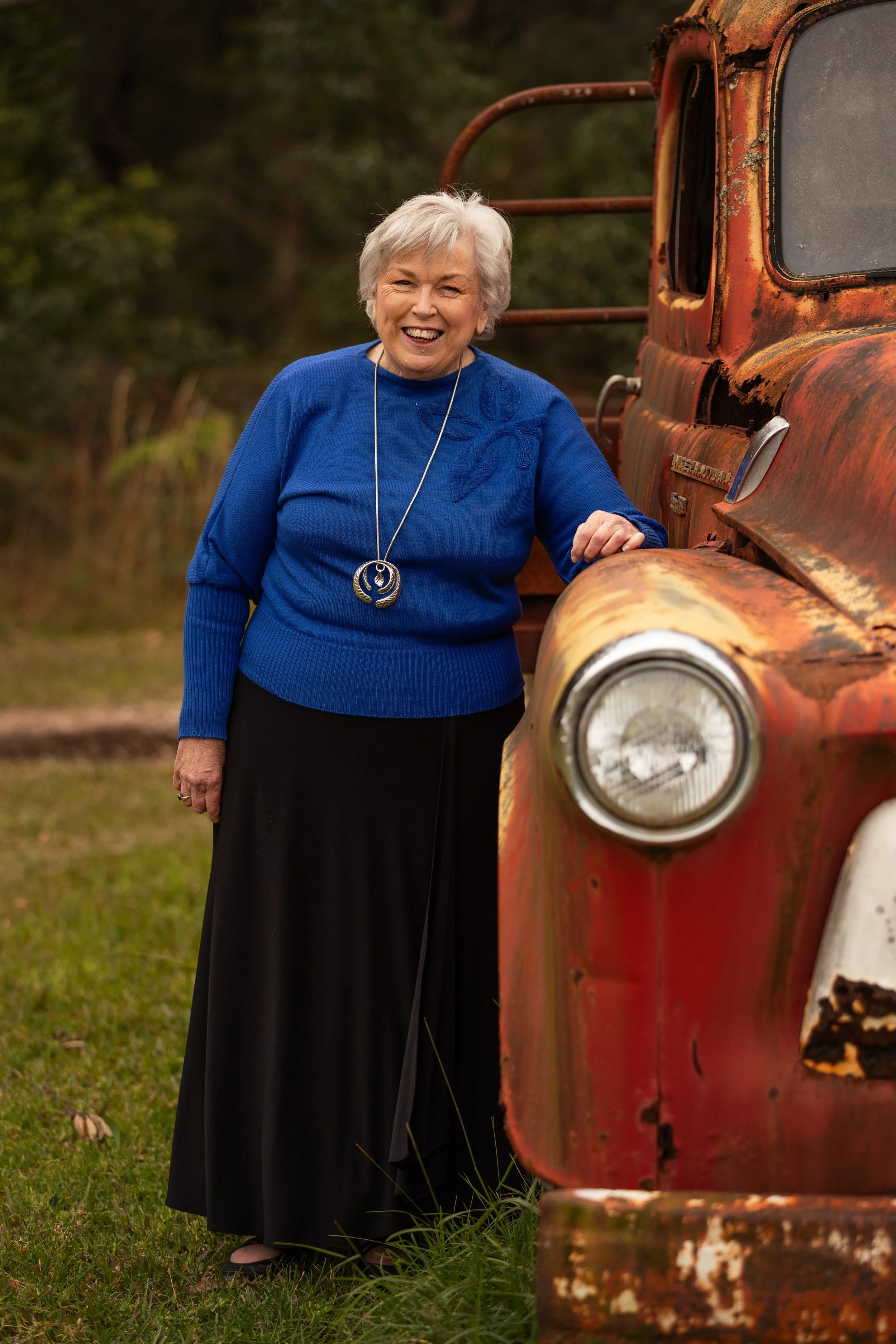
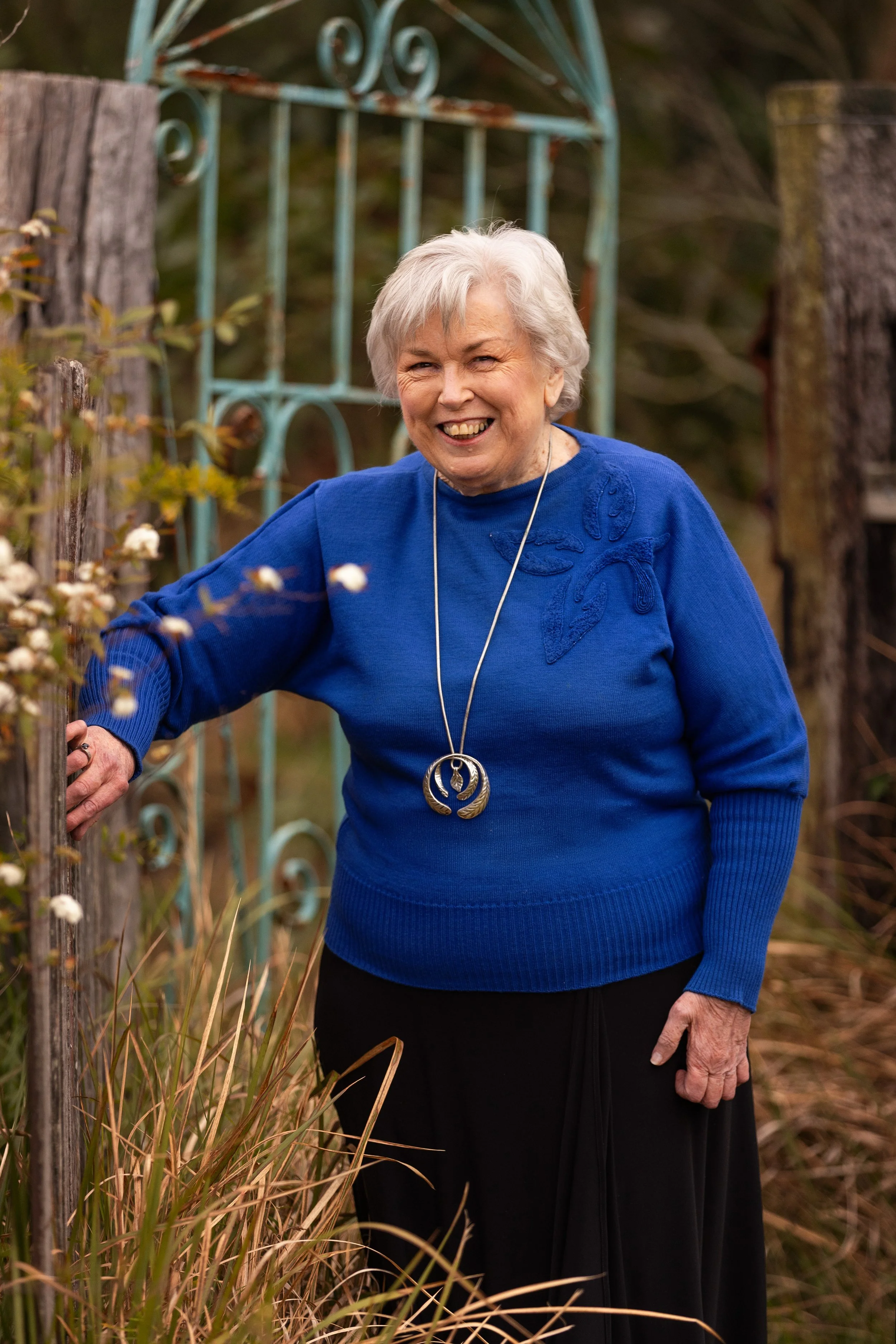
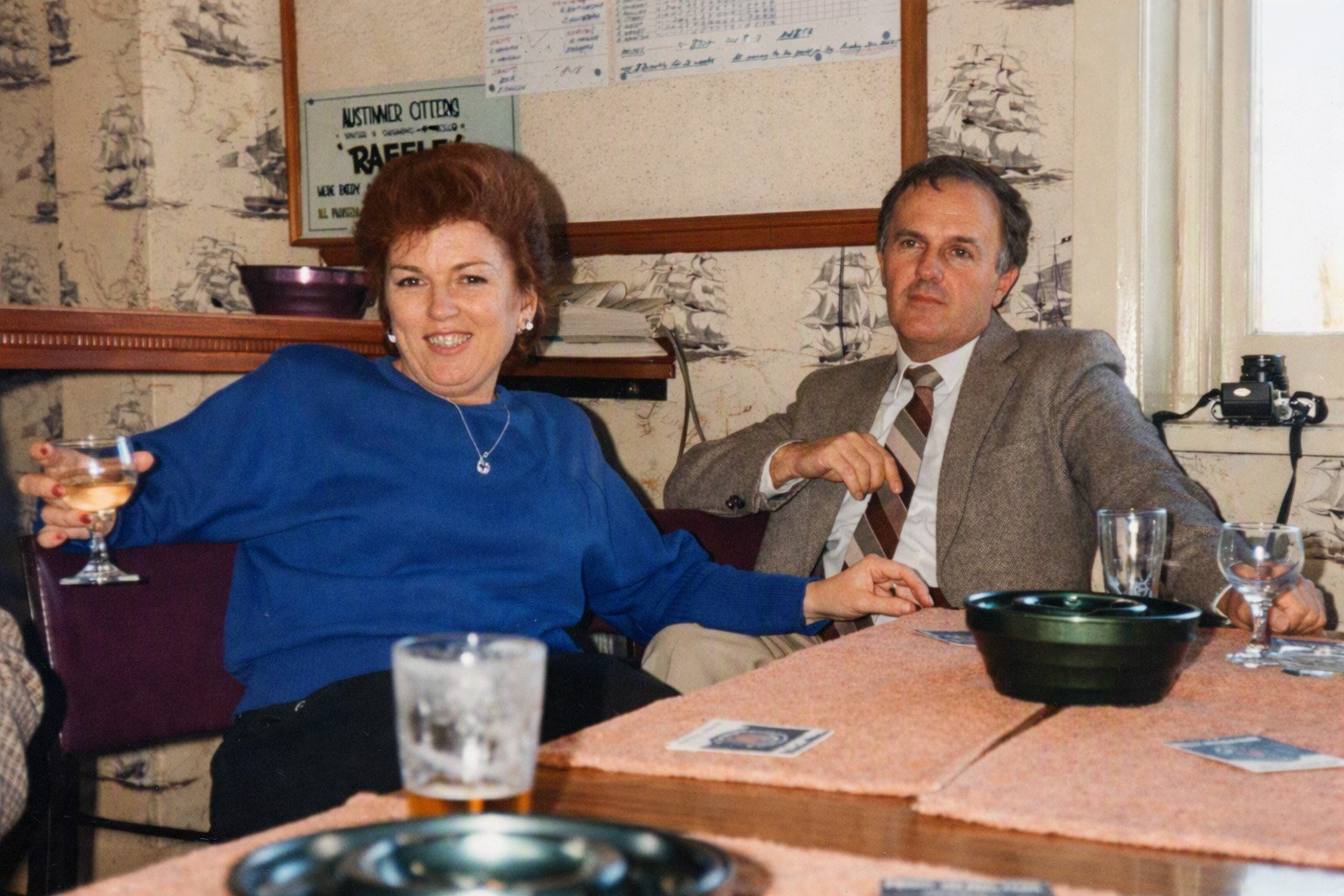
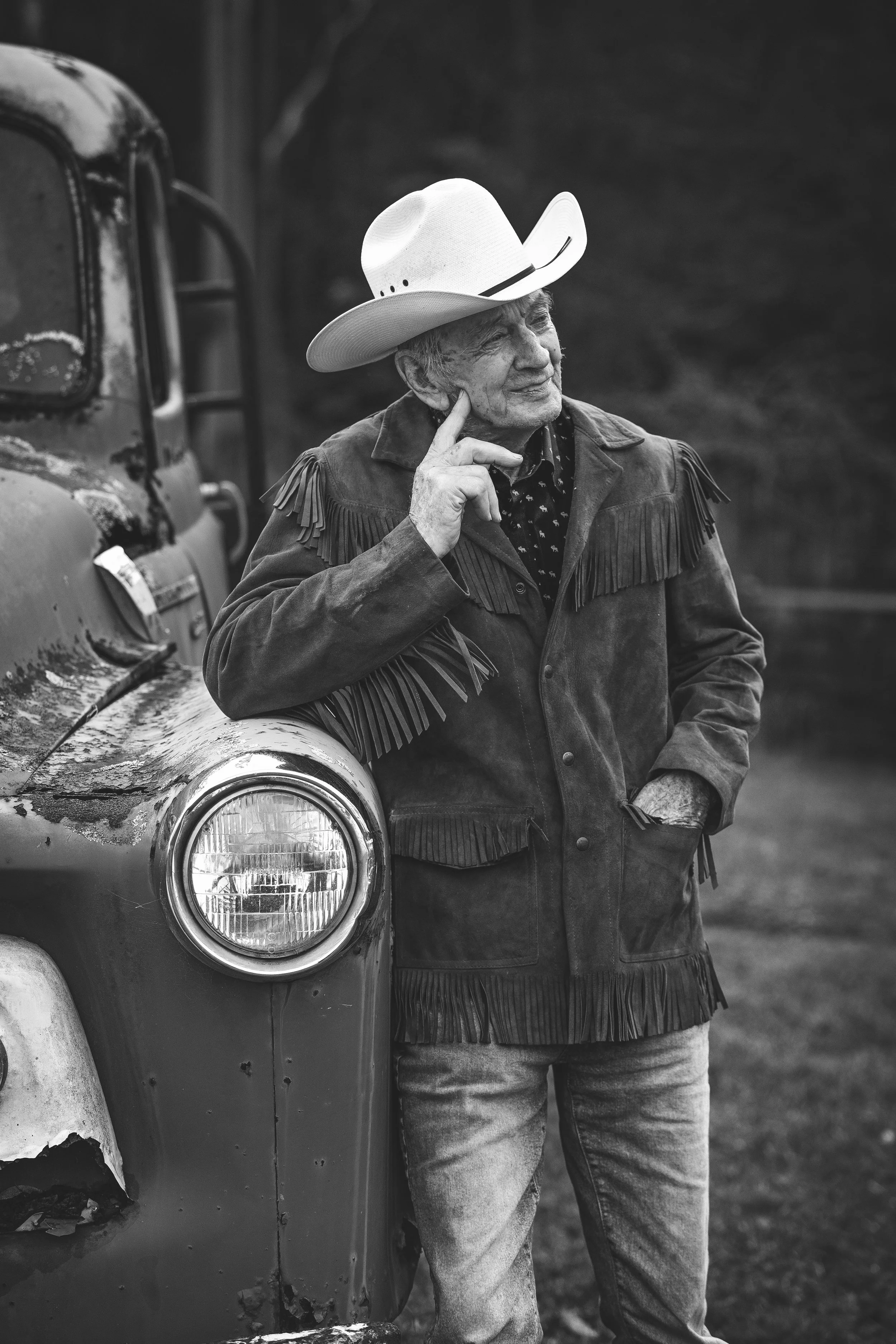
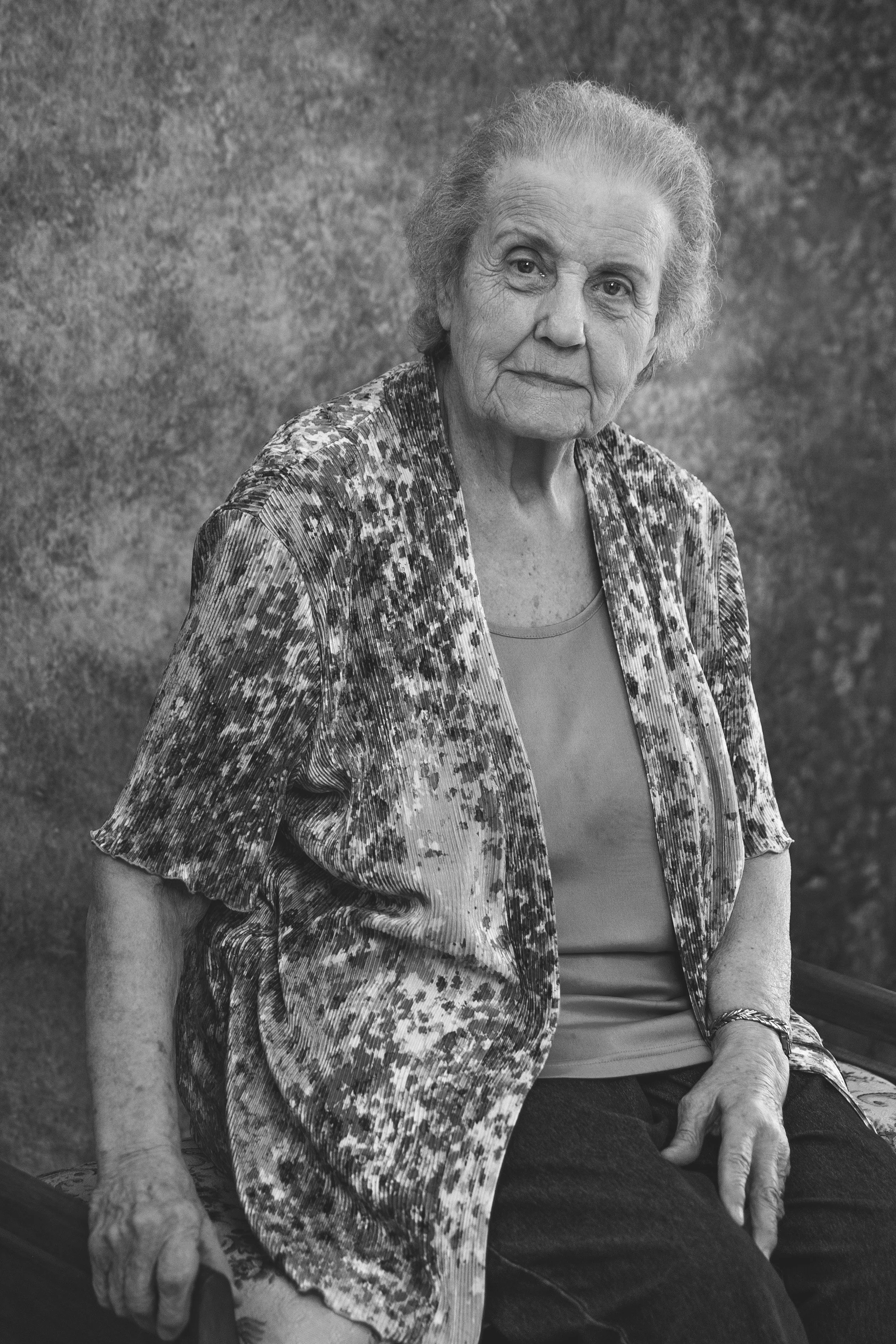
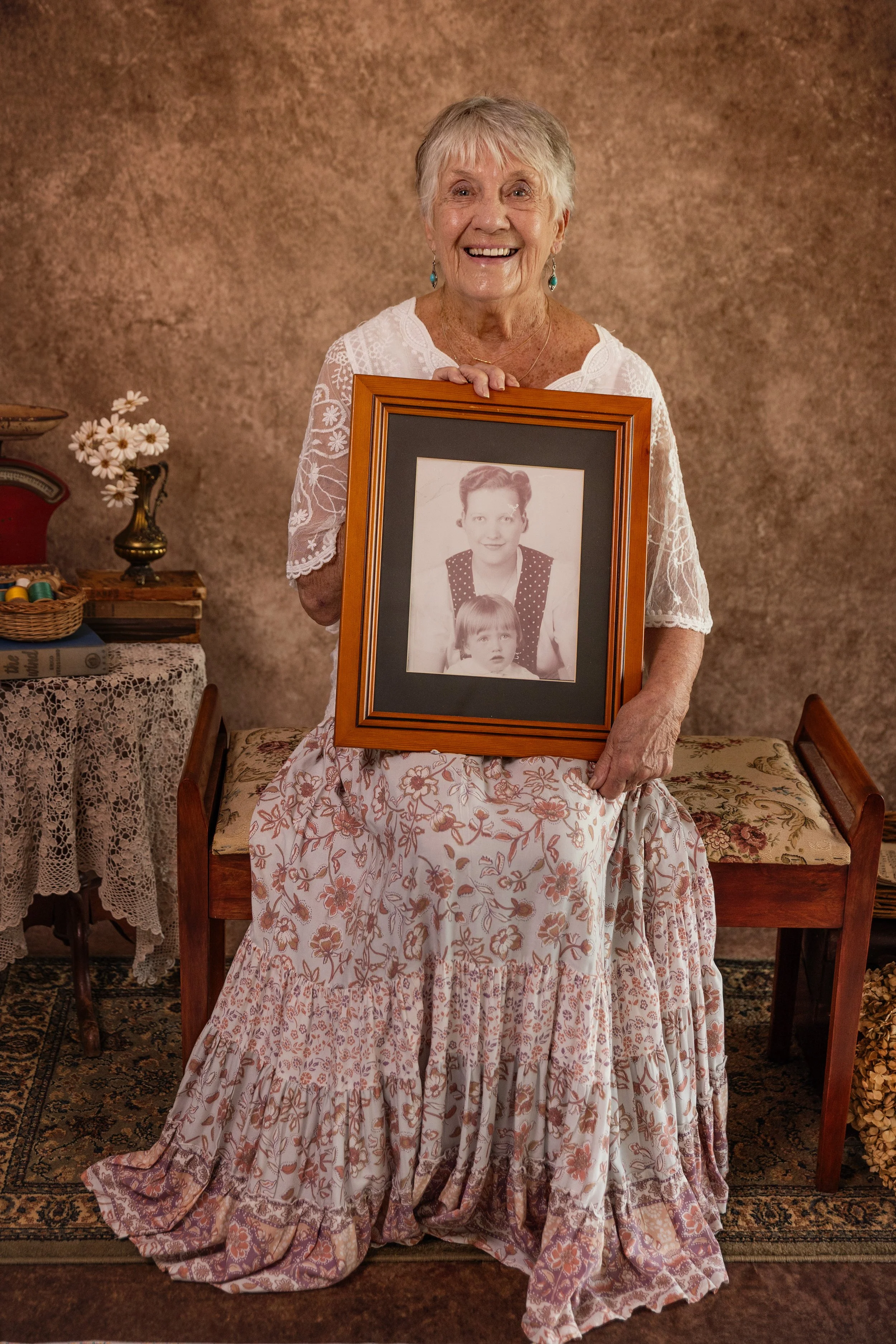
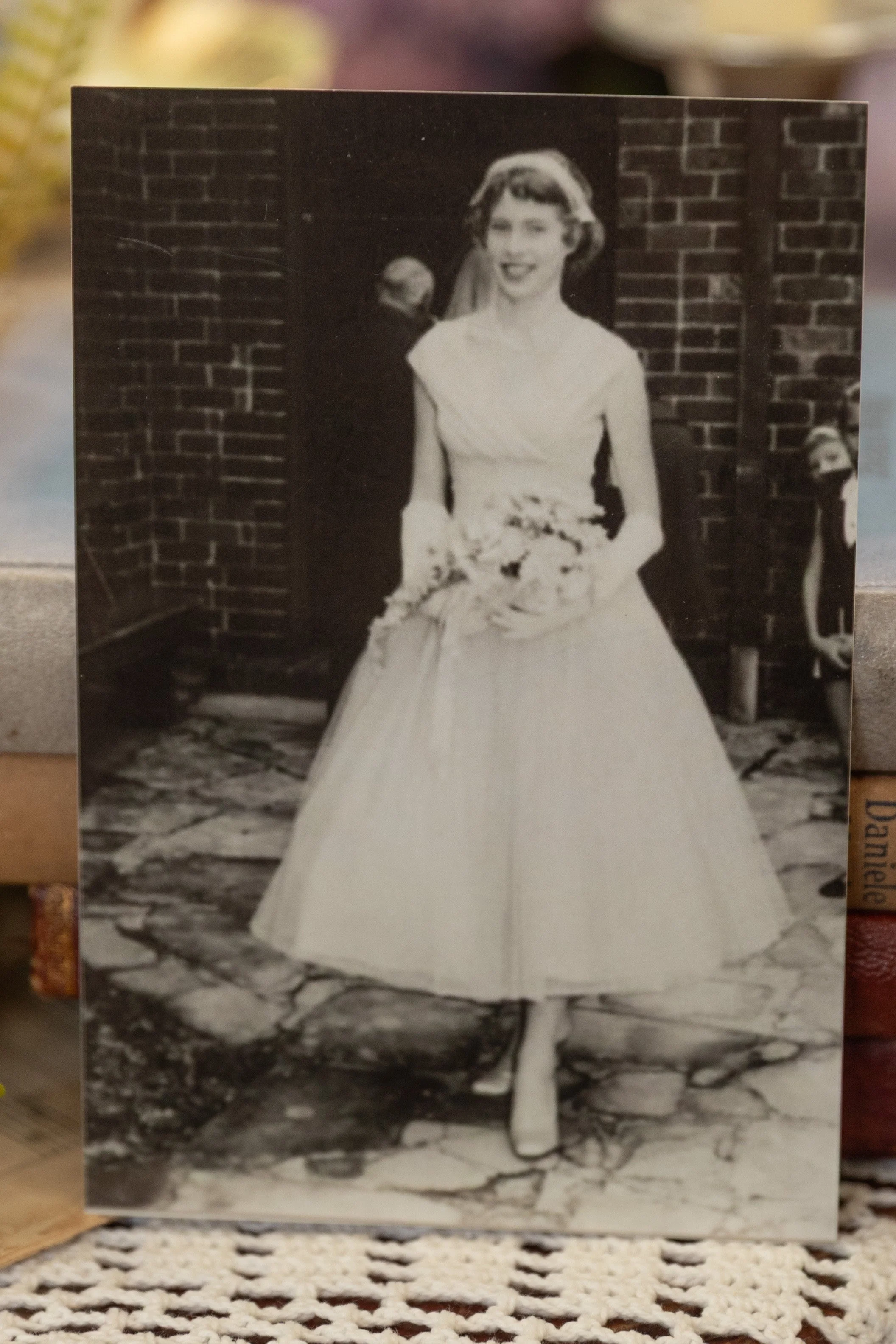
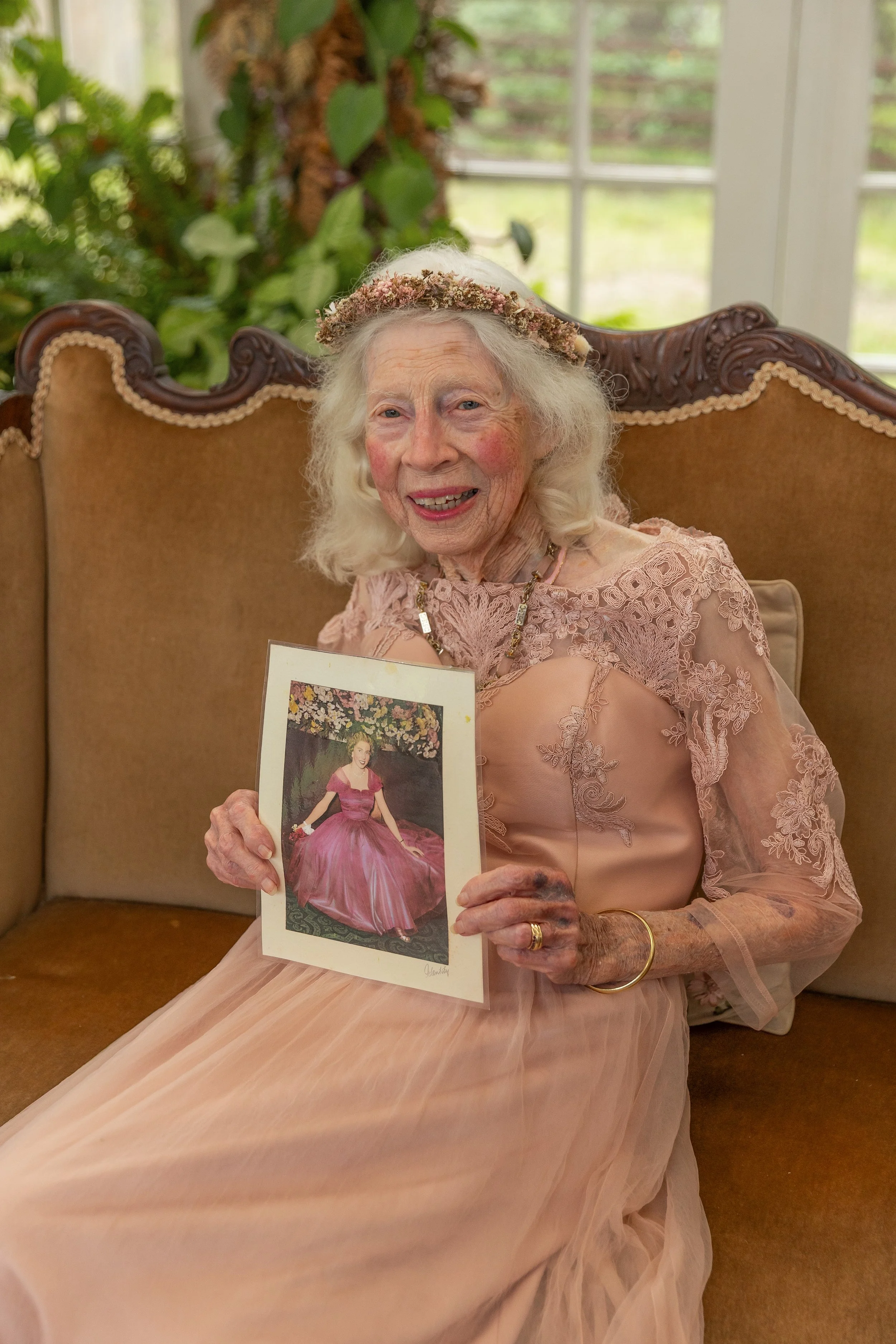
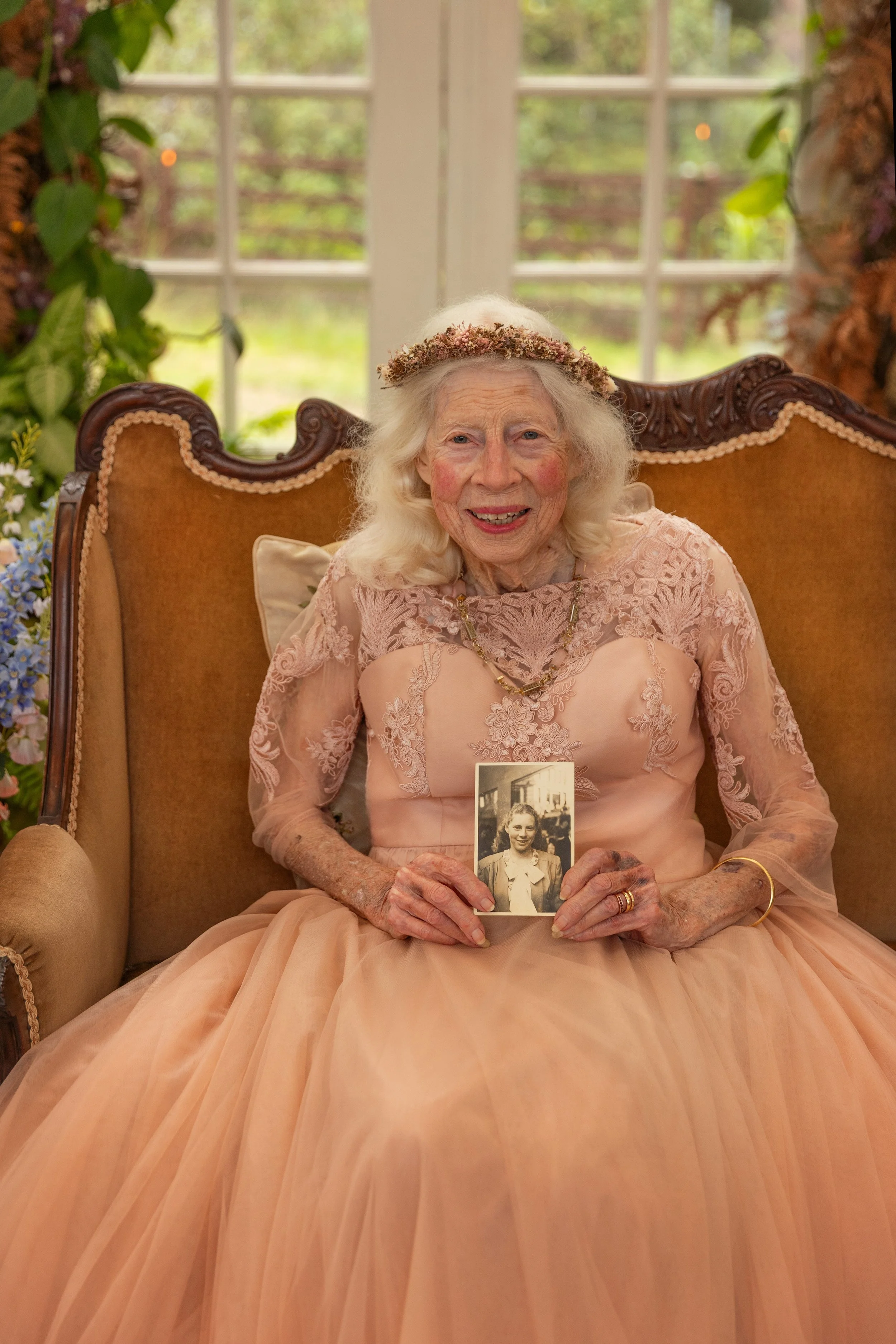
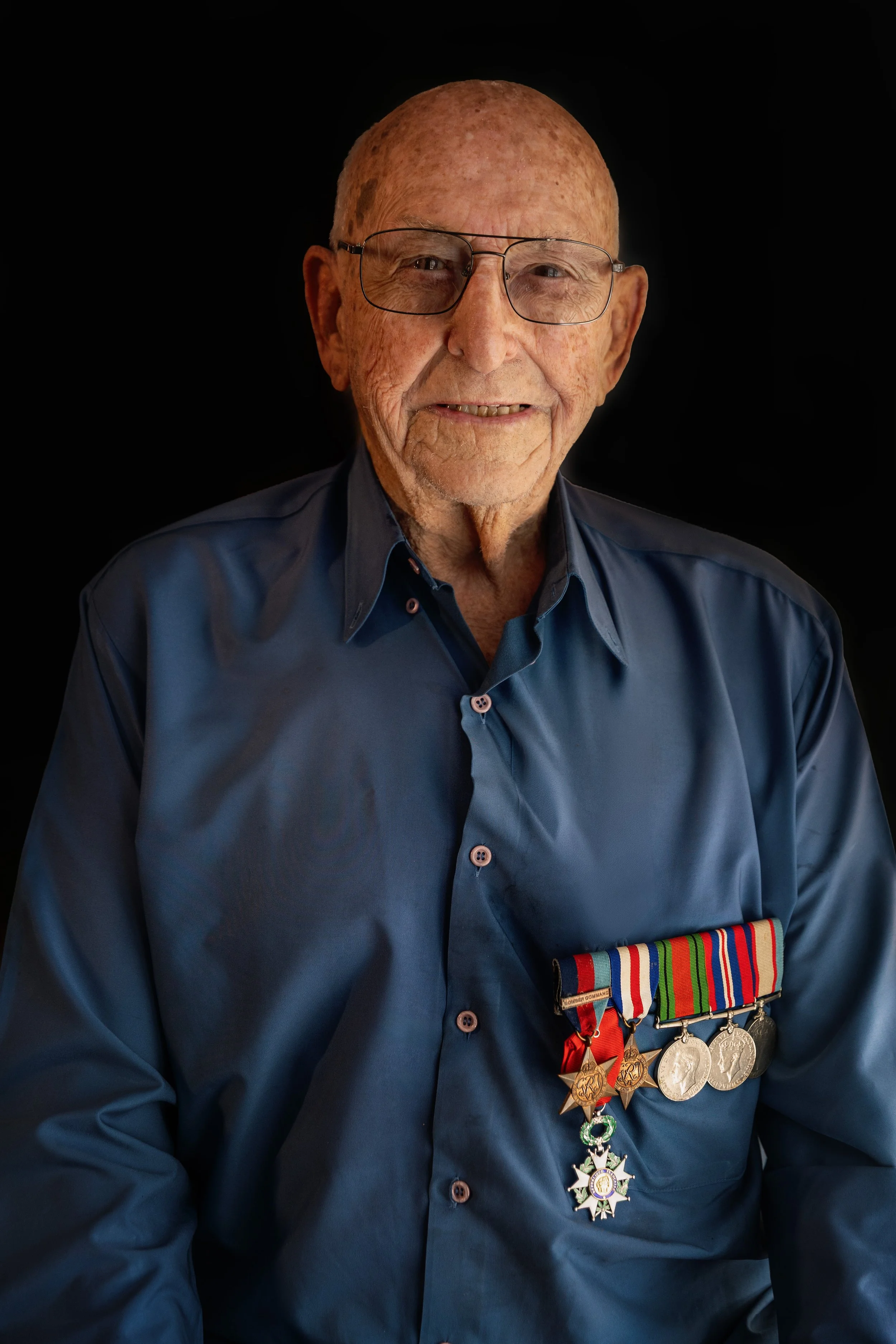
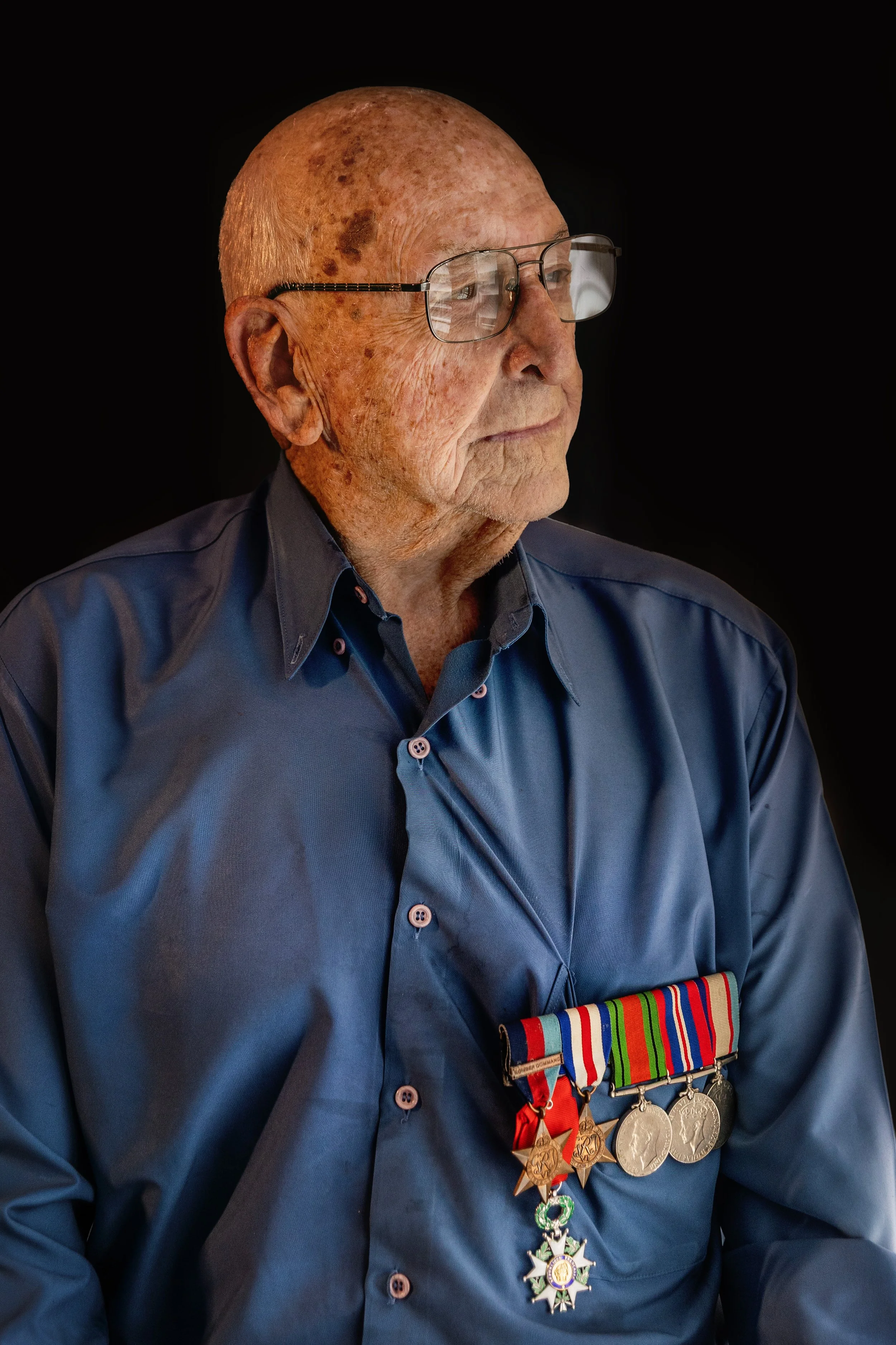
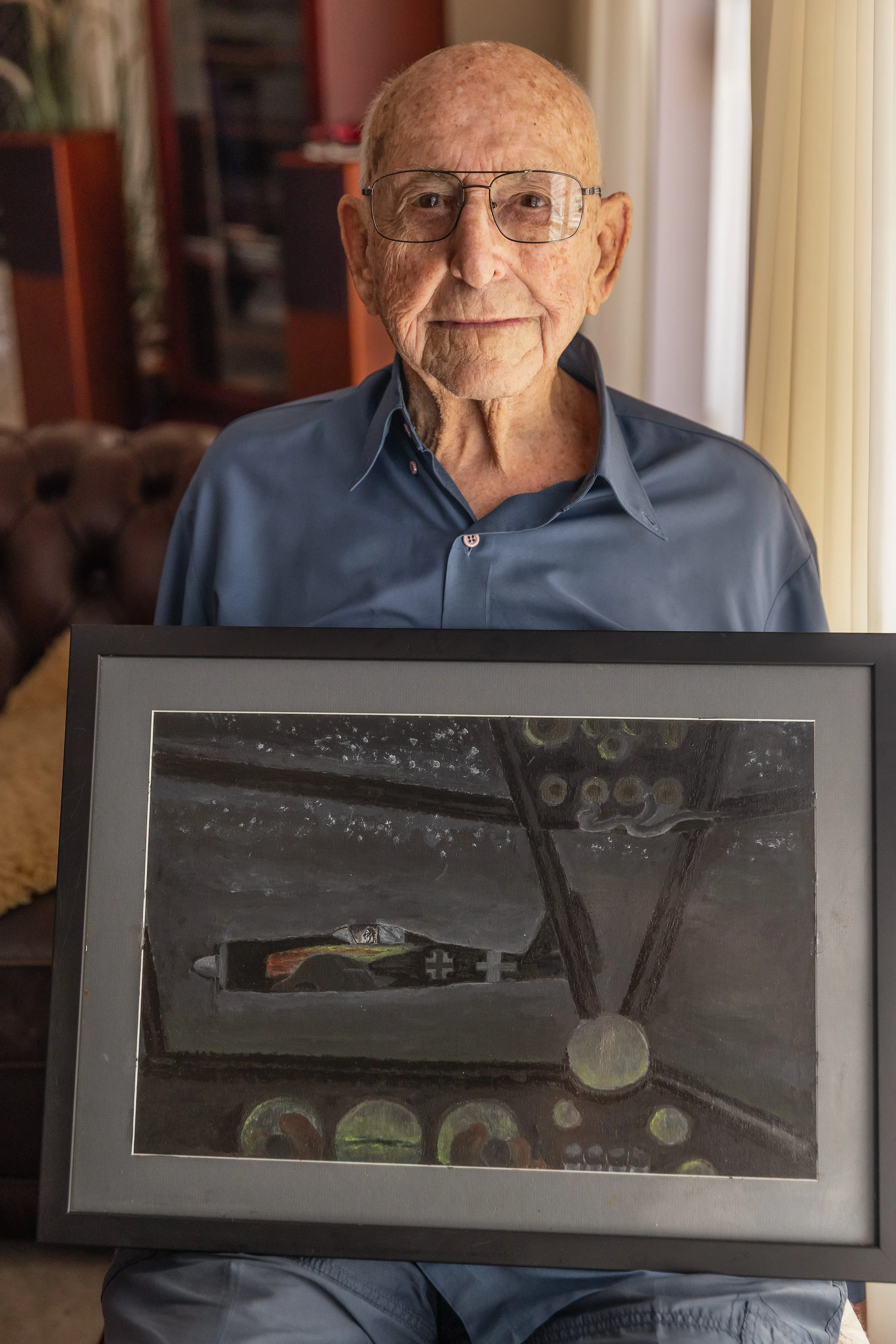
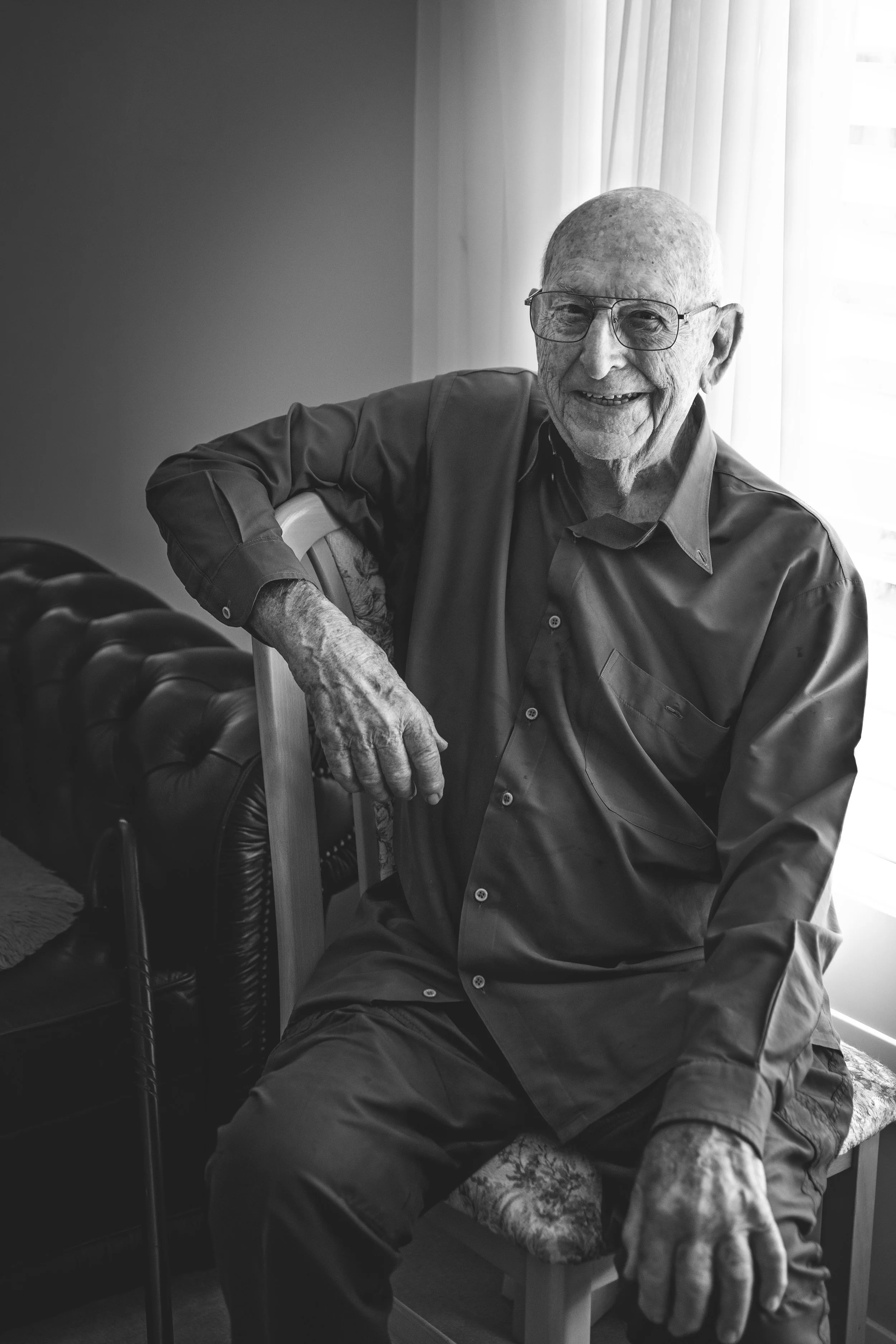
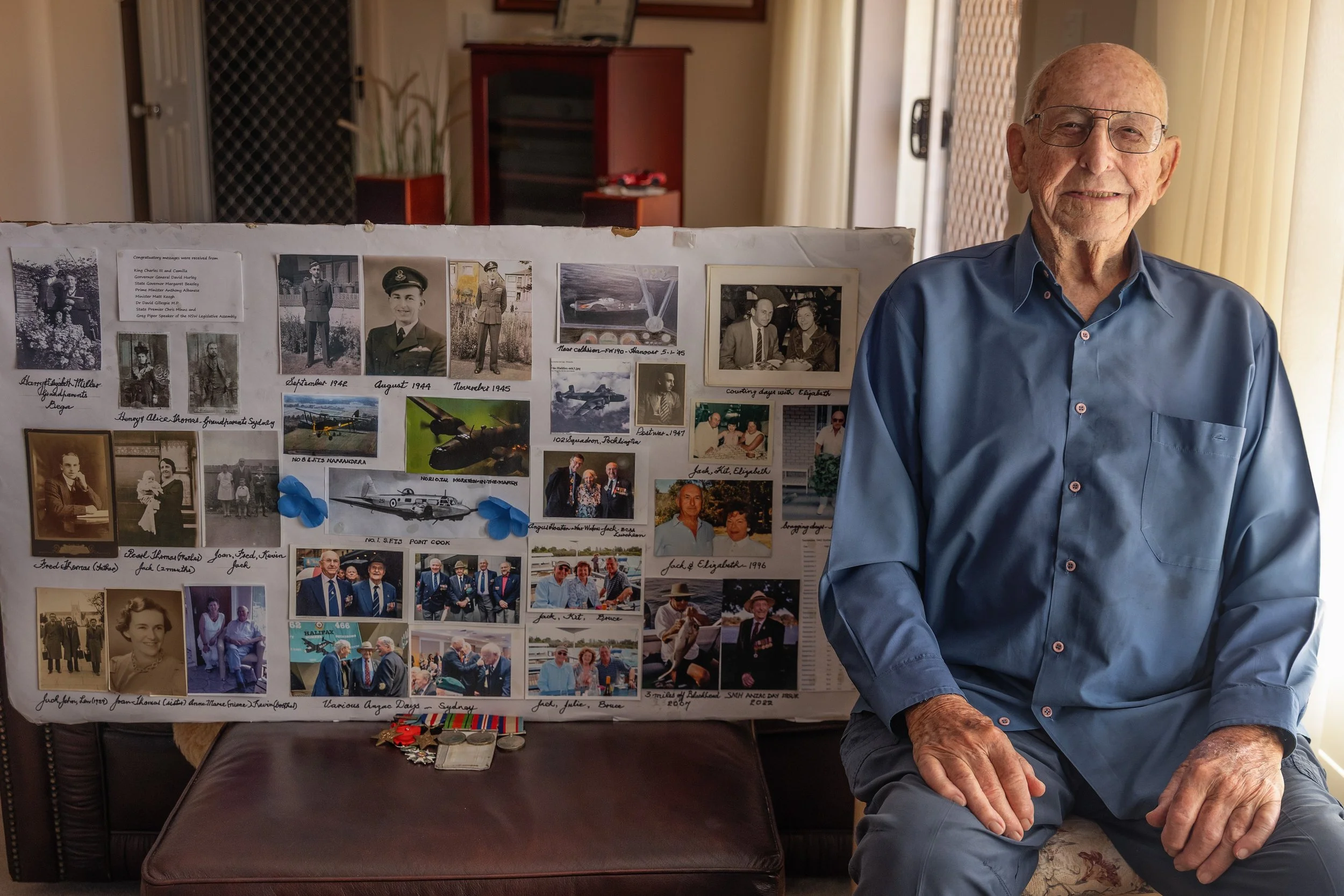
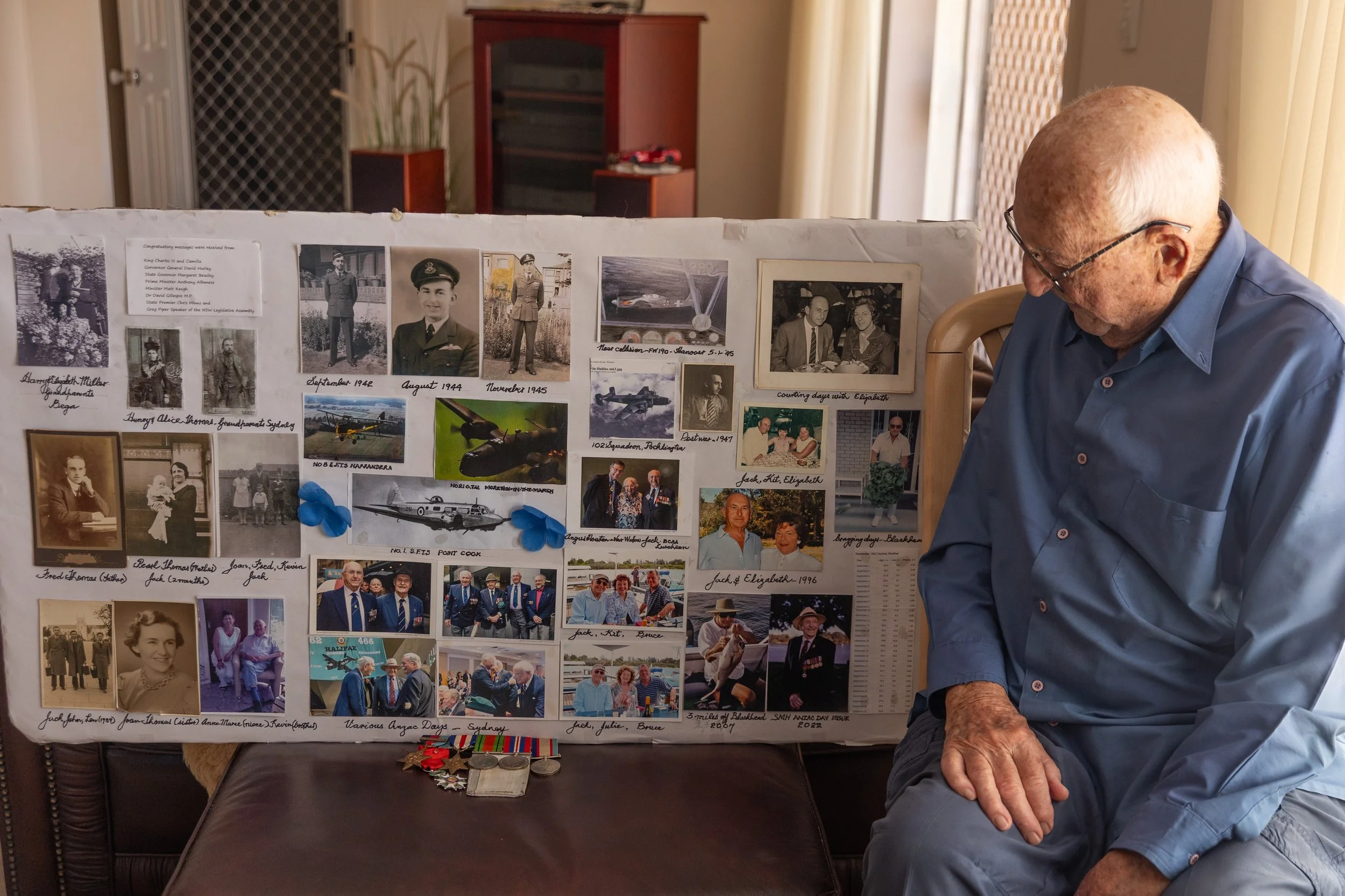
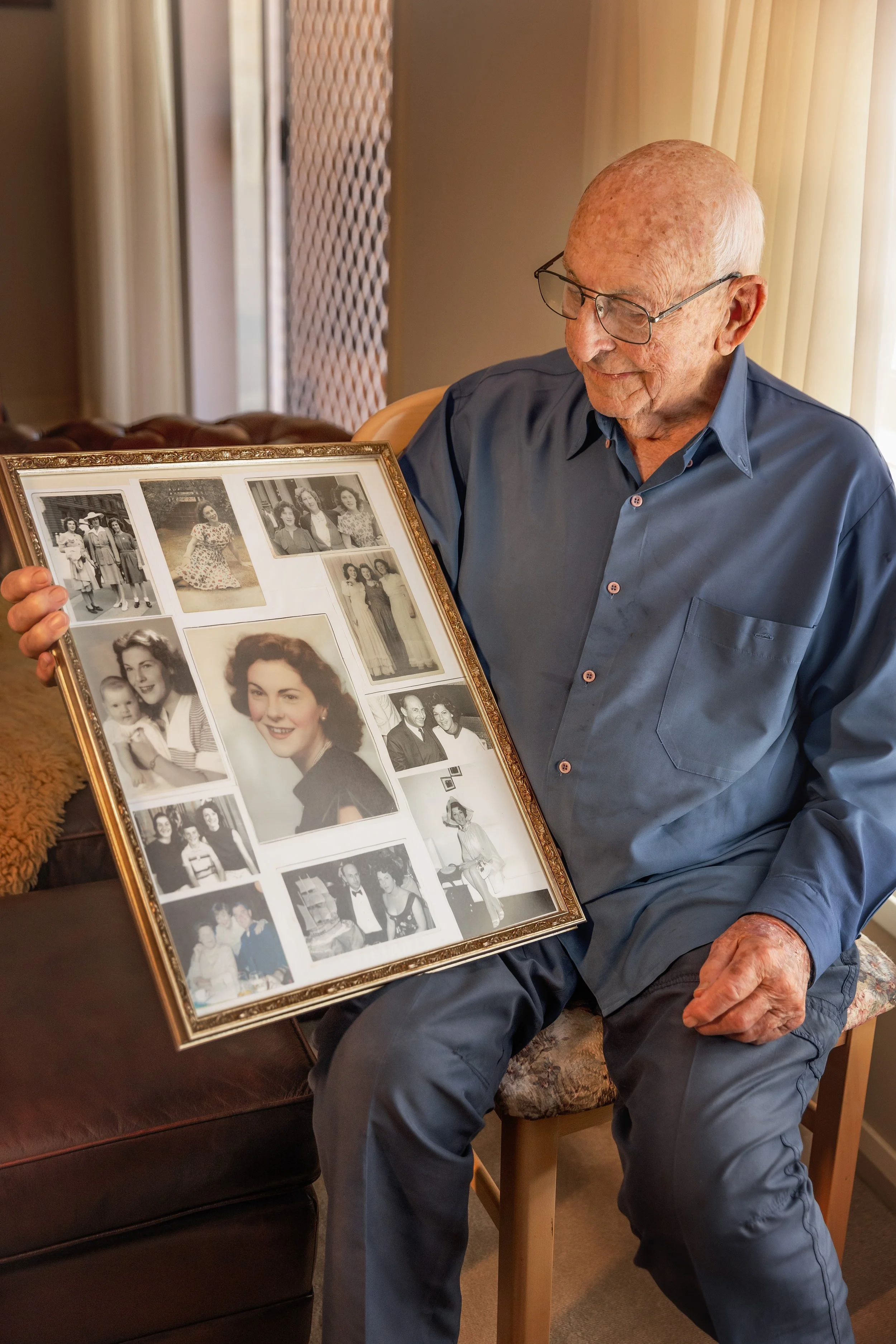
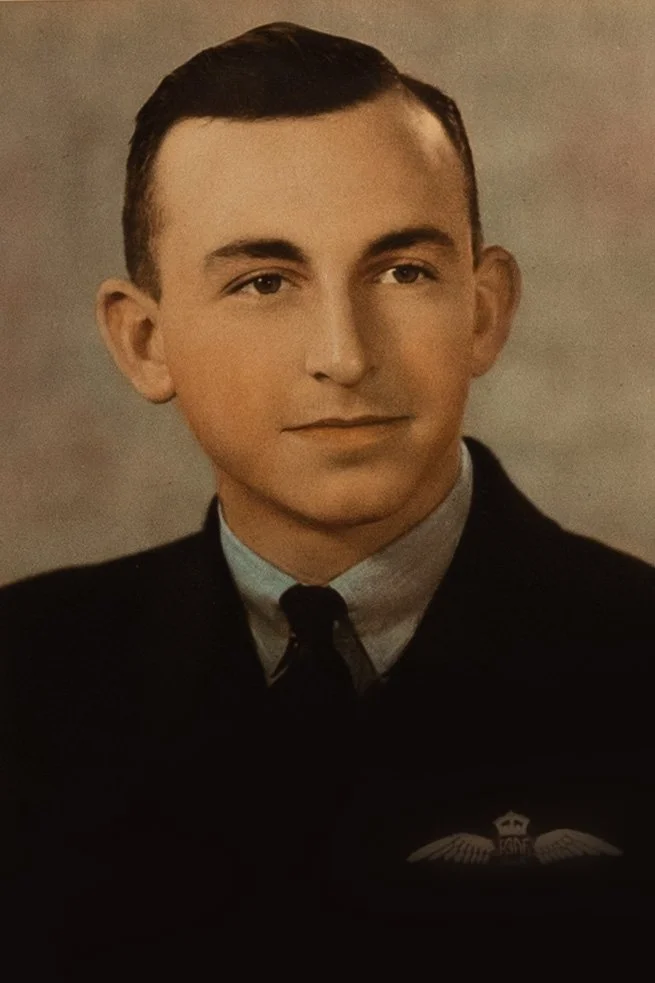
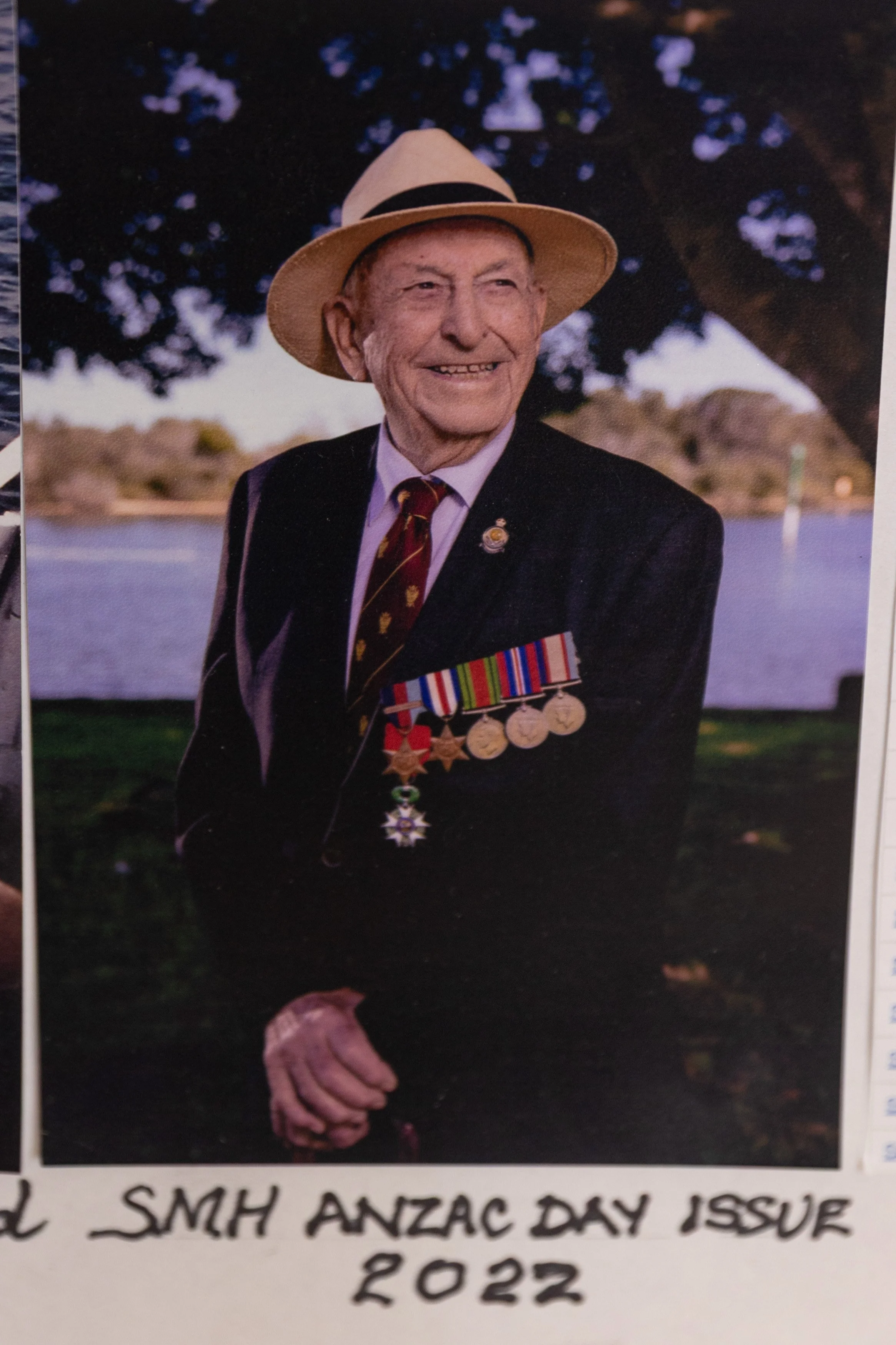
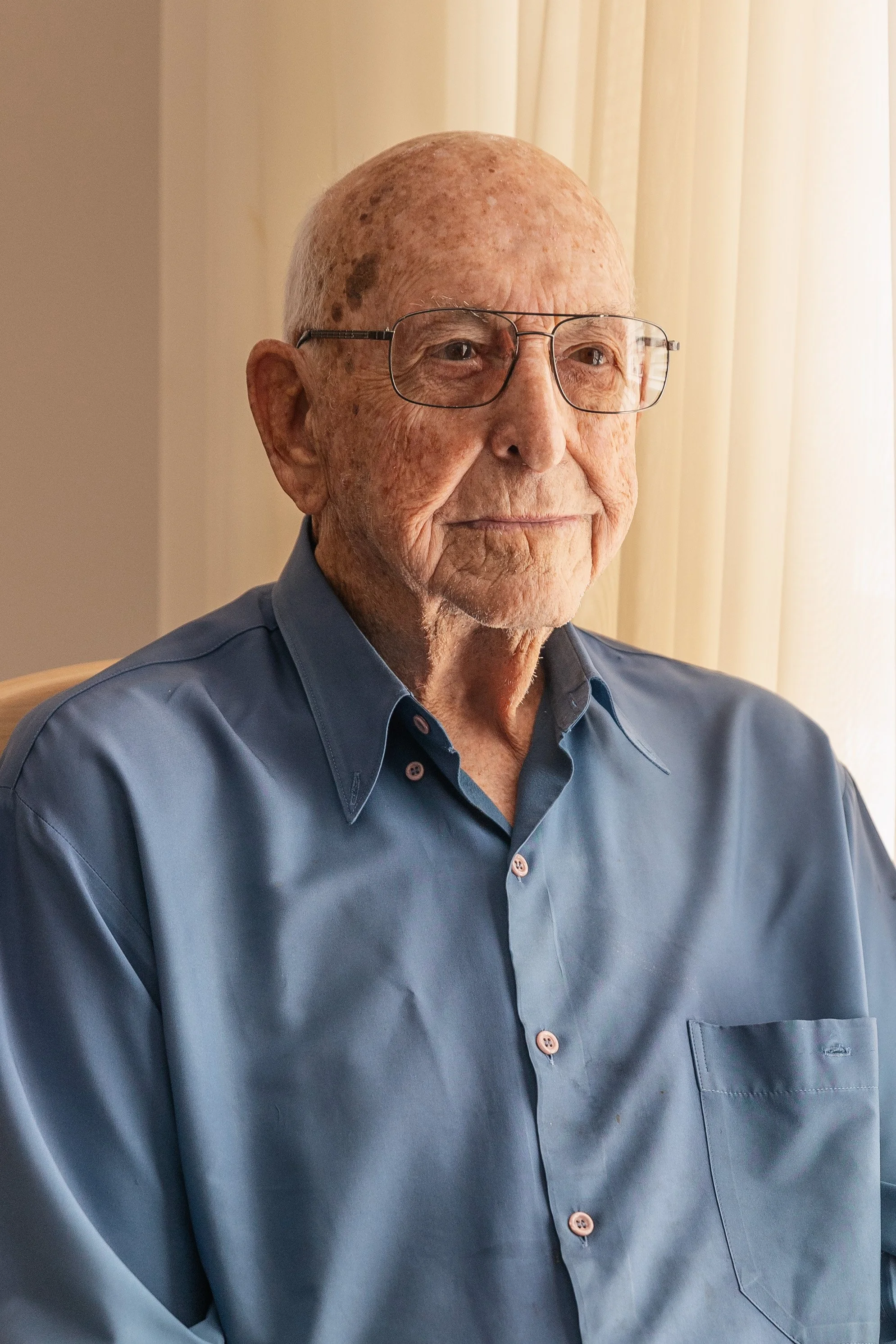
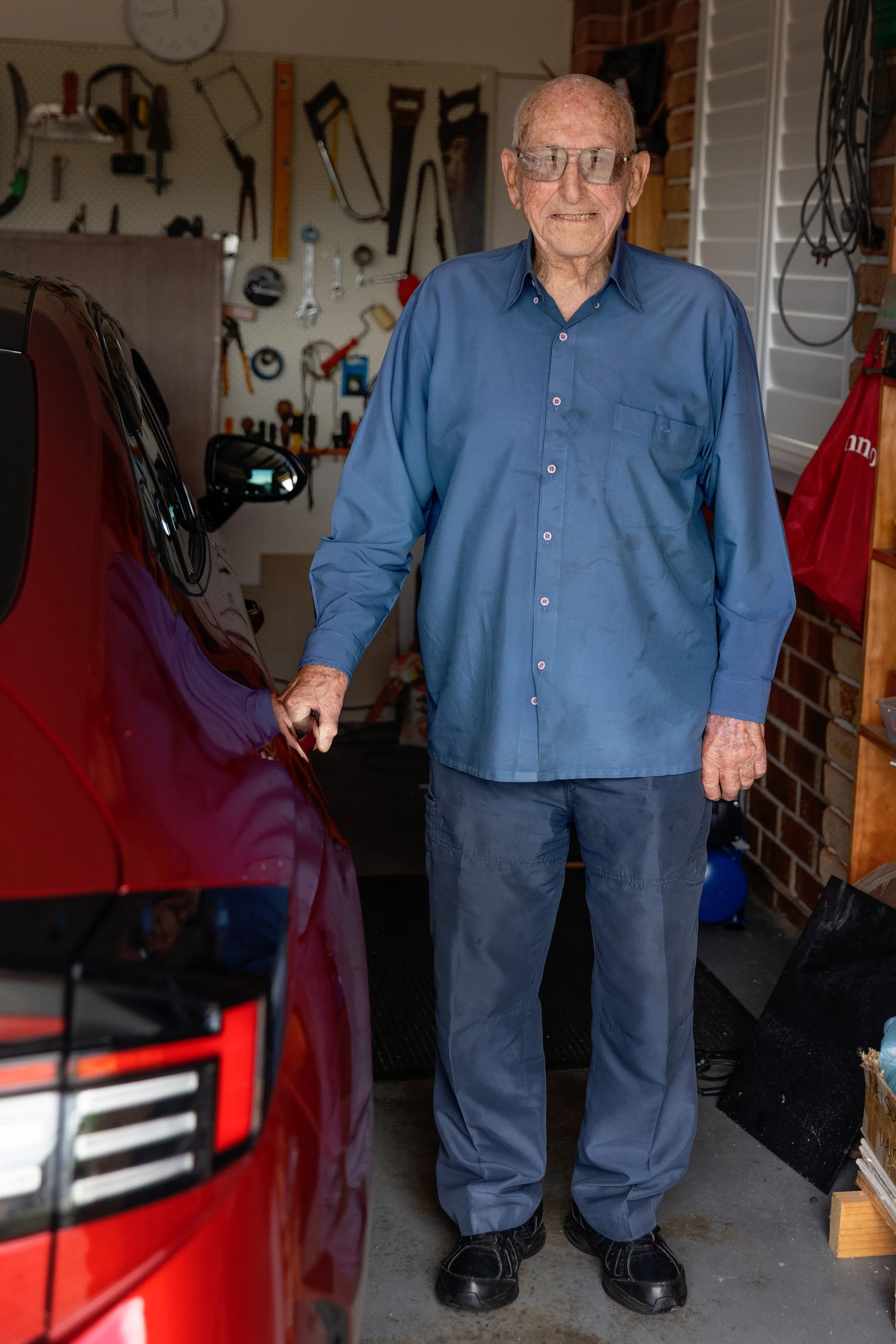
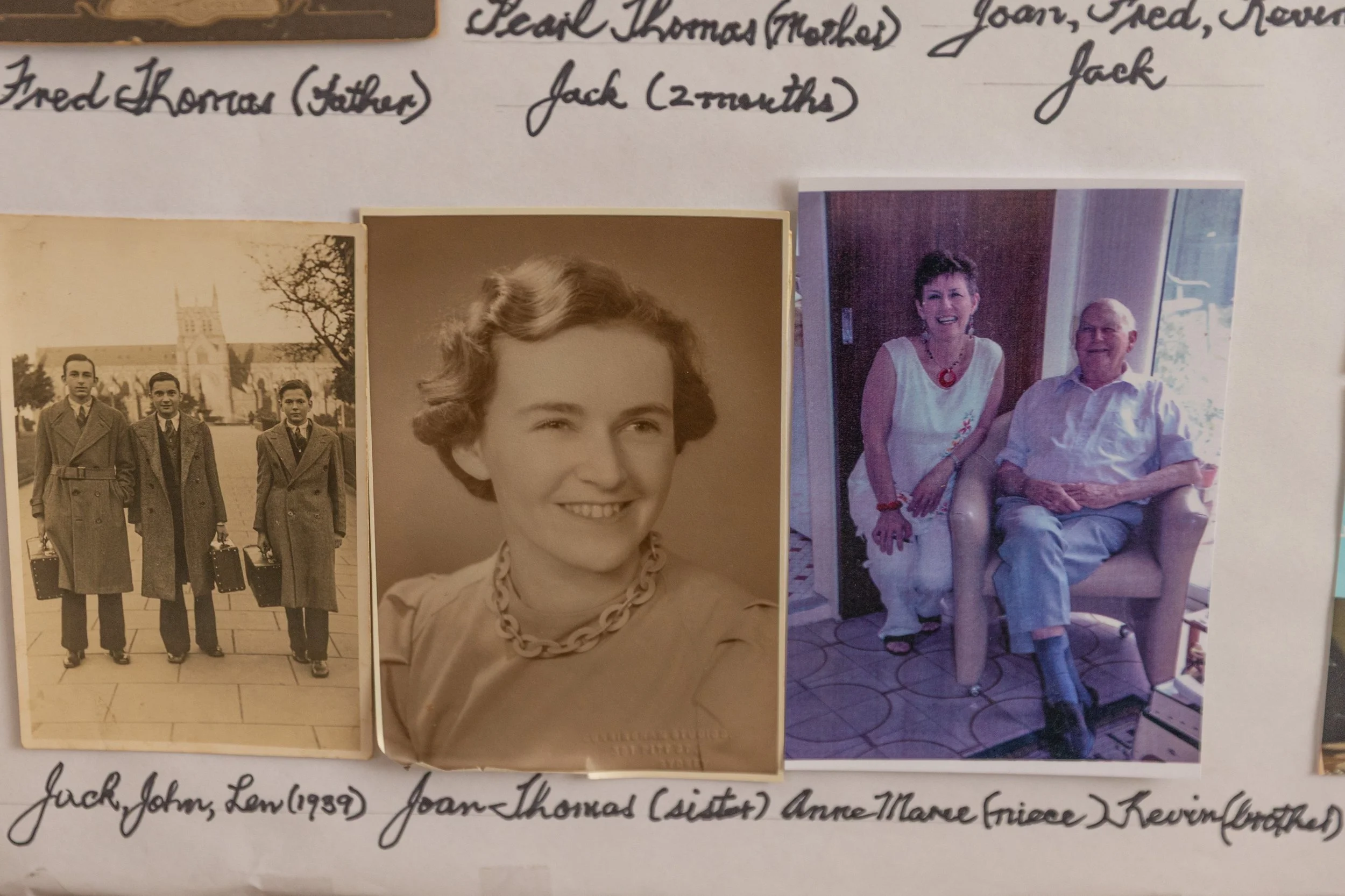
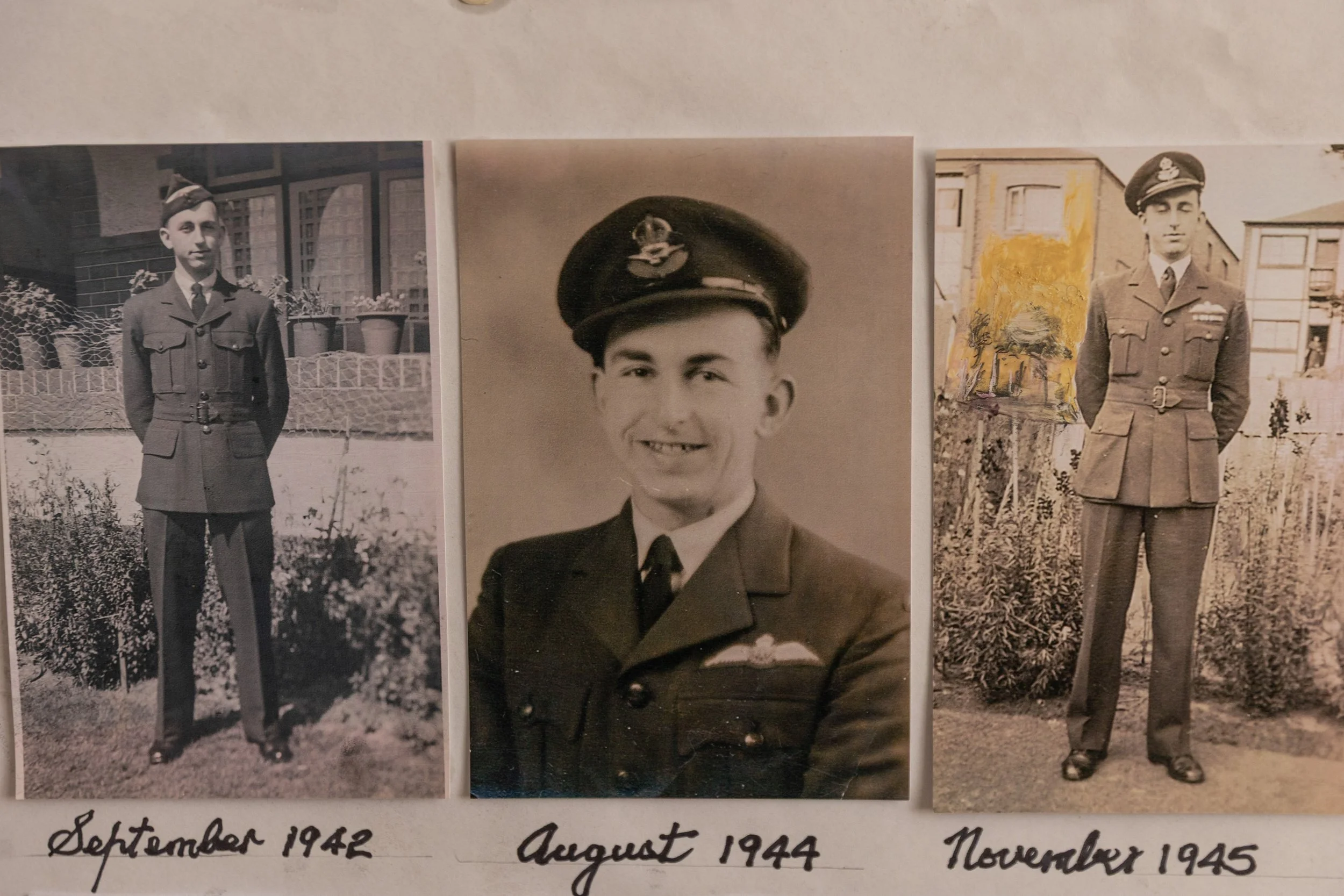
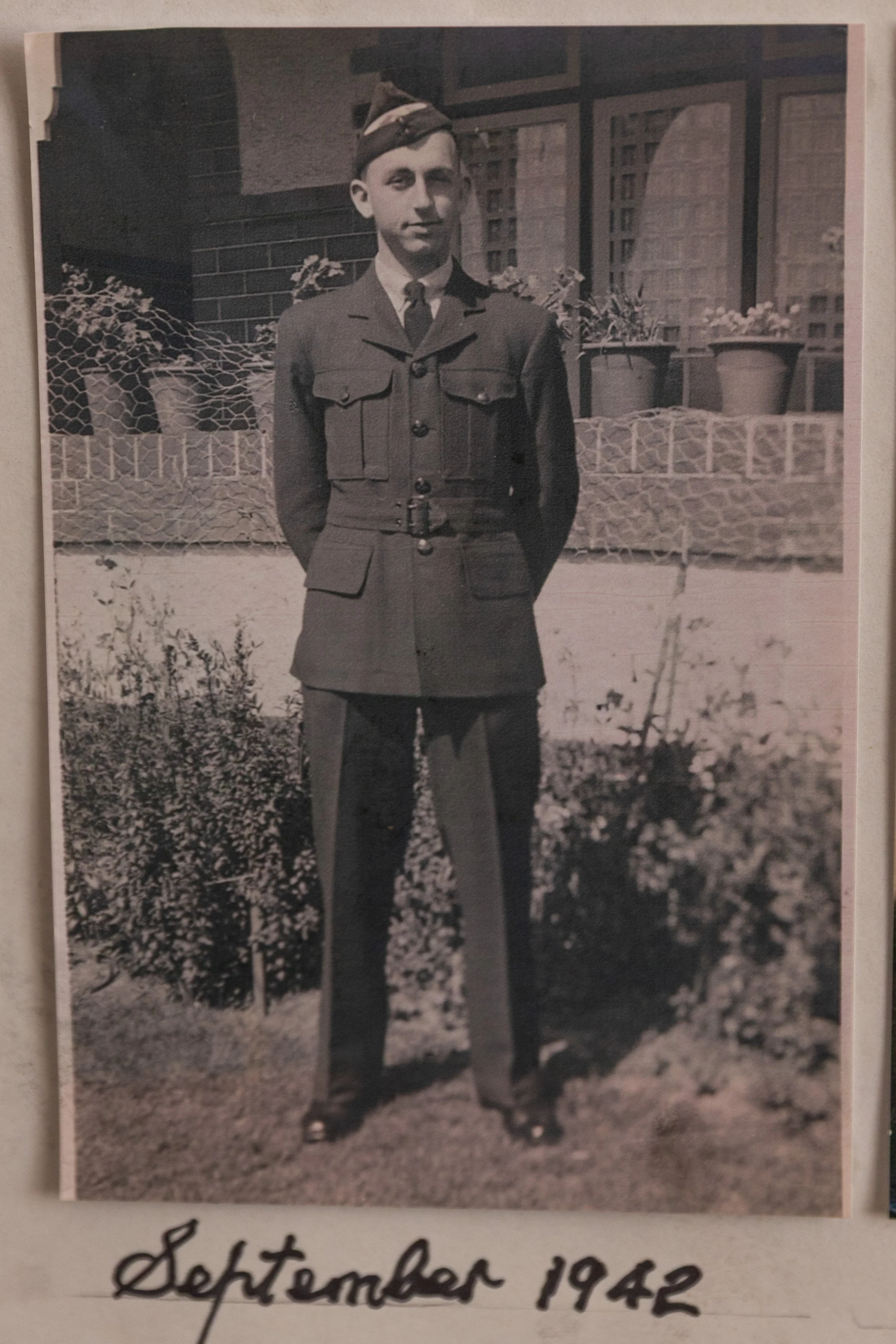
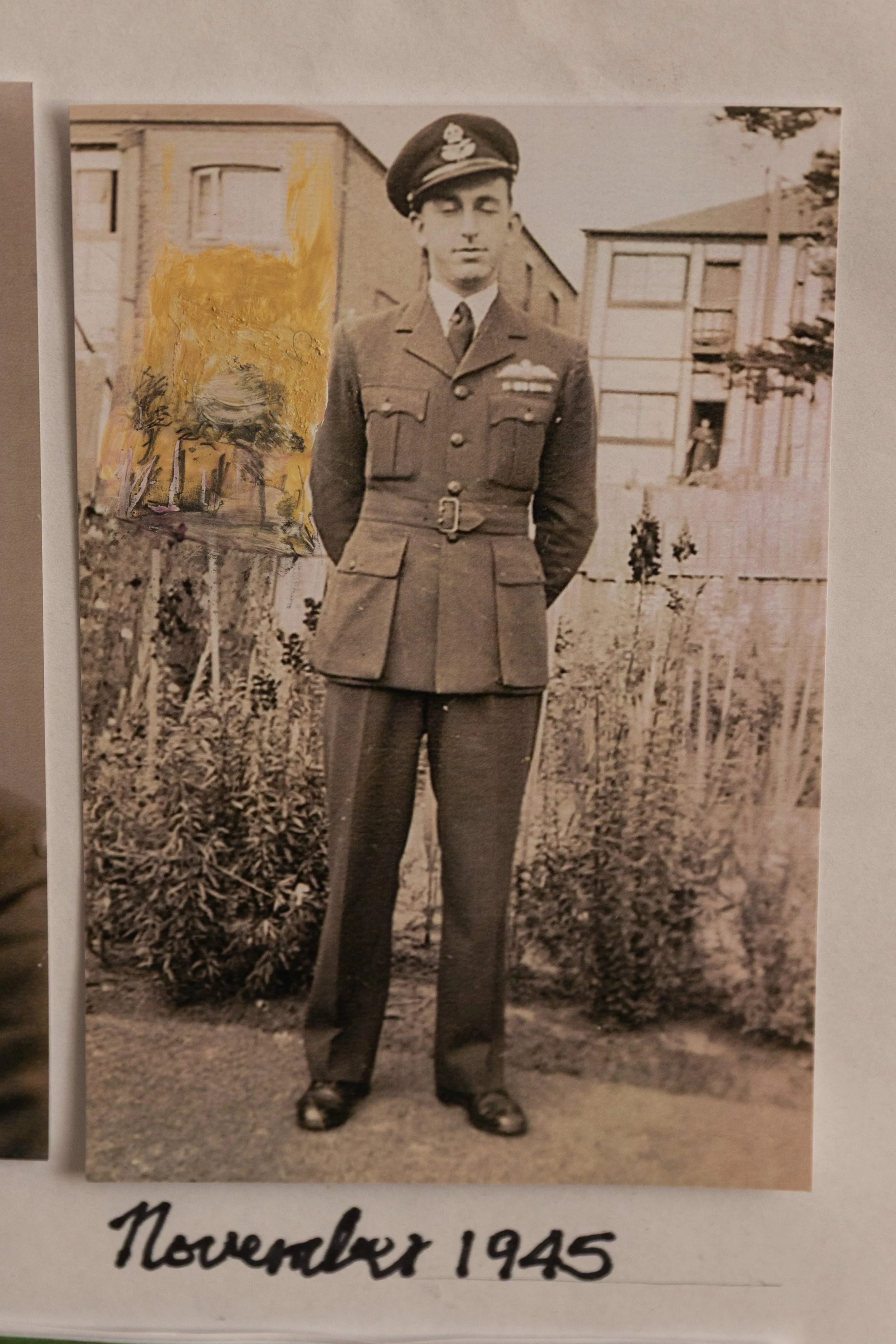
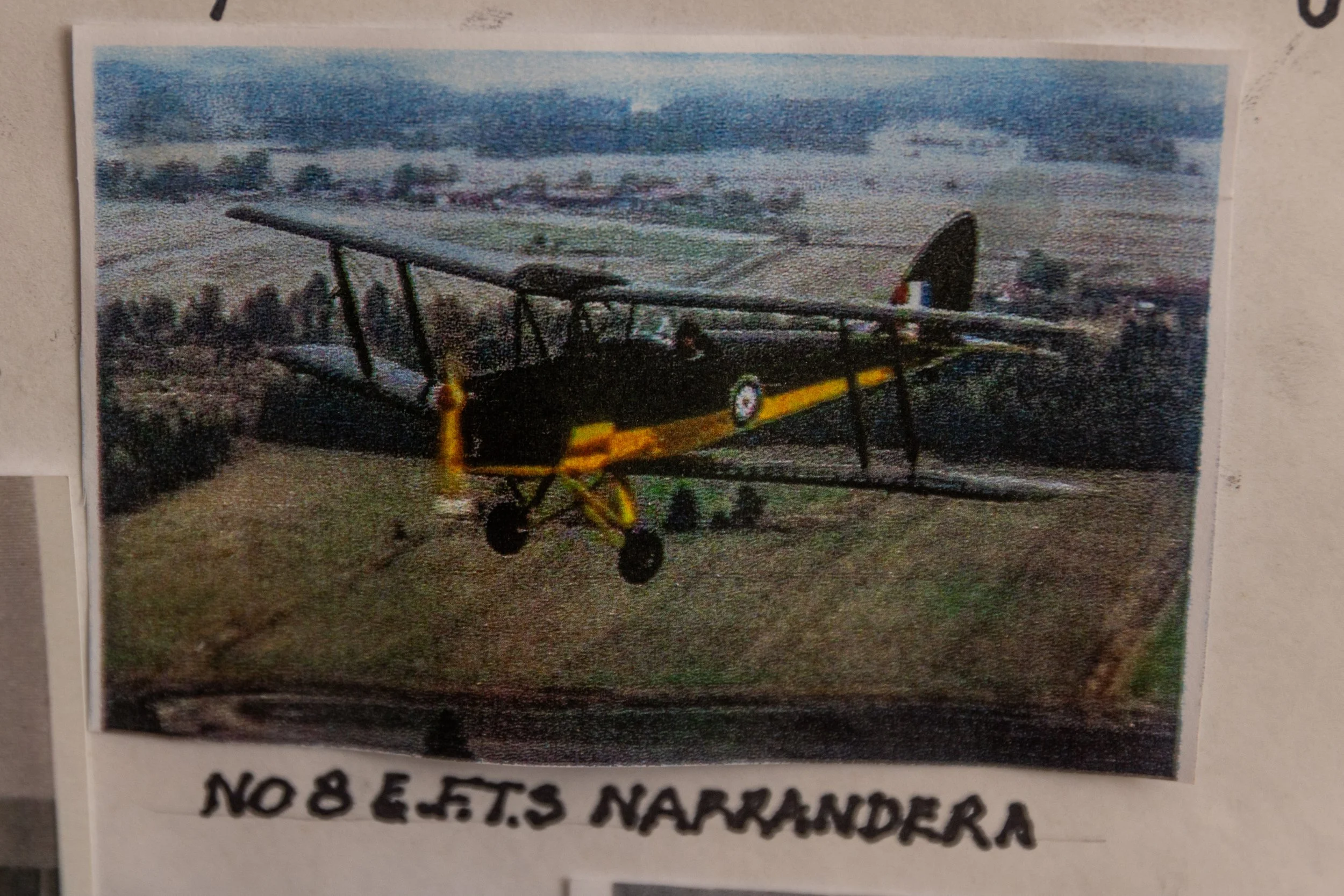
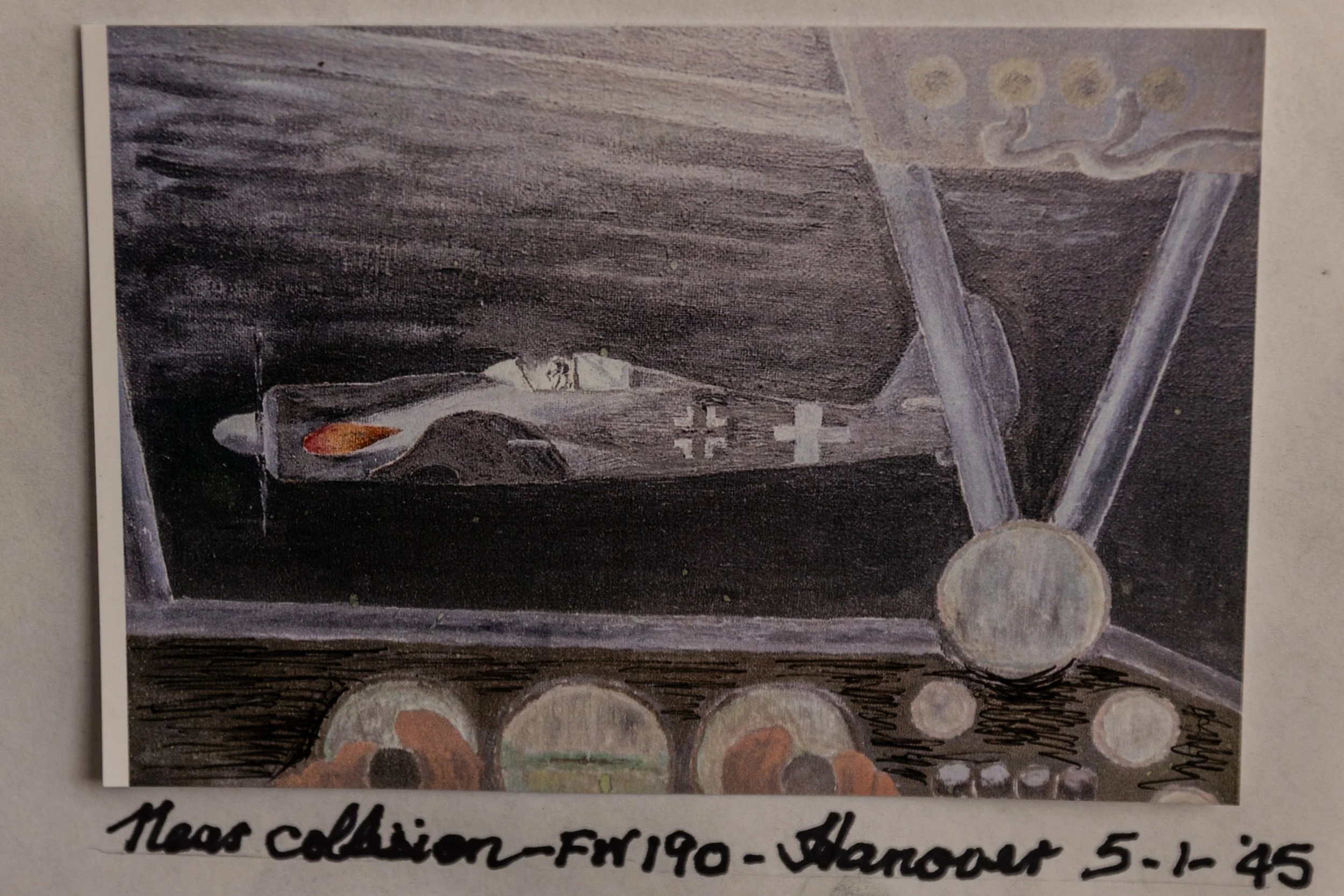
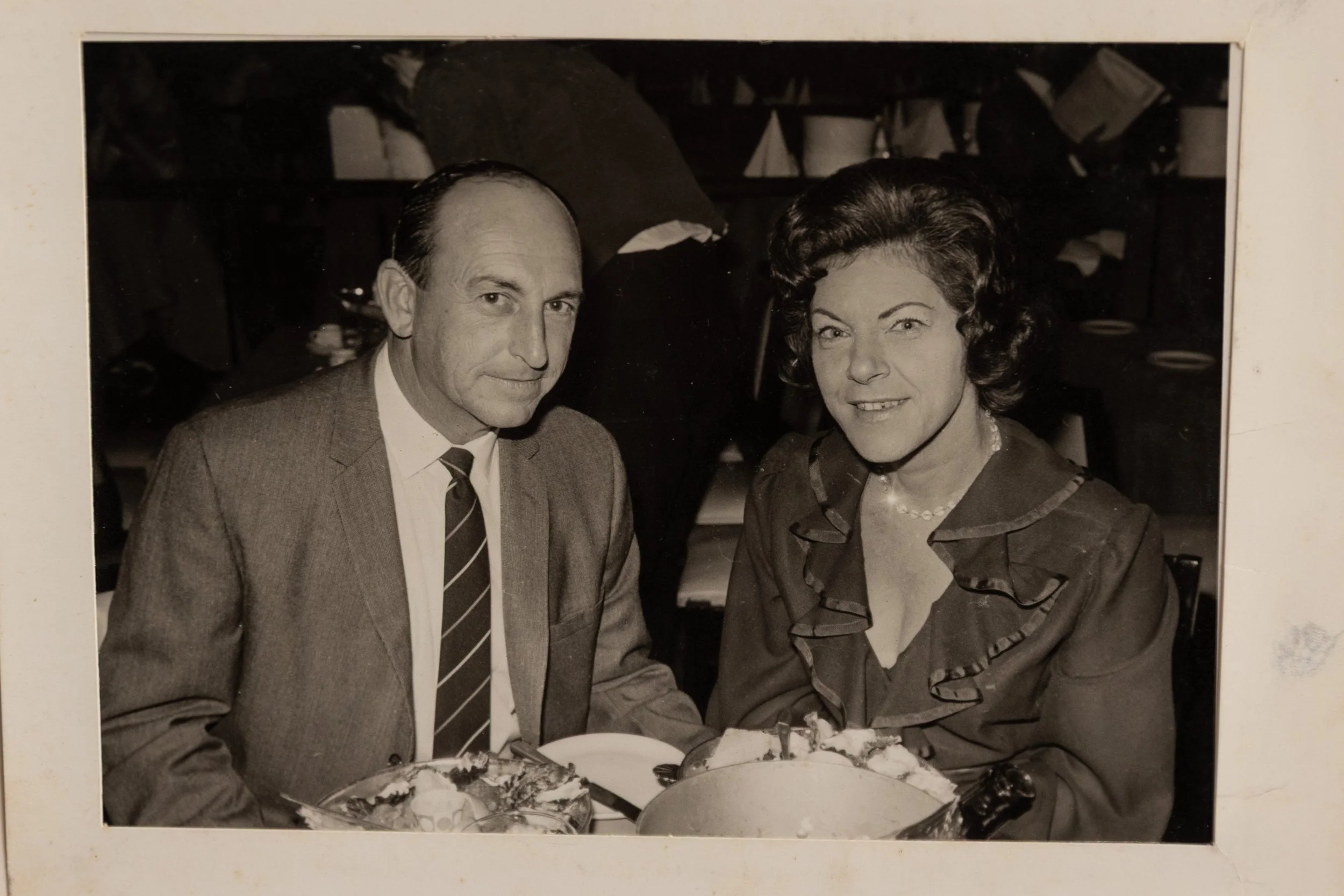
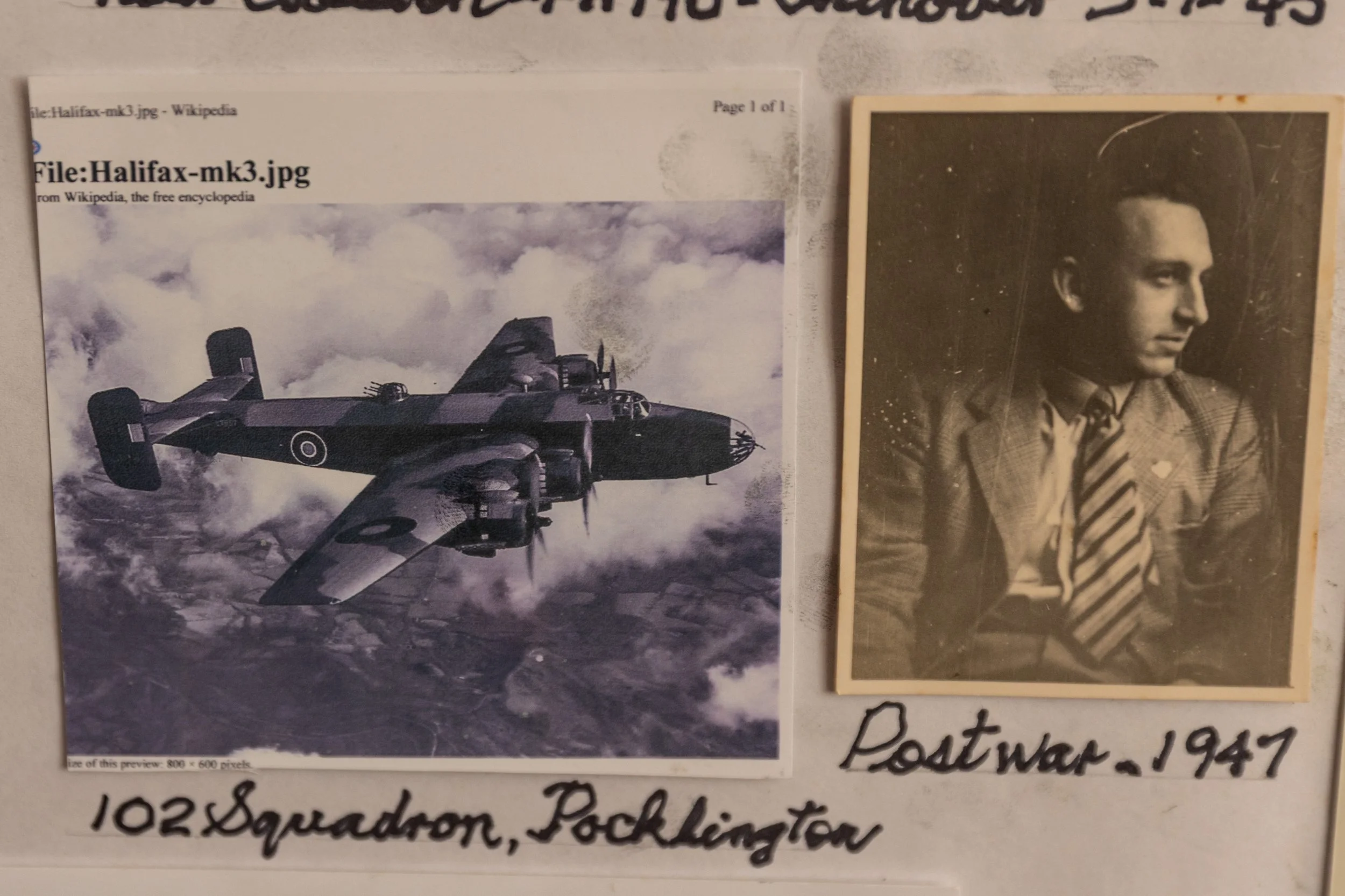
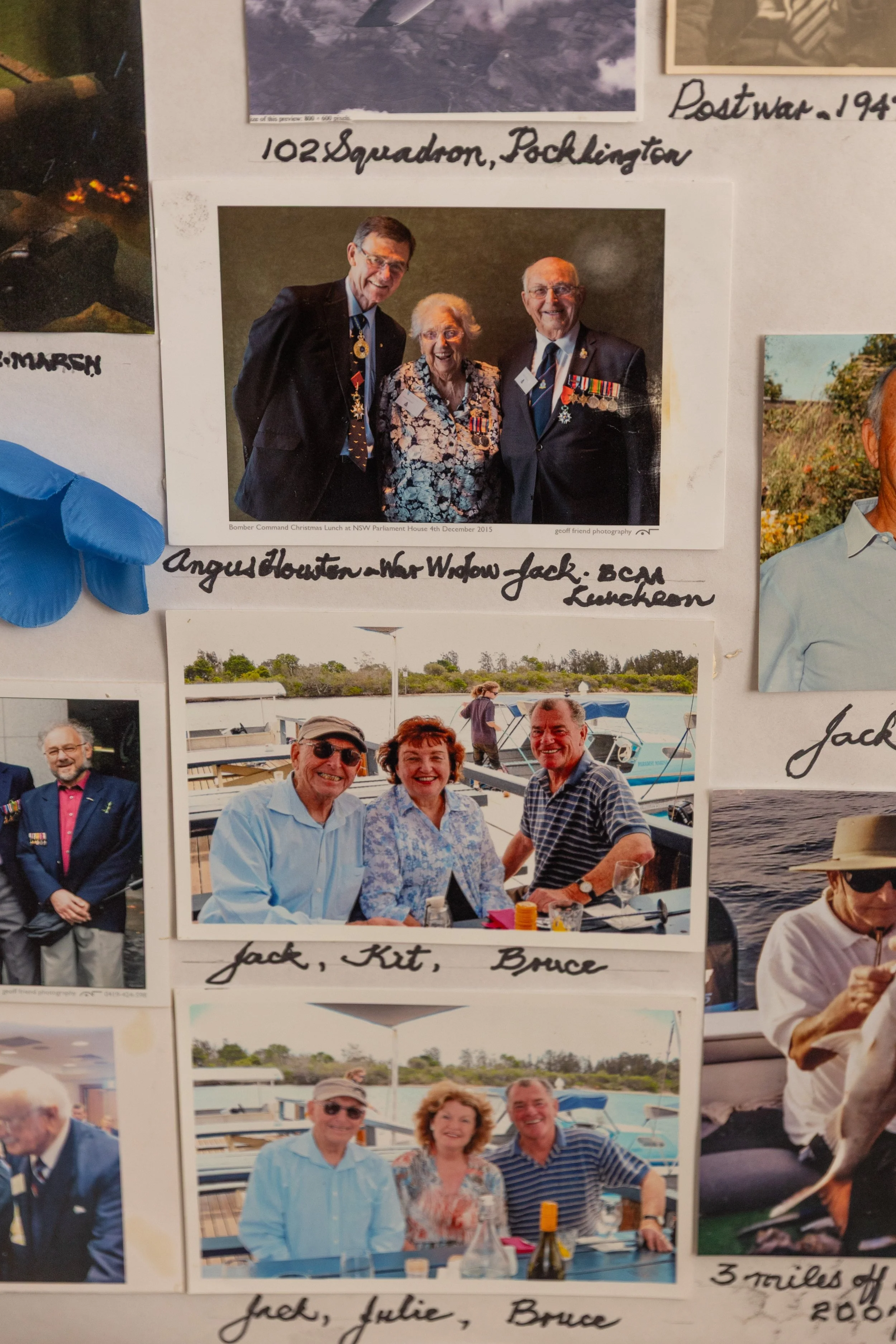
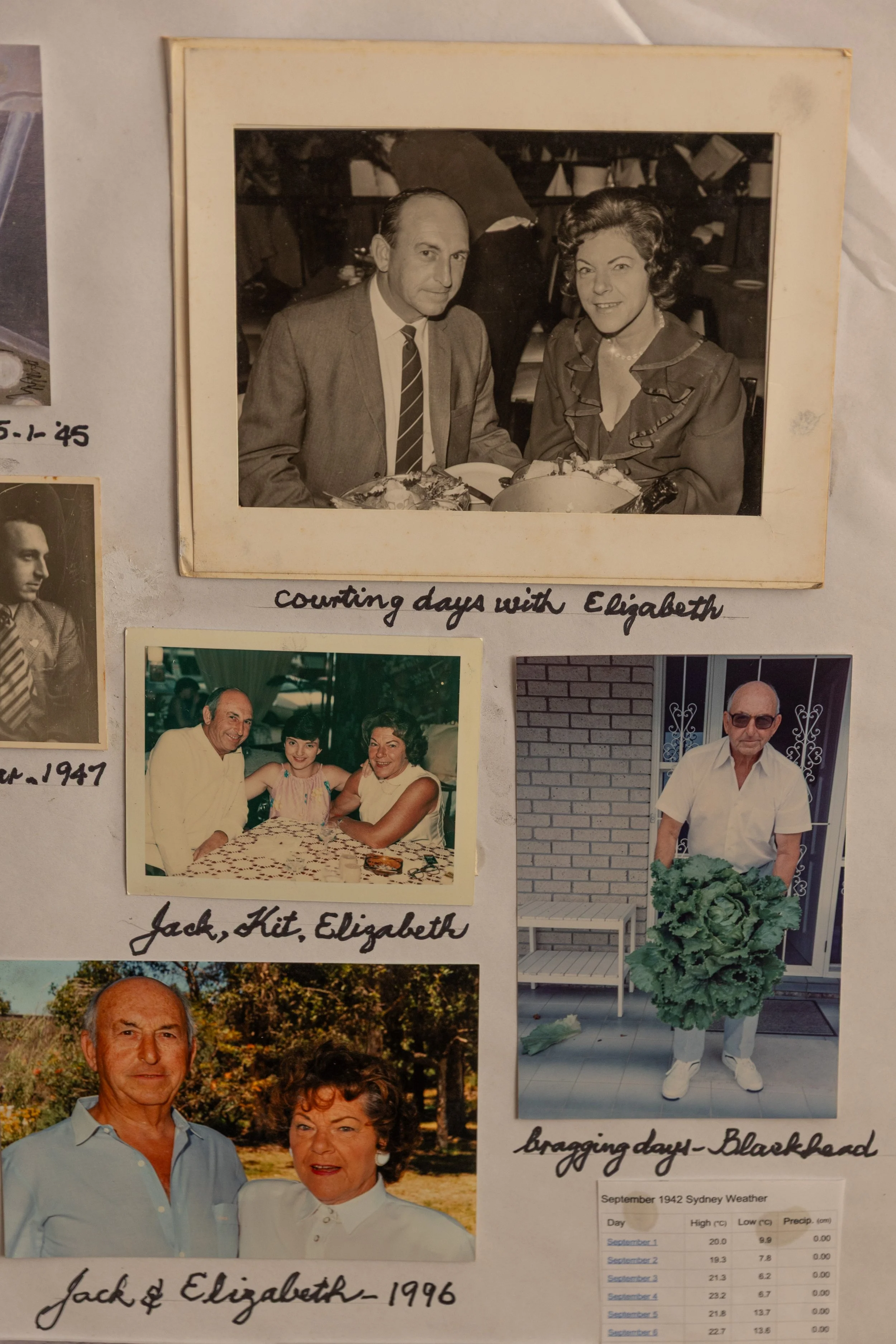
Ernest John (Jack ) Jeston was born 12 October 1923 during the Great Depression on Elco St, Hamilton, Newcastle NSW.
His father worked at BHP and died at 48 of tuberculosis.
Jack was the 6th born of 7 children. His early years were marked by great hardship. When Jack was just 2 years old, his mother Mary passed away aged 32, and he subsequently moved to Merewether to live with his Grandparents who helped raise him. Two of his sisters were put in a home and Una went to a foster family.
His Father remarried and his new wife already had 5 children and none of Jack and his siblings got along with her. Jack remembers being sent from family member to family member whilst growing up.
Jack attended school in Merewether. While many people remember childhood as a carefree time, Jack’s early years were overshadowed by tragedy & loss.
His once large family suffered awful tragedy again when three of his brothers passed away in tragic circumstances.
His brother Tommy was struck by lightning and died age 12 while walking through the rain in Merewether to collect one of their sisters.
Another brother, Allen, also passed away aged 10 after contracting meningitis.
His brother, Freddie, was killed age 20 while serving with the AIF Australian imperial force 2/13th Battalion in El Alamein, Egypt during WWll, suffering a gunshot wound.
These events left a lasting impact on Jack and shaped much of his outlook on life.
At age 14, Jack worked for BHP where he was manufacturing artillery shells used during the war effort.
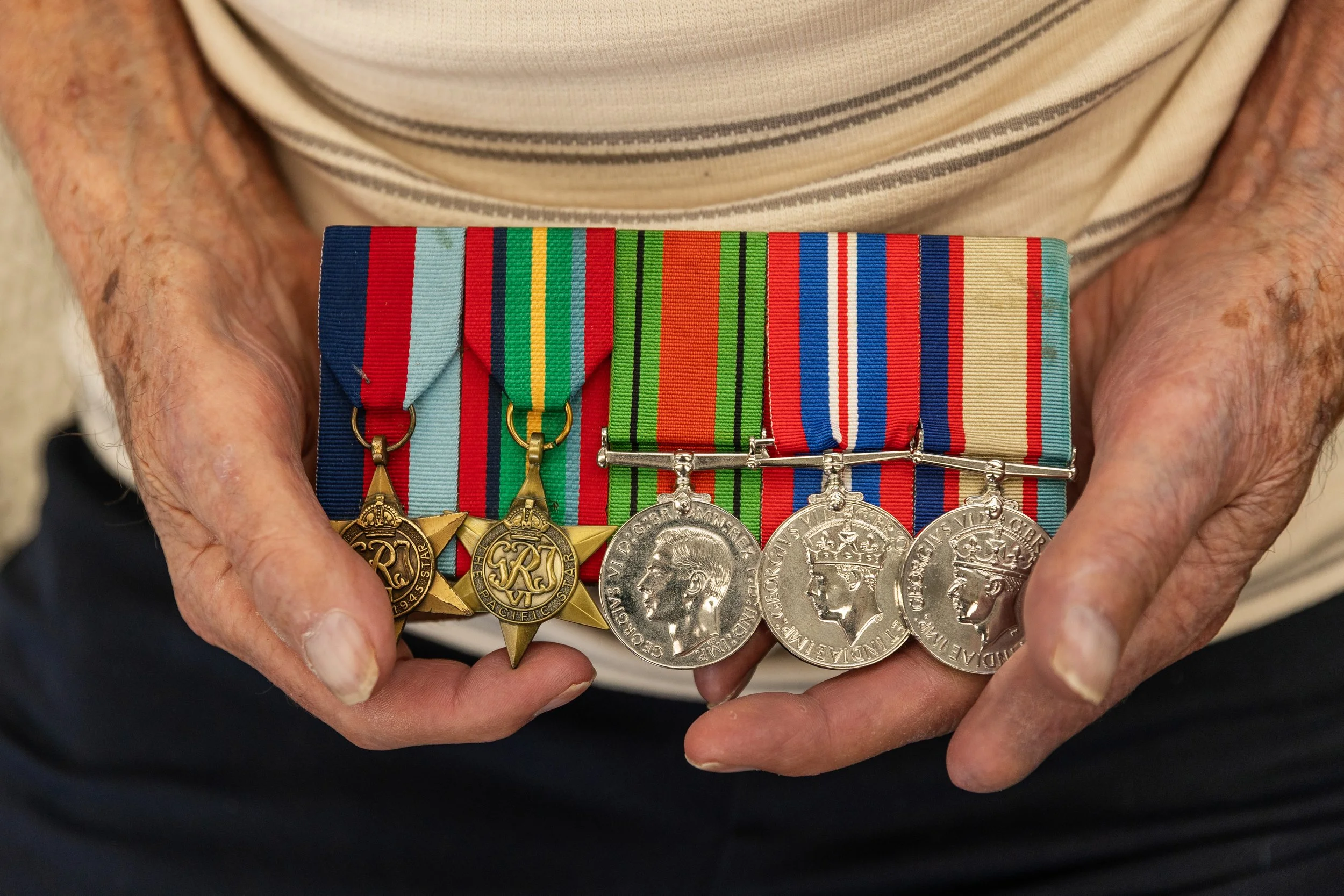
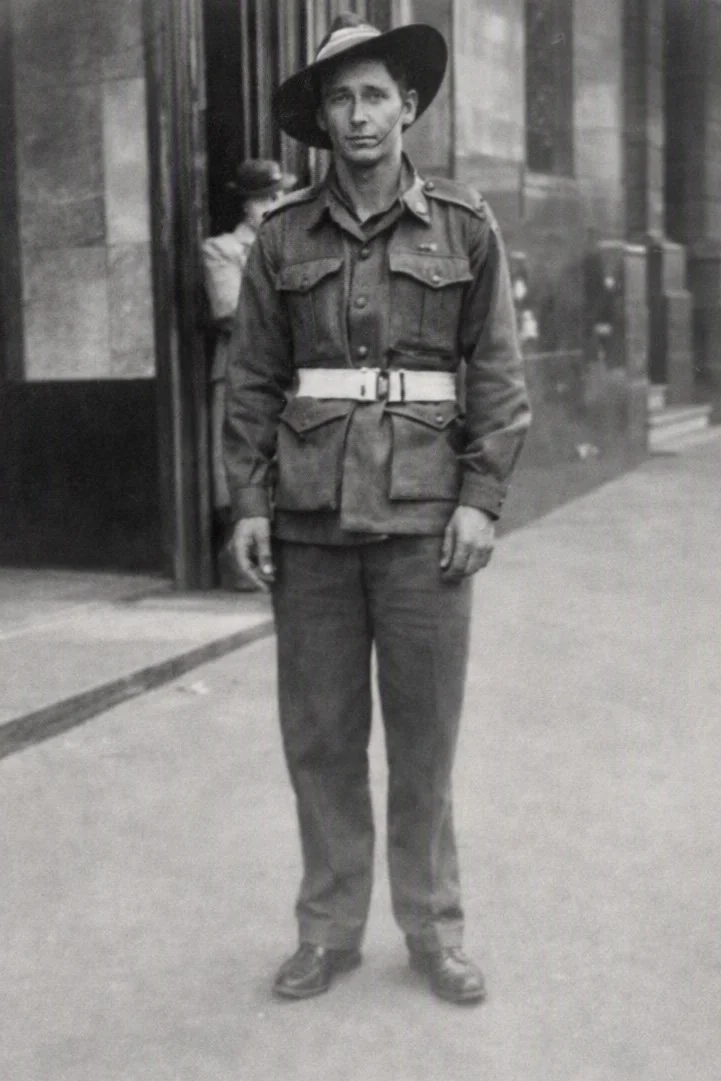
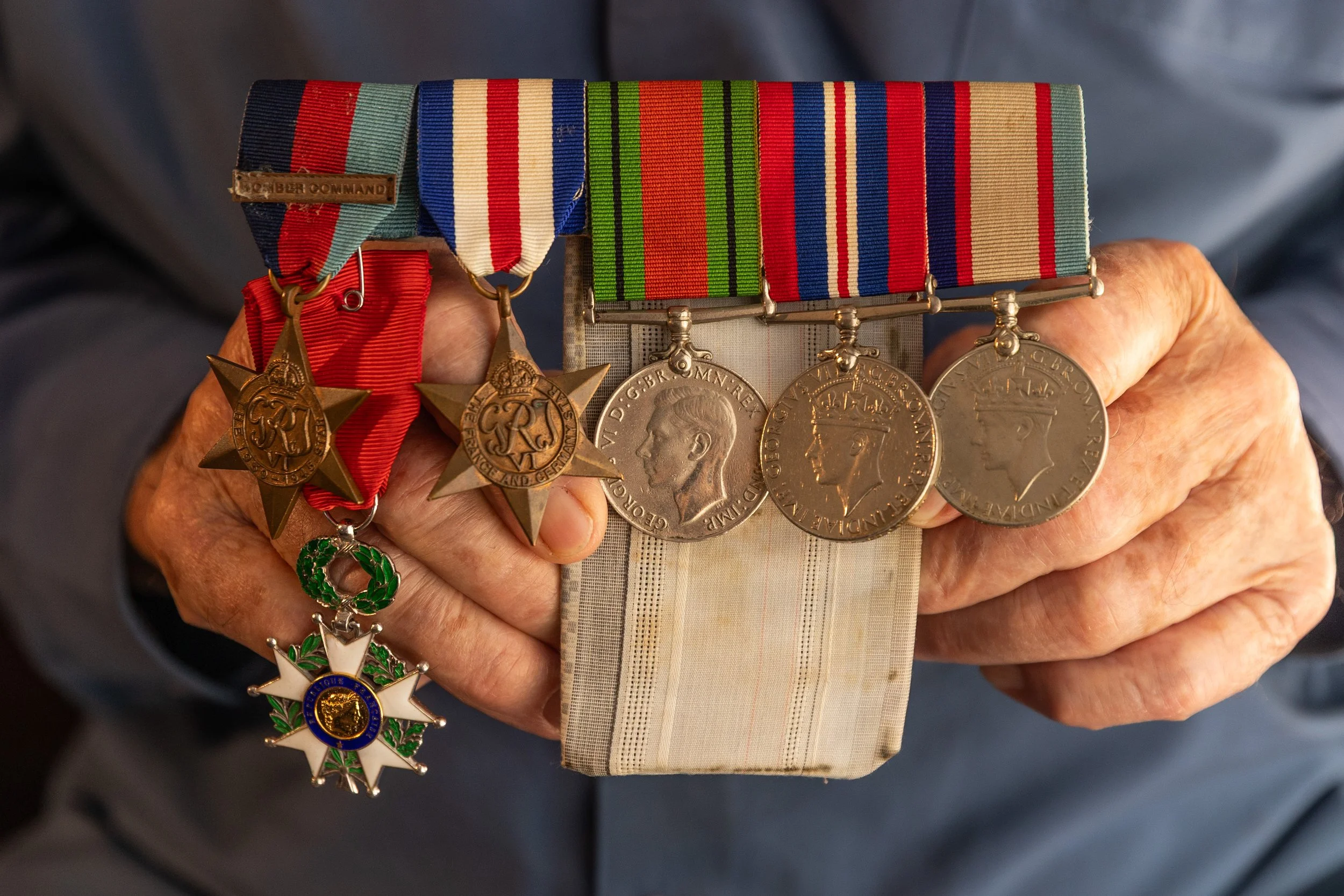
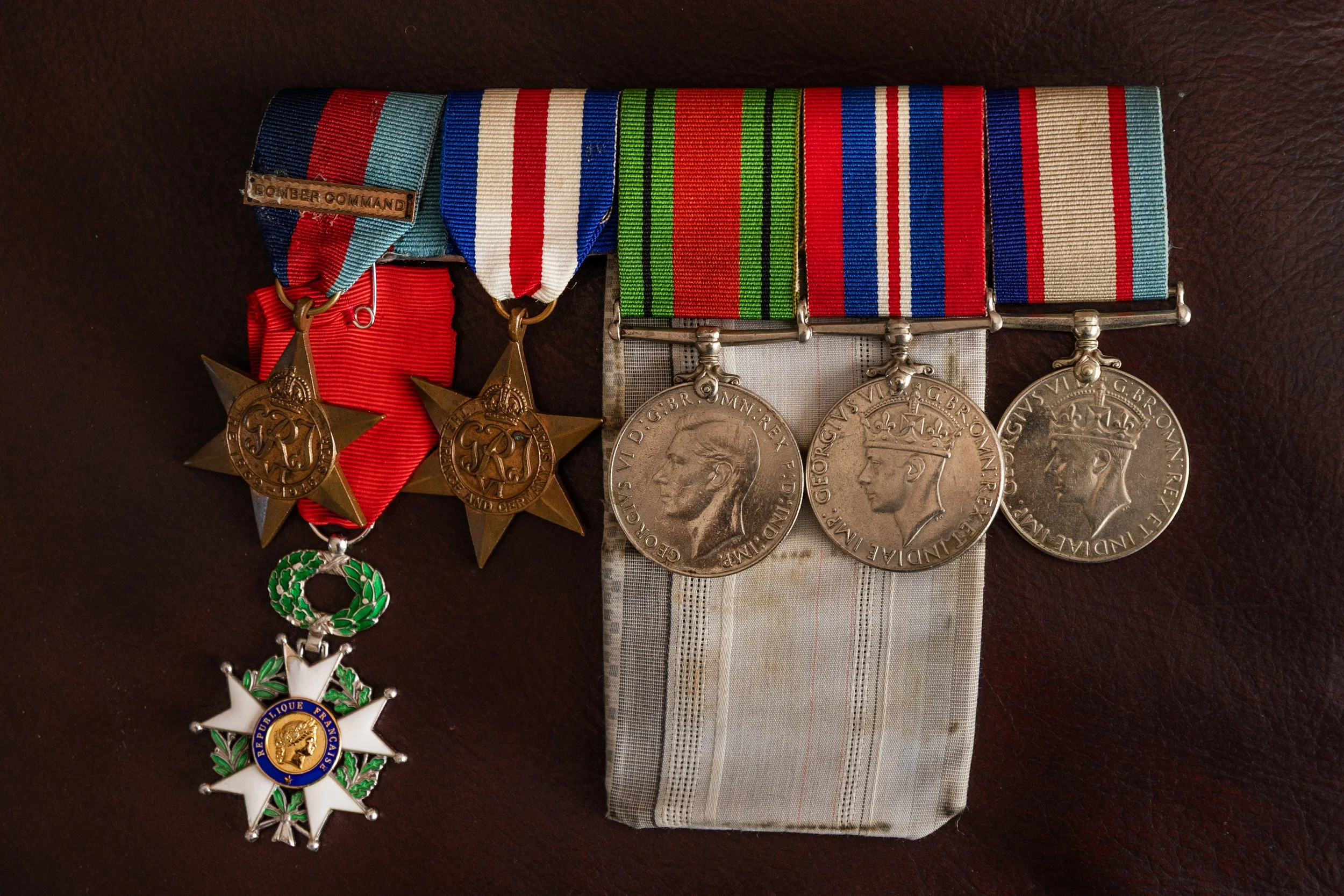
In 1943, Jack enlisted in the AIF and served in World War ll. He was enlisted in the 2/7th Australian Infantry Battalion from 1943-1947, his Platoon commander was Lieutenant Quinn. The 2/7th as a whole, first met the Japanese in battle in the mid-January 1943 as part of the force defending Wau in New Guinea, although his carrier platoon has already been involved in fighting at Buna in Papua. Once Wau was made secure in early February, the 2/7th subsequently participated in the drive towards Salamaua. The advance to Salamaua involved intense close combat over difficult terrain and under the most dangerous circumstances. Acts of bravery and sacrifice occurred continuously. The 2/7th Battalion has the distinction of being the Australian Unit which served the longest period of continuous front-line combat in New Guinea. Jack contracted Malaria 4 times. He spent many harrowing days and hours in trenches and seen his friends and comrades lose their lives. In one instance he narrowly escaped death after leaving a trench, sadly his mate next to him was hit instead and died. In November 1944 the Battalion disembarked at Aitape, New Guinea for its final campaign. He spent three years there serving his country during a difficult and dangerous period in history. His time in the army was the only significant travel he undertook during his life.
Jack said they had no food and were starving. There was also no camps and beds, they just had to make do. Deliveries of biscuits were dropped in from above, but he said they were like chewing into wood, and they were worried they would break their teeth. They used to often throw the biscuits to the Japanese because they too were starving.
Jack returned to New Guinea in 2015 with seven other veterans for a commemorative, spending 10 days in PNG. This was a high light in his senior years.
After returning from military service, Jack went to Armidale to stay with his sister Una. He initially hoped to join Una’s husband in farming, but circumstances led him in a different direction.
Jack developed an interest in the railways and began working as a steam engine driver. Later, he moved to Broadmeadow in Newcastle and continued his railway career as a train driverfor 35 years.
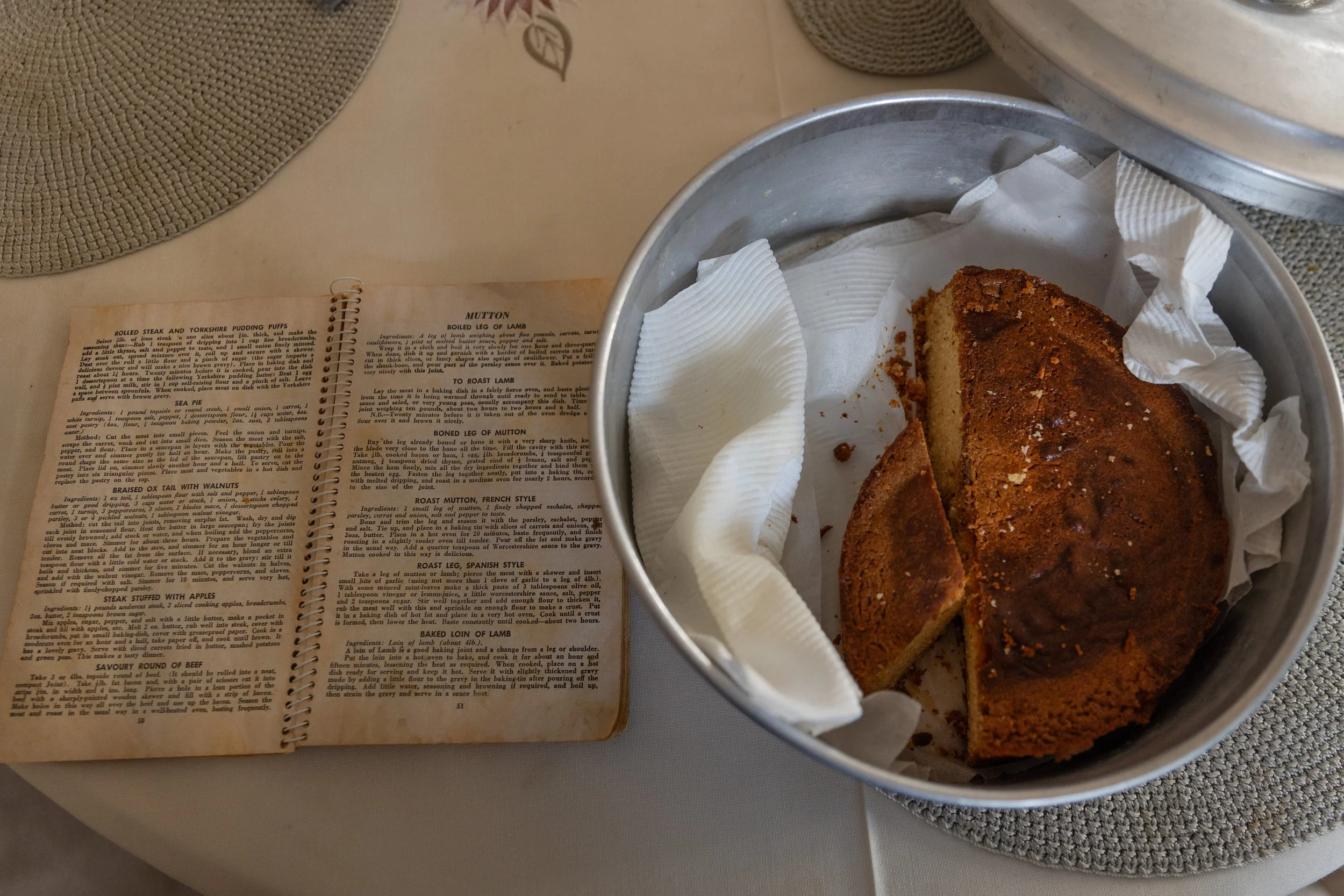
Jack said he used to put away cash in a tin at home for many many years. He saved up $65000. He decided to divide it between his 4 children and by the time they got to the bottom of the tin they discovered because it was made with paper back then, that the money was mouldy, and the banks had to send it away to be replaced.
Throughout his working life, Jack was known for his strong work ethic and willingness to embrace new opportunities.
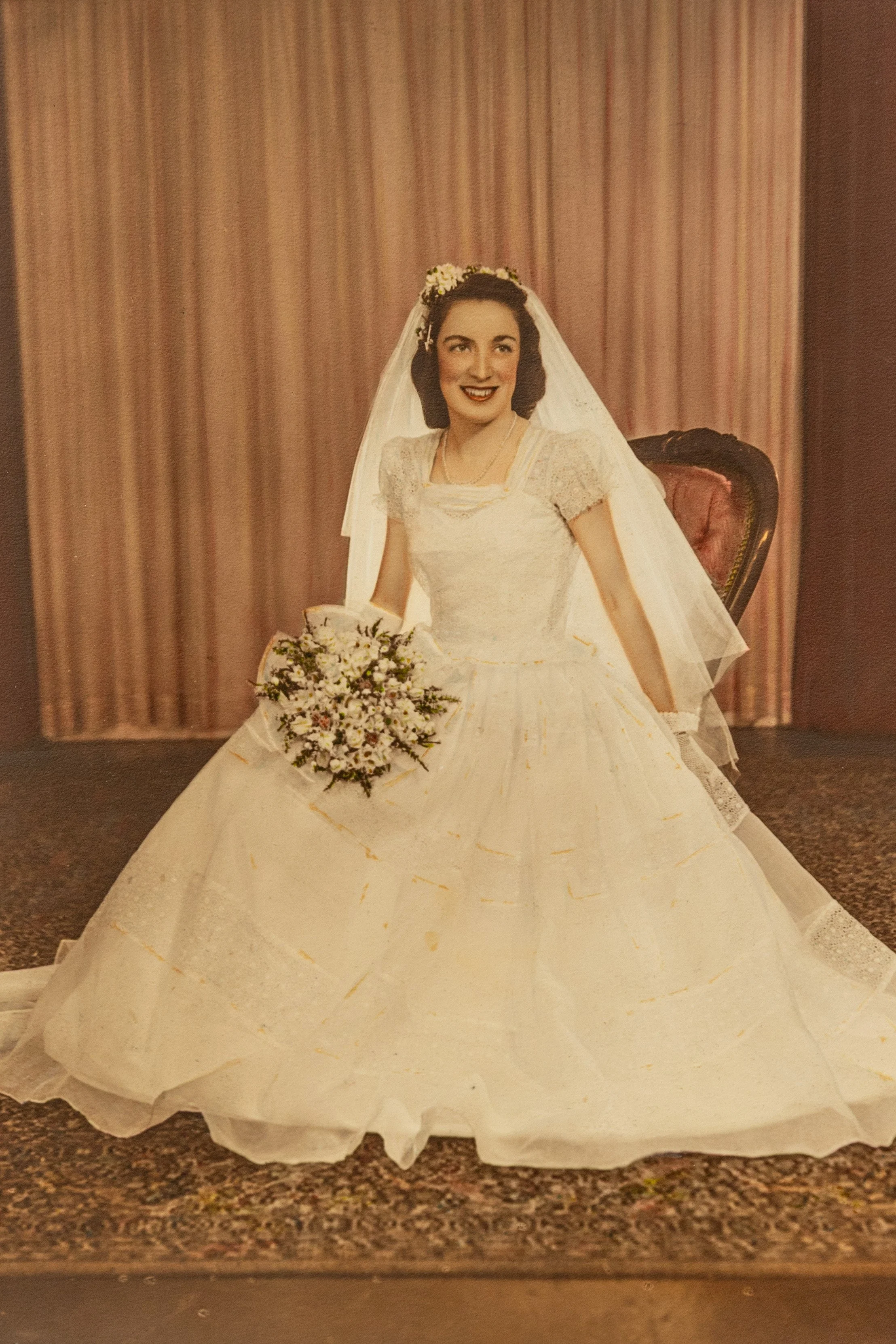
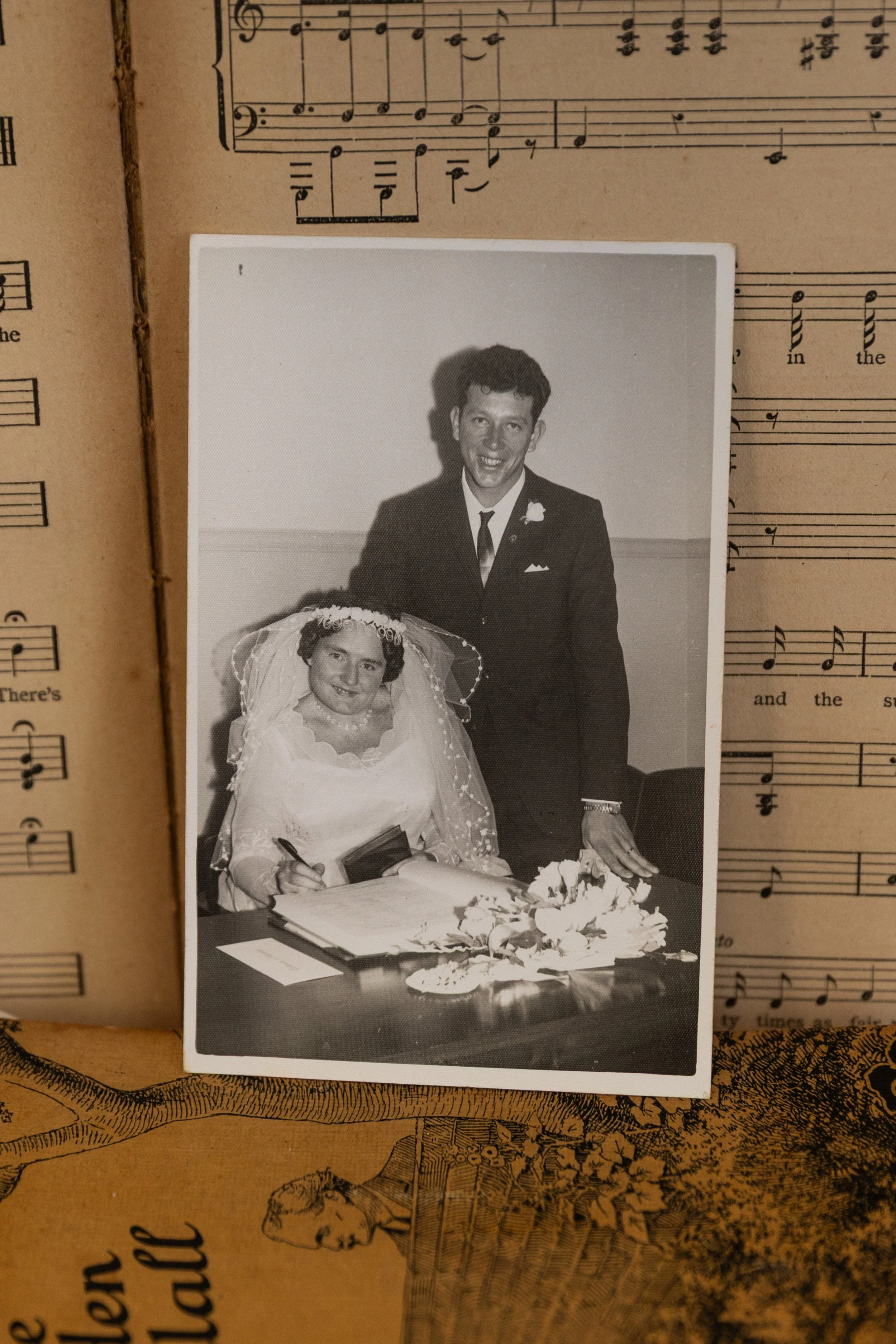
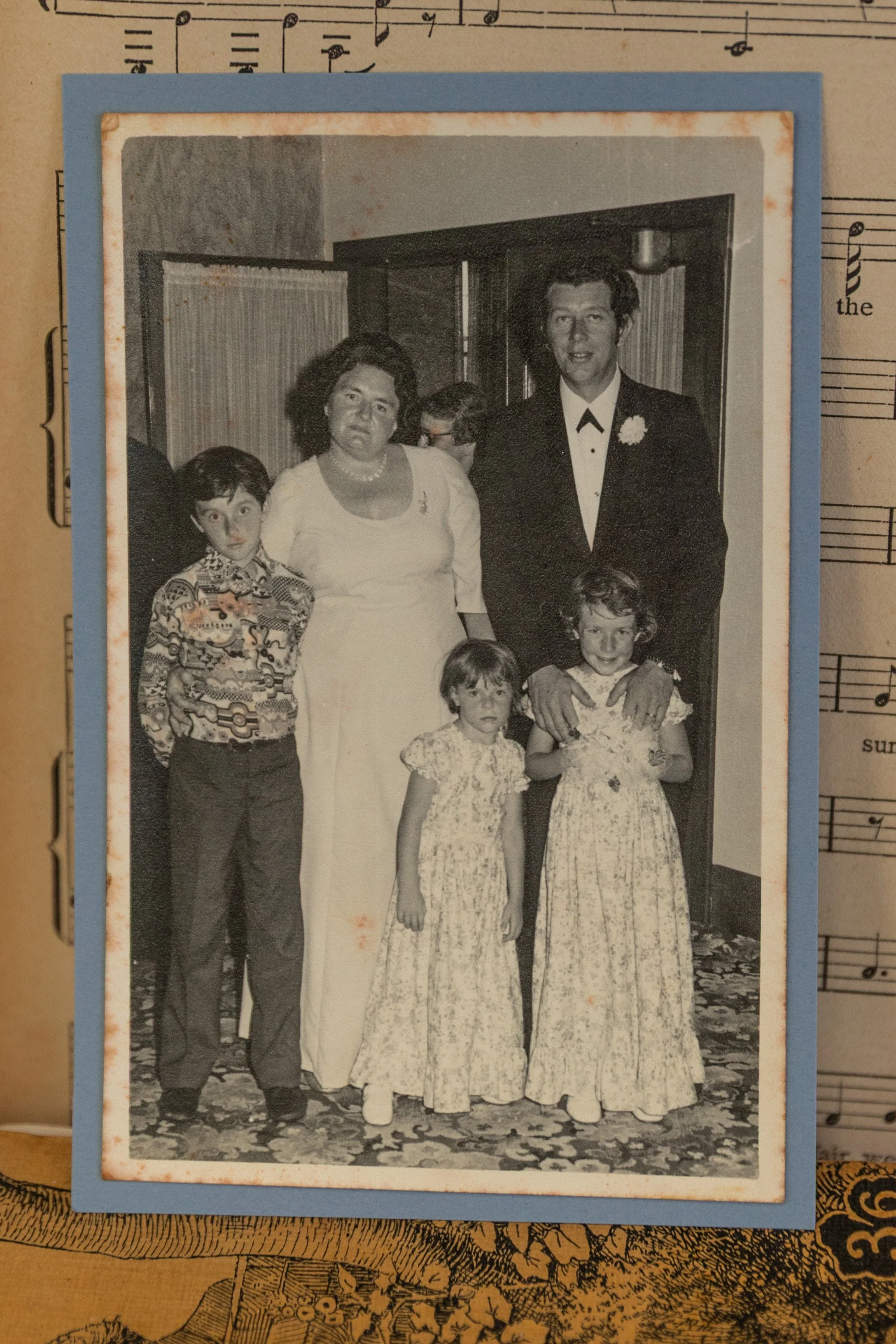
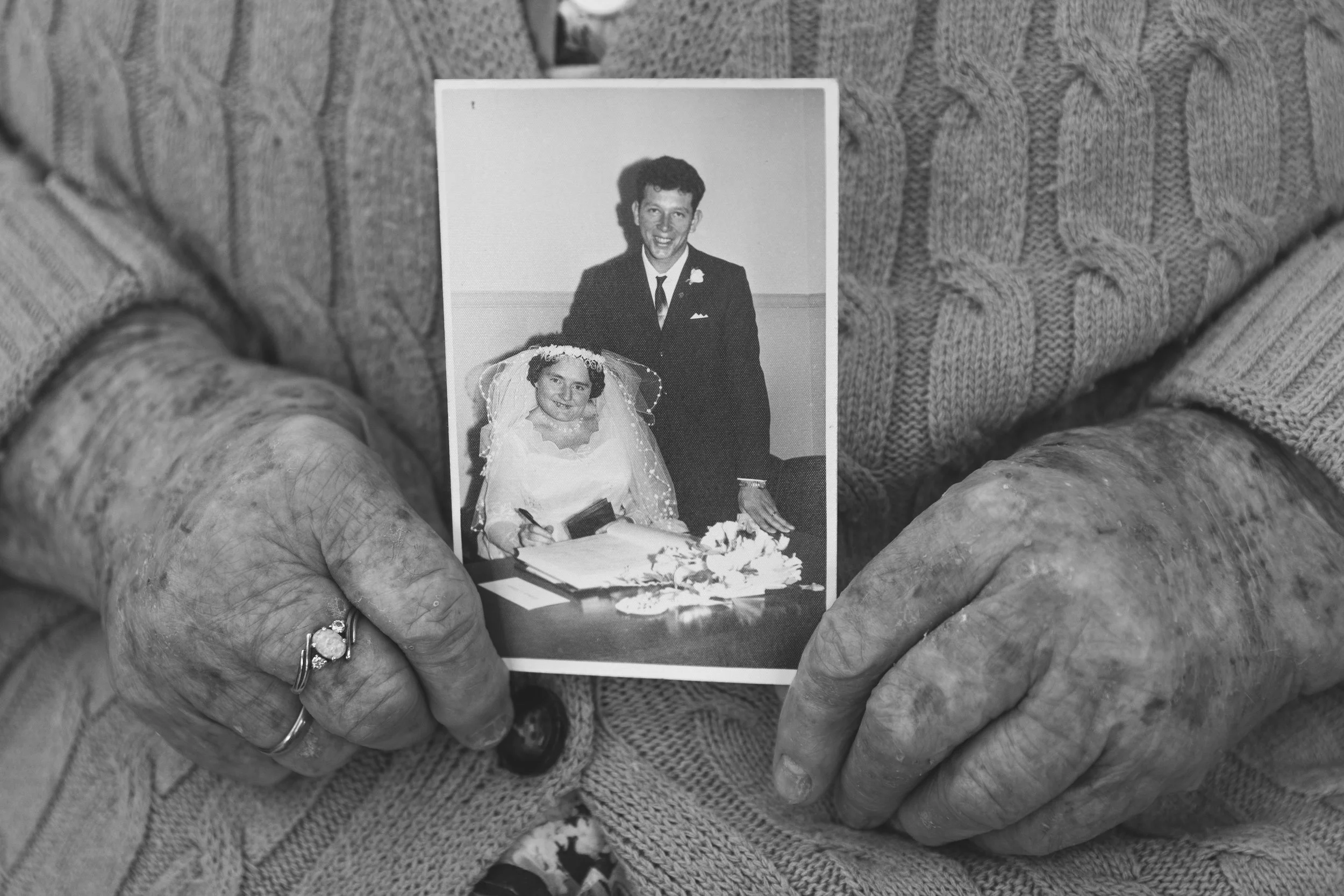
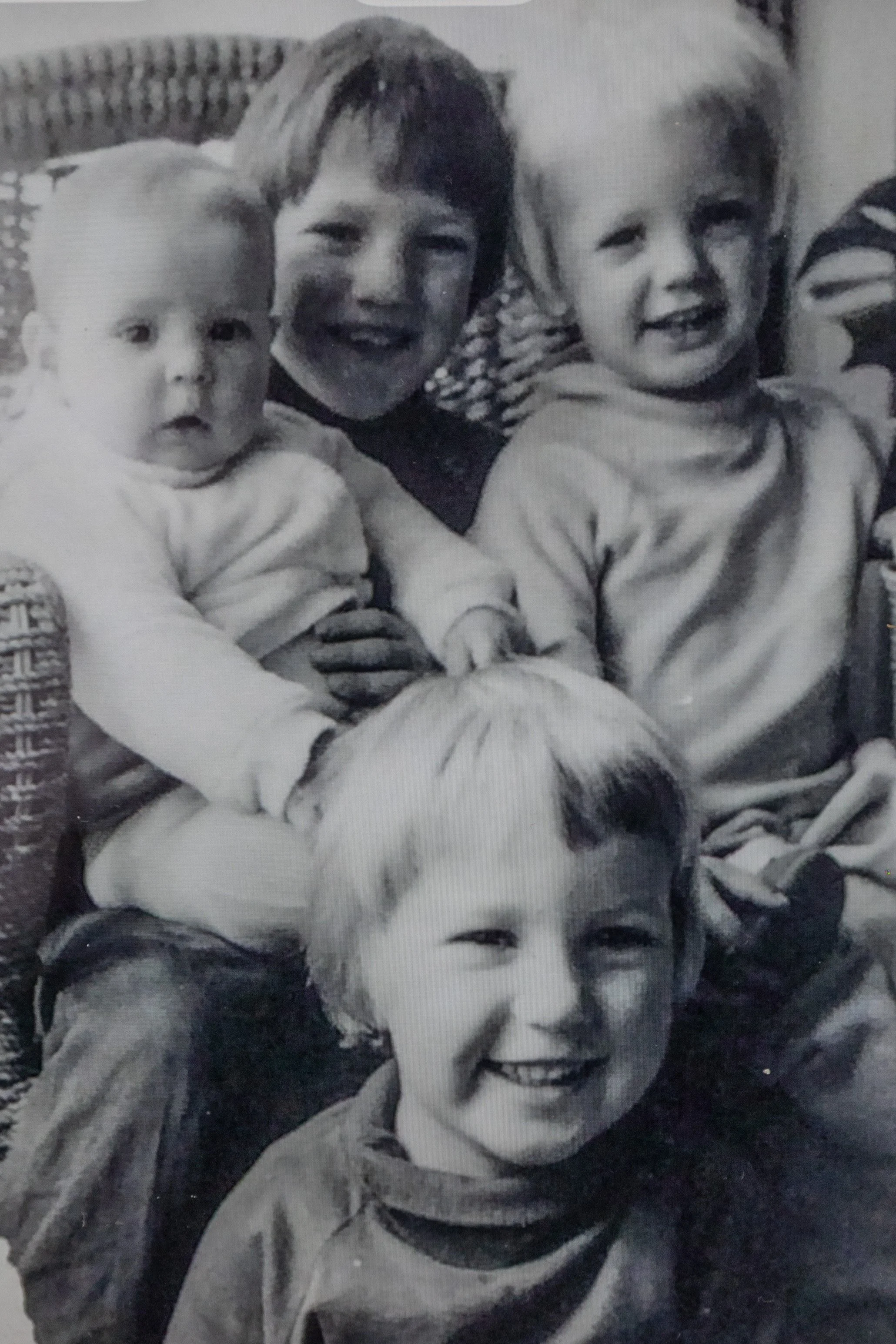
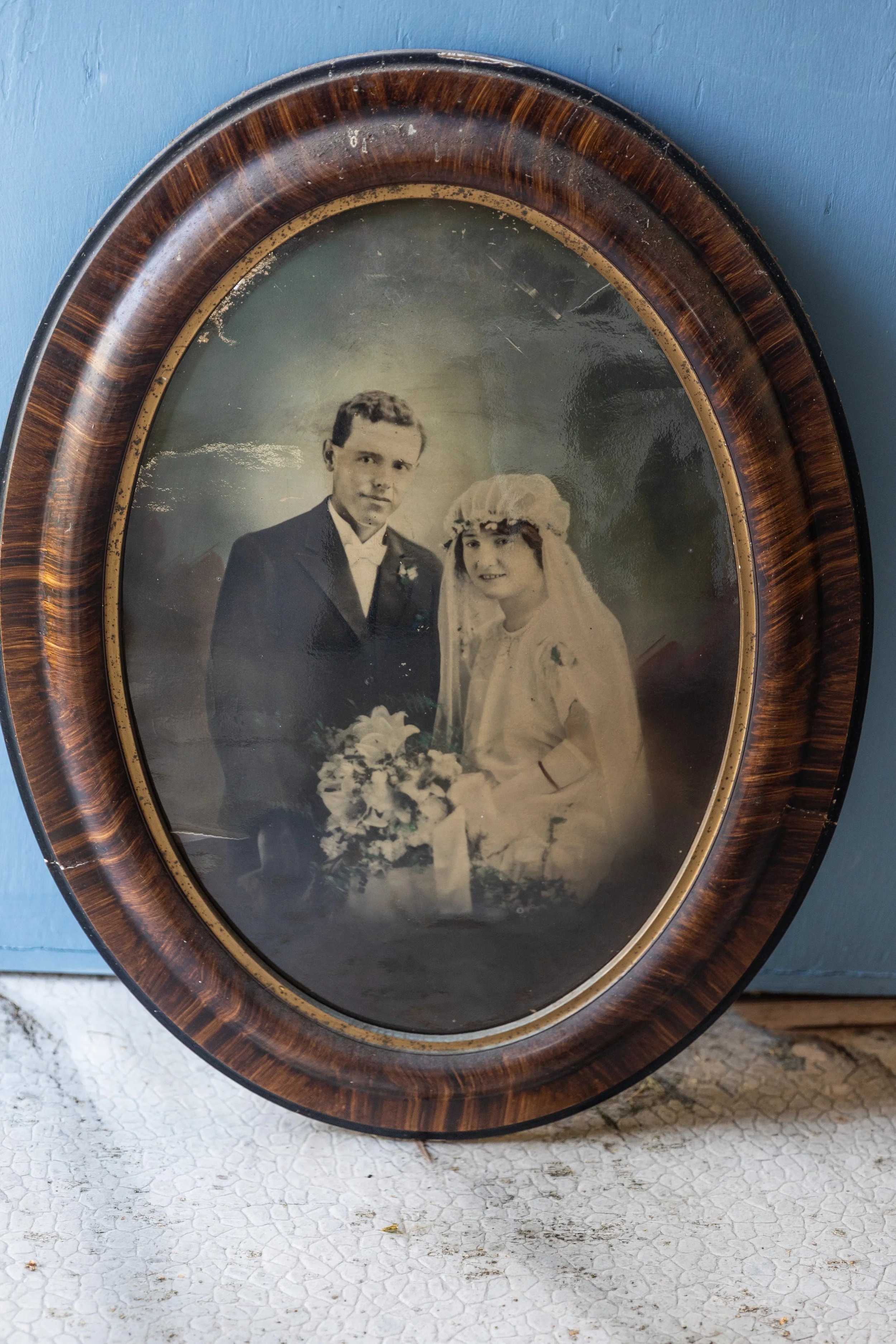
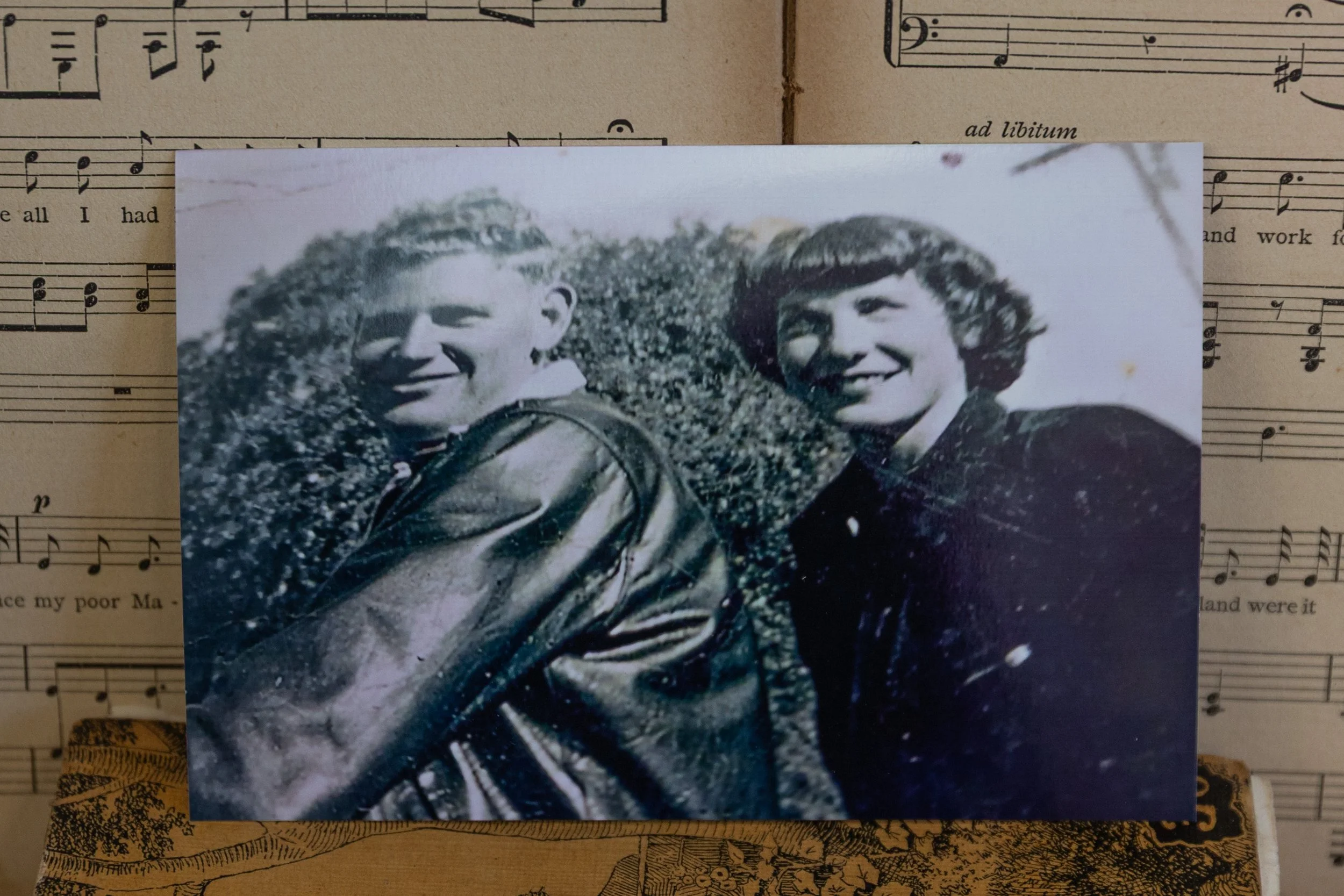
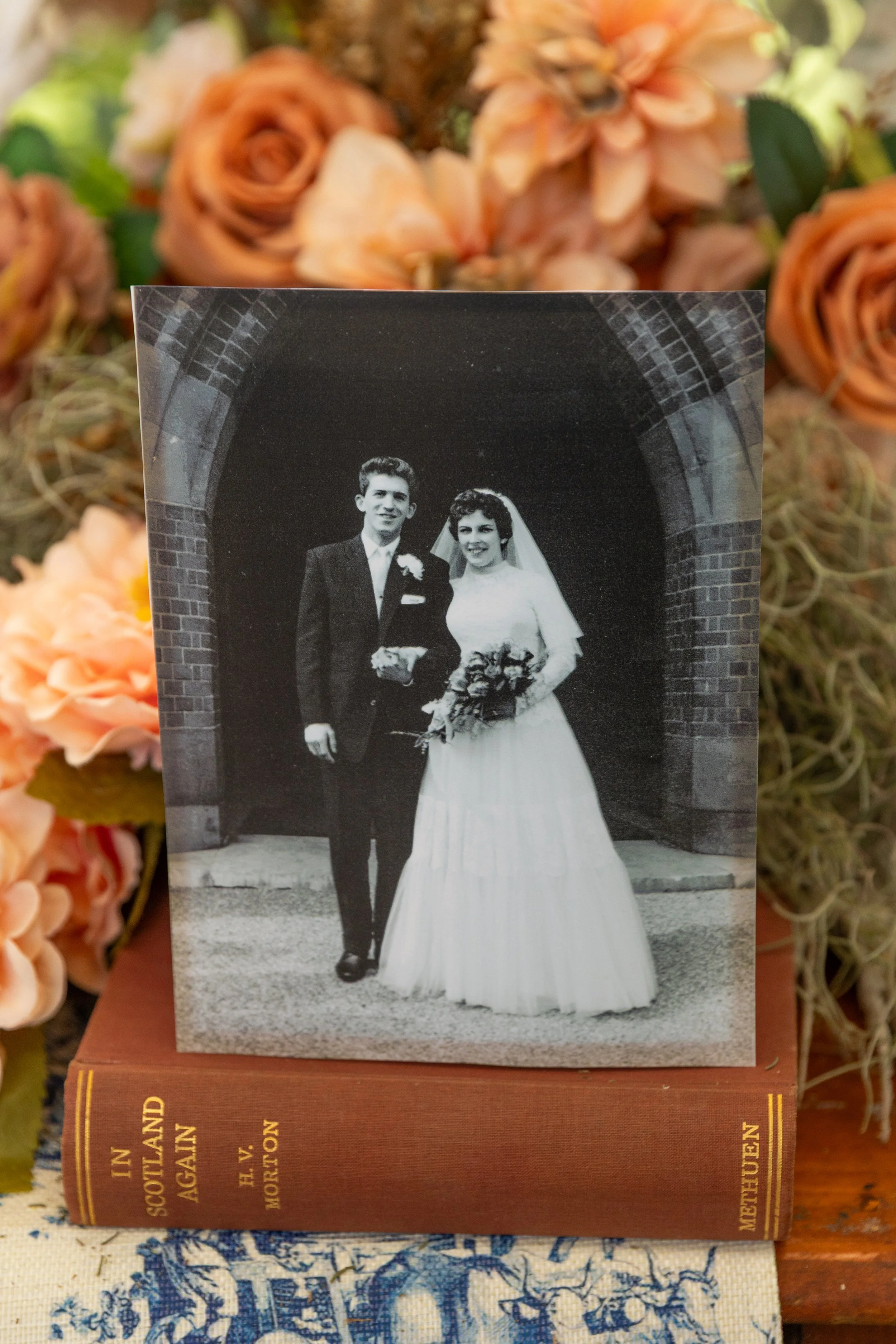
Jack met the love of his life Melvie at a party in Islington year 1945. Their relationship blossomed and they were married in 1948. Together they built a family and a life filled with love and dedication. Jack and his wife had four children, Kerrie, Mark, Shane & Tania. Family has always been one of the most important aspects of Jack’s life. Despite the many hardships he endured, he became a devoted husband, father and later a proud grandfather of ten, great grandfather of eighteen & great, great grandfather of four.
Sadly, Jacks wife Melvie passed away dementia and a tumour in her chest in January 2020 after 75 wonderful years together, she is dearly missed by him.
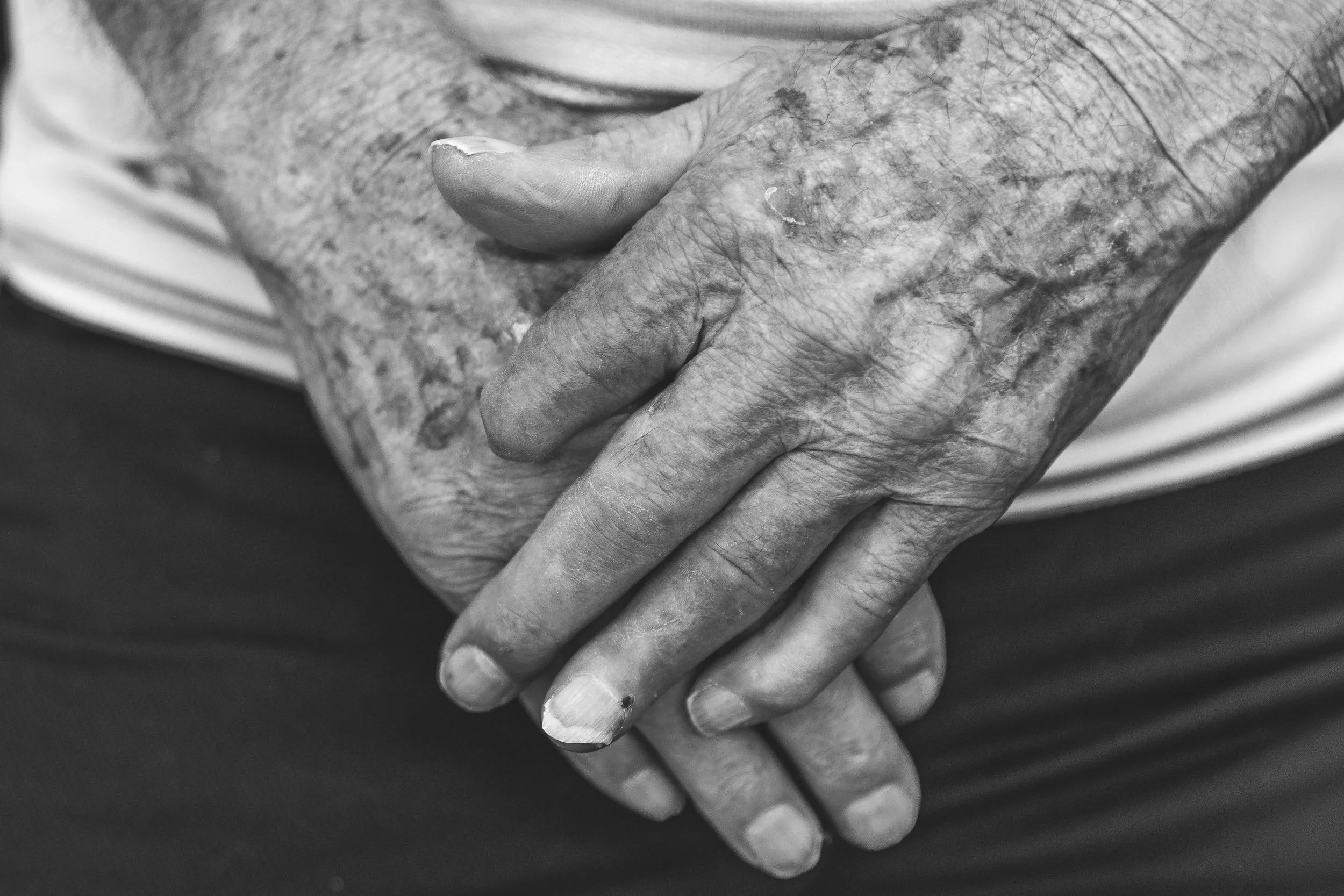
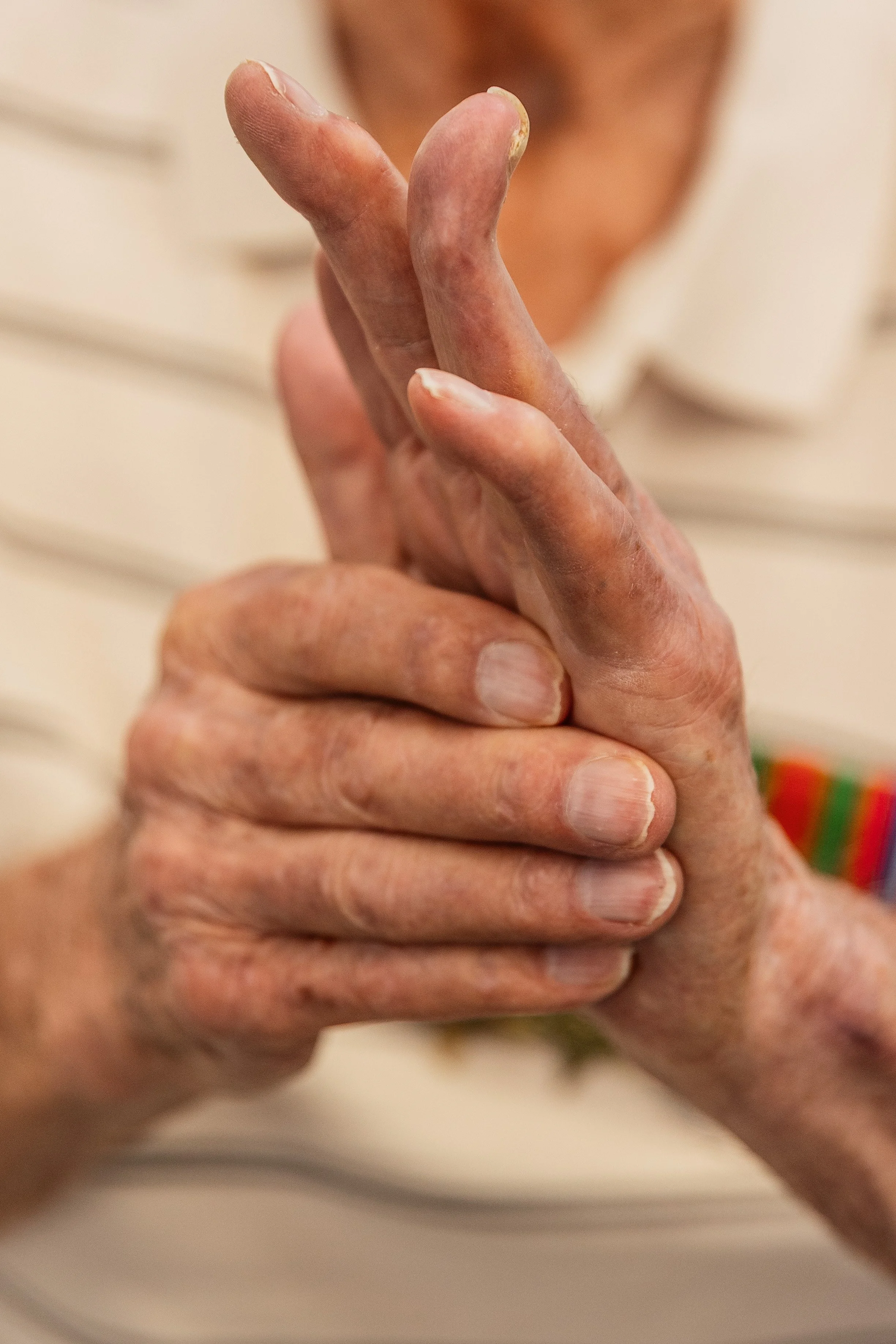
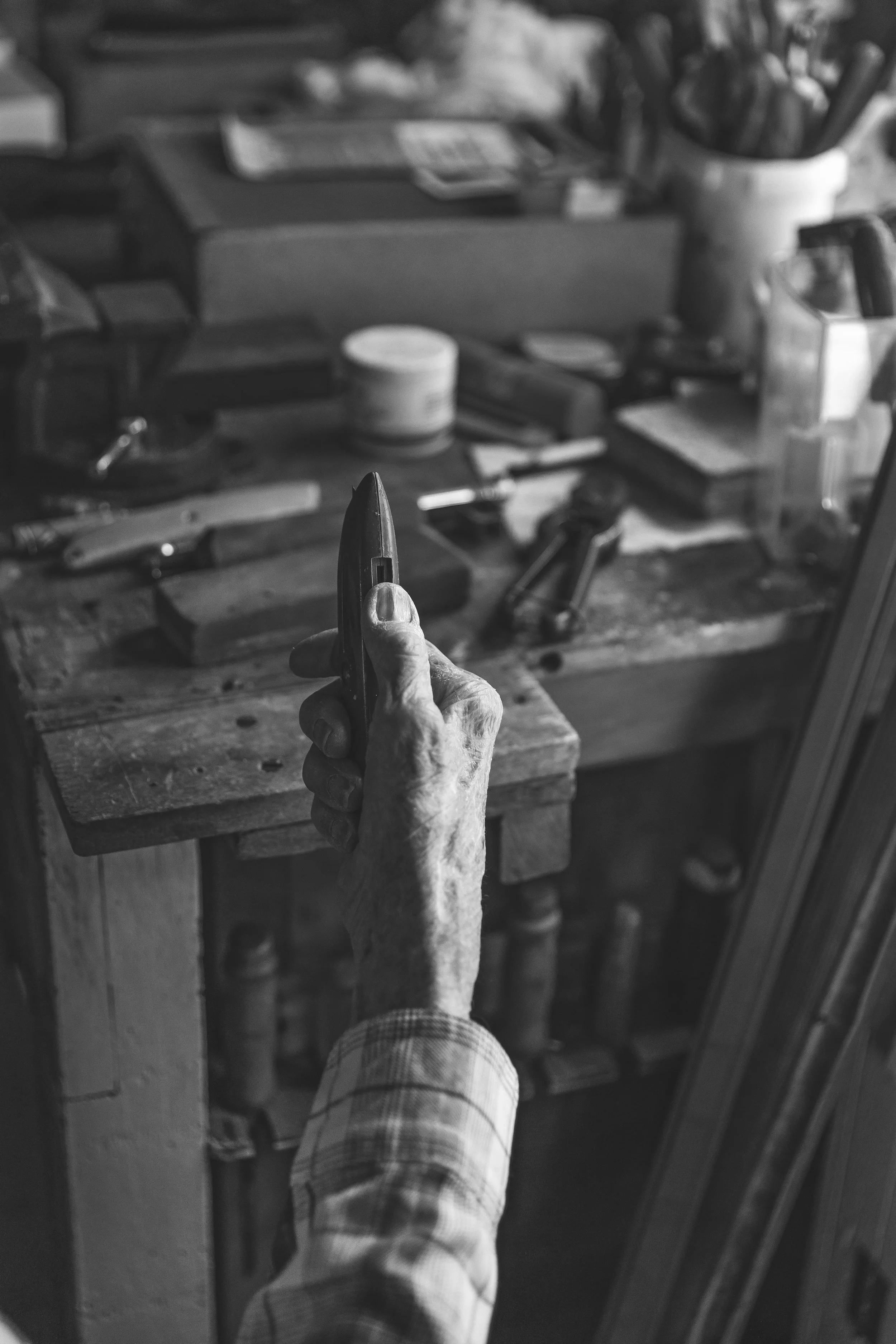
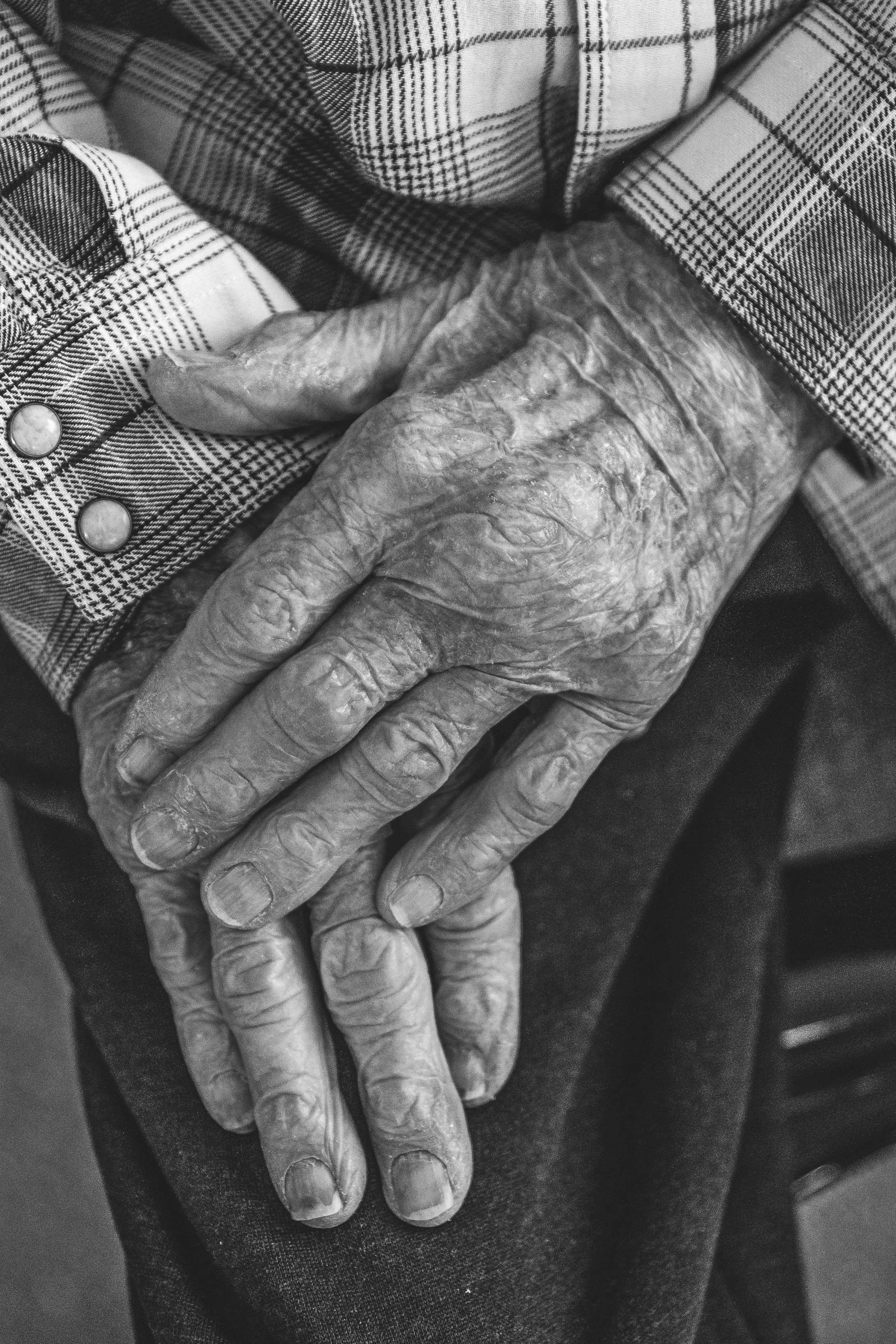
Roughly 25 years ago Jack was making a timber train for his great grandson with a circular saw, and had an awful accident. He lost part of one finger and badly broke another. The nurse mistakenly splinted the wrong finger which was only discovered weeks later when the bandages came off, leaving him with a very bent finger.
Jack did not have many formal hobbies, but as a young man he enjoyed simple pastimes such as playing cards, marbles, dominoes. He has always enjoyed watching sport and continues to take interest in sporting events.
Today, Jack’s surviving family consists of his children, along with nieces and nephews. One of his nieces completed an ancestry search that traced the families history back to the 1600’s, something that has brought Jack great pride and enjoyment.
When he was 80 he had a brain tumour the side of an orange taken out.
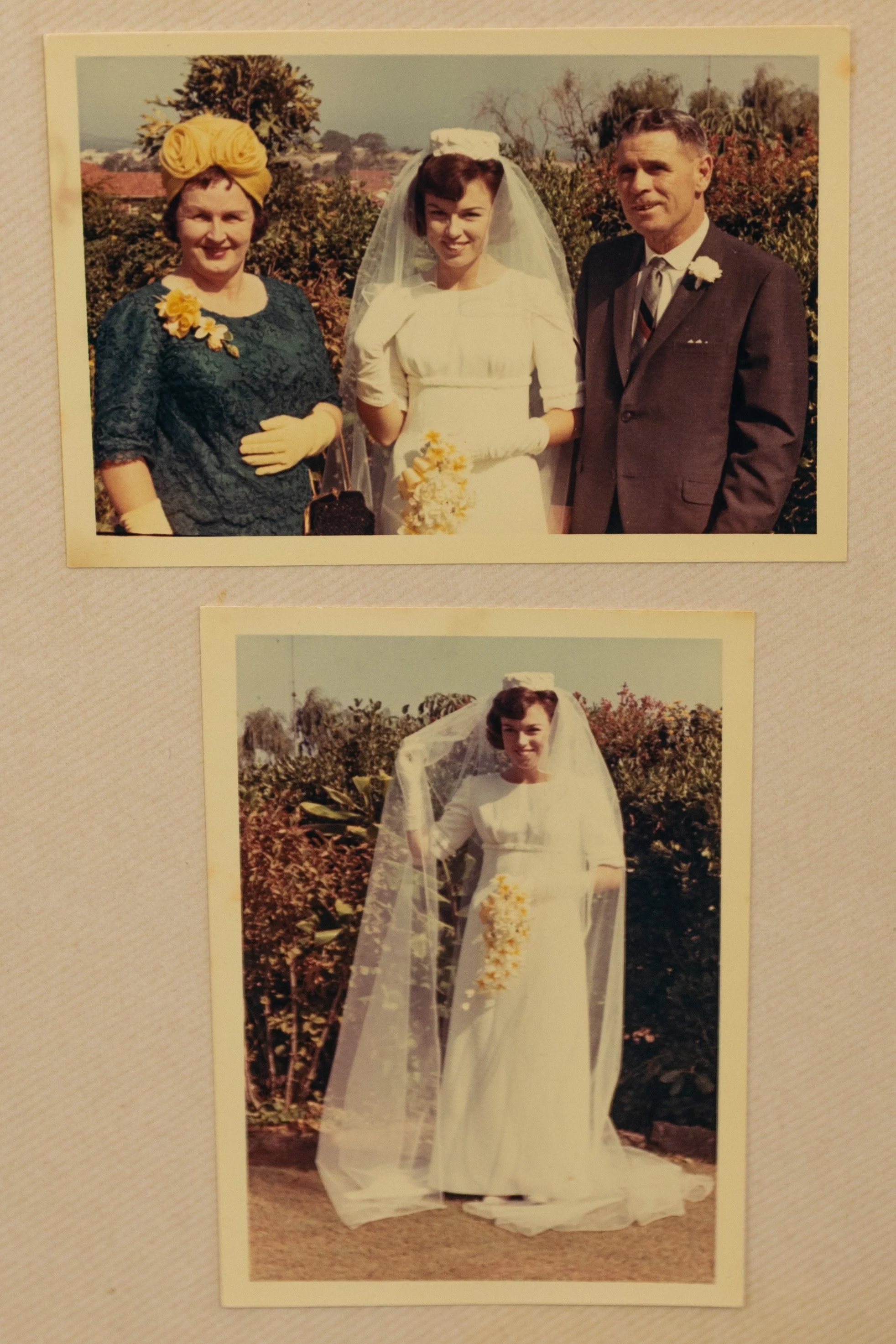
He walked his granddaughter Jackie down the aisle in 2022
Although Jack’s life has been touched by significant tragedy, loss and hardship, he has remained remarkably positive. He takes great pride in his family and the life he has built. His story is one of resilience, perseverance and strength through adversity, making him a wonderful example of courage and determination.
Jack’s life reflects the experiences of a generation that lived through the Great Depression, World War ll, and the many changes that followed. Despite enduring immense personal loss, he has remained a proud father, grandfather, and family man whose strength and resilience continue to inspire those around him
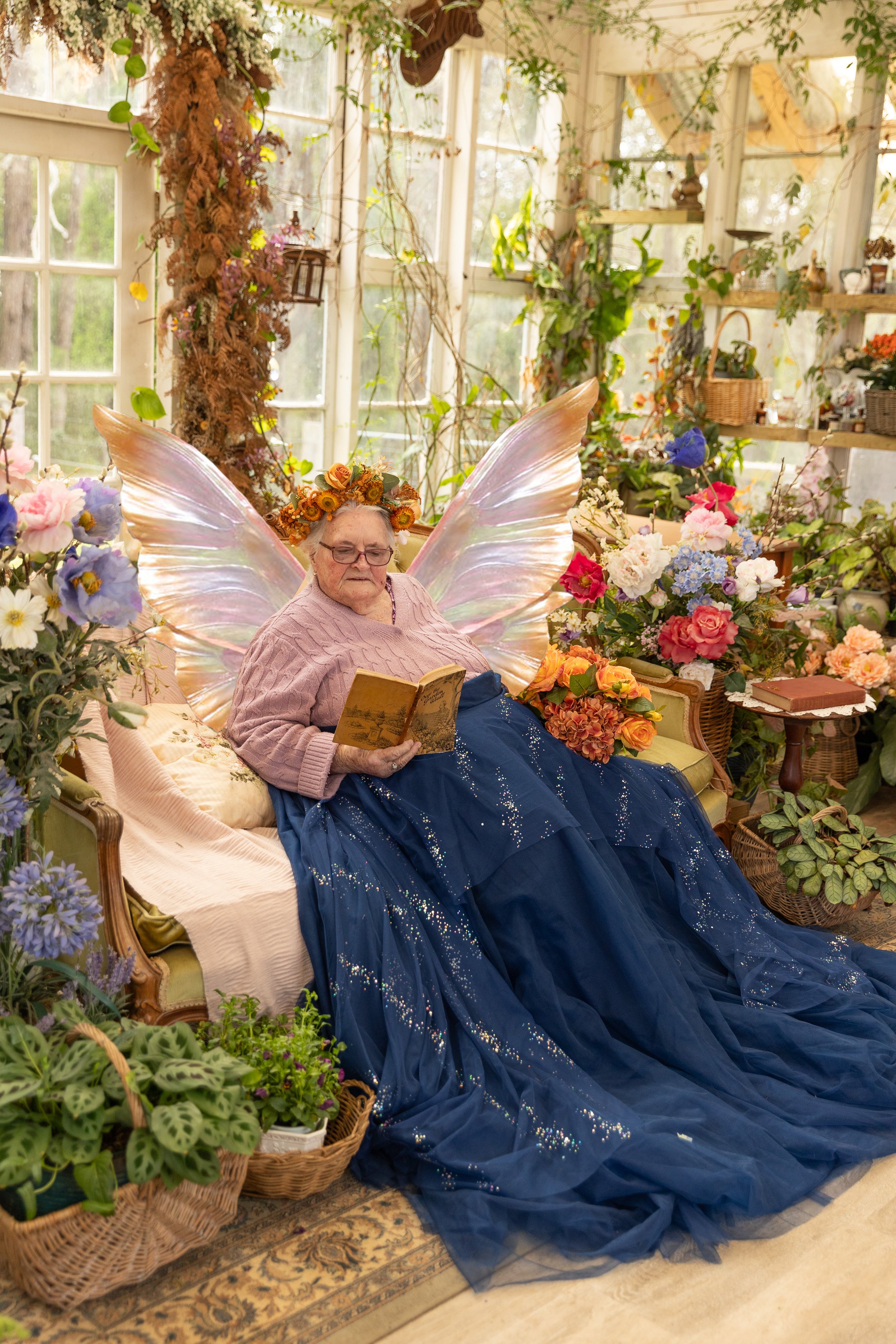
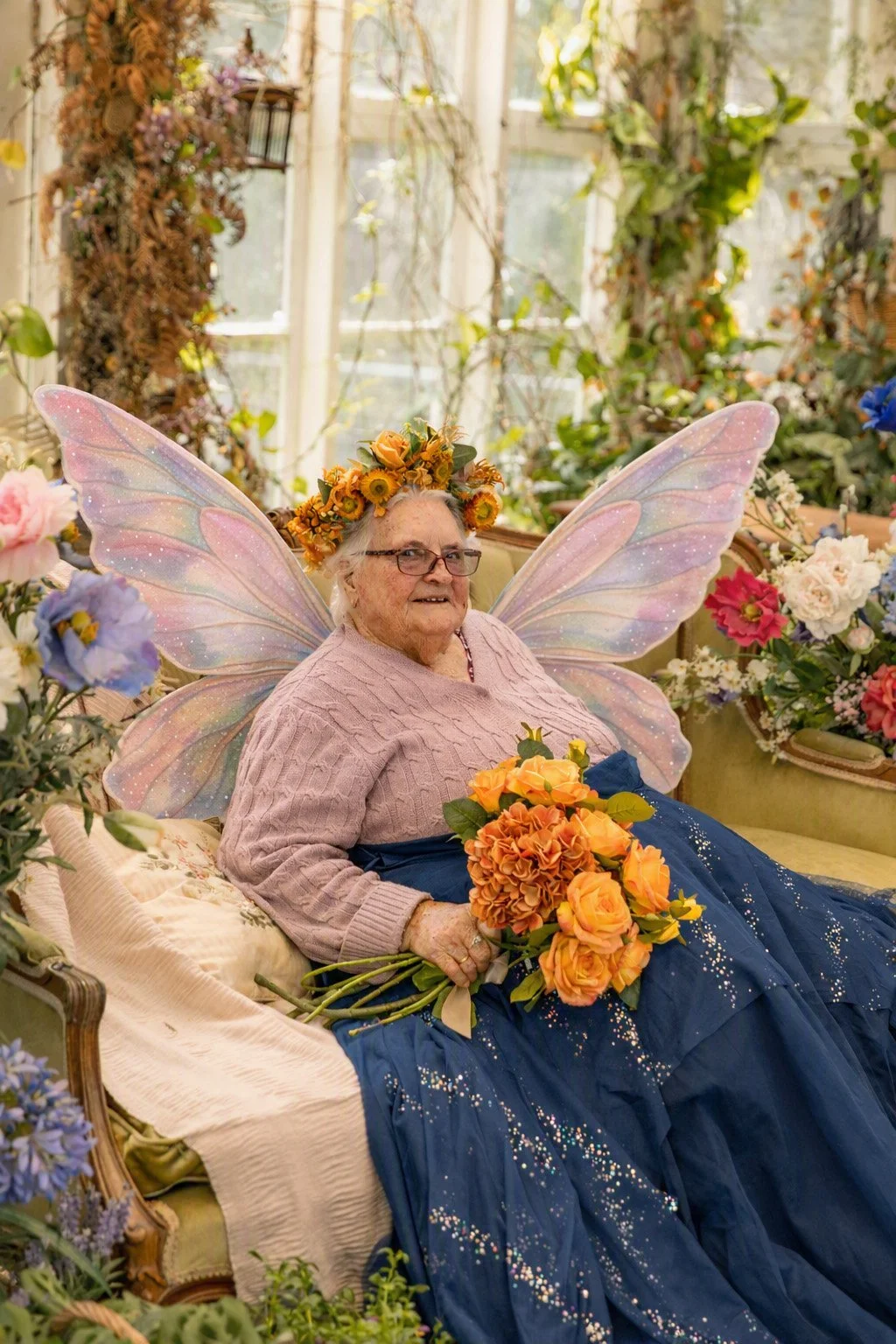
Heather Mason
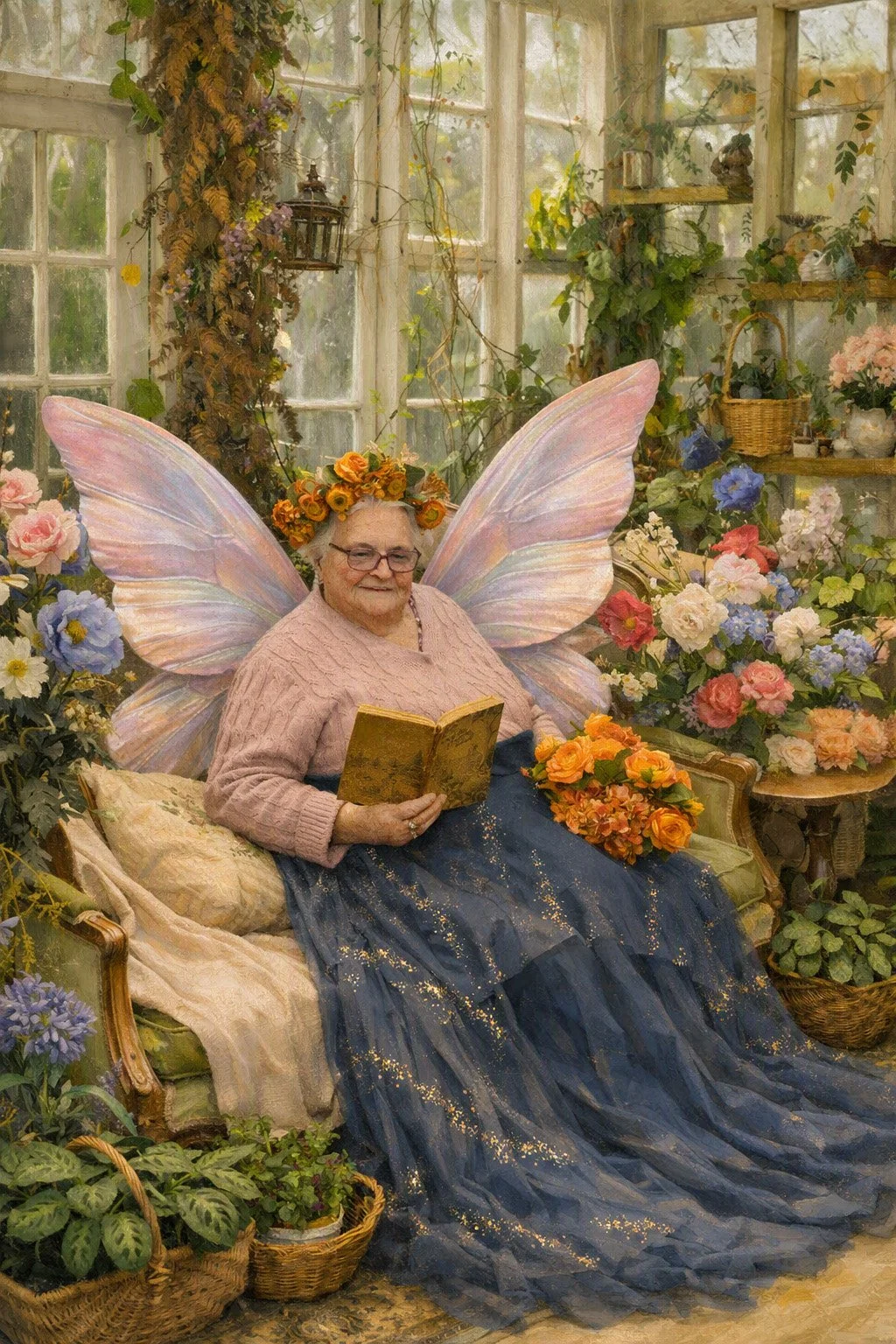
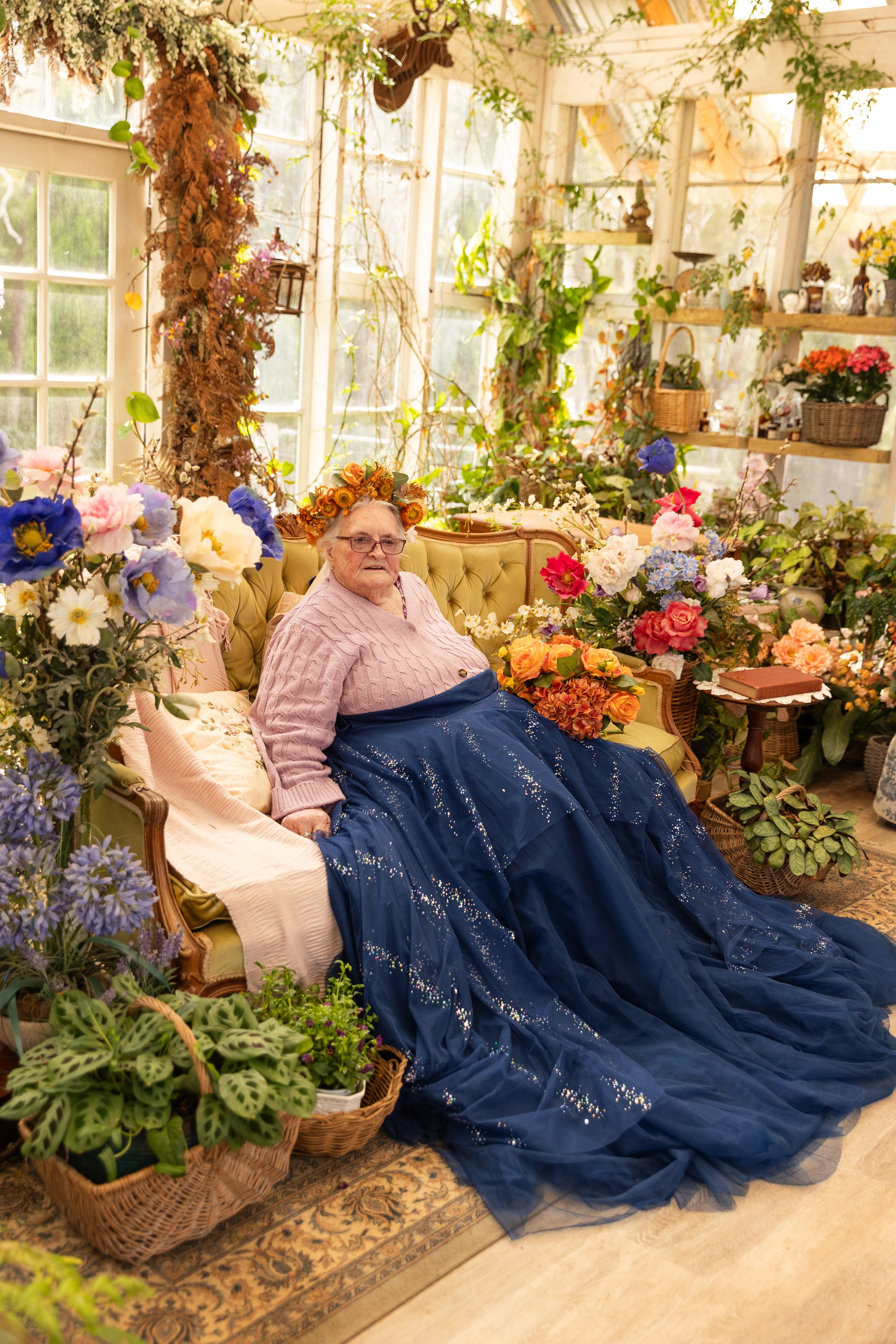
Yesterday I captured the lovely Heather. She wasn't too fussed on dressing up, but when I put my custom skirt on her & a crown, I told her she looked like the queen of the fairies. She said she loved that as she had always loved fairies, & collected some fairy statues over the years.I also turned one of my pics into an artwork of her as a fairy.
Heather mason born in Hanbury street Mayfield 10/05/1939 in a nursing home (Nurse Whitemans it was called back then) it was a 2 story house across from Mayfield RSL.
She had 1 younger brother Ted he was 10 years younger. Her mother ‘Vera’ worked at a sewing factory in Newcastle then became a homemaker when Heather was born, her father Charles was a delivery driver delivering food products for the farmers for the animals. Once Heather was born he became a bus driver in the Second World War, then became a bus driver from nelson bay to Newcastle and vice versa. Eventually he got a job at the BHP before he retired.
Heather had a happy childhood spending a lot of time at the beach in Nelson bay and Newcastle.
She was pretty happy as a child unless she had done something wrong and her father punished her. She remembers once doing something wrong and her mother shielded Heather by locking the kids in the toilet and sitting on the floor with her feet against the door stopping him from getting in and flogging her.
Mayfield east primary, secondary hunter home science high. Commercial course in cooking and sewing.
She remembers spending time at Bobs farm with friends milking cows and sitting on the bull because he was to fat and lazy to get up and walk (he was a kind bull), she also remembers her uncle used to milk the cow and spray fresh milk into ours mouths. They spent Friday nights at bobs farm social hall at the dance, dancing the night away, which was lots of fun. Her father would pick them up in the bus and drive them home.
When Heather was old enough she got a job at Hamilton Electric Lamp Works stamping light bulbs and stamping brand names on them. She was promoted as a clerk in the promontory department testing Fluro lights and sending the results to Holland.
She met her future husband whilst playing tennis. Ivan was her friends brother. He was just there on the sidelines and eventually romance blossomed, when he proposed at Speers point park Heather was taken aback and said “are you for real”
She was 25 when she got married on the 8th February 1964 at Hamilton Wesley Church. Heather had 4 children, Tony, Julie, Lesley & Neil came 9 yrs after Lesley was born, after she had Neil she worked part time in a sandwich shop in Darby street Newcastle.
She sadly lost Ivan in 1985 of a heart condition. She was 42 years old when she was widowed.Heather got some social security to help raise the children but couldn't get a widows pension,Her youngest at the time was 5.
While living at Shortland the RTA bought back the land for it to become part of the new road infrastructure so she had to move to a new area. She chose Clifteigh.
She has 14 grandchildren & 18 great grandchildren.
Heather loved travelling the world and also within Australia.
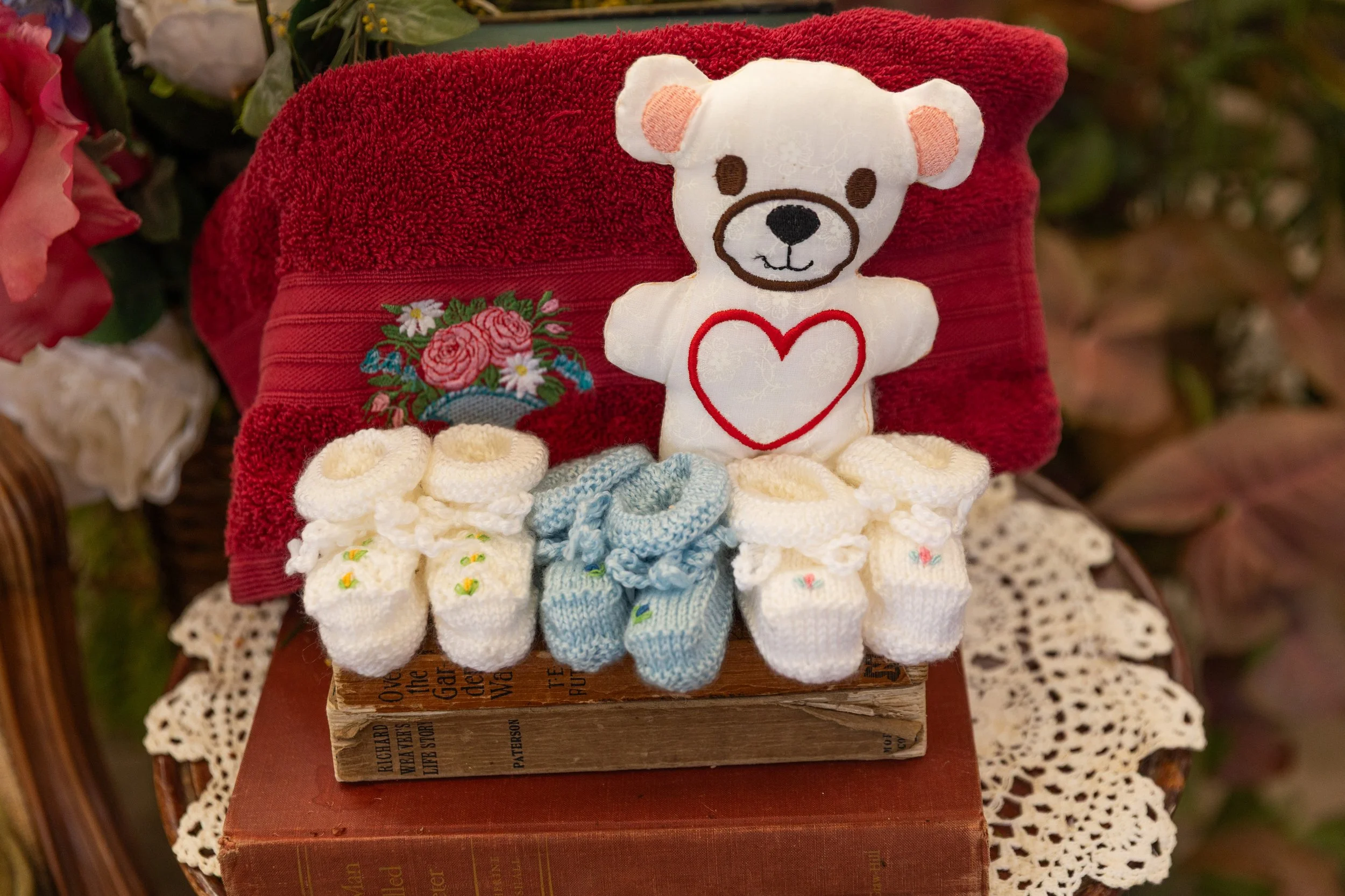
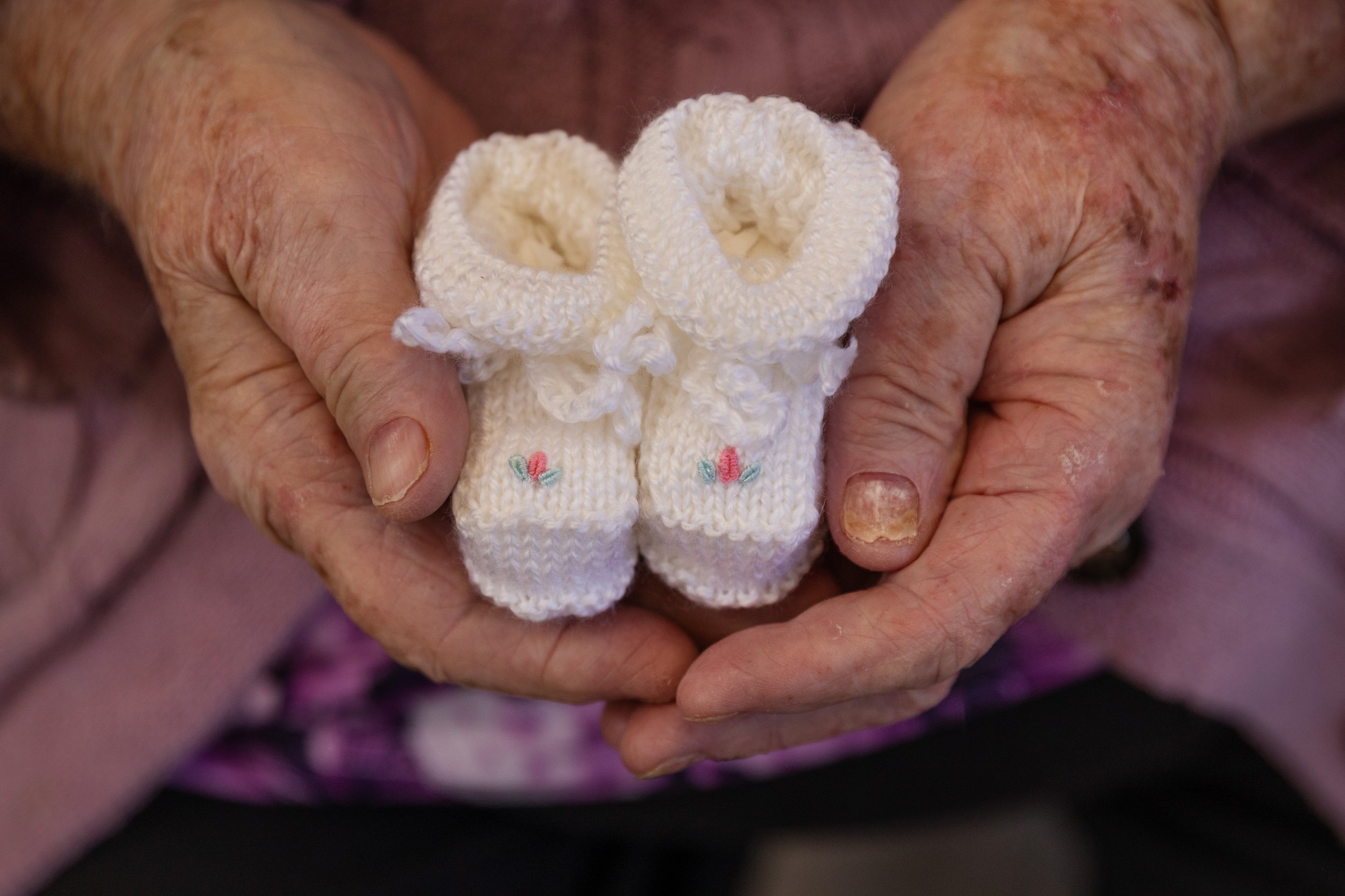
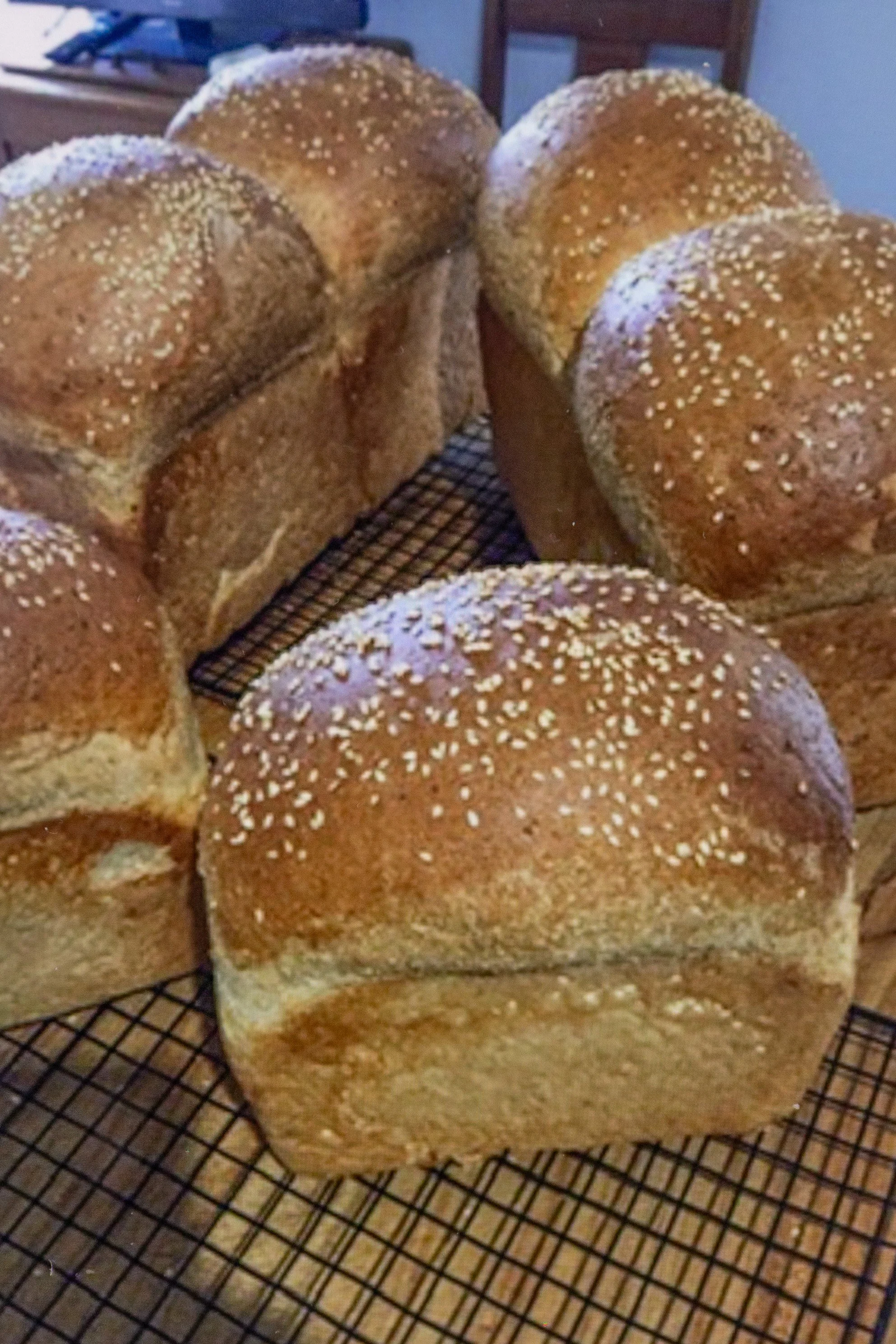
She was a very crafty person, she used to bake all cakes like wedding, birthday, christening cakes, she would bake home made bread and rolls. Heather would also sew all clothes, wedding dresses, bridesmaid dresses, christening dresses, baby clothes (everything really), She’d crochet booties for her children, then their children and also her great grandchildren as well. Every year she’d embroider bath towels with their names on them and sometimes she would add a little decal as well. She also loved to do oil paintings and water paintings.
Heather loved to go to archery on the weekends and was in 3rd grade, and became the Ladies champion!
One of Heathers favourite memories was of a dog that would come into their yard at Shortland and poop under the clothesline so she got a bb gun and shot him in the toosh. Then after that the dog would walk up as far as the neighbours house then cross the road to dodge their house and continue on its way.
She is still living at home in Cliftleigh where she has been for 36 years.
Most of her friends have passed on, and she doesn’t like going out much.
Sue Renshaw
Today I photographed the lovely Sue.
She was a hard one to get to commit to this Golden age session. But some of the other ladies at Hillview op shop kept hassling her until she agreed.
At 86 years old she is a powerhouse who still giver her time 4 days a week volunteering. After all she has endured, she really is so remarkable.
Sue was born in Elsternwick Melbourne during the second world war on November 20th 1940. She was given the most popular name in the world at that time "Suzanne Louise" meaning lily or rose. She has had the love of these and all flowers since then, her gardens have told of her love for flowers as did the paintings she did in the 90's.
Sue was the third of three girls, Jennifer, and Wendy were their names. She was born with a club foot and learned to walk with a plaster on her leg. She had this cast on her left leg for 6 months on and 6 months off until she went to school. As a child she just took the disability for granted, but as a growing teenager she was very conscious of it. Her Father was an accountant for Hoyt's theatres. Her mother collected rents & worked at Queen Victoria hospital in accounts.
She lived with her family in the seaside town of Sandringham Victoria, and grew to love the sea, the salt the sand and the shells. She attended Firbank, a lady's college in Sandringham. At the age of 10 the family moved to Croydon, which was then a small country town in 1950. They lived on 2 acres, had goats and pet sheep as well as cats and chooks. They wandered and played in the hills and paddocks around Croydon/Mooralbark which are now housing subdivisions.
From there they attended Merton Hall, the Church of England Girls Grammar School in South Yarra. This meant quite a bit of travelling, but all the homework was done on the train, so it was not all bad. Every school holidays for a number of years, & from a young age, they travelled by train unescorted to Horsham then on to Natimuk, where they spent hours of freedom on their grandparents farm, they learned to ride horses, dig up rabbit burrows, catch rats at night, feed baby lambs, wander the hills and admire the silvery salt lakes, catch tadpoles, go yabbying, milk cows etc. They were wonderful times, especially running down hill in an old in water tank, not knowing where it was going, but running inside it.
When Sue was just 16, she left school and attained a job with the Department of External Affairs in Melbourne. She was there until she could start nursing at the age of 17 and a 1/2. It was here she taught herself to type, this enabled her to do more than her job required. She met people like Lord Casey, Douglas Wilkie and Phillip Law, who manned the first ship the "Thala Dan" to Antarctica. They were interesting years.
In this period, she developed Tuberculosis. It was only detected due to large x ray stations being set up at Melbourne station & due to knowing other with the illness she got tested. They completed a procedure called a Mantoux test. they put a needle under the skin & if infected it would leave a welt n the arm. Sue said hers became huge & swollen She had no symptoms, so no idea she had it. The aim was to encapsulate it so it could not destroy her lungs. Most patients were sent to a sanitorium for treatment, but her Mother insisted on keeping her at home to be cared for. Sue had to be isolated for 6 months & had treatment which thankfully contained it.
She enrolled in nursing at Prince Henry's Hospital in Melbourne and spent the next three years attaining her nursing certificate. It was hard work, 10-12 hours per day, nurses had much more manual work to do than the nurses of today. But she enjoyed work (mostly) & passed with flying colours.
Then the wanderlust" struck. She had heard that nurses were wanted on Thursday Island. She wasn't sure exactly where it was but applied for a job there all the same. (It is situated on the tip of Australia, 90 miles from New Guinea) She was accepted and commenced work in October 1962. Her first flight in a plane absolutely thrilled and frightened her, as they flew out of Cairns towards Horn Island. The air strip on Horn Island had been made during the war in the 40's, and was small, but accommodated the Focker Friendship plane. The passengers had to then get on an antiquated ferry to get to Thursday Island. Sue had met two nurses from the Royal Melbourne Hospital on the plane, and by the time they reached the island, they had cemented a friendship that lasted for the rest of their lives.
As they reached the wharf, it looked like everyone on the island had come to look the new nurses over. There were waves and cheers and a lot of happy faces. What a welcome
The work was the same as in any other hospital, except all the patients were islanders and aboriginal. Black and brown faces instead of white. Sue had never seen a coloured person before so this was quite a novelty.
On the Saturday night after arriving, a party was given for the new nurses to meet most of the young single men, and that is when Sue met Alan, the love of her life. He had migrated from England to start a different life in Australia. Their dates included bike riding, walking along the beach or the road, walking up the hill called Green hill, walking a couple of miles into "town" to have a milk shake. There was not much else to do other than fishing. This went on for the 6 months that Sue had signed on for and she left to return to Melbourne in the March of 1963. Alan had signed on for 12 months and he followed her to Melbourne in the August of that year.
Sue then signed up to do the Midwifery course at the Royal Woman's hospital Melbourne, which she thoroughly enjoyed and topped her hospital exams by getting 99 percent in her final exams. After that she applied for a job in a Surgeons rooms and worked closely with Mr Desmond Hurley, a Colin Street specialist for 2 years. He did not wish her to leave, but as Alan had moved to Tasmania with his job, she had to go to be with him. They were engaged by this time.. On her first day in Tasmania, she gained employment with a firm of doctors, where she was for 18 months and then she changed jobs and worked for the government in the school medical division. This job took her all over the north east of the state of Tasmania where she tested eyes and ears of the school children and learned to cope with any medical problems that arose in those schools.
Two weeks after arriving in Tasmania they were married in the Seventh Day Adventist church in Launceston as Sue did not wish to be married in a registry office "Any Church would do" so long as it was a church.
Sue's parents were against the marriage, as Alan did not have a profession, money or position in the community.
Sue and Alan were not Seventh Day Adventists, but as their bible studies progressed they realized that this is what they wanted, and were baptized about a year after they were married and as the children were born they dedicated them to the Lord. They were blessed with four boys, Dean, lan, Brad and David. They then set about like magpies providing for their needs and their schooling. Alan started a "road sweeping business" unknown before in Tasmania, and it thrived and grew. This kept food on the table, while they remained in Tasmania.
They left Tasmania in 1984, so the boys could have the benefit of Christian secondary education, and be close to Avondale College, Sydney and Newcastle Universities,
They started a little business in 1985, making potting mix, bagging manures, barks and fertilizers which grew considerably and was able to employ the boys as well as local people. Sue learned to drive a fork lift truck and a front end loader, and many of you would have seen her on these machines. Loading 20 pallets of finished product onto a semi trailer was her forte. Some of her staff considered her "the best boss they had ever had" and one employee who later became a supervisor for another company, wished to model his efforts as a supervisor on Sue's example.
In 1996 Sue found out sha had breast cancer & had to undergo surgery to completely remove one breast.
In the year 2000 the business took a bad turn and the 10 employees all had to be laid off. This was a sad day for everyone, as all had worked so hard to help build the business up. Sue and Alan continued to work as a two man team for a year, but it was like beating their heads against a brick wall. They sold most of the machinery to another firm and retired from active work.
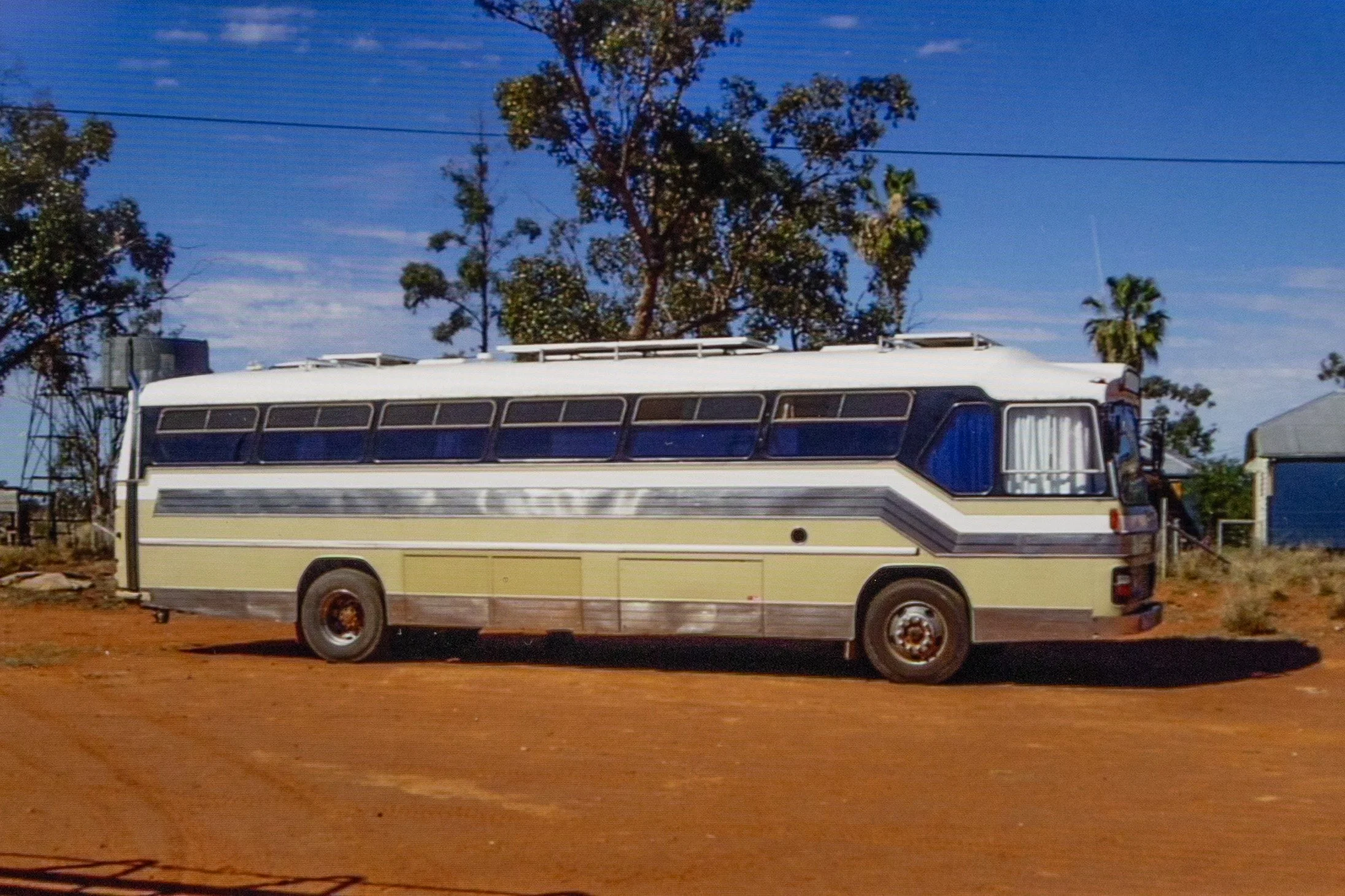
They bought a school bus from a Sydney bus company, and decked it out. They called it "Rolling Thunder" and then had the best 9 years. They first travelled the East coast, then Inland Queensland and NSW and the NT. Then they decided they were only "taking" and not giving back, so they joined "Farm Sitters" and went from farm to farm, helping the farmers on a volunteer basis, learning new skills and meeting new people. They learnt to drench sheep, help with fencing, feed sheep and cattle in drought stricken NSW, plus many more farm skills, and general farm work. It was very rewarding.
Sadly Alan passed away on 4th November 2010 just after they had returned from a farm at Cunnamulla. He had had no symptoms, until his right lung collapsed. The asbestos disease that he had contracted in Tasmania in the 1970's had killed him. They didn't know he had it until it was almost final.
Sue and her family were devastated. She threw herself into volunteer work, working for the women's refuge in the Cessnock OP shop and the Asian aid op shop.
She attended the spinning club and the lapidary club, to ease the pain and keep doing something. Her friends were wonderful, her family was wonderful, but life was not the same. Her soul mate of 48 years had gone BUT Alan's faith in the last 12 months of his life had shown her great strength, and that helped her to cope with her loss. Her hope was his hope, that they would meet again on the Resurrection morning and spend Eternity together with their boys, grandchildren, loved ones and Jesus.
Sue and Alan will sleep together in God's little acre, until Jesus comes.
In 2012 Sue's breast cancer returned & she had to have the other breast removed as well as a total of 32 lymph nodes.
Sadly her son Dean died of Bowel Cancer in August 2020, He was living in the USA so Sue travelled there 10 times in 6 years to be with him & his wife. She wanted to be there to support him with the necessary surgery & chemotherapy. She was lucky to travel to Canada, Alaska, Kentucky, Ohio & The Grand Canyon solo while times were quiet between Dean's treatments. They nursed Dean at home until his final days. Covid was in full swing so she came home soon after he passed away.
She then joined the Adra Op shop ( Now Hillview) and spent many hours per week concentrating on volunteering, mainly in Jewellery & Haberdashery. With the volume of donations it has become almost a fulltime job. She still works 4 days a week 6-7 hours a day. She has made some very special friends there & reconnected with many others.
In 2023 Sue underwent open heart surgery for a severely leaking Mitral valve. Following surgery & 6 Cardioversions her body weakened & she found it hard to get around normally. It was hard to get up just one step. With time & determination her busy life has resumed & she was able to most of her normal activities including her volunteering.
Alan
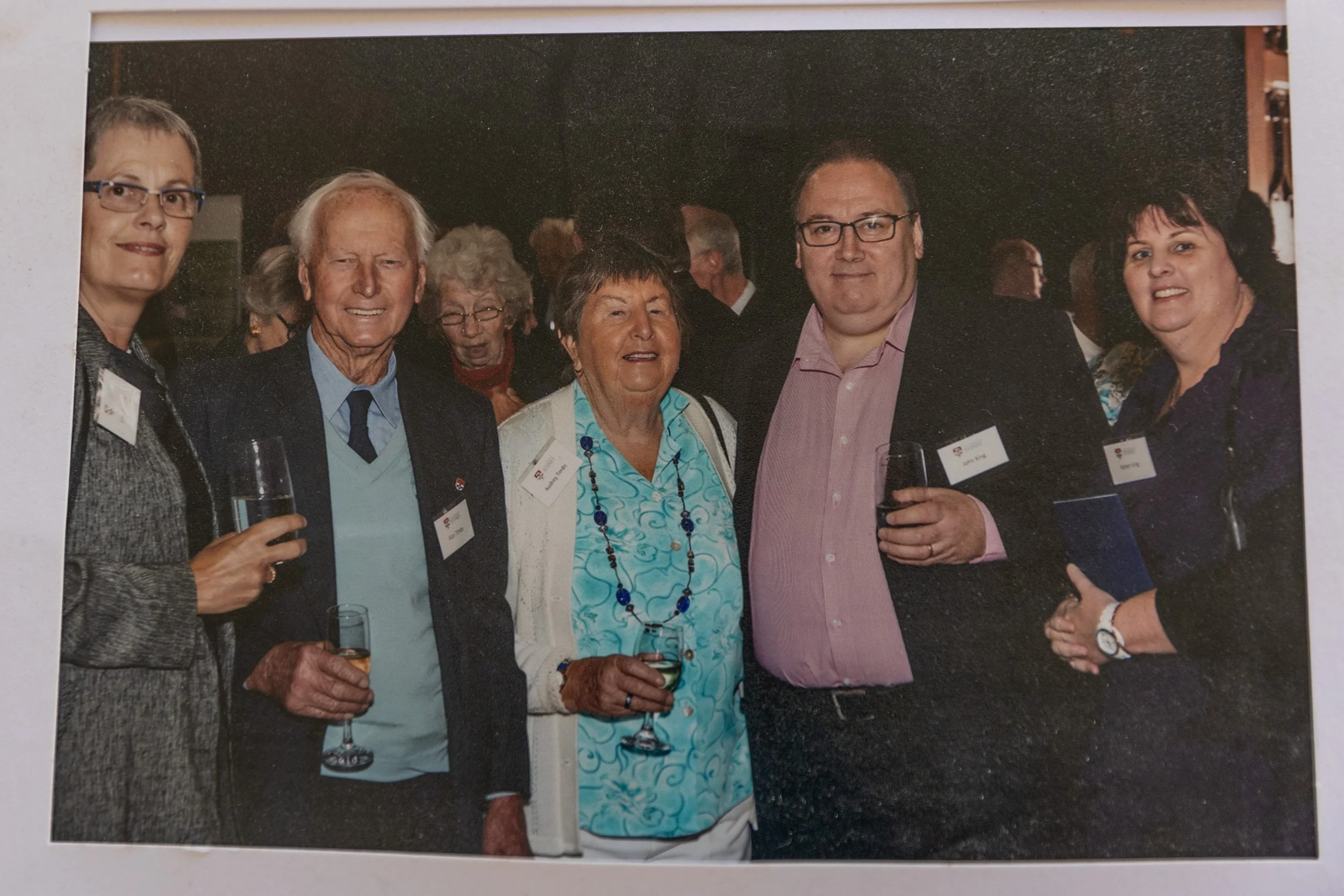
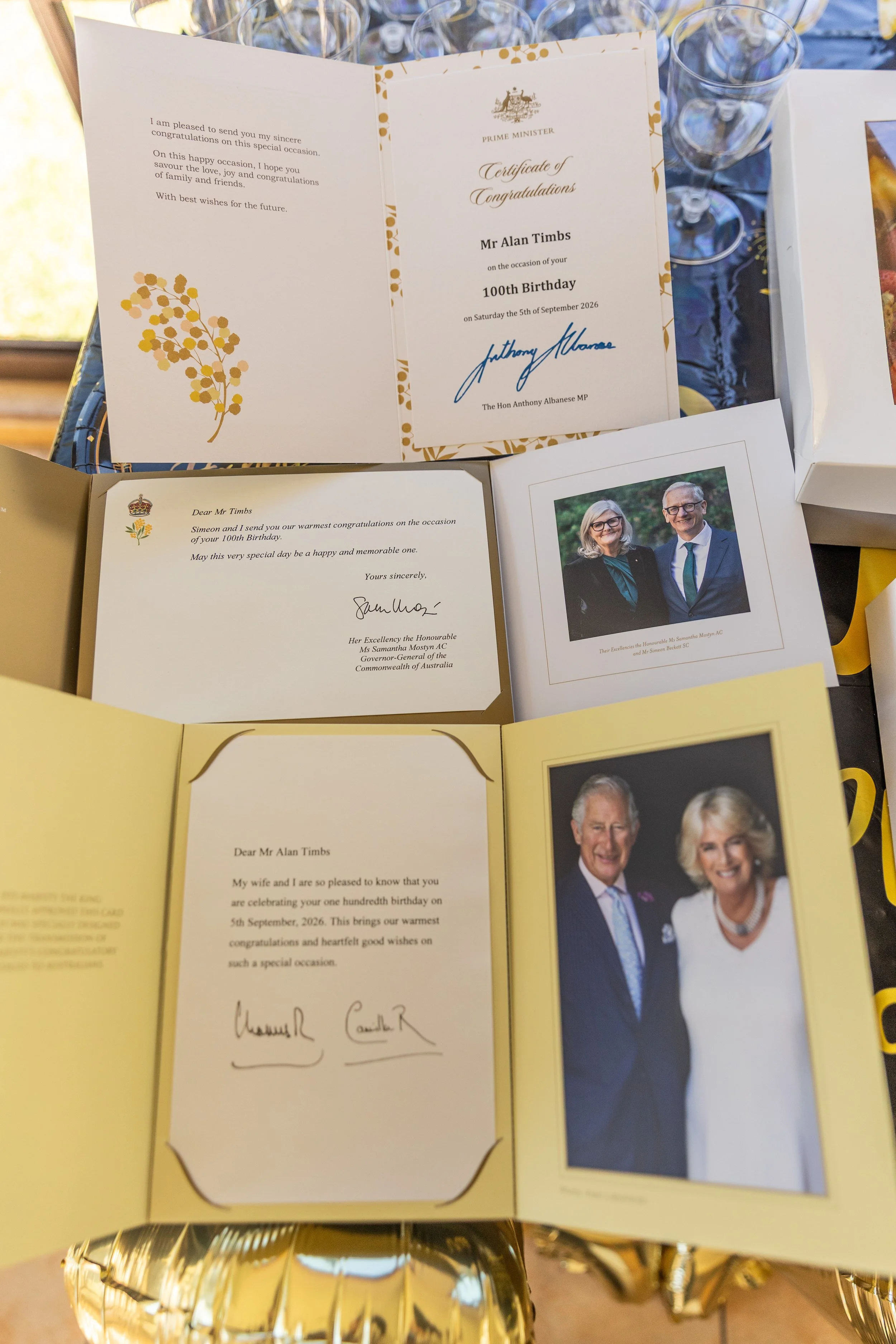
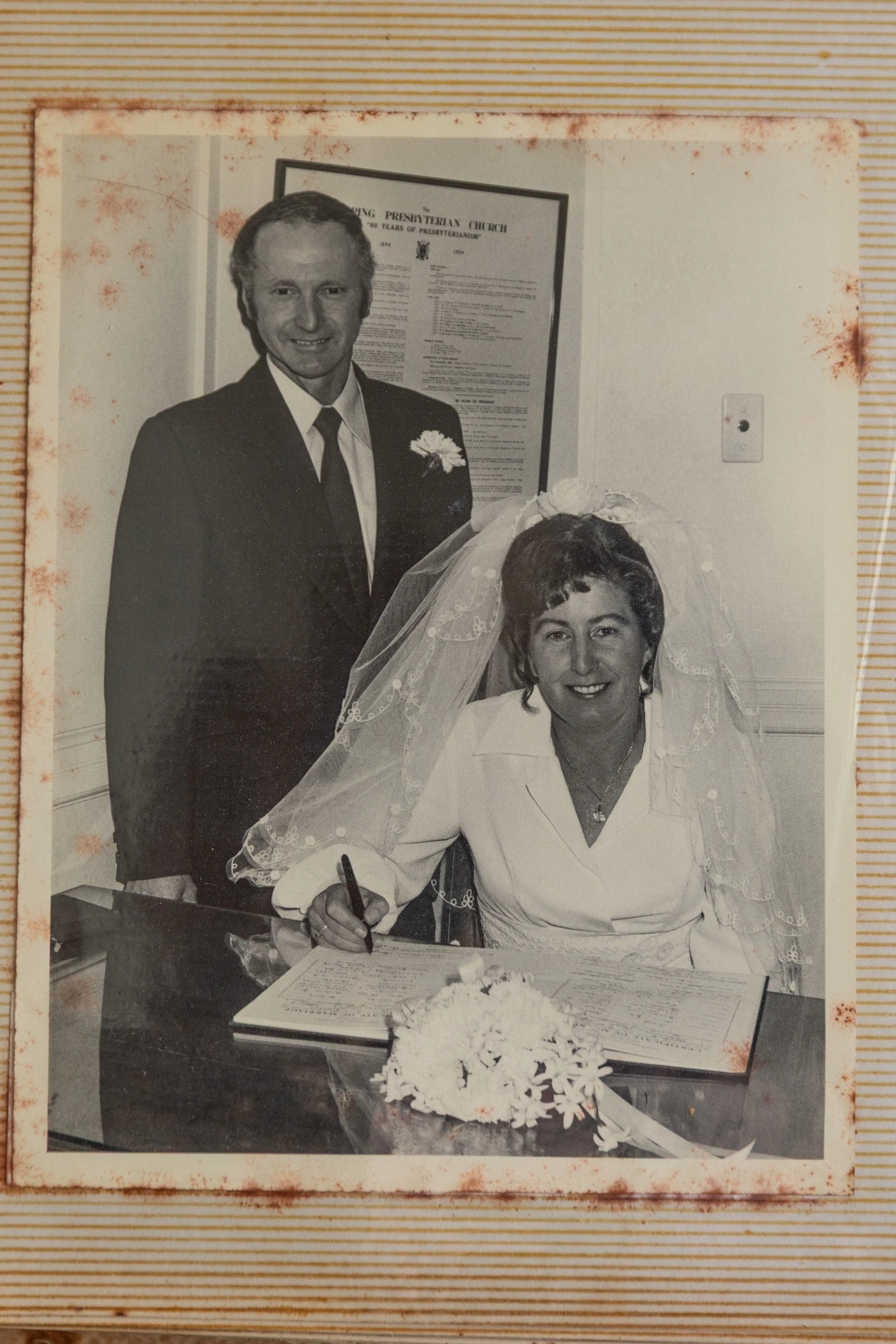
100!!! Not only is today Alan’s 100th birthday, but he is the 100th golden age portrait that I’ve captured! His lovely niece had collected him from his aged care facility nearby to bring him back home to Brightwaters to celebrate his 100th birthday. He had to go into care in December, and the house will soon be packed up and sold, sadly… Alan Henry Timbs was born in September 1926 in Lismore. He grew up on a small dairy farm, where both of his parents worked hard raising cows and running the farm. He was an only child. Alan had a large extended family, with lots of cousins and plenty of family time. As a child, he was quite nervous, something he remembers vividly from his first day of school when he was so anxious that he wet his pants. His school was a small local school with only around 12–14 children and one teacher, Alan said he walked to school barefoot. The teacher rode his horse approximately three or four miles to get to school. Growing up in the local community, there was always plenty happening, to entertain themselves the other local children would throw stones at the telegraph poles. Alan also developed a love of cricket. He was a good cricketer and enjoyed the sport throughout his life. After leaving school at 14, Alan continued working on the dairy farm. He was involved in all aspects of farm life, particularly milking the cows and helping wherever he was needed. He eventually had two farms of his own, spending approximately 25 years on his first farm. They then moved to Rosebank at Lismore. He met his future wife Audrey in Sydney, she was a school teacher and worldly woman. Alan said they were at a garden party, and she said she liked the look and build of him . He was very shy still and said he was naive and only learnt of the works happenings from Readers Digest. Alan said his wife was a painter and so was her Mother. Her art works still line the walls of their house and garage. In 1973, Alan married Audrey, Alan was 43, so quite long in the tooth by that stage he said. Audrey was also older when they married, and due to working with intellectually disabled children, and knowing the risks of having babies in later life, they decided against having children. Audrey will celebrate her 93rd birthday in November and is now living in a nursing home with dementia. Unfortunately she doesn’t recognise Alan, which is very hard. Alan and Audrey enjoyed many wonderful experiences together, particularly travelling. The house I took the images in today at Brightwaters they’ve lived in for 30 years. They took lots of overseas holidays and, at one stage, spent a whole year travelling around Australia in a caravan. Their travels gave them the opportunity to see much of the country and create many lasting memories. Alan has always enjoyed keeping active and pursuing his interests. Golf, bowls and cricket have all been important parts of his life. He has also enjoyed bird watching, photography and taking an interest in the natural world around him
Elaine
Today I captured the story & images of the wonderful Elaine Abraham.
She had only written out a short synopsis of her life, believing she didn't have much of a story to tell. But with a bit of coaxing, she remembered many memories of her life.
Born at home in Earlwood Sydney April 1935
Elaine's father was Irish & came to Australia when he was 18, he went on to become a Police officer, & her mother was a housekeeper
She had one older brother, who is now 93 & living at Warners Bay
They moved to Bellbird Police Station house when Elaine was 4 years of age & attended Bellbird school. It was a 2-bedroom house, so her brother slept out on the enclosed verandah during summer & had to sleep back in with Elaine when it was winter.
Elaine recalls it had a cell in the back yard, and she kept her bike in there. Her father would have to drag the bike out to put the arrested person in there. It also had an Air raid shelter.
Elaine's Mum used to make the camouflage nets to help cover machinery, supplies etc which were shipped off to help in the war efforts.
The family moved to Wallsend Police station house when she was 9 years old.
There she went to Platsburg school where she passed her intermediate certificate, then left school to work at Winn's department store in Newcastle. One of her favourite childhood hobbies was playing Tennis.
Elaine went to the same school as her husband Kevin, who she later married at Hamilton Wesley church at age 20 in 1955
Together they built a house in Kotara South & had 3 sons Mark Peter a Jon. Elaine mentioned she really struggled to feed the kids naturally, I asked about formula back then, but she said they were given either cow's milk, or condensed Milk as a feed alternative.
She returned to work at David jones once the boys were old enough for school.
Her Husband Kevin worked for BHP.
They moved to Mount Hutton in 1974, then Fletcher in 1988.
Kevin suffered a heart attack in his forties, & had to change careers, so they managed hotels in Sydney and returned back home on their days off. Elaine said she saw some interesting things in her time at the hotel. Prominent figures like doctors, hiring the rooms for an hour in their lunch break, working girls frequenting the building, women hiring in younger men, & many rooms leaving behind left over unused condoms. Elaine said she ended up keeping them as she was often requested from guests to have some provided. During their time they also had one client overdose and pass away. She said they often had musicians like the Screaming Jets stay there.
She also recalled having two young men from Arabia staying there while they were learning to fly at Bankstown airport.
In 2003 Elaine was diagnosed with bowel cancer, she had to undergo chemotherapy which caused her to have seizures & had to remove her entire large bowel. Thankfully it has not returned.
Sadly in 2009 Kevin passed away from heart issues.
Her beloved son Jon passed away in 2024 from lung cancer the day before his 60th birthday.
Elaine has, 10 Grandchildren, & 23 Great grandchildren
She is now living a wonderful life at a lifestyle village in West Wallsend.
Elaine loves to travel & has been on over 20 cruises, & travelled to Canada, Alaska, Europe, Greek Islands, Dubai, & Singapore
She still enjoys crocheting, gardening, & attends regular exercise groups.
Helen
Today, I met the lovely Helen, an 81 year old widow who misses the company of her devoted husband after 60 years of a very happy marriage. She wanted photos because she has decided to try a dating site for seniors in the hope of meeting a widower of similar age and interests who would enjoy female companionship.
Helen Jeanette McDonald was born July 1945 at Bulli, NSW. She grew up in Thirroul, where her parents owned a grocery and delicatessen store which her mother had operated alone during the Second World War while her father was serving overseas in the army. Helen has one sister six years older than her, a brother one year younger and another sister twelve years younger than her.
At the end of Year 5, Helen's parents decided to enrol her to in SCEGGS (Sydney Church of England Girls' Grammar School) Wollongong. At the end of Year 6, she won a scholarship to cover her fees for her high school years. This was fortunate because at that time her parents, through no fault of their own, had encountered some financial hardship and would other wise have had to withdraw her from the school.
Until she was about 12, Helen's brother was her best friend and they mixed mostly with his friends so she became comfortable in boys' company, riding their push bikes from Thirroul to Austinmer and spending Saturday afternoons at Thirroul cinema. When she turned 14 she joined the Presbyterian Church Fellowship and from 16 attended monthly Fellowship dances where she met boys and began dating. Some of her fondest memories are of the Barn Dance, Pride of Erin, Canadian Three Step, Waltzes (all danced with different boys) and the La Bomba (always danced with Doug, after he accidentally nearly hit her once with a gesture while talking to a group of mates).
In 1961, at the end of Helen's second last year at school, SCEGGS took her class to Jervis Bay Naval College. In 1962, at the end of her last year of school, the Naval College brought the cadets to SCEGGS for the Farewell dance. It was on this occasion, Helen met and later fell in love with one of the cadets, Jim.
In 1963, Helen won a scholarship to Wollongong Teachers College, where she met Ian McDonald(who later became her husband). Ian took her home from the first College dance but did not ask her out again until two years later.
During 1963 Helen continued to date other boys and she also wrote regularly to Jim, who was able to visit her several times while he was still attending Jervis Bay Naval College.
Near the end of 1963, Helen was invited to go to Willunga, in South Australia, to stay with Jim's family. It was her first visit to an almond farm, her only experience of driving a tractor, and her only experience of travelling overnight by train in a sleeping carriage, and of sleeping the next night (without benefit of a sleeping compartment), sitting up, held in Jim's arms, to complete the journey. All done very innocently with no loss to Helen's virtue!
During 1964 Helen and Jim continued corresponding but Helen stopped dating other guys and attending dances for most of the year because she had fallen deeply in love with Jim. Unfortunately, they were unable to see each other during this time because Jim had returned to South Australia to finish schooling before joining the naval training base in Melbourne called HMAS Cerberus (widely known as Flinders Naval Depot). Late in the year, when Doug (of La Bomba fame) found Helen wasn't dating, he asked her to accompany him to a wedding. He then asked her out on Boxing Day and on New Years Eve.
At the end of 1964, Helen wrote to ask Jim to partner her to Graduation. In the meantime, Ian McDonald had asked her to partner him to Graduation. When Jim was unable to oblige, Helen agreed to attend with Ian (although Doug was a better dancer and she would have preferred to ask him!). She didn't expect to ever see Ian again (given the previous year's experience and the fact that he lived at Pennant Hills and didn't own a car).
Because Helen believed Jim would be based in Melbourne during 1965 while attending HMAS Cerberus, Helen had requested, and been granted, an appointment to a school on the Victorian border in the hope they could see each other occasionally.
Consequently, she was appointed to Barham Central School and for the first two terms, she taught Year 1 in a church hall within walking distance of the school. There, for the first and only time in her life, she encountered ice in roadside trenches, frozen fingers if she touched the steel gates with bare hands and the joys of chill blains. Every Friday afternoon she had to pack up the furniture and all the paraphernalia of teaching so that the church could use the hall over the weekend and then she had to convert it back to a classroom every Monday morning.
Ian had known since Graduation that Helen had requested the appointment to a school on the Victorian border because she was in love with Jim and hoped to see him, but, as he later admitted, he was determined to win her for himself.
He began the campaign by persuading a friend to drive him from Pennant Hills to Thirroul on Christmas night. They slept the night on the beach and then knocked on Helen's front door at 7.00 a.m. on Boxing Day. Helen, running around in her shorty pyjamas, was surprised when her father opened the door and she took a while to recognise the voice. She already had a date for that evening with Doug and wouldn't cancel to suit Ian. The same thing happened on New Years Eve, when Ian again turned up unexpectedly, and again he waited for her to come home. Fortunately, for Ian, Helen's parents were happy for him to sleep at their place whenever he visited. (With maturity, Helen sometimes wondered if they were especially welcoming because they thought a school teacher would make a better husband for her than a "sailor"). Ian then borrowed money from his older brother to buy an old holden and spent the rest of the school holidays visiting.
Although Jim and Helen were still writing several times a week, and Helen was still in love with him and hoping they would marry, they had not seen each other for eighteen months. Helen was surprised and disappointed Jim had not initiated any visits. He could drive; she couldn't, and neither had a car. She didn't feel that, as the female in the relationship, she should do more than she had to facilitate a visit.
Meanwhile, while she was in Barham, Ian drove 10 hours on several Friday afternoons to spend Saturday with her, after teaching all week and working at night in a garage. It was a struggle to resist his amorous advances but she had been taught that men don't want to marry a "second-hand" woman and she still dreamt of marrying Jim.
During her time at Barham, Helen was often invited for Sunday lunch at a dairy farm belonging to Mr and Mrs Lang, parents of twin boys, Ian and Colin, in her class. (Helen later called her son "Colin", after this delightful little boy who had responded very well to her teaching style..... Ian was always neatly dressed, quietly behaved and had beautiful handwriting. Colin was initially very different:- shirt always hanging out, restless and fidgeting, dirty marks all over the page. By the end of second term his mother couldn't believe how well he'd settled and the improvement in his school work. (He even stood still in the morning while she was trying to get his shirt done up!) It was also in Barham that Helen learnt how to identify cows who were "in heat". A 6 year old boy explained it to her!
At 2.30p.m. on the last afternoon of second term in Barham, Helen was notified that she was to transfer to Mulwala, still on the Victorian border but closer to Melbourne. This was inconvenient because she would have to travel ten hours home and then ask her mother to drive her back to Barham to pack up her belongings and then drive her to Mulwala to organise accommodation ready for the final term.
When she reached Mulwala, Helen found board across the border with an older lady in Yarrawonga. She was assigned a class of 45 Kindergarten and Year 1 students, including the Principal's and the Deputy Principal's children, in Mulwala Central School. Three of the Kindergarten students had been allowed to commence their enrolment in August so there was a huge range of learning differences in the class. One of the "bad" things about the appointment was that she also had to teach Music (not her best subject)to senior high school students while the principal read a story to her class; one of the good things was, when a vomiting student in her class set off about ten other students, senior high school students were sent to clean up the mess while Helen supervised her class in the playground.
Whilst living in Yarrawonga, Helen was invited to experience sailing on a catamaran for the first (and only) time and to take part in an amateur theatre production.
Again, Helen had hoped the location would make it easier to see Jim but still no meetings occurred and, although she continued to receive loving letters, she thought she must be just a convenient pen-pal, so she finally gave up hope that Jim was serious about her. (Helen found out much later in life, from her sister-in-law, that Jim had visited her home in Thirroul but she wasn't there.)
Ian couldn't visit Helen in Yarrawonga but he asked her to marry him. Whilst not passionately "in" love with him as she still was with Jim, she had grown very fond of Ian and agreed. She then wrote a tear-stained letter to Jim to tell him.
At the end of 1965, Helen applied for a transfer from Mulwala because Ian had been offered a partnership in a garage at Pennant Hills and was planning to leave teaching. (He subsequently declined the offer and remained teaching until about 1979).
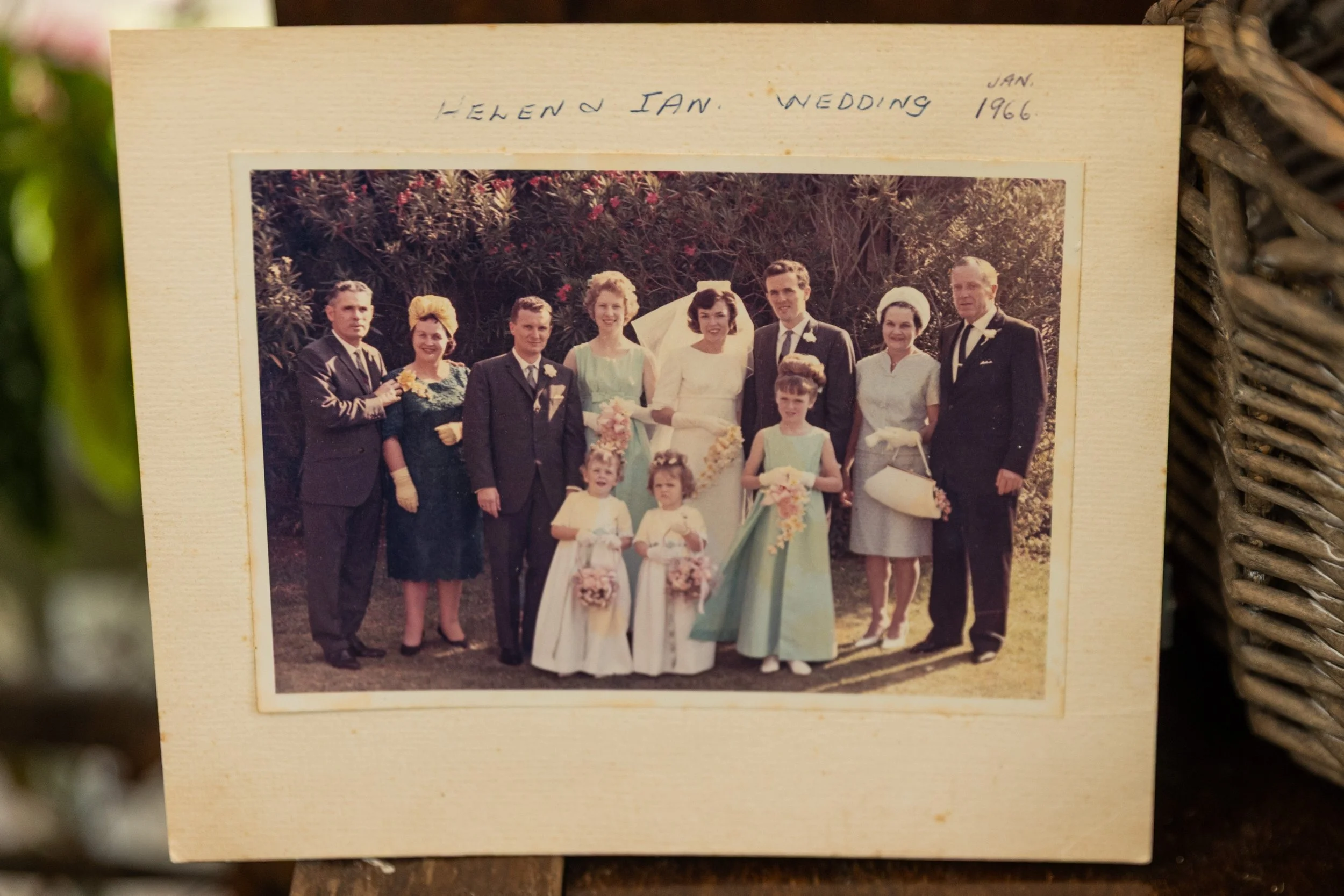
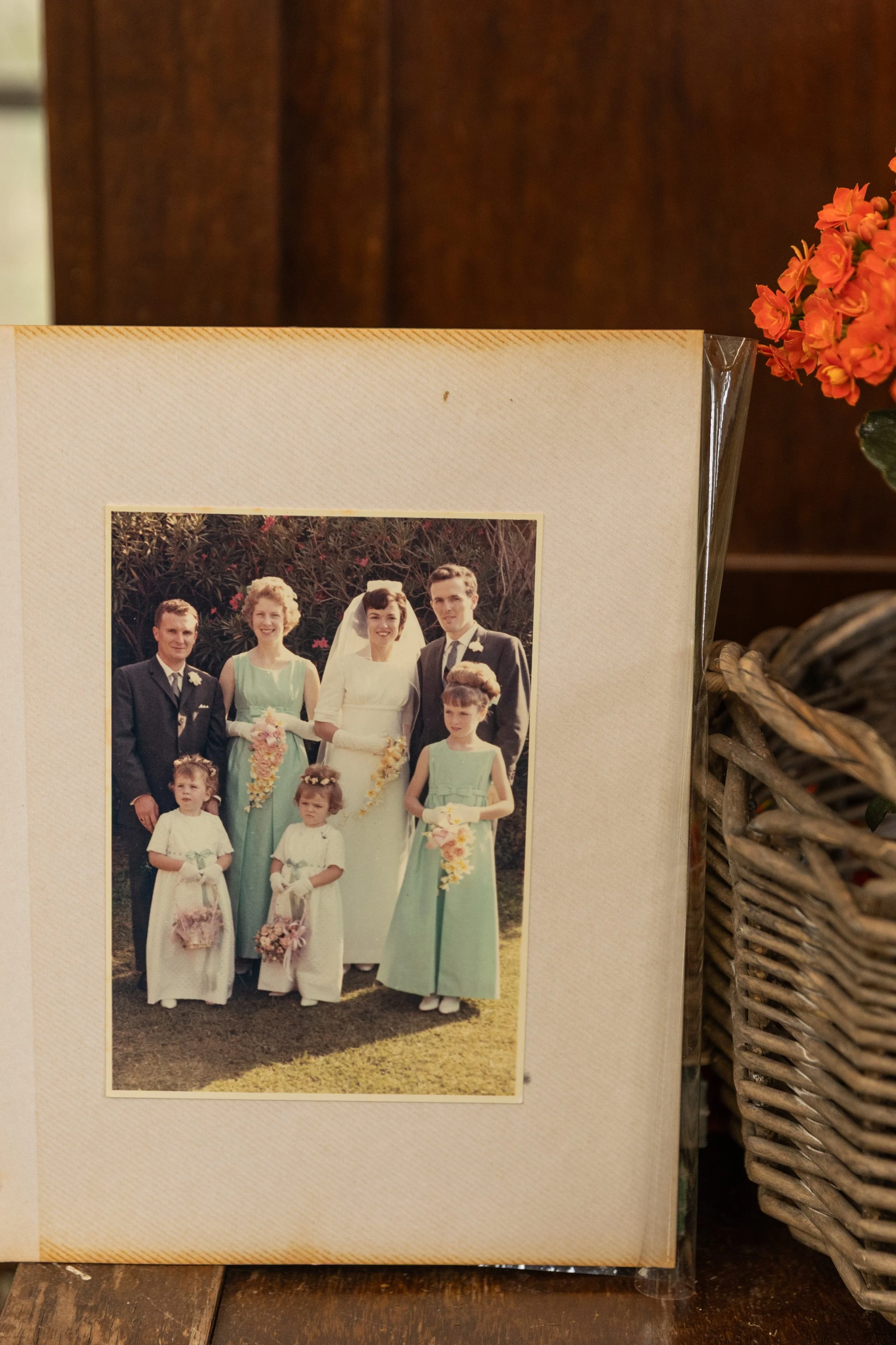
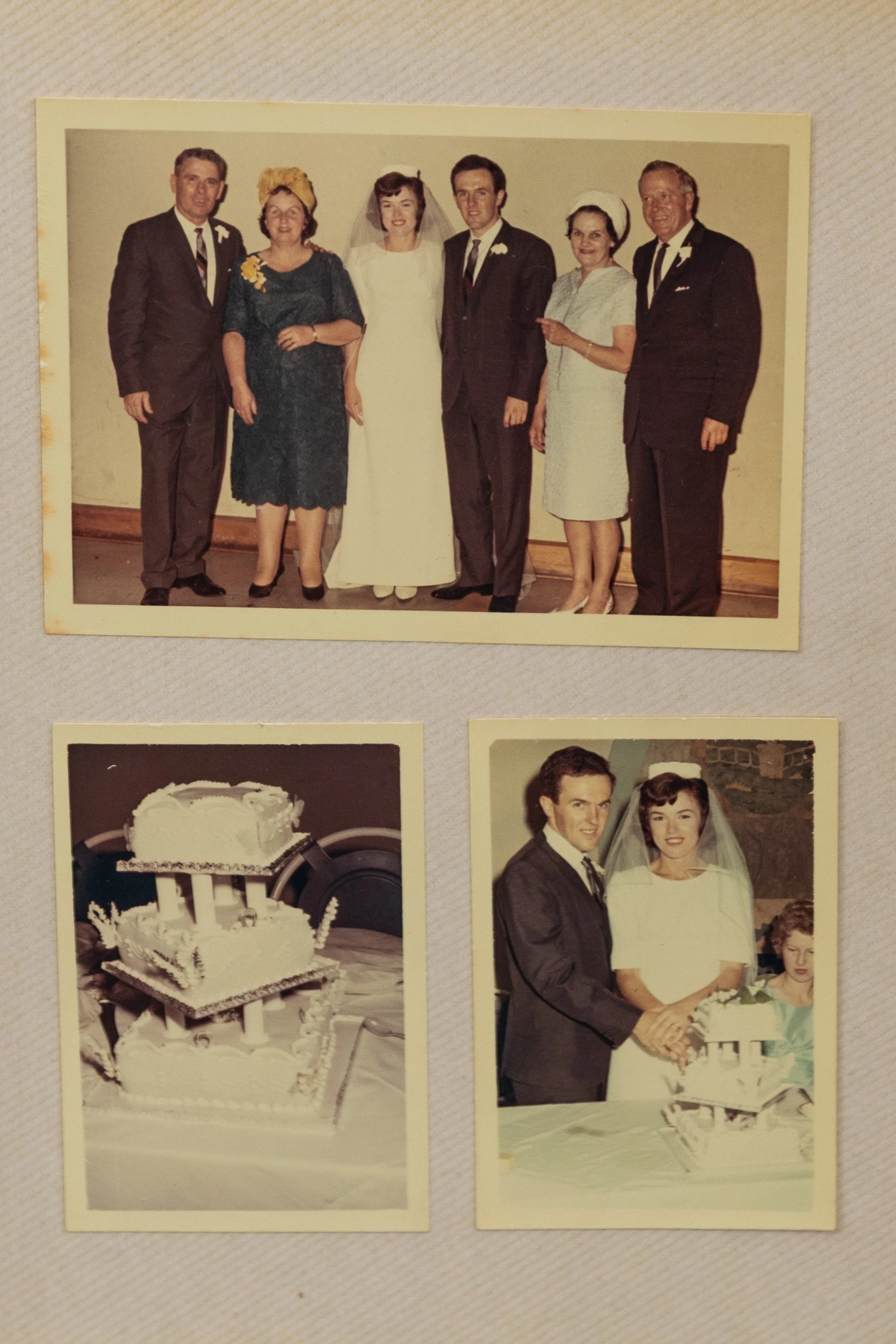
Ian and Helen married, in the Catholic church at Thirroul, on 15th January 1966. Jim sent a telegram wishing them all the best. Helen was devastated. Had she made the right decision?
Fortunately, Ian was such a good man and a devoted husband, it was impossible for Helen not to grow to love him deeply despite the fact they both knew Jim still held a part of her heart. They subsequently enjoyed 60 loving years together.
After their marriage, Helen was appointed to Liverpool West Public School where her Principal, John Pollock, showed her some of the many good teaching practices she implemented with great success throughout her teaching career.
In 1969, Helen was transferred to Campbelltown North Public School where she taught a Year 3/4 class before she became pregnant and submitted her resignation, effective in March 1970, complying with Ian's wishes that she become a non-working, stay-at-home mum.
Their first child, a daughter they named Kerrin, was born on 12th April 1970. Helen had no plans to return to teaching but the Principal of East Campbelltown Public School was short staffed and begged her to undertake casual work for the final term.
Their son was born prematurely, nine months and one day after Kerrin, on 13th January, 1971. They called him Colin after the Year 1 twin from Barham.
During this time Helen and Ian lived in a new brick veneer house in East Campbelltown. Helen continued to engage in casual work and also undertook a short Teacher/Librarian training course and was the appointed Teacher/Librarian at Minto and Narellan Public Schools two days each per school.
In 1975, Helen and Ian moved to an old fibro house on a 5 acre property at Rossmore. Helen was able to obtain a teaching position at nearby Leppington P.S. and Ian was Deputy Principal not too far away at Bennet Road P.S.. Kerrin and Colin attended Rossmore Public School and a lovely neighbour offered to look after them before and after school.
The children were excited by "farm life" because now it was like the "Old McDonald Had a Farm" song. They had a cow, a steer and a baby bull. Ian also got them two dogs(cross Dachshund/Labrador) and some rabbits and white mice. An abandoned white cat adopted them. They soon had to send the steer and the bull to market because they were too dangerous to have around the children. Everyone was happy and Helen thanked God in her prayers!
Ian, with no previous building experience, and with Helen as his labourer, renovated and extended the old house and, with the help of neighbouring Italian brick layers and some other tradesmen for the finishing touches, converted it to a 40 square brick veneer home. The brick layers asked Helen "Are you one of us, Mrs McDonald?" (i.e. Italian) because she worked so hard smashing down fibro walls.
Neighbours often laughed at Ian and Helen's initial attempts to get the steer and baby bull back when they escaped and once they ran through a commercial poultry shed (fortunately empty at the time). Fortunately, a kind soul shared the secret of "dairy meal" and it was child's play to get compliance after that. Ian sometimes arrived home late and would decide to skip milking the cow but she mooed loudly under the bedroom window until he would concede defeat and start milking her at midnight. Helen would find him asleep next morning with his head still resting on the cow's flank. It wasn't long before he asked a friend to buy him a poddy calf from the market so that he could give up his milking job!
Sadly while they were building the house, and Helen was still teaching at Leppington, Kerrin developed a small lump near the top of her breast bone and was diagnosed with Lymphocytoma. She died on 19th June 1976, at 6 years of age, from pneumonia following her treatment for cancer. She was buried at Leppington Lawn Cemetery.
In 1977 Helen was promoted to the position of Executive Teacher at Harrington Street. A year later, she was appointed Assistant Principal at Fairvale Public School.
In 1979 Ian gave up teaching and opened a video shop at Seven Hills. Break-ins were so common he was often kept up until early hours of the morning repairing damage. He was at such a big risk of falling asleep while driving home to Rossmore that Helen persuaded him to sell and they bought a small house in Seven Hills.
They were in that house for less than a year when Ian's elderly mother fell and broke her arm. She moved in with them and then Helen's niece who lived in Sydney, secured a casual teaching position at Fairvale Public School with Helen, and she often needed a bed. They needed a bigger house!
Helen and Ian sold the Seven Hills house less than a year after buying it and moved to nearby Kings Langley. While they were living there, Colin started school at Hurlstone Agricultural School (a Selective High School). Helen drove him to Cabramatta railway station each morning until he was old enough to learn to drive.
Whilst at Fairvale, Helen received a further promotion and was appointed class-free Deputy Principal. She elected to focus on the K-2 department to give the new Assistant Principal taking her place in the 3-6 department a chance to settle in. At this time computers were being introduced in schools so Helen and the Principal, Ellis Harris, implemented the new computer program in the school.
Helen was then successful in achieving her 4th List promotion and applied for Principal positions on the Central Coast because Ian had decided he wanted to live by the sea. She was appointed to Wyoming Public School and rented a flat in East Gosford for a year until Ian was able to sell their Kings Langley house.
They then bought a house across the road from the beach in North Entrance. (One of their holiday-house neighbours was Angus Young from the band AC/DC). Ian bought a tobacconist shop in The Entrance Plaza and a gift store closer to the beach. He subsequently sold the Video shop at Seven Hills.
Helen was later appointed Principal of Wyong Public school and then, for the last ten years of her career, she was Principal of Chittaway Bay P.S. She retired when she was 70 years of age.
While living at North Entrance, Helen and Ian met Jan and Saveng Sounantha who owned a Thai restaurant in The Entrance. They became close friends and were invited to the restaurant when Saveng and Jan (originally from Laos) hosted a dinner for the exiled King of Laos and his entourage. The Sounanthas also introduced them to Bhirom Boonrawdpanich, the highest ranking police General in Bangkok. Subsequently they were invited to visit Thailand where they enjoyed lavish Thai hospitality, and Bhirom's daughter, Palm, later came to live with them for twelve months, to improve her English, before enrolling in university.
Just before retirement Helen and Ian purchased a small rural property at Martinsville, near Cooranbong and Morisset. Ian sold his tobacconist at The Entrance a year or two later. Their son, Colin, and his partner, Fiona, moved, with their son, Archer (Helen and Ian's only grandson), from Forestville to a small acreage at Louth Park, East Maitland. Colin's three step-sons continued to live in Sydney (one working for the State Government, one a solicitor hoping to become a barrister and one a gardener).
In 2019 Helen was diagnosed with multi-focal neuropathy and for several years underwent regular transfusions at Newcastle Private Hospital. About four years later the diagnosis was changed to Charcot-Marie-Tooth disease, an inherited neuropathy which affects the peripheral nerves outside the brain and spinal cord causing muscle weakness in feet, legs hands and arms. During this time, Ian underwent successful treatment for prostate cancer.
Helen and Ian celebrated their 60th wedding anniversary with Colin, Fiona and Archie on 15th January 2026. Sadly, Ian passed away very unexpectedly in his sleep the next month, on 28th February, 2026. In keeping with his wishes, Helen arranged for his cremation and then decided to inter his ashes with their daughter at Forest Lawn Memorial Park, Leppington, where Ian had purchased two grave sites when he arranged Kerrin's funeral in 1976. Helen arranged with Colin, that when her own time comes, he will arrange for her ashes to be placed in the second grave beside Kerrin and Ian's.
Because Ian had been such a loving husband and companion for 60 years, and despite the care of family, friends and neighbours, Helen felt so lonely that she decided to take the previously unimaginable step of registering on a dating site. And that is how we met. She needed some photographs for the site. She explained that she wasn't looking for a romantic relationship at this stage, just male conversation and friendly companionship with perhaps an occasional meal or outing together

Russell Halpin
When I met Russell yesterday as his granddaughter was getting her photo session, I couldn't resist taking the opportunity to create a Golden age session for him. At 89 years old, he is still farming, breeding Clydesdales, & showing no signs of slowing down.
Russell John Halpin was born on 2 January 1937 at Millers Forest, New South Wales. He was the second youngest of six children, growing up alongside two brothers and three sisters on the family dairy farm.
Life on the farm began early. By the age of five, Russell was already helping with daily chores, working alongside powerful Clydesdale draught horses that were the backbone of farming in those days. His father was a skilled pattern maker & broom maker, who had served in the Air Force during the First World War, while his mother worked tirelessly helping to run both the home and the farm.
Russell attended Millers Forest primary and later he rode his bicycle four miles to Raymond Terrace each way to attend high school. At just fourteen years of age, he left school to work on the family farm full-time. It was the beginning of a lifetime devoted to hard work, agriculture and the land.
Russell recalled mustering cattle along public roads by himself, responsibilities that many adults would have found daunting, and driving tractors.
His passion for machinery has never faded. Remarkably, he still owns and drives his original 1955 Fordson Major tractor more than seventy years after it first became part of his life.
Away from work, Russell had a taste for speed. He owned sports cars, including a Jaguar capable of reaching 125 miles per hour. During his younger years he also loved water skiing. Ironically, despite enjoying the sport, he never learned to swim.
Like many country young men of his generation, a night at the pictures in Maitland was a special occasion. It was through friends that he met the love of his life. He told me with a smile that his future wife was "going out with a friend, and I stole her." Russell married Diane in 1964.
Together they raised two daughters while living in a small farmhouse on the family property.
When the 1955 flood ruined everything on their farm, the family sold up and moved to another property.
The family dairy eventually expanded to around 330 cows, becoming a thriving operation.
Russell and Diane built a house at Four mile creek and lived there for around 10 years before buying at Hinton.
When farming changed, Russell embraced another challenge, spending twenty years working in the mining industry. He became an experienced dozer operator and spent six years operating draglines at Bloomfield Colliery. His strong work ethic and willingness to learn enabled him to succeed in an entirely different industry.
Russell remained at the Hinton property for 41 years and is moving close to Tamworth this week with his daughter and her family to a 120 acre property. He continues to run Angus and Speckle Park cattle.
He sadly lost Diane 6 years ago, after 56 years of marriage and said life has never been the same since losing her. He said she was a dedicated mother, taking the children all over the countryside to horse shows. The only time he ever left the state was to attend a horse show with the girls in Queensland.
One of Russell's greatest lifelong passions has been breeding Clydesdale horses. He has spent his entire life raising, training and breaking in horses, often working teams of magnificent Clydesdales & taking them into parades. Today he still keeps around ten horses, is still breeding them, and still uses some of the old farming implements, and vintage machinery.
Today Russell is a grandfather to three grandchildren and great-grandfather to one great-grandchild.
Russell has always believed that hard work is the key to a good life. He takes no regular medication and attributes his good health to no drink, no smoking and not many bad women.
Remarkably despite a lifetime of hard work, he never took a holiday. There was always another job to do, another animal to care for or another challenge waiting.
Ian Simpson
Today I captured a golden age session for the wonderful Ian. When I knew he had such an involvement with aviation I thought I would show him my Armstrong Siddeley, as they were made by Aircraft manufacturers. I decided to turn one of the images into a painting style to make it a little more nostalgic.
Ian George Simpson.
Was born 28th of July 1938 in Fyvie in Scotland, a small village, near Aberdeen.
Ian’s mother was unmarried, so the options were, he was either adopted out or raised by family. His grandmother would not let him go, and so he was raised by her, while his mother was part of a war time conscripted labour force of unmarried women.
She worked in aircraft manufacturing, as did the man she later married who became Ian’s stepfather.
Ian did get to meet his birth father once, but at the time he had no idea that’s who he was. Ian said that even if his parents had wanted to stay together, they couldn’t as they were from opposing clams and wouldn’t let them be married.
Sadly for Ian his Grandmother passed away. So, he returned to living with his mother, stepfather his half-sister when he was 8.
When he went to Fyvie village school in Scotland we still used slate.
In 1946 he moved from Scotland down to England Birmingham. went to Paget school till he was 15.
He remembers seeing the army getting ready for the invasion into Europe in 1944. The shock of leaving Scotland for England and seeing all the damaged buildings. Food was on rationing. And all types of goods were rationed It was very hard For everybody.
in Scotland. They never went short of food in the village they were able to trade goods and services with other villagers.
Ian joined the Air Force cadets at age 14
He started working for a manufactory optician, then Ian did compulsory national service In the Army and was sent to Cyprus
May 1958 he was part of the active service parachute regiment, and they were waiting to invade Iraq.
However, it was called off, so stayed there in the active zone and returned Feb 59
After returning from the army, his next job was making parts for minis in a factory. Ian owns a mini currently.
Ian met his wife Margaret. She was the love of his life. They got married in 1962. Then they had two daughters and in 1965 migrated to Australia as £10 poms they then had a third daughter.
When they came to Australia, they moved to Hurstville. His wife’s sister helped find accommodation.
Once in Australia Ian worked as a funeral director, part of his responsibilities was moving bodies and responding to afterhours calls to collect the departed.
Ian then worked for British Leyland as a goods inward inspector .
Hid career changed once more and he worked for Qantas loading the baggage, packing items into containers. His job also entailed greeting guests and directing them to their section of the plane and carrying their luggage along in his wheelbarrow type cart. He met people like John Laws, Bob Hawke and John Howard.
He believes his hearing deteriorated after working there for 23 years. They used to stick their fingers in their ears to block the sounds of the aeroplanes right next to them.
After he retired, he volunteered at Hars (an aircraft museum at Albion park ) for many years .
Sadly, Ian’s wife passed away in 2017. He lives in Kanwal and says it can be lonely still without her.
He is currently in a walking group, and they walk 5km 3 times a week. He also still goes dancing on occasion, but says it’s more like shuffling these days.
After all his daughters marrying, he now has eight grandchildren, and nine great grandchildren
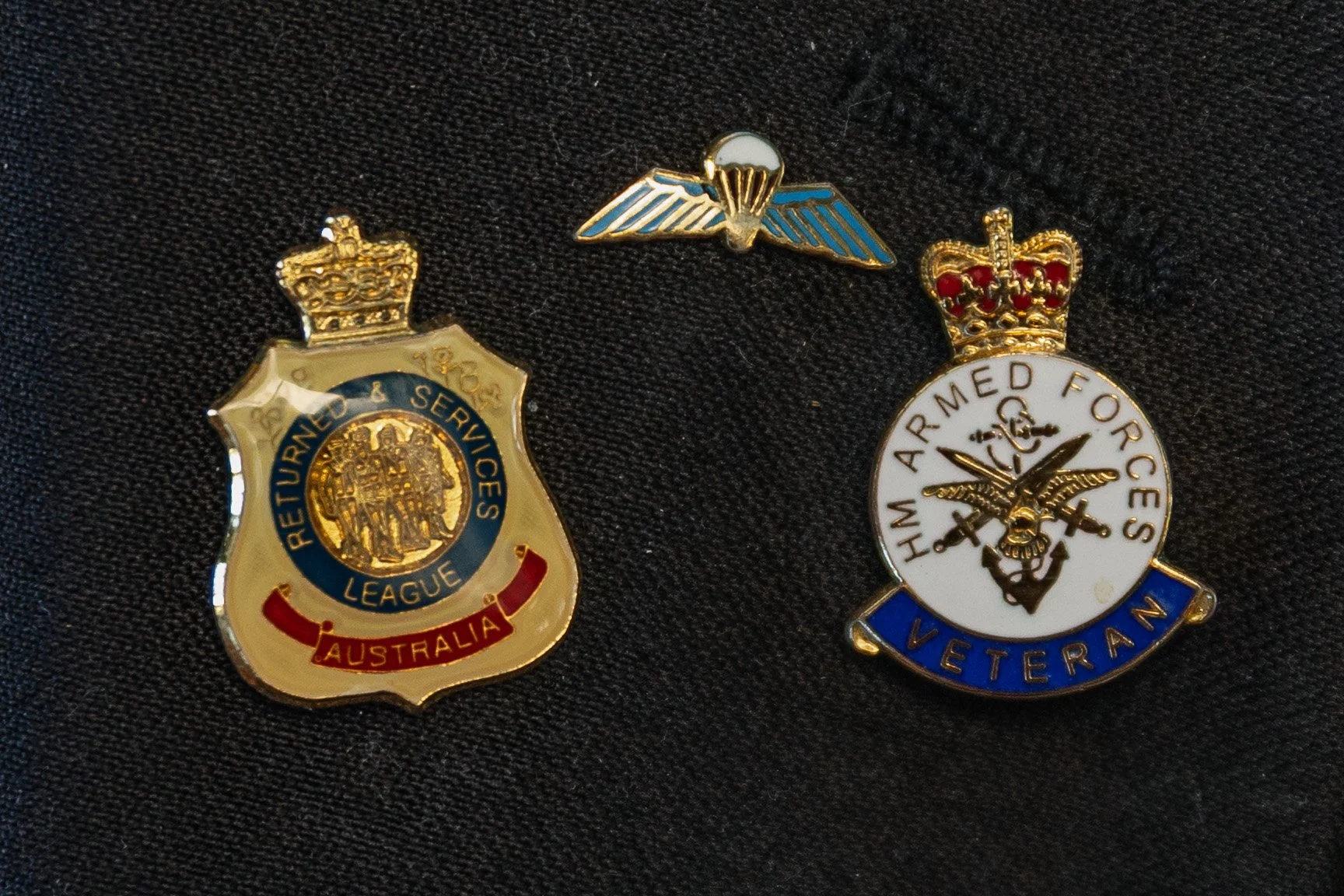
His badges he wears proudly on his jacket are RSL badge member. The Wings when you qualified as a para trooper
And a badge Issued in 60’s as a war time service medal
His tie a regimental tie.
His Red beret is to identify him as a paratrooper royal army medical corp. The badge must be worn above the left eye, he told me.
Jeannie
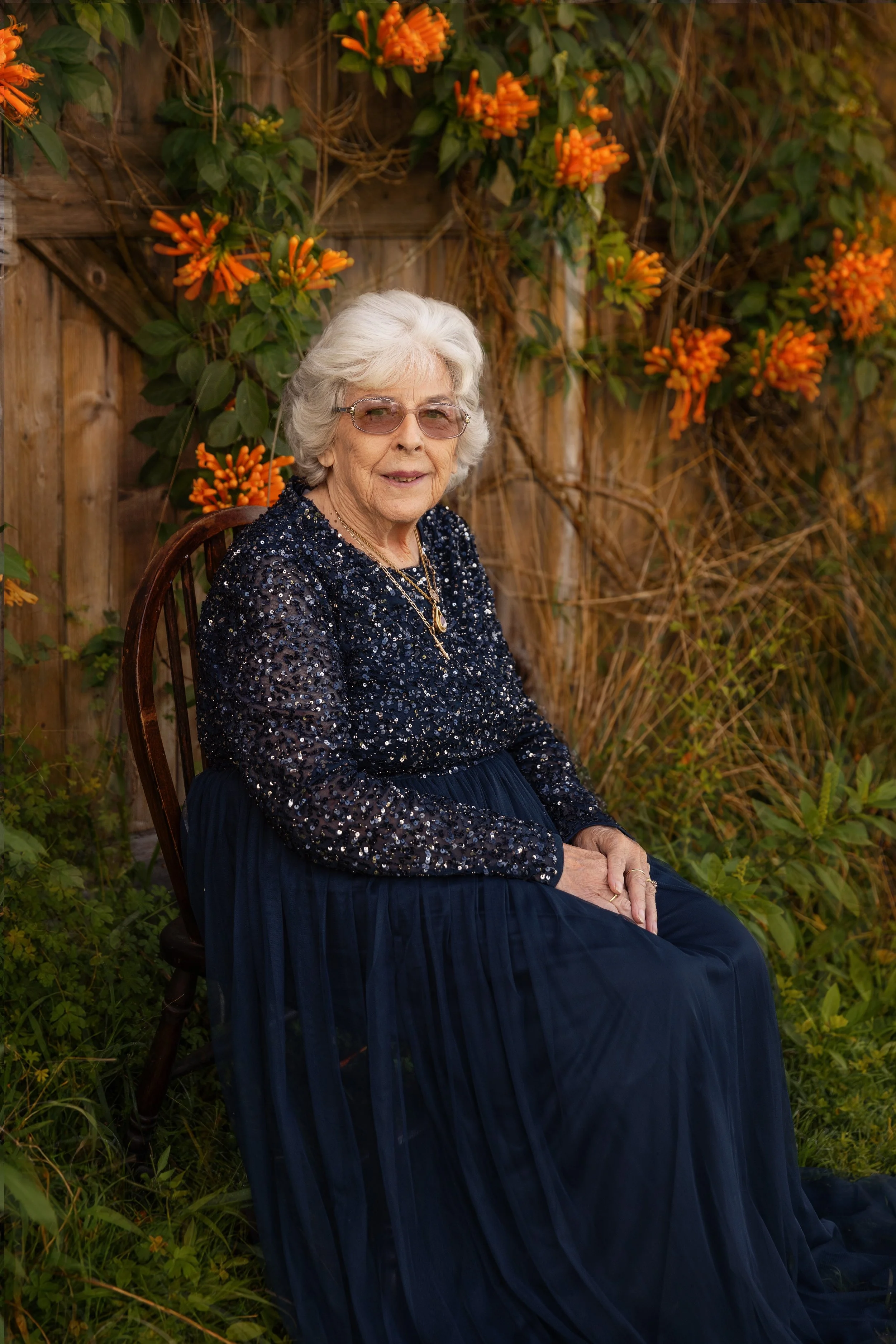
Today I captured the lovely Jeannie. When she arrived in her red leather jacket, I told her she reminded me of Michael Jackson.. she lamented that she would have worn a white glove.. haha
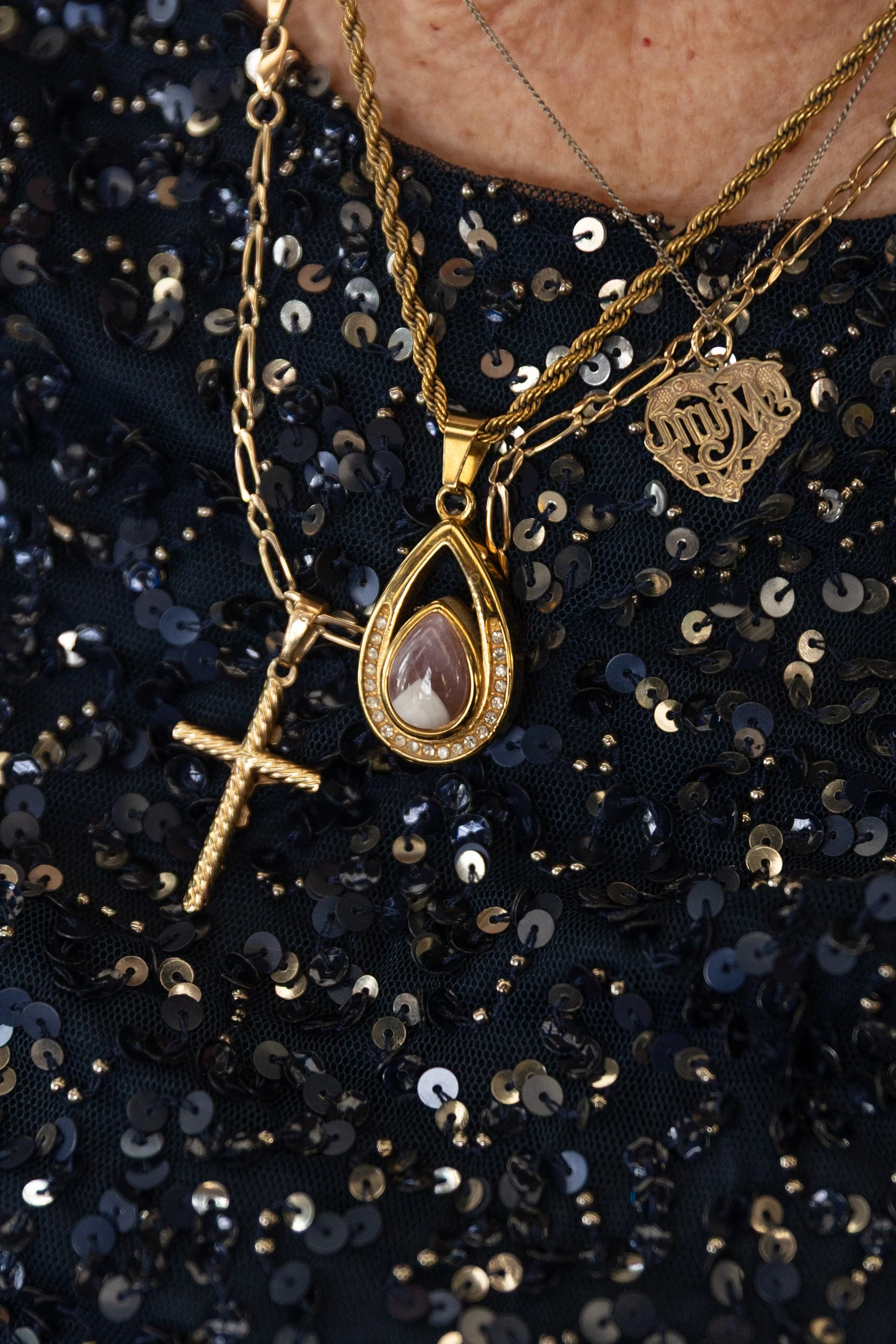
She was more than happy to pose, & said that I had made her whole week with completing the photos for her. She wore meaningful necklaces around her neck, the cross to symbolise her faith, a "Mum" necklace & beautiful pendant with some of her sons ashes encased in its design.
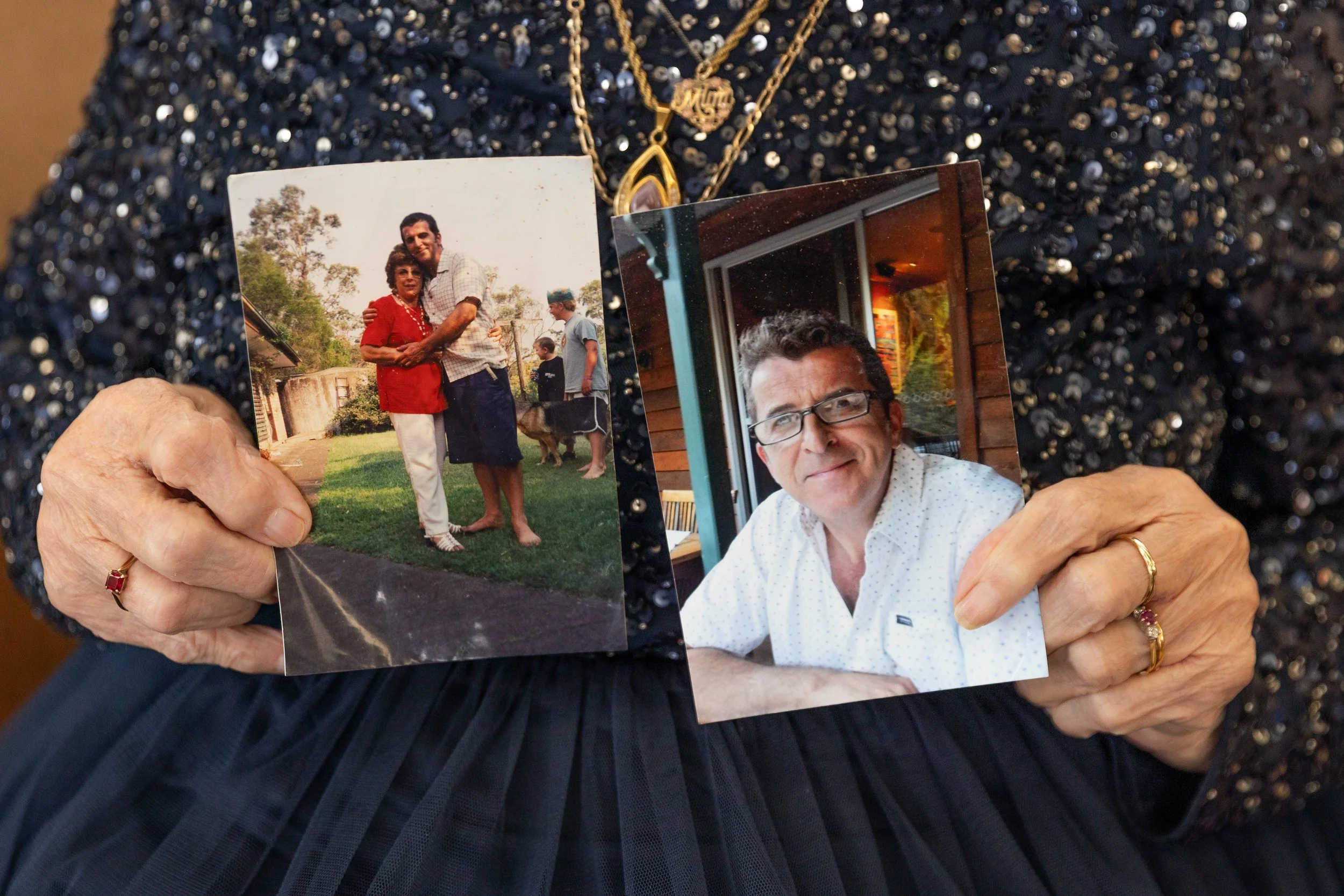
When I tool the picture of Jeannie's hands I asked what the stone was in her ring & she said it was a Ruby gifted to her by her mother in law after she passed.
Her own engagement ring had been stolen after she allowed a young woman with a baby to stay at her house while she was down on her luck. Unfortunately Jeannie's kindness was met with the theft of her ring as thanks.
I took her on expedition down the hill to have some pics with the orange trumpet vine. She gracefully twirled her dress & gave me all the goddess vibes.
Jean Marion Turrier 13-6-38 (who prefers to be called Jeannie)
Born in England she was the 6th child of Ethel Lilian Beckett she had 4 brothers and 3 sisters. She was a difficult birth and ended in a c section and blood transfusion for her mother.
Her older sister wasn’t happy with the duration her mother had to be away, and consequently Jeannie wasn’t her favourite person as she thought it her fault.
In 1941 another sister was born, this time her mother was allowed home the next day because of having 6 other children waiting at home, and thank goodness she was, as the hospital took a direct hit from a German bomb and the women’s ward took the worst of the attack and all the mothers died leaving the babies in the nursery unharmed.
Jeannie and her brother were evacuated to the county of Kettering Kent she went to a family with 3 boys and a baby girl. She fondly recalls a pet mouse who would run along the babies play pen and make her giggle.
They weren’t away long because they called it the Cold War as there was no bombing in London so they all returned and she was back to start school at age 5
Her father Harry Vincent Beckett was in the First World War, and suffered from gas in the trenches. He was a very strict father and believed children should be seen and not heard. He never said the words I love you.. even though it was what they all wished to hear.
Her mother was amazing raising 8 children during the war, when food was rationed. Jeannie says they never went to bed hungry and home was always clean and tidy. They all had jobs before school.
They lived in a three bedroom house and slept 3 to a bed. As her brothers moved out, sleeping became easier.
Her childhood was happy and simple, no cars, they played in the street, roller skated, played marbles, played cricket.. no tv, no phones, no washing machine, no inside toilet.
She met her husband when they were in Winterborn infant school year 6. She didn’t like him because he pulled her hair ribbon and teased her.
However they grew up as good friends and he would give her a lift to school on the cross bar of his bike.
Her first job was a paper round, then she worked in a newsagent.
Neil joined the merchant marines and would visit when on leave. They both had other love interests, but at age 17 realised they were in love and married 10th May 1958. They had 4 children 3 boys and a daughter.
Jeannie loved being a mother and had many ups and downs. They made the big move to Australia in 1971 with the 4 kids moving to Lakemba. They were considered 10 pound Poms. Jeannie had other family already moved here, & they were all there to welcome them. They had even set up their new home with all the furnishings needed.
68 years later they have 16 grandchildren, 9 great grandchildren.
They suffered awful heartbreak in 2023 when their second son Richard lost his battle with cancer. Neil also had bowel cancer that year but he survived
Robyn
Deanna Robyna"Robyn" Colquhoun was born on 9 May 1939 in Palmerston North, New Zealand.
Robyn was adopted into her new family at around 3 years of age, and her sister was adopted a couple of years later. Her adopted mother changed her name from Deanna to Robyna, and then it was shortened to Robyn.Many years afterward, she discovered she also had a half-brother.
Her father was a mechanic who served in the Medical Corps during the First World War for several years, while her mother worked as a dressmaker
Robyn’s adoptive mother had been unable to have children following emergency surgery, making the adoption of Robyn and her sister especially meaningful.
Robyn attended primary school in Palmerston North before enrolling in secretarial college, where she learned shorthand and typing. At the age of 19, she met her first husband through church. Together they raised four children. During these busy years, Robyn worked part-time in a plumbing business while her mother helped care for her young son. Determined to provide for her family, she often worked as many as three jobs, after separation from her husband just to make ends meet.
Later in life, Robyn reconnected with Colin, whom she had first met at college. Their romance began with an unusual story, Robyn nearly ran him over with her car. Feeling guilty, she invited him in for a cup of tea and a biscuit as an apology. Just three months later, they were engaged.
Robyn and Colin eventually moved to Australia, where Colin worked for Sanitarium. Around 1998, they settled in Bonnells Bay, New South Wales. The family experienced sadness in 2006 with the loss of Robyn’s eldest daughter, Lynell, to breast cancer.
Today, Robyn lives with her daughter Alene in Cooranbong , and is the proud grandmother of seven grandchildren. Throughout her life she has enjoyed knitting, sewing, reading, keeping up with the news, and watching her favourite television soap operas.
Dorothy
Dorothy was another of my Golden age participants as part of the Dobell festival with Lake Mac Arts
.
Dorothy (nee Kelly) Wilkinson was born in Bendigo, Victoria, in 1931. Her father, Joseph Kelly, was a police officer, and during her childhood the family moved first to Melbourne and later to the Port Macquarie district of New South Wales. Her father eventually worked in the timber industry around Wauchope, where in his late 40s was sadly killed by a truck unloading timber.
Dorothy spent much of her early life in the rural communities of Rollands Plains and Upper Rollands Plains. She left school at the age of 14 years and 9 months, having attended Huntingdon Secondary School. Growing up in the country taught her the value of hard work from an early age. As a young girl, after her father was killed, to get by she and her mother Gwendaline helped farmers in the community milk cows and clean homes. Dorothy later lived with and cared for an elderly farming couple, the Lindsays, where she’d travel five miles to school each day. Before setting off, she often milked cows, sometimes making the journey on horseback, or foot.
Her first job was in a grocery store at Telegraph Point. Dorothy grew up with two brothers and one sister. Her oldest brother is Brian Kelly, who became very well known as a country music singer.
As a teenager, Dorothy moved to Port Macquarie, where she boarded with a New Zealand couple. Through connections with another young boarder from Armidale, she moved and found work in Armidale at the age of fifteen. While living and working there, she met the man who would become her husband, George. At eighteen she became engaged, and they married in Armidale.
Dorothy and George raised five children together. With a strong entrepreneurial spirit, they purchased a general store in Ebor while their family was still very young, with two children under the age of five. The store supplied local residents as well as nearby mining operations. After several successful years, they took the opportunity to purchase the local hotel. Eventually they sold both businesses when a new opportunity arose.
The family then moved to Tamworth, where Dorothy and her husband became involved in the wholesale trade business. Operating as Wilkinson Wholesale Traders, they distributed products including White Wings goods and supplied caterers, homes, and chefs. As the business expanded, they relocated to Newcastle and established a warehouse in Wallsend. The company became well known in the region, and Dorothy spent around a decade helping build the enterprise before it was eventually sold.
Later in life, Dorothy and her husband spent time in Nelson Bay, fulfilling a long-held wish connected to her husband's wartime experiences and love of the sea. Her husband had served during the Second World War, and places such as Tea Gardens and the naval heritage of the region held special meaning for him.
In her later years Dorothy settled in Wangi Wangi in a home of her own. Family remained at the centre of her identity, and she maintained strong social connections through Alkira House and community activities.
At 94-and-a-half she still attends physiotherapy classes, enjoys the peaceful surroundings of Wangi Bay, and particularly loves watching the boats on the water.
Barbara
This was another of my Golden age session completed as part of the Dobell festival Lake Mac Arts
Barbara is very young at heart & I just loved her outfit she chose to wear. She definitely did things a little differently than most in her generation. Marrying later & having a career. She is one awesome lady.
Barbara Bergin was born in January 1941 in Worcestershire, England, during the difficult years of the Second World War. Her father served in the Army's reconnaissance division, and later an interior painter. She remembers him reciting a soldiers prayer poem to them as children.
Barbara grew up with three sisters, making four girls in the family. Much of her childhood was spent in London's East End, where she experienced the resilience and strong community spirit that shaped a generation.
Barbara attended Coborn Grammar School in London. At the age of sixteen and a half, she left school and entered the workforce, beginning a career as a secretary for music publishers and undertaking various office roles. She embarked on a life-changing journey to Australia as one of the famous "Ten Pound Poms." The move brought her to a country with a completely different lifestyle, climate, and culture. It was a courageous decision that opened the door to a new chapter in her life.
She met her future husband as he was her neighbour. Their friendship blossomed into a lifelong partnership, and they married when Barbara was 28 years old. Together they raised three children and built a loving family.
Settling initially in Mosman, Sydney, Barbara developed a successful career in radio, music publishing, public relations, and personal assistant roles. Music remained a constant thread throughout her life, and she fondly remembered the excitement of the Australian music scene, including encounters with stars such as Johnny O'Keefe and the Bee Gees. She often recalled hearing music played in the office and being surrounded by creative and talented people.
Barbara later dedicated 23 years of service to Sydney Schools, where she became a valued and respected member of the community.
Over the years, Barbara and her family spent many years living in Penrith before relocating to Newcastle around 2003. She eventually made her home in Kahibah, where she enjoyed the comfort of her own house and the company of family and friends.
Family has always been at the heart of Barbara's life. She is the proud mother of three children and grandmother to four grandchildren, all of whom bring her immense joy and pride. In her leisure time, Barbara enjoys reading, watching television, particularly crime dramas, and keeping connected with those she loves.
Max & Nellie Holz
As part of my exhibition at Toronto Library, I also completed some Golden age sessions at Toronto Library as part of the Dobell festival for Lake Mac Arts
I had to create a whole new setup for these, & had some lovely people come along to be captured.
Max & Nellie were residents of the small town of Denman, that I grew up in. I went to school with one of their sons. It was so lovely to see them & hear their story.
Petronella Wilhelmina Maria Vereyken (Nellie) born 20April,1953 in Helmond, Netherlands. Her father was a farmer, and she migrated to Australia on a ship Johan van Oldenbarneveltwith her parents and three siblings. They arrived in Melbourne on 3 November,1953, and then travelled by train to the Bonegilla Migrant Camp near Albury NSW.
The family grew to six children, life was busy, and Nellie’s Mum found it difficult to communicate as she knew very little English.
From there Nellie’s family lived for a short time at Blandford and Murrurundi, before her parents purchased a house and ten acres on Borah Creek Road, Quirindi in 1956, where Nellie’s entire life was spent until her marriage. Nellie attended St Joseph’s Catholic School, Quirindi from K to Year 10. Nellie started school not able to speak English.
Maxwell Alphonsus Holz born 18 August,1951 at “Fairholme” Singleton. His great great grandparents migrated from Germany to Australia in the 1800’s and were involved with wineries and their construction.
Max rode a horse to Lemington Public School where he attended from K to Year 6. He then attended Singleton High School, His first seventeen years was at “Oaklands” Dairy farm, (where Hunter Valley Operations – Coal Mine operates today.
He then moved to “Lynburn” dairy farm at Scott’s Flat, Singleton with his parents in January 1968, until he eventually wished to spread his wings, fly the coup and move away from the family farm.
Max moved to “Bokhara’ Quirindi in September 1973, to manage a 300acre farm.
The only people Max knew at Quirindi was Tony and Jan Daniels, (Jan had gone to St Catherine’s College in Singleton with Max’s oldest sister Annette.
Max had a weekly meal with them, also, Jan was kind enough to do his laundry. It was Jan’s workplace, Mundey’s (ladies frock shop) that Max met his future wife Petronella (Nellie Vereyken)who at that time was employed as a shop assistant.
Some weeks later Max received a phone call from Nellie and he was asked if he would partner her to a friend’s wedding. The request was considered carefully for at least five minutes, then without hesitation accepted her offer.
A romance blossomed after that occasion and in February 1975Nellie and Max were engaged, and a celebration was held in the Parish Hall in Quirindi.
Nellie and Max were married in St Brigid’s Catholic Church Quirindi on 20 September,1975.
Their honeymoon was a car trip in Max’s first car a Toyota Celica(the same as the model brought along to the photo session) from Quirindi to Armidale, then on to the coast, as far north as Gympie.
They made their home as a newly married couple at “Bokhara” Quirindi.
Nellie continued working at Mundey’s, whilst Max worked at“Emu Holes” Hereford stud, for several months, before taking a position at “Arcoona” a large flood irrigation property growing Corn, Sorghum and Soy beans.
Whilst Nellie was pregnant with their first child, Philip, they had a seven week overseas trip via Bahrain and Amsterdam to have a week or so with Nellie’s extended family in Holland and a two week journey around Europe in a VW Combi campervan, and then onto Canada, (visiting an Aunt and family) before making their way by coach across the USA to San Francisco, seeing lots of attractions and having many wonderful memories.
Their first child, Philip was born in Quirindi District Hospital.
Then, Neville Hamblin wanted Max to work for him on his adjoining property. Max reluctantly, left “Arcoona”, to go with Neville and together they were a great team, he really enjoyed that period. Building an eight row seeder, 24ft wide including fold up wing markers, was a fantastic achievement. Neville also had plans to build a grain elevator, (too big a task for Max and Neville on their own) so a fabrication firm, Goddard Engineering from Tamworth was contracted and after several months, the hugetask was completed.
Max was then offered a position in Tamworth with that company, travelling daily to Tamworth was quite a drag, so after several months and Neville Hamblin purchasing a property at Mullaley, asked Max if he would consider moving to Mullaley to work for him once again.
Their second son, Adrian was born in Quirindi District Hospital.
Soon after his arrival Max and Nellie reluctantly packed up and made the move to “Kairi” Mullaley.
However, after ten months only, because of isolation and such distance from families, they decided to purchase a dairy farm,“Fairview” at Denman in September 1980.
Luke was born in Denman District Hospital, giving them three boys.
This really kept them on their toes, in conjunction with their busy farm routine.
Then to complete their family Emma was born in Muswellbrook District Hospital.
They were highly delighted and blessed with a little girl, fulfilling their dreams.
Making lots of hay and Dairy farming, as well as successfully breeding and showing Stud Friesian cattle (winning a blue ribbon at Newcastle Show for a group of three heifers by the one sire) being a highlight.
Max has suffered from asthma since birth, so much so, he had to be nourished via a tube into a vein at his ankle. His chronic condition was made even worse in 1984, whilst in the dairy, a large water heater collapsed and crushed Max, causing a pulmonary embolism and DVT. Numerous hospital admissions with lung related issues, ultimately led to the removal of his upper right lobe/lung.
Max’s chest specialist advised to stop dairy farming to lighten the workload. They reluctantly chose to take this advice and subsequently sold the milk quota, and then by auction, on the farm, sold the milking herd in May 1988.
They purchased and commenced operating the Martindale school bus run in September 1988, and after 29 years of continuous service, (sharing the role of bus driving), sold the bus run to one of their earliest student passengers.
Farming and bus driving at Denman was a very busy time, with the family also being involved in Little Athletics from 1988 to1999, (where Max was President for eight years), Swimming Club, Cricket and Netball. A couple of years later as the boys were playing Rugby League, Max was elected Secretary of the DRLF Club.
In 1993 they purchased an adjoining property, “Bandalong” and with the help from their four children developed this into a lovely viable lucerne/cattle property.
In 2002 Nellie decided to give golf a go, with immediate success representing Denman Golf Club in numerous competitions, including Keno State Final at Canberra, District Pennants, Golf NSW medals in Sydney and being B Grade Champion on numerous occasions at both Denman and Pacific Dunes golf Clubs. Nellie also won the Pacific Dunes Cup (4BMatch Play) with her partner in 2024.
Nellie held the position of Ladies Captain at Denman club for seven years.
Nellie achieved a ‘HOLE IN ONE’ at Denman Golf course in February 2009.
Max was roped into playing golf, by Nellie and immediately became addicted, also had varied success (namely B Grade Champion at Denman and Vets Champion and Match Play Champion at both Denman and Pacific Dunes. His most treasured achievement was winning the C Grade Pennants for Pacific Dunes in 2018 and more recently winning, with his partner the Pacific Dunes Men’s Foursomes Nett Trophy.
Max held the position of Captain of the Upper Hunter Veteran Golf Association for eight years.
Golf has taken them to many holiday destinations, meeting wonderful friends, competing in many tournaments with varied success.
In planning for their retirement, the properties and bus run were sold.
They purchased their retirement home on the Coast, with major medical services nearby.
Nellie created a family heirloom christening gown, enjoys embroidery and sewing beautiful dresses for the granddaughters.
They have enjoyed every minute of retirement, continuing with their golf, and social activities, travelling throughout Australia and overseas, and spending time with their four children, their partners and fifteen beautiful grandchildren.
Who knows what the next chapter will bring …..
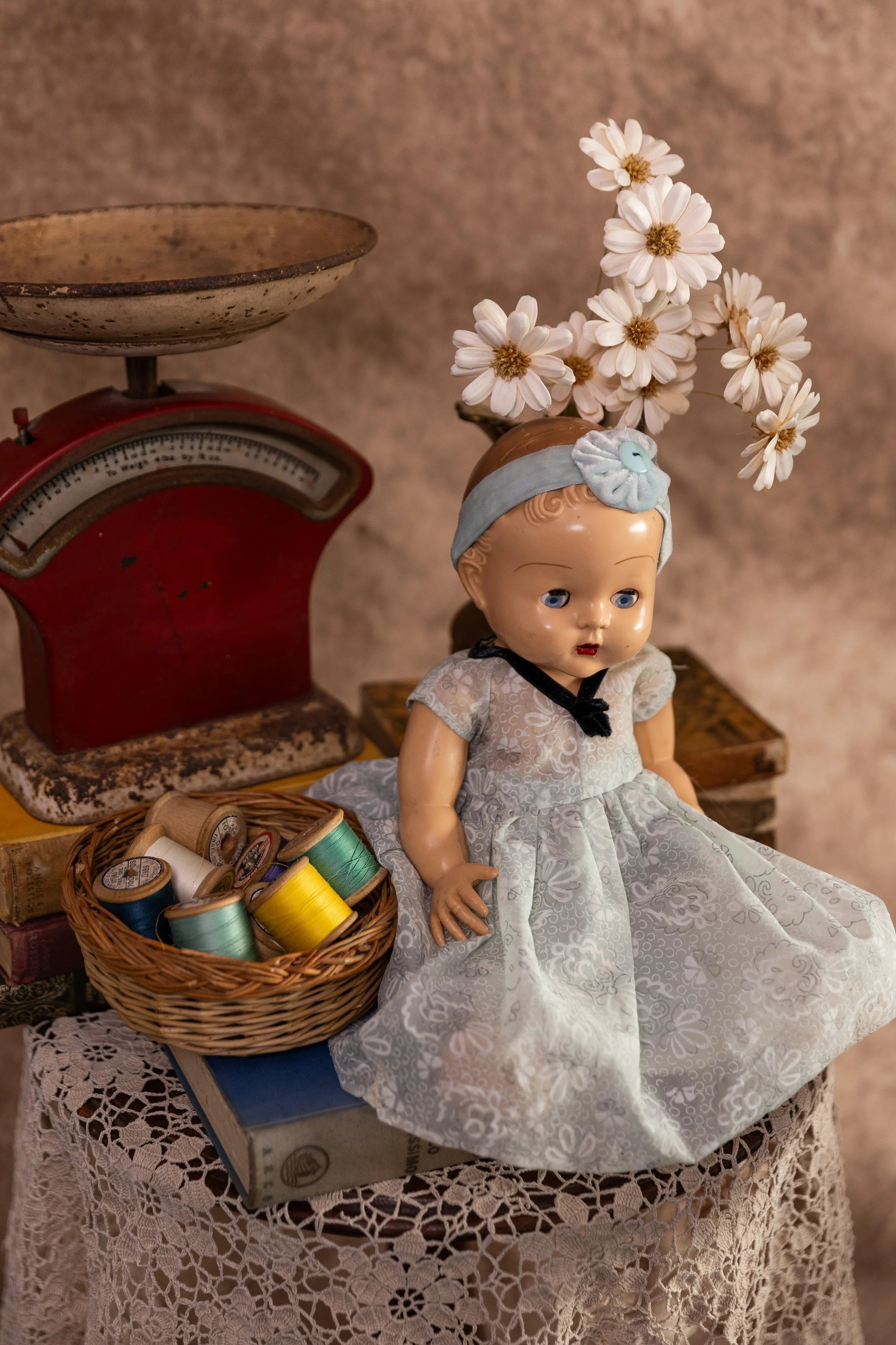
Included in their photos are Nellie's doll a gift given from Dutch acquaintances, from the migrant ship when they visited the family in Quirindi.
The Mustang is one of Max & Nellie's current vehicles. A 1966 model acquired in 2018
Additional imaged featured.
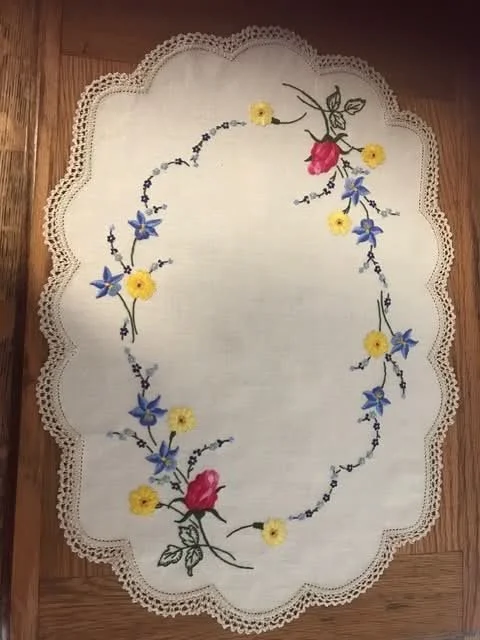
Nellie’s beautiful embroidery work.
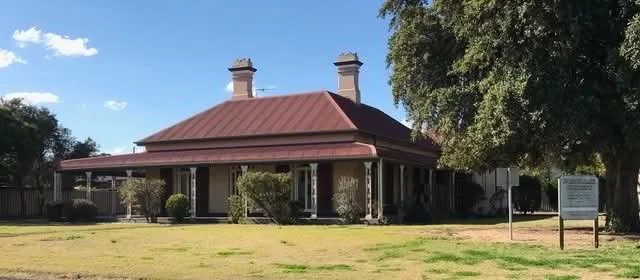
The hospital where Max was born.
Max & Nellie with their children
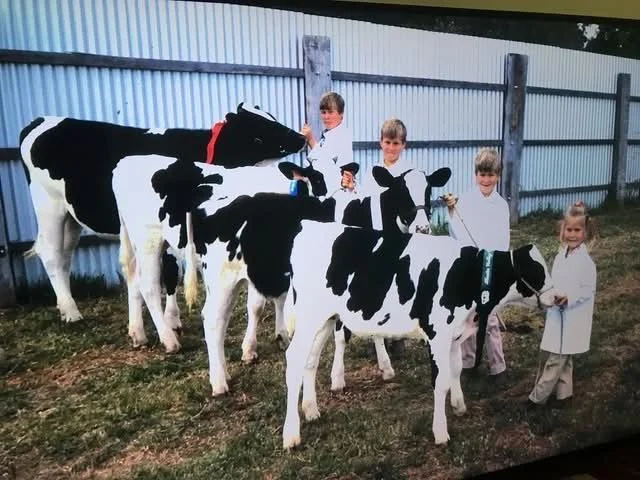
The Holz children with their prize Friesian cows.
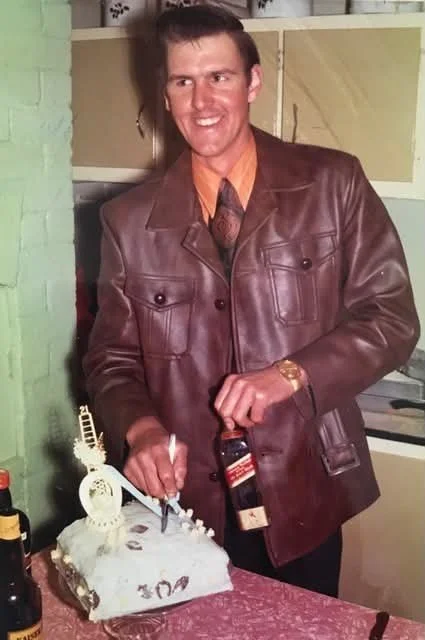
Max at his 21st birthday.
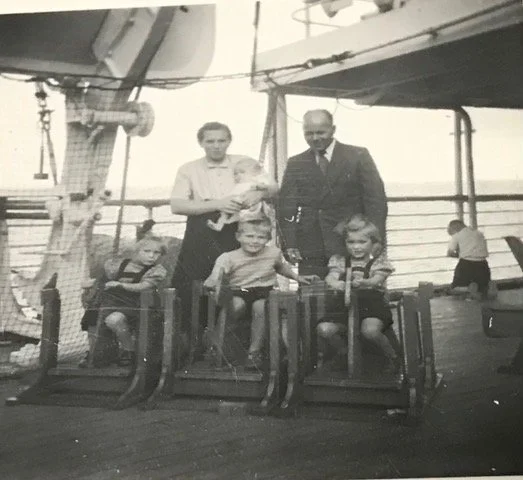
Nellie in her mothers arms surrounded by her family on the ship bound for Australia
Max at around 13 years with his horse Threepence.
Nellis as a child.
.
Jilda
Today I captured the wonderful Jilda.
When I read her story & found out she loves Jane Austen I incorporated a book & created a setting in that style to make her feel like royalty.
She still has her original birth certificate & some report cards from school which she brought along.
Jilda is quite a remarkable lady, while going through her old photos told me she once had 4 boyfriends on the go at once.. she was exhausted by the social outings she had to keep up with.
She also showed me a picture of her first home that she moved into on her honeymoon with her new husband. She really made me laugh when she recalled the marital expectations she was introduced to on their Wedding night & that she wasn't a fan..
Jilda was born on the 27 January 1935 at the Women’s Hospital in Paddington
Jilda Jaqueline was so named after Jilda, a character in a Noel Coward play “Design for Living” called Gilda, and Jaqueline was after her father Jack. She was to be called Jacqueline but shortened it would be confusing having two Jacks in the house.
Jilda’s brother Ross was born 11 years after. Although more than a decade apart, they have always been close.
Jilda spent the first 12 years living in the Eastern Suburbs before the family moved to the Manly area. Jilda’s mum Elma wanted to be close to her own mother, who lived in Clontarf.
Jilda attended Manly Girls for Years 8 and 9. (Year 7 was completed at Dover Heights High). Leaving after the Intermediate Certificate, Jilda went to work in the library section, of Angus and Robertson Book store in the city, Castlereagh Street.
Fired from her job for attending without permission her future brother in laws graduation from Duntroon, Jilda went on to work for The Methodist Bookstore and had a second job at the Balgowlah cinema as an Usherette.
Married at 24, to Frederick Ross Whiddon, they moved into the house they had built at Fox Valley Road in Wahroonga where they stayed, aside from a short stint in an apartment at Queenscliff, until the birth of their third child. With three children under four, a husband who travelled for work, no driver’s license and no public transport, the next move was to Frenchs Forest. Trigalana Place was a street of young families supporting each other which created valuable and enduring friendships which have lasted a lifetime. As well as raising three children, Jilda sold World Book Encyclopedia door to door so the family could have their own set of Encyclopedias. Jilda was also at one stage employed as a market researcher and was very successful in this role. She recounts a story of being sent by plane, to Coffs Harbour to do market research at a particular company. She said her opening line was “Hello, I’m Jilda, I’m here to make your day”. She always had the confidence to deliver that sentence.
In 1971, the family moved to the new suburb of Davidson and resided there til moving to Hong Kong in 1976. While living in Davidson, Jilda worked at Mimosa Primary school as the auxiliary assistant to the teachers.
In 1977 Jilda, Ross and family moved to Hong Kong that experience she describes as the most wonderful years of her life. Enjoying the luxury of an amah to do the housework, cooking and cleaning, mum spent her time, learning to swim and playing mahjong as well as volunteering to help new arrivals to settle into a Hong Kong experience. She recounts stories of working on the naval dock at Wan Chai, as an information desk volunteer. Meeting sailors and officers from all different countries she received requests of all types. During the years in Hong Kong, many new and valuable friendships were made with expatriates from all over the world. Jiilda got to travel to most of the surrounding Asian countries and purchased homewares and artefacts to furnish our home. As a family we enjoyed a long vacation in England and Paris in 1977 which she loved as she has always loved history.
Returning to Australia in 1983, the family moved to a smaller house in Davidson and mum took up work in David Jones in the hosiery section. She became a grandmother in 1990 and was widowed in 1992. Jilda has eight grandchildren, the eldest now 35 and the youngest 26. There is one great granddaughter at present with two more great grandchildren to be born this year.
In the years since her husband passing away, Jilda has travelled, visiting family and friends overseas. One time travelling to UTAH to research the family tree, at the Morman library. Jilda’s love of history has resulted in assembling over 20 books of family tree research.
To this day, she loves attending the Jane Austen society. The monthly meetings and biannual conferences where the period dress that her daughter-in-law made for her can be adorned with pride. In 2019 Jilda promenaded in Bath at the Jane Austen weekend celebration. She was so excited to share the experience, she called Macca on 702 ABC radio, from London to tell him of the Jane Austen festival. When he asked why do you like Jane Austen books so much, she answered “is there a book more relevant today and that has stood the test of time?”. When Maccas answered “The Bible” to this, she had to agree.
For many years Jilda also attended the Cavalcade of History and Fashion. A society, where she ironed the clothes and if necessary, made the tea, to support the work of the patrons. Anyone she met that showed the slightest interest in either Jane Austen or Cavalcade, would be sent or invited to a meeting or fashion parade.
Jilda also loved the ballet. She subscribed to the Australia Ballet at the Opera House for many years. She was disappointed when the logistics became too much and her attendance at performances are now few and far between,
Jilda has had the best experiences courtesy of her son Glenn. He has included her in overseas jaunts such as 100 ft cruiser around the south of France, sea plane ride from Rushcutters Bay, trips to Perth. One notable occasion was for Glenn and Jane’s 40th birthday. Dressed as maid Marion and accompanied by family member dressed as Robin Hood and the Merry Men, they enjoyed a weekend of fun and family. Jilda does like to dress up.
For over 23 years Jilda has lived with Llewena and family at Ingleside. She has enjoyed and thrived in the family environment they had, including her in their day to day lives. Jilda stayed good humoured even when her granddaughter put a chicken on her bed, and yet at the same time would send the family dog “OUT!!” with feigned annoyance. This is a woman who doesn’t open the curtains in case it fades the carpet and furnishings. It is important to always put your best foot forward.
As a girl she sang and danced on stage at ‘family run’ hotels, as an expatriate woman of teenage children, she thrived with new experiences and in her later years, at home she is the favourite ‘Aunty’ of cousins and their families. She is a favourite of all her doctors’ receptionists, and there is many of those. People her daughter meets in the street often ask after her mum, always remember her as being interested in them, personable and friendly. Jilda’s life has been full of fun, family and friends. Jenny, her sister-in-law, has been a close and caring friend as well as a relative. Jilda has been lucky that most of her immediate family, have resided close by and relatives are more like friends than family.
She loves being the centre of attention.
Jen Sable
Today I captured a Golden Age portrait for the lovely Jen. I met her at Dora Creek op shop where she volunteers & told her about my project. When I sent Jen my list of questions, she sent back a very brief summary & said to me that she doesn't have much of a story..
I knew that definitely wouldn't be the case after living for over 80 years, so I spent some time getting Jen to expand on her life. She does in fact have quite a story.
She was born 1/10/1945 in Camperdown in Sydney NSW
Her Mother was a cook, her Father was a motor mechanic then later became an engineer. Then went on to become a Doctor of Engineering.
Jen grew up in Roseville and Turramurra on the north Side of Sydney. Eldest of three children, she lived in a federation home in Roseville. Then her Dad built the house Turramurra.
She went to Roseville public then North Ryde and then Cheltenham ladies college.
She remembers even though they were in suburbia they still grew veggies and had chickens.
Jen remembers always having a love of drawing and art. She had an uncle who was an architect & gave her beautiful art supplies and papers etc to draw on.
She recalls drawing a naked lady in a cocktail glass at about age 8 much to her family's shock. They couldn't understand where she had come up with something like that.
Her first job was at a grocery store stacking shelves and doing the window displays, she said she was a master at the stacking of the can displays.
Jen fell pregnant at 15 and was forced into getting married at 16 to save the families reputation. She was then forced to give her daughter up for adoption at 4 months. She said there was no alternative & her opinion & feelings were never considered. Her marriage was annulled before the baby had even been given up.
Jen started a new relationship when she was 18 & married at 21 she already had second daughter Michelle by then, & Alan, Naomi and Anthony all arrived within a few years. They moved to Cessnock &
Jen went back to work to support the family at Burton’s plastics she was the colour coordinator for the button displays. Later she worked for Bonds and at the Cessnock hospital shop
She also worked at Ron Fields corner shop which was a convenience store for 4-5 years.
Jen didn't ever tell her other children about the daughter she was forced to give up for adoption. When her daughter Sally made contact to find her birth mother, Jen was in her forties.
She said that it was an incredible burden to feel grief & guilt over her daughter & not know where she was & if she was ok for all those years without being able to talk about it.
She said filling in the census where it asked how many children, she had was especially & unexpectedly heartbreaking for her.
After 40 years together the marriage ended & Jen moved to Dora creek when a long time friend offered his house. They had been friends for 30 years & their children had grown up together. Jen had also worked for Doug when he was running the hospital shop. This living arrangement eventually turned into a relationship. They have now been together for 20 plus years. Jen said he has given her the freedom to buy her art supplies and encourages her work, & she can be herself with someone who makes her feel safe & loved.
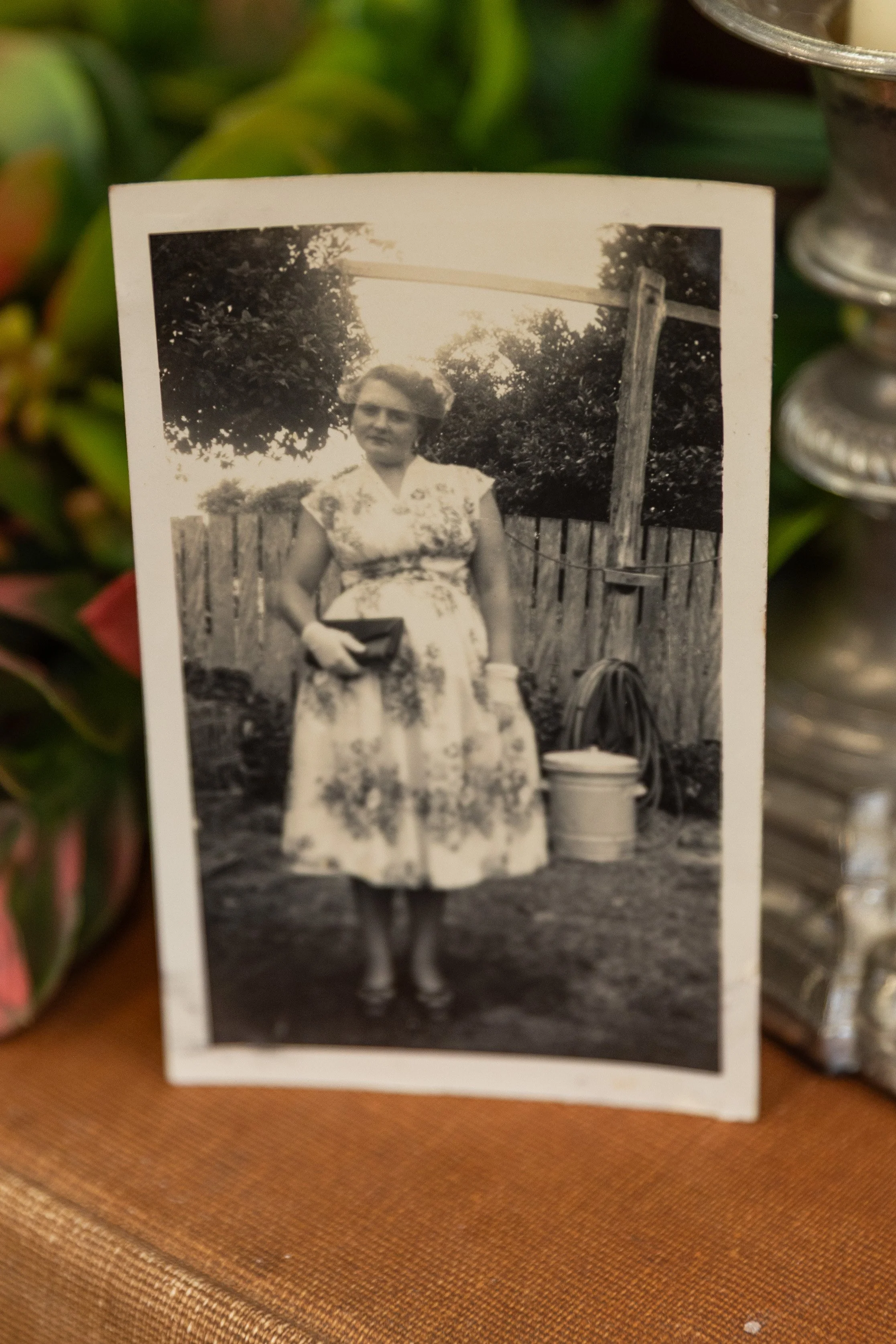
In her 60's Jen went back to University to complete a fine arts degree full time. She continues to draw and paint and recently took up watercolour painting.
She currently helps with classes at the Dora creek school of arts U3A. She sets up the still life displays. Jen also loves to make cards & crochet. She has made many beautiful baby items over the years.
Jen has 16 grandchildren, 35 great grandchildren.
Kay Foster
When my lovely customer Bri booked in a Mother's Day session & mentioned her Nan was coming along, I asked if she would be willing to be a Golden age participant at the same time. She had previously turned me down when I asked, but this time she agreed!
She definitely made me laugh, she doesn't mince words & told me she doesn't like old people.. haha
Kay June Foster
Born: April 1938 at crown street Sydney.
Her Father was a labourer.
At 8 years old Kay's mother died during childbirth so they lost not only her brother but also her Mother.
Her childhood was very lonely, and she worked at home a lot feeding chickens, taking care of the gardens, cooking, cleaning, washing clothes and ironing clothes. She remembers having a big cast iron pot over a fire that she would boil the clothes in & stir them to clean them. She grew up on a big block of land in Blackheath blue mountains. Kay went to Blackheath primary and later on Katoomba high school. She recalls the year her mother passed away she went to school because it was so lonely at home but she didn't learn anything that year as she was grieving so badly.
She wanted to learn to Dance but my father said no. She also wanted to go to boarding school, but was not allowed.
Her dad remarried at 12 but her stepmother wasn’t nice.
Her first job was an office secretary.
She got engaged at the age of 18 and got married when she was 19. She went on to have 5 children, 4 boys and one girl. They started their own concreting business & also a television business. Kay said she worked in the office from the house full time while pregnant and raising their children.
They lived in Africa for 3 years when her Husband was offered to run a concreting company over there. Kay says it was during apartheid and they lived very well. After Africa they had a short stay back in Australia, then they went to Brazil in the same business capacity & lived in Brazil for about 20 years. Their daughter was born over there & Portuguese was her first language. Kay says they were the best years of her life.
When they returned to Australia they bought 50 acres at Central Mangrove however her husband Gary passed away 2 years after they bought.
Kay planned to return to Brazil & live the rest of her days there, but plans changed & she returned to Australia.
She has 14 grandchildren and 20 great grandchildren. Kay has fond fond memories of younger times , when they all loved to waterski as a family. Now she loves to knit, watch YouTube, take care of her dog 4 and see her kids, grandchildren and great grandchildren
Jack Thomas
Jack was born 14th September 1923 in Waverley, NSW and is a Second World War veteran. He has two siblings a brother and sister born in 1915 1917 His father came over from England His sister came over first and trained as a nurse, she wrote home to say come out to Australia it’s a wonderful country. He was 21 when he came over as a mechanic. He completed further training to be an Automotive engineer, and worked during the depression for a tool manufacturer. In 1935 he started working for Shell as an automotive mechanic His mother grew up in Bega. She worked in a store and was in the millinery section. Once she had the children she was a homemaker as women didn’t return to work in those days after having children. His home on Grafton street Looked down on the harbour and the Sydney harbour bridge was not yet completed. It was a 2 storey brick house so he recalls watching its construction from the back bedroom window. It was a 3 bedroom house and he shared a bedroom with his brother. In those days the Milkman delivered by horse and cart along with the baker. The Brewery kegs were transported and delivered on carts by a team of horses. Jack got around by electric tram. The Commonwealth, Amp and GPO were the largest buildings in Sydney. Jack walked to school then caught the tram when he went to Waverley They lived in Woollahra until he was 9 years old, then moved to Bondi. Jack started school at Woollahra at holy cross convent primary school, then at St Anne’s Bondi beach primary school, and then to St Charles Waverley Christian brothers primary school, then went to St Mary’s college in the city for high school. His first job was an apprentice cabinet maker for Ricketson Thorpe. When the time for enlisting arrived, it was a reserved industry as they made parts for aircraft. However the foreman, a World War One digger told Jack to disregard and go an enlist if he wanted to. The commissioner for man power ended up sending him to the taxation department until the army called him up. However the army shouldn’t have called him up as he was an airforce reserve and consequently missed out on two opportunities in the airforce due to the army retaining him. Jacks training began at Bradfield park then to Narrandera for his EFTS ( Elementary flight training) in Tiger moths. He did seventy hours flying time, then went on to Point cook which was an 18 week course which was a course on Airspeed Oxford’s which finished with him receiving his wings 25th June 1943. After completing his training he went to Brisbane to catch the American transport ship the Nordern to San Francisco. It was an 18 day non stop trip. Once disembarked he went to Angel island An American army base in San Francisco Bay. After being transported across America by train. Once in New York, he got aboard the Aquitania which sailed to Greenock Scotland two days later. He was aboard with 4000 air crew, and 7800 American troops. They got 2 meals a day and it was very cramped but quite the experience for him. During disembarkment leave he coincidentally ran into an old school friend Ken Jagger, and together they were sent for Hullavington the central flying school for testing. He said the station had 96 types of aircraft on it and they went through every one of them. He was sent to other training facilities in Acast, Moreton and at an operational training unit on Wellington’s. Jack recalls on one occasion they went over to the satellite to pick up an aircraft arriving back at Moreton in the marsh. It was a wet, windless day on the shortest runway pointing towards the six hundred foot hill, and was instructed to do a flapless landing. Jack objected but under instruction he took the order under protest. He completed the flapless landing and aquaplaned all the way down the runway, they ran into a ploughed field leaving furrows at right angles. The Wellington aircraft stood on its nose, his harness was perished, and the safety harness was snapped. Jack was flung headfirst into the windscreen. He didn’t know at the time but he suffered a total spinal compression for which later he became a TPI ( total permanent incapacitation) At the hospital the young doctor treated his cut to his hand, and gave him some headache tablets. He wasn’t properly diagnosed for the severe injury until 1989. During jacks night vision training he was required to wear extra dark glasses where you can only see a metre and a half in front of you. They wore the dark glasses day and night for 5 days He was required to go through exercises and play a form of hockey to test your ability with the dark glasses on. After this he was posted to Royal Air Force No. 102 (Ceylon) Squadron at Pocklington in Yorkshire, in June 1944. With this squadron, he piloted a Handley Page bomber aircraft V-Victor on 34 bombing missions over Europe during 1944–45. After completing his tour, Jack served as a flying instructor before returning to Australia in October 1945. Another of jacks memorable stories occurred in Hannover 5th of January, 1945. It was a clear night, no moon, starlit. We were travelling on our way in to Hannover, and I think it was about ten minutes or so before the target, suddenly out of the corner of my right eye I caught sight of a fighter, it was an FW190 which went straight across in front of us, travelling slightly down, and in that instant you’re not sure whether you saw it or not, but you know you did, but it’s happened so fast, everything is in recollection. And I thought , goodness me, that was an FW190, painted black, shiny black, his canopy was open and I could see the pilot, I could see his oxygen mask, I could see his shiny black leather jacket, I could see the crease of the shoulder. And then I thought, how close was that, how far, that was a cricket pitch, no more. So when I, later on, on the ground I started putting it all together and figured it out there was point two of a second, and worked out the closing speed was roughly three hundred and eighty mile an hour. He didn’t see us, and when i told the story to the debriefing officer and said he was flying with his canopy open, ‘That’s impossible,’ he said, ‘no one could fly it’s too cold because it was minus forty five degrees.’ However, the following day in the mess, he came up to me at lunchtime and said, ‘you were right about that FW190. I’ve been in touch with headquarters in London and that you cannot fly a 190 at night with the canopy closed because the glare from the exhaust dazzles you on the windscreen, and you can’t see, so they fly freezing. However, I was glad he was point two of a second ahead because if we’d have collided, he’d have killed the flight engineer and myself. Jack painted this scene from memory and it still hangs in his home today. Jack said even back then you could tell who would make it mentally, and who wouldn’t Jack could turn on and off from battle where others could not. He struggled with the size of the meals and bought in his own eggs for the chef to cook and add as extra with his meals Jack attained the rank of flying officer before being discharged from the RAAF in December 1945. Jack met his first wife Nellie and had one daughter but sadly his wife passed away when their daughter Kit was 16. He later met and married Elizabeth who had 3 children of her own so they became a blended family. He went on to work as a quantity surveyor for 32 years, but was forced into retirement at age 57 due to the spinal compression injury. The doctor told him not to sit around and to go and pick apples . He bought a property at Bonville where he decided to grow avocados, peaches and nectarines so consequently spent nine years as an orchardist. In his spare time, Jack flew model airplanes and played sport. These days, he goes to the gym three times a week. He uses the Exercise bike, treadmill, and does extension exercises.He has been going there for 8 years. He still takes care of his garden, He also enjoys crosswords, reading the newspaper, watching TV, and socialising. He still does his own shopping. he is still driving and retests every 2 years He has 3 grandchildren 3 great grandchildren 1 great great grandchild Charlotte and they share the same birth date.
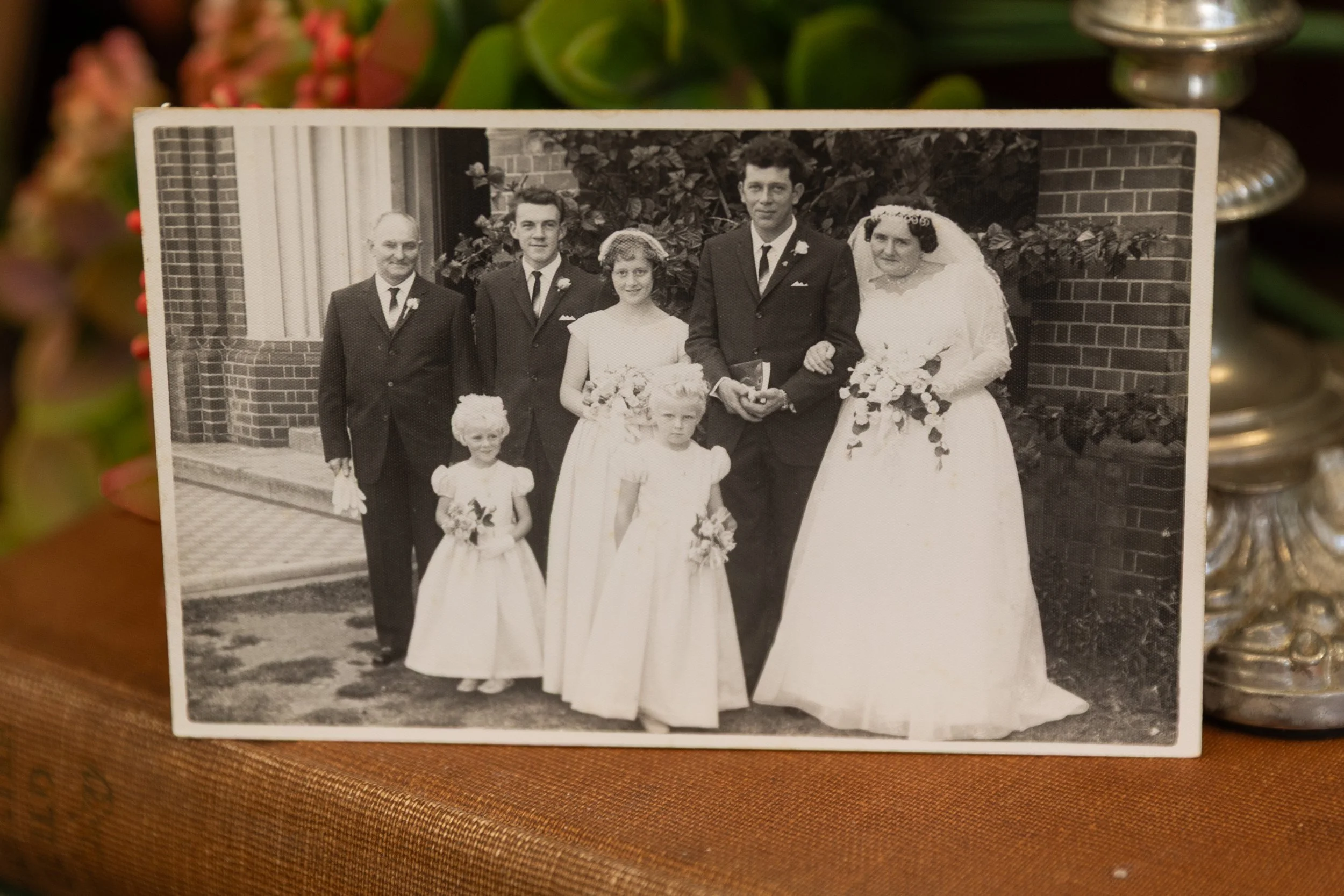
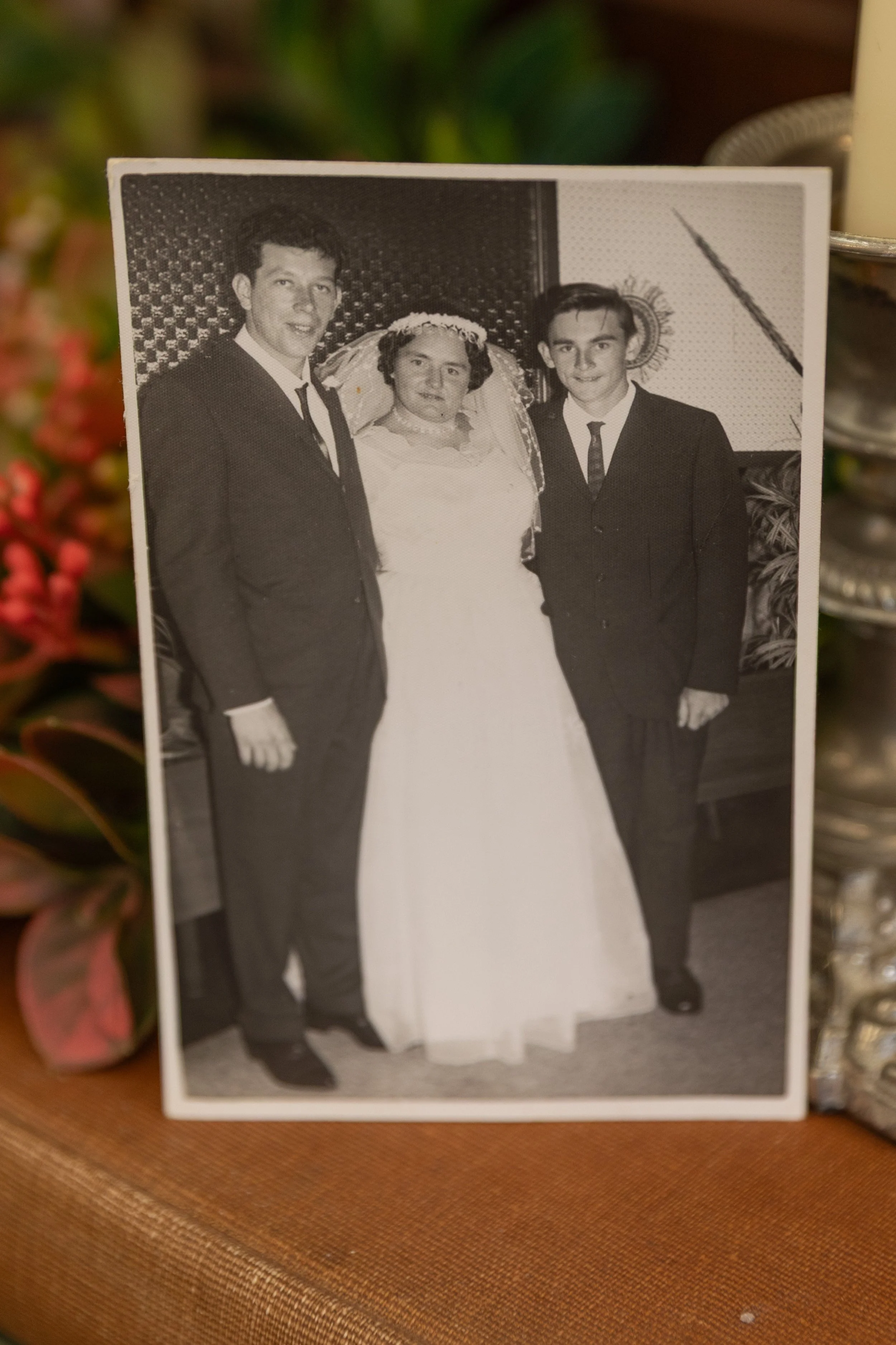
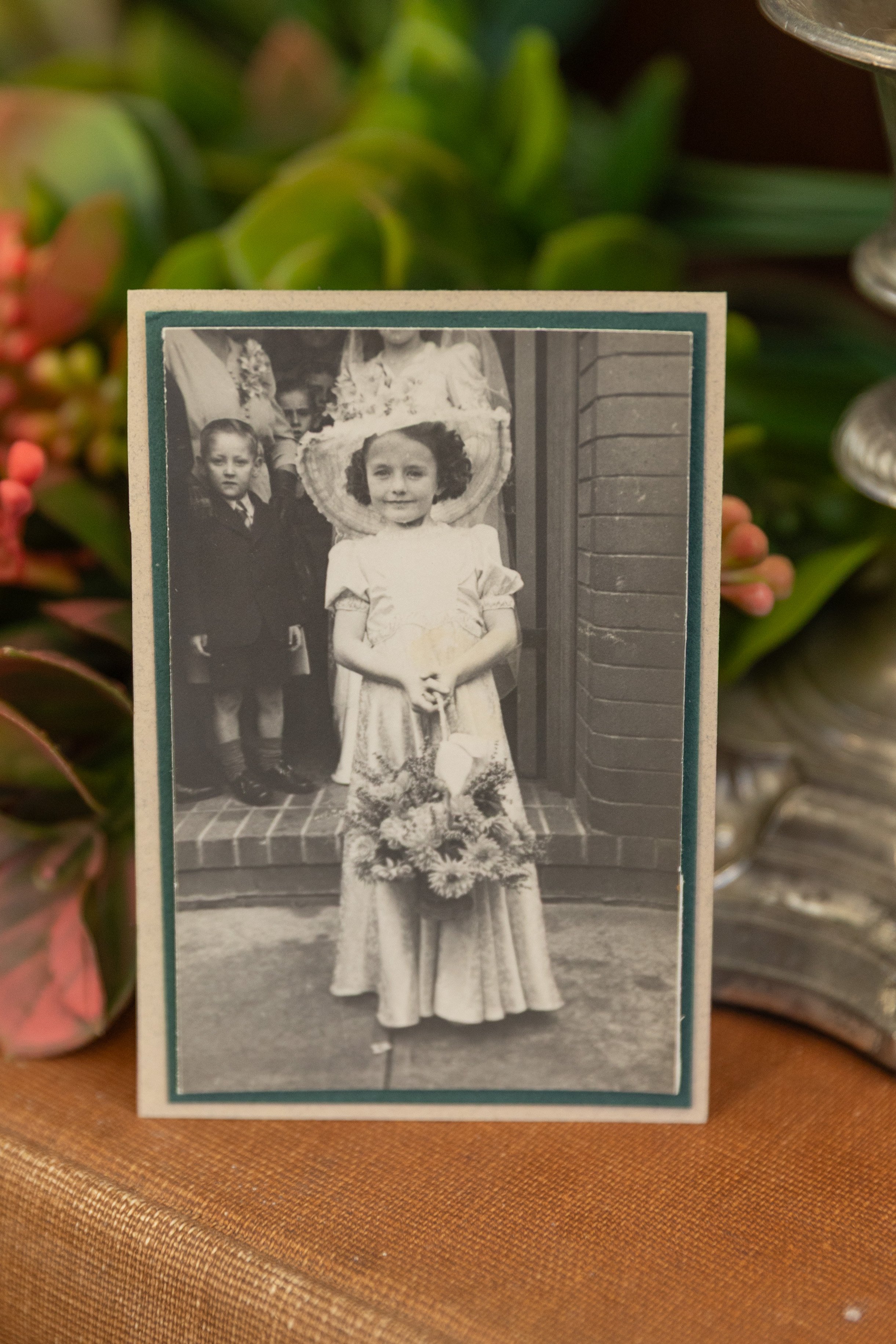
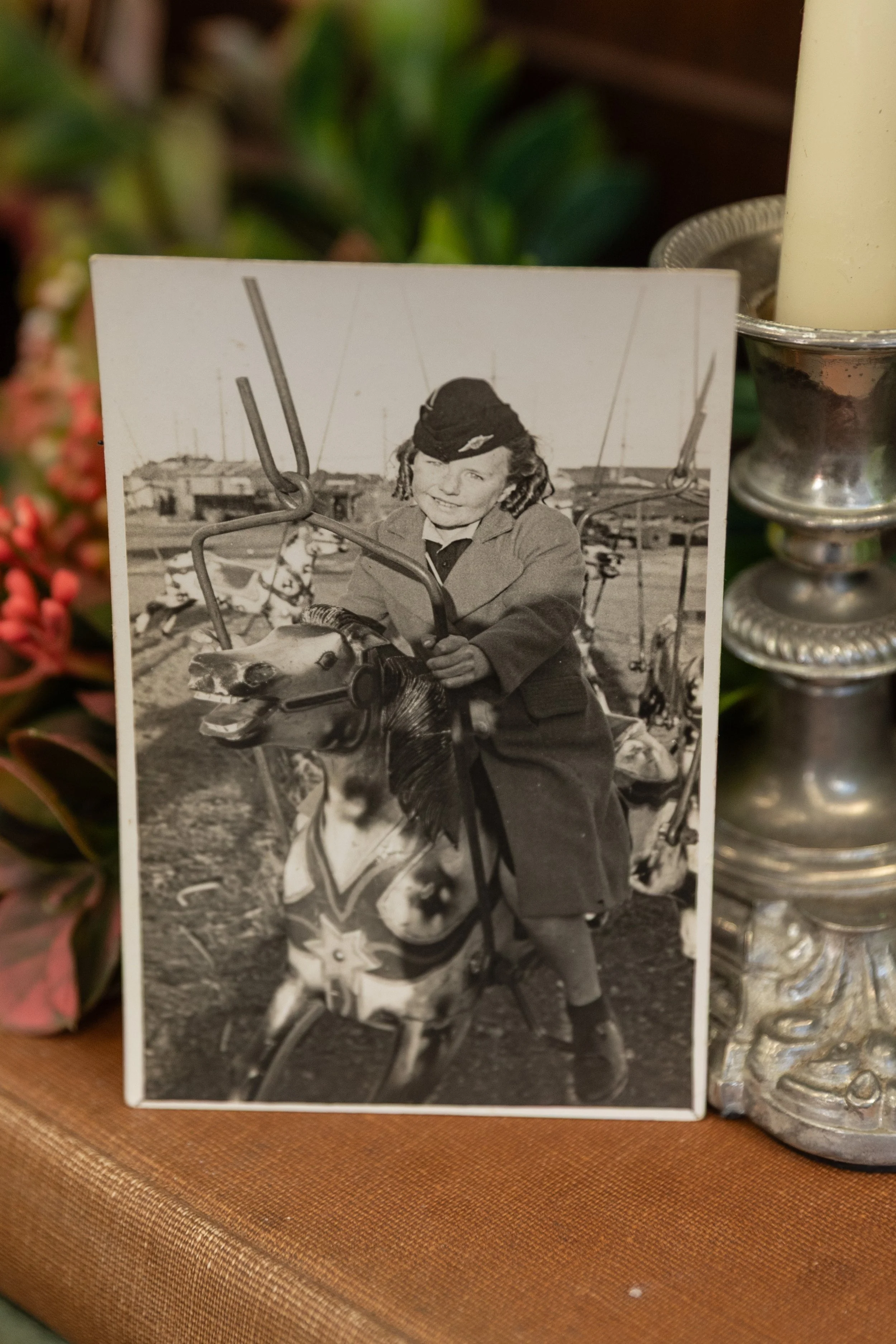
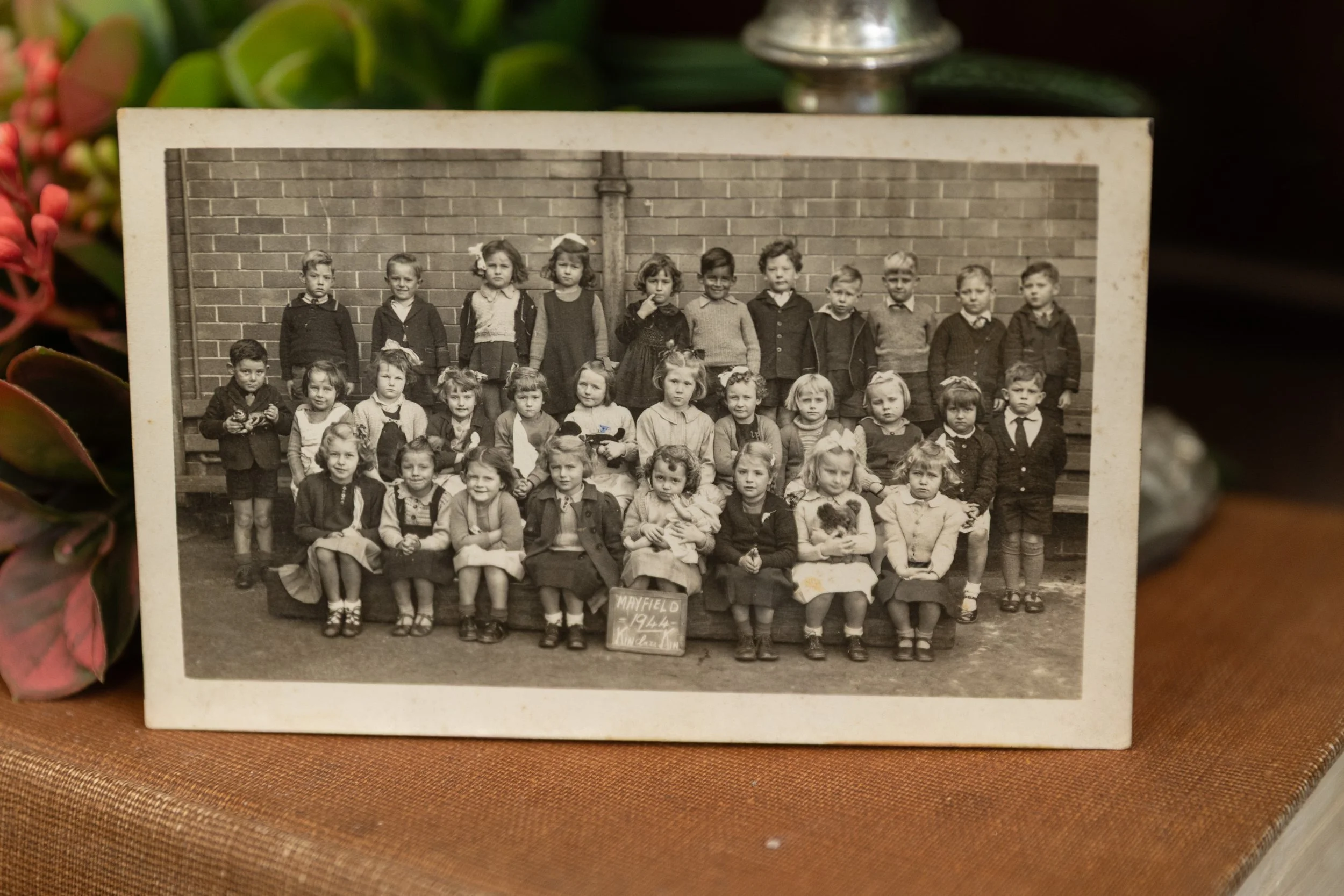
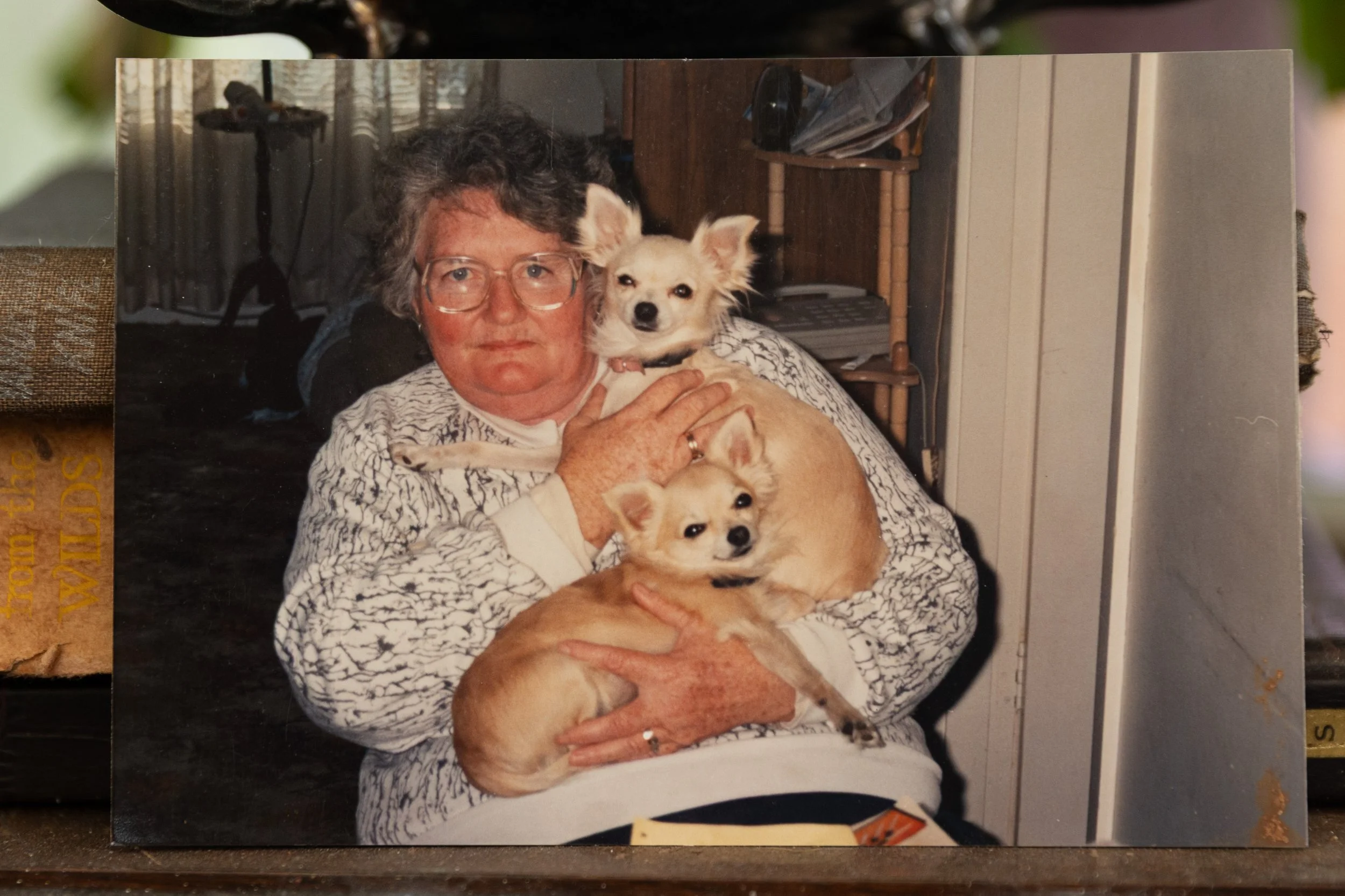
Kathleen
Today I captured the lovely Kathleen. Who kindly left me with her beautiful hand knitted blanket as a thank you, & I gave her some of my plants for her collection.
Kathleen asked if she could wear no shoes for her session as it makes her feel more grounded & balanced with the earth. When I asked if that was a common thing for her, she said that it was, & may be because of her Aboriginal Ancestry even though it was hidden from them for much of their lives. Her Mothers real dad wasn't listed on her birth certificate to protect them from any implication being indigenous would bring in those days. When I questioned Kathleen about her bikini photos she said she had it taken because she wanted proof when she was old that she used to look like that once..
She also bought along treasured cards & notes from her recent 90th birthday & her sash & Tiara.
KATHLEEN CECILA SOMERVILLE.
Born: February 1936.
Age 90 years
Kathleen had 10 siblings 4 sisters & 6 brothers with a set of twin boys in the mix
Her father was a licensed fisherman, he had an interest in gardening and was a carpenter. He built the home they lived in.
Her mother was a stay at home Mum, as they were in those times.
Her childhood wasn't an easy one...she was bought up in a very strict catholic household, where we all had jobs to do...picking peas and beans/feeding and caring for the cow for milk.
The kids used to go to the well each morning to collect a bucket of water for the garden before school. They had no shoes and often the well was frozen over in Winter.. Kathleen said, we all did as we were told!
Kathleen fondly remembered the cow Old Winnie who used to go wandering to the school and turn the tap on with her mouth to get a drink. The Nuns used to contact her mother angrily to take the cow home, ... She also recalls their mum used to hang their washing between the trees down in the gully. She had a stick to prop the line up.
They lived in a 4 bedroom house where we had to sleep 3 to a bed.
Childhood memories include her Dad taking us all out in his boat on a Sunday for a swim and going to Gumma with cousins. Then sitting in the back of the truck and stopping for ice cream on the way home.
Her first jobs included pea and bean picking in the school holidays, then cleaning at the bank. She also worked in a furniture shop as a sales person. Cared for the local doctors kids and cleaned the surgery. She said she fell in love at 18 but religion kept them apart as her father threatened to disown her if she married him.
She married in 1959. and at 23 (1960) she had first baby while they lived in Shortland. After some financial trouble her husband got into. they were forced to live back with her parents in Macksville.
Kathleen became a single mother when her husband deserted her while they were living there. Left in a difficult situation Kathleen went into nursing at Macksville
After a family upset she felt it was time to move on & moved back to Newcastle 1963. She ended up back with her husband despite him disappearing on her, and had 3 more children, Unfortunately history repeated again & she was a single mother again in 1972
Kathleen had been in the same Shortland house since 1964
She now has 9 grandchildren and 15 great grandchildren.
She is a real homebody so her hobbies and love besides family are: her garden, sewing, knitting, crocheting, reading and crosswords.
She also loves to sit and watch the waves roll in at the beach.
Margaret
On Thursday I captured the wonderful Margaret. She was very excited to see all my vintage lounges in the greenhouse as they reminded her of the furniture she'd had in her own home before moving to Lake Macquarie.
She was also kind enough to be my model whilst the Newcastle Herald were here catching some images of me as I worked,
Margaret Elizabeth Jenkins (nee Kingwell) nearly 89 years young was born on 24 May 1937 in Penrith to parents Eva Linda Kingwell and Henry Paige Kingwell. Margaret was an only child.
Her home for the first 21 years of her life was on Weir Road, Penrith. The property was an orchard growing oranges, mandarins, peaches, apricots, nectarines, and plums. They also kept some livestock, and this was where her father worked.
Margaret’s mother, Eva, was born in Stanmore. Eva’s mother died shortly after her birth, and Eva later moved to Penrith to live with her mother’s sister, Elizabeth, and her brother, Henry Lucas. Margaret referred to Aunty Lizzie and Uncle Henry as her grandparents, as she spent much of her childhood with them. Eva’s father moved to New Zealand, and Margaret has relatives there with whom she still keeps in contact.
Margaret’s father, Henry, was born in England. He attended Saint Paul’s School in London and then left to attend an army training course, although he was too young to participate in active service. He later worked for the Eastern Telegraph Company laying cables in Gibraltar in Spain. He eventually moved to Australia, arriving in Perth, where he and a friend were given a plot of land to grow wheat. Sadly, after a year or two, his friend left with all of his earnings. Margaret’s father often told her the story of walking across the Nullarbor from Perth to St Marys in New South Wales, where he eventually settled, carrying only a chest set, photographs from Gibraltar and a few personal belongings.
After Henry and Eva were married, Aunty Lizzie and Uncle Henry gifted them a 14-acre property on Weir Road with views of the Nepean River. This property, along with Aunty Lizzie and Uncle Henry’s orchard, produced fruit that was packed and sent to Sydney markets for sale.
Margaret grew up playing tennis and baseball and was a member of the school choir. She trained at Business College in Sydney and graduated as a stenographer in 1954. She worked in a solicitor’s office and later as a private secretary at the Hoyts Cinema head office in Sydney, where she worked until 1960.
Margaret met her husband, Warren Joseph Jenkins, while playing tennis and through the Penrith church, where they were both members of the choir. They became engaged in 1957. Sadly, Margaret’s father passed away in early 1958. Margaret and Warren were married on 23 August 1958 at the Penrith Methodist Church. As a wedding present, they were given a plot of land on Aunty Lizzie and Uncle Henry’s orchard, where they built their first home. Warren had a MG TF called ‘inky’ which they enjoyed adventures in till it had to be sold to pay for their wedding!
Warren trained as a teacher and later completed a Bachelor of Arts. He studied psychology through Armidale University and worked at several high schools. He later moved into school counselling and was eventually promoted to District Guidance Officer for the Windsor District, where he was responsible for a large team of counsellors. During this time, Warren also taught two nights a week at Emu Plains Training Farm prison, helping inmates learn to read and write.
Margaret’s mother also built a home on the same property, so Margaret was surrounded by her mother and great-aunt as she entered the next stage of her life — motherhood. Margaret and Warren had three sons.
Margaret thrived in motherhood, doting on her three sons and taking them to cricket, soccer, and church. Margaret and Warren were active members of the Emu Plains Uniting Church, as were her mother and aunt. Margaret’s great-uncle’s family Henry Lucas, founded the church. The church building still stands today, although it no longer has a congregation. The Lucas family has recently been honoured with the naming of a wing, Lucas Lodge, at a new residential aged care facility next to the church.
Margaret visited Salisbury, England, as well as Scotland and Holland, with her mother in 1975. In 1982, she and Warren travelled to England and Hong Kong, where they met lifelong friends. The Jenkins family enjoyed many holidays together, especially at the beach.
Margaret loved cooking and hosting family and friends. Their property had a large swimming pool, and she was well known for her Neenish tarts. One orange tree remained on Margaret’s property, from which she loved making marmalade. The tree was estimated to be around 70 years old. Margaret continued playing tennis, although her main role was managing the household.
Sadly, Warren passed away at the age of 54 due to coronary artery disease and lymphocytic lymphoma, complicated by pneumonia. Margaret misses Warren to this day.
Margaret has eight grandchildren. She loved playing with them and built a cubby house in her backyard, hosting many tea parties.
Margaret joined Probus and enjoyed many overseas and domestic holidays, travelling to China, America, Canada, Queensland, Italy, Switzerland, Adelaide, Lord Howe Island, France, Spain, Portugal, Morocco, and visiting family in New Zealand.
Margaret was recognised for 50 years of service to the musical ministry at Emu Plains Uniting Church, where she played the organ most Sundays and also served as treasurer.
Margaret is an avid crafter, and there was little she could not do. Although she is no longer able to continue, she once enjoyed long-stitch tapestries, paper tole, knitting, and making cards with rubber stamps. She has created many scrapbooks for her children and grandchildren, highlighting their achievements.
Margaret beams with pride when she speaks about the accomplishments of her children and grandchildren. She misses her husband dearly and often talks of him.
Margaret moved into her Emu Plains home in 1960 and remained there until 2025, when she relocated to Lake Macquarie to be closer to some of her grandchildren and great-grandchildren.
Margaret says that her great-grandchildren have brought her back to life and now she spends her days doing anything to make them smile.
Joy
A bit of a special Golden age participant to end 2025.
Her name is Joy, & it certainly is a fitting name, especially for her Christmas decorating. Joy's daughter Sara asked if I could travel to her home in Rutherford to capture the simply amazing Christmas display she puts together each year. It really is something else!
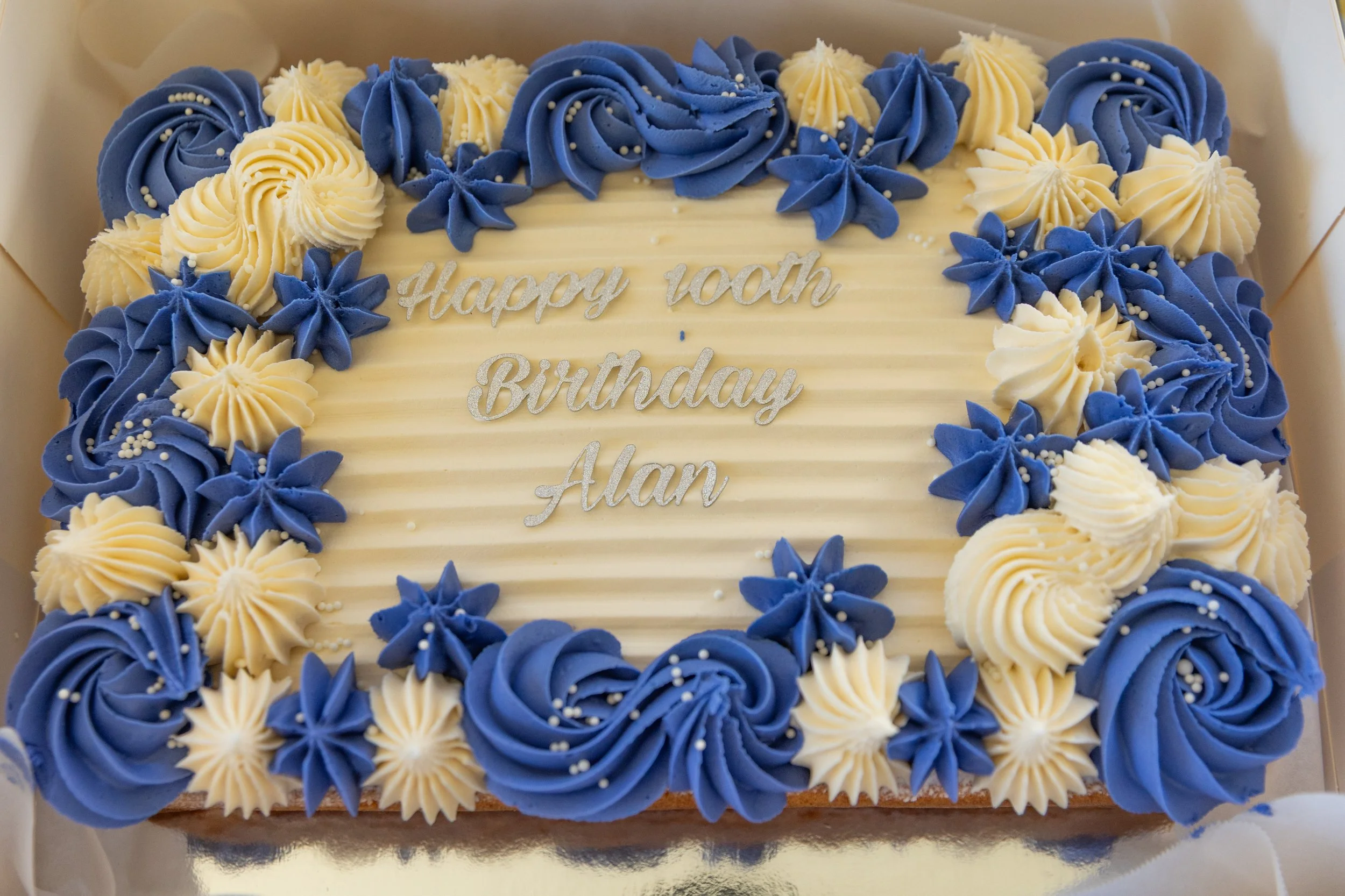
Joy Brown
Born: June 1947 in Ballina NSW
Father, Sandy, was an Australian soldier from WW2 where he met his wife Olga (from Russia), both as prisoners of war. They married and then her mother immigrated to Australia where they settled on a Dairy farm near Ballina.
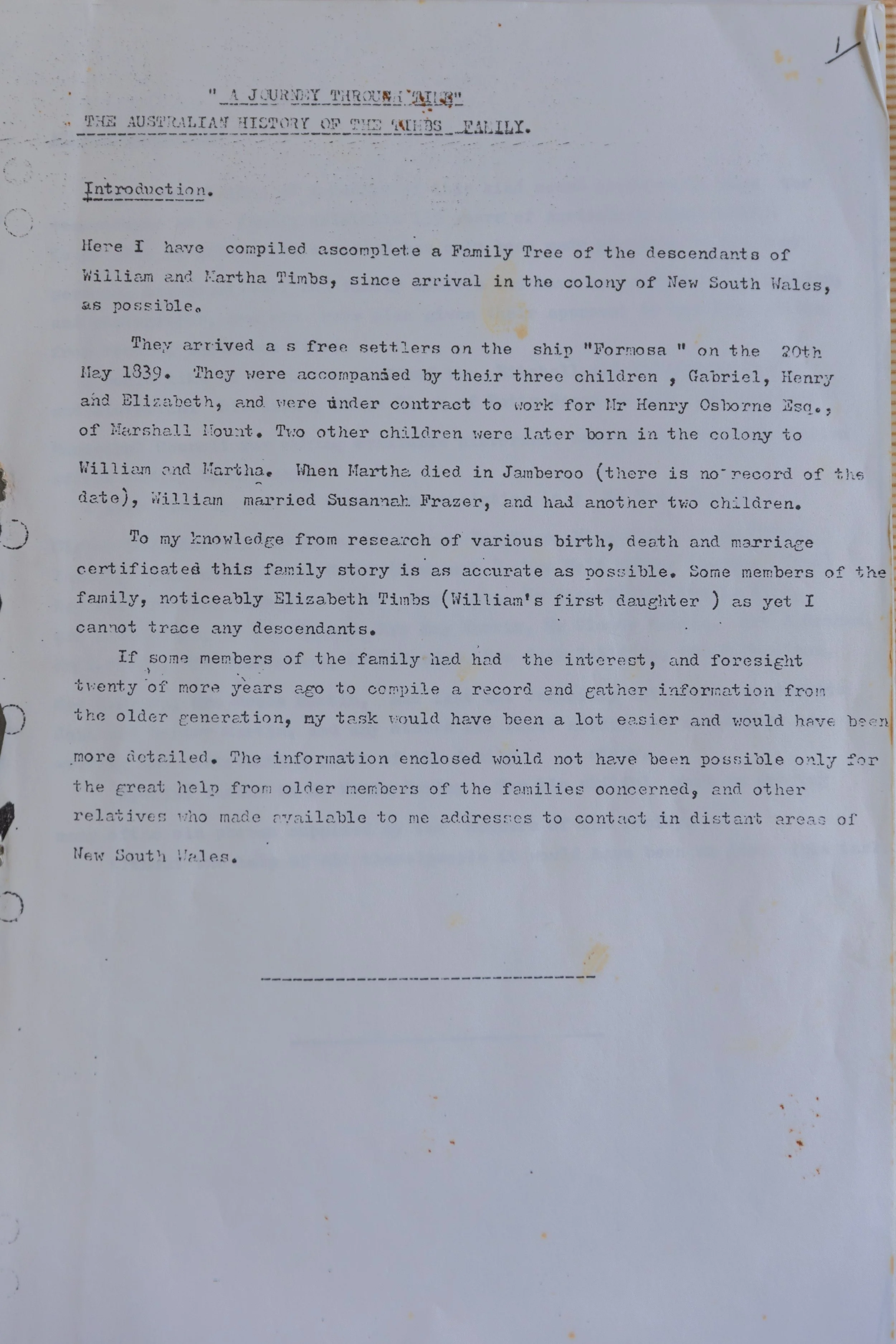
She was the eldest of 4 girls. they were very poor, worked hard, even as children. Went to school. Joy was a very shy child. Her father was very tough love and put a lot of responsibility on her as the eldest. She basically raised her youngest sister from birth to teens. They moved to Liverpool in her teen years where she finished her schooling
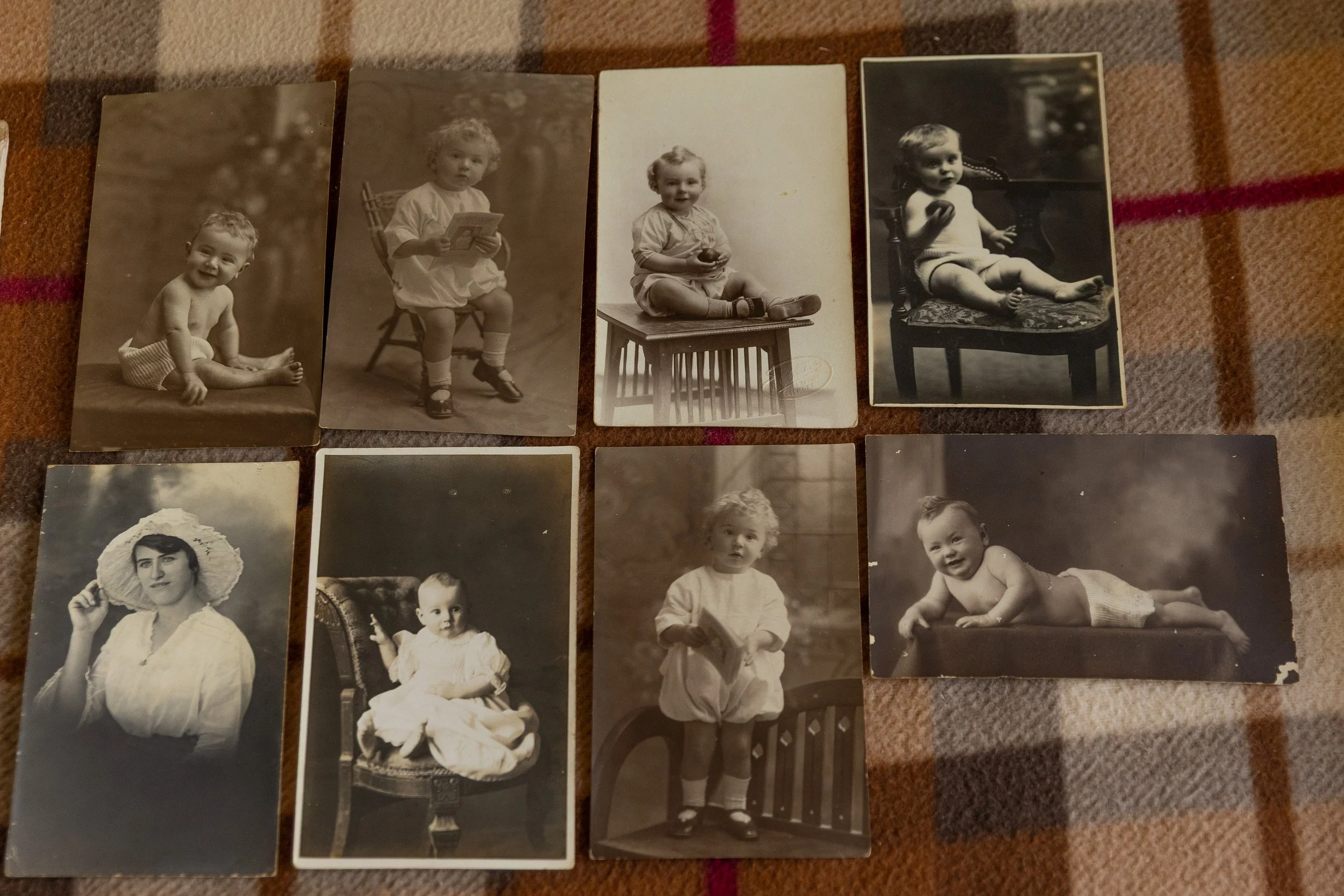
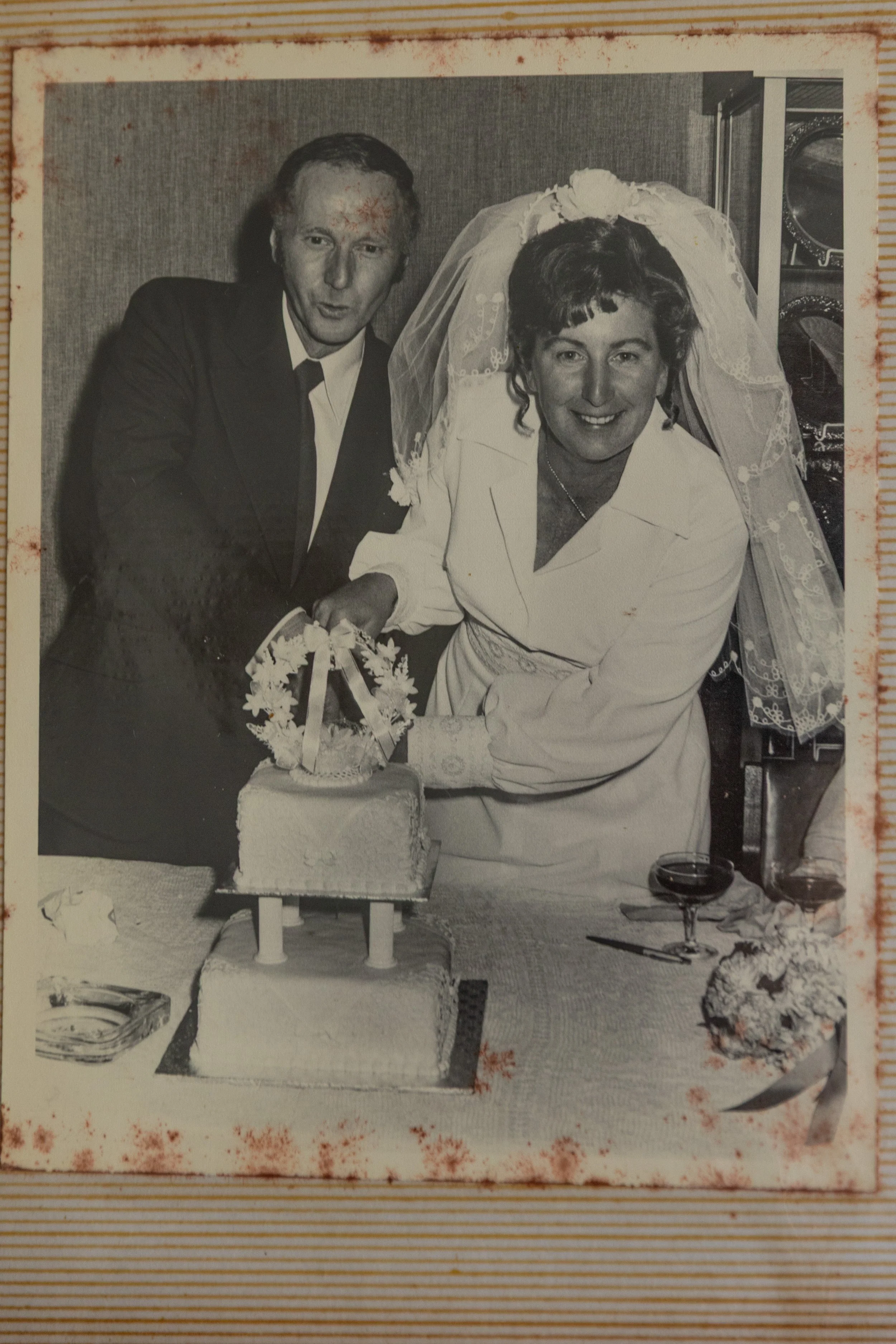
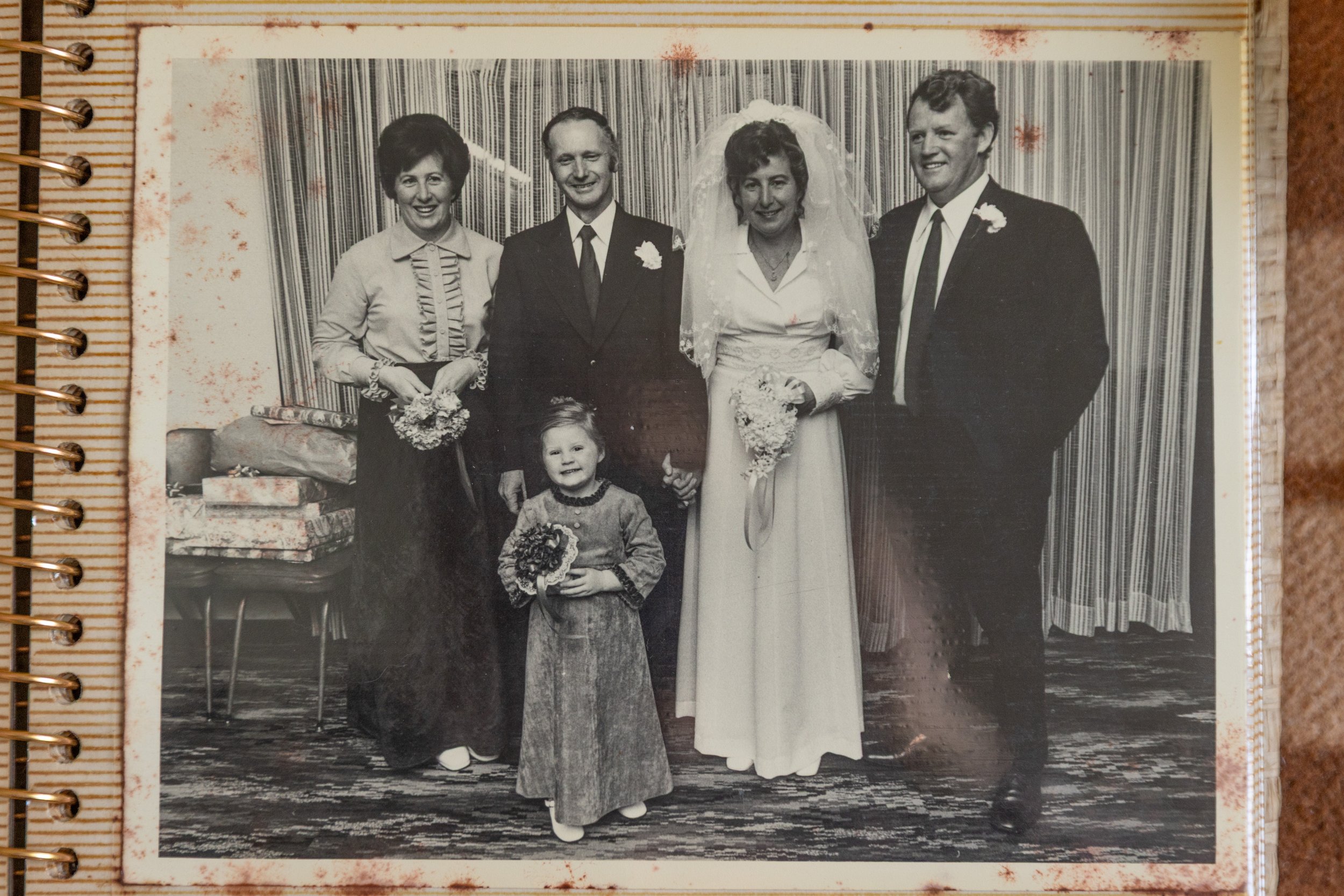
Joy did many jobs, her first in the bakery as a cake decorator and then as a milliner.
Joy married in 1965 and divorced in early 00’s. it was a very tough time for Joy following the breakup. They had 5 children, 3 boys and 2 girls
Joy had stayed home to care for her children full time. She loved it, always said it was all she wanted to do! One day when her youngest was around 14-15, she somehow fluked a job out of nowhere, as a tour director for Scenic Tours, which took her all over Australia, New Zealand and Canada, she absolutely loved it!
She also worked as a housekeeper for a company which sent her travelling to teach others how to do the same role. This included training indigenous employees in the Kimberley. She was also based at Perisher, where she learnt to ski in her 50’s
Joy has been a sewer all her life. She loves anything crafty from embroidery to quilting to cross stitch and anything else you could think of. Her daughter Sara recalls many fond memories of her mum holding craft classes in their living room. But her biggest hobby to date is definitely decorating. Christmas especially. She begins in September in order to get it all up and is very meticulous with how everything is done. She allows groups to do walk throughs, even taking buses from nearby retirement villages. She absolutely loves sharing her love of Christmas with anyone who will listen!
She is still involved with helping at an aged care facility and has a special spot in her heart for the dementia patients.
Joy said she has 35 Christmas trees currently and just bought some on special at Kmart a couple of days ago.
She is also very proud of her 9 grandchildren.