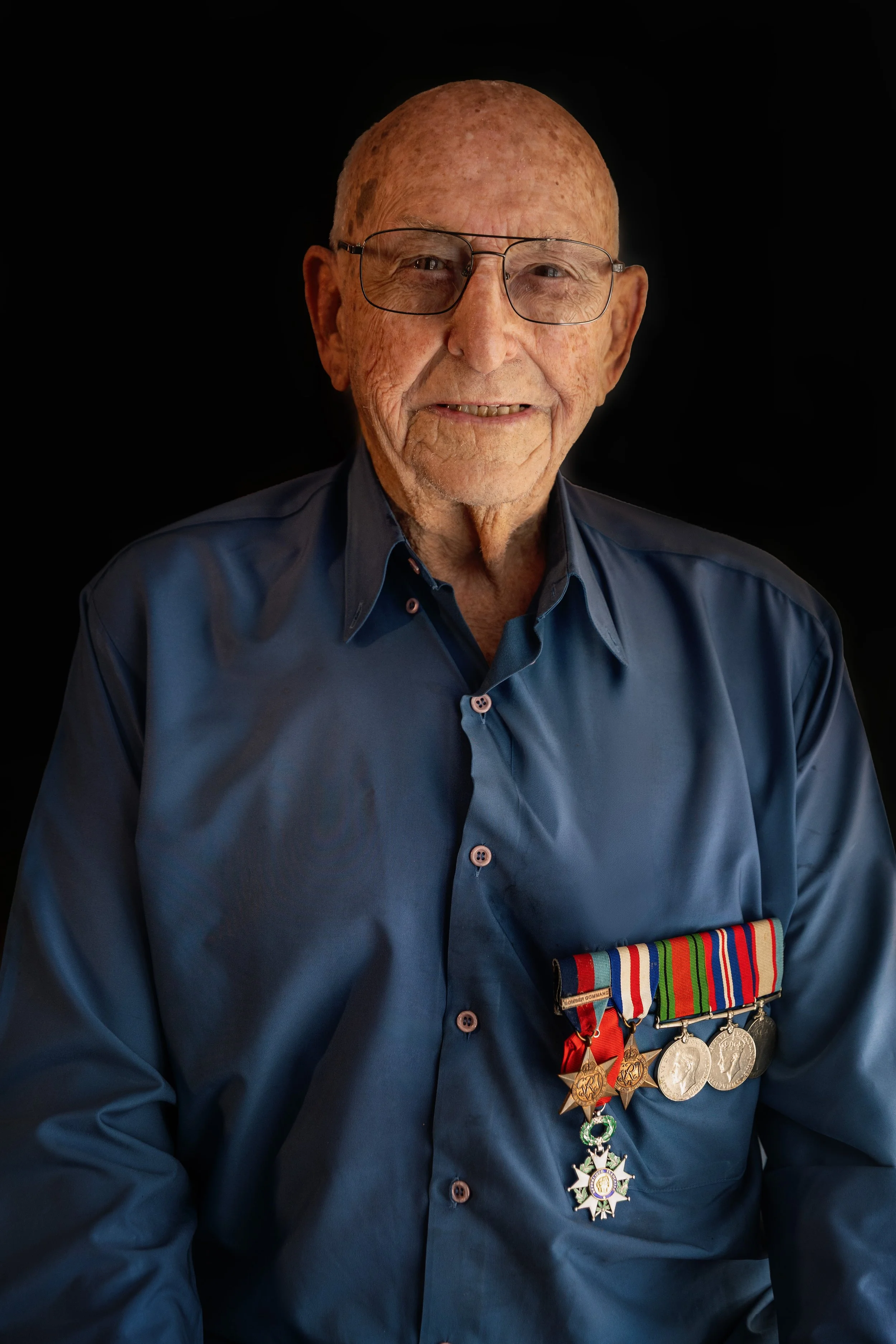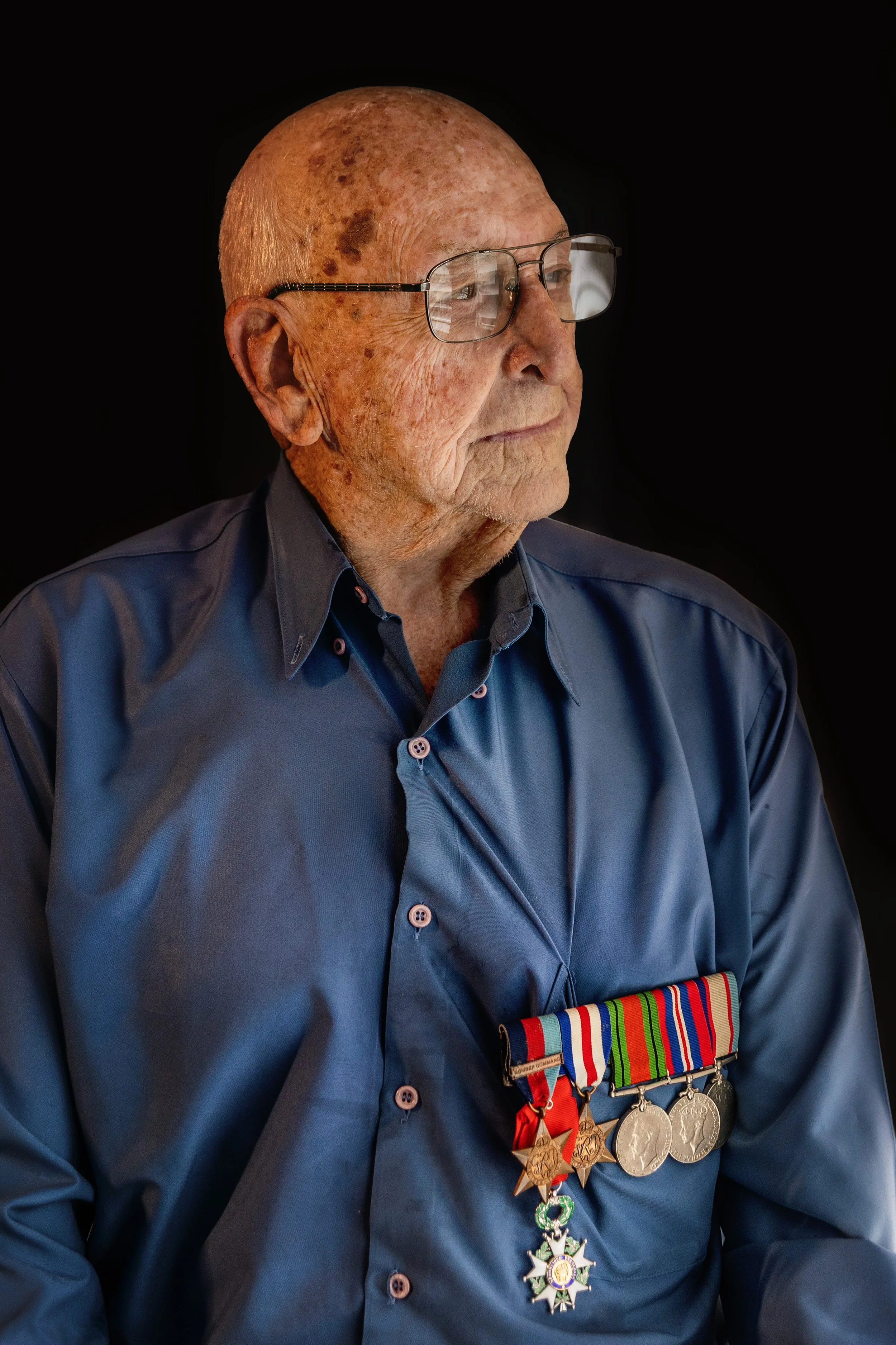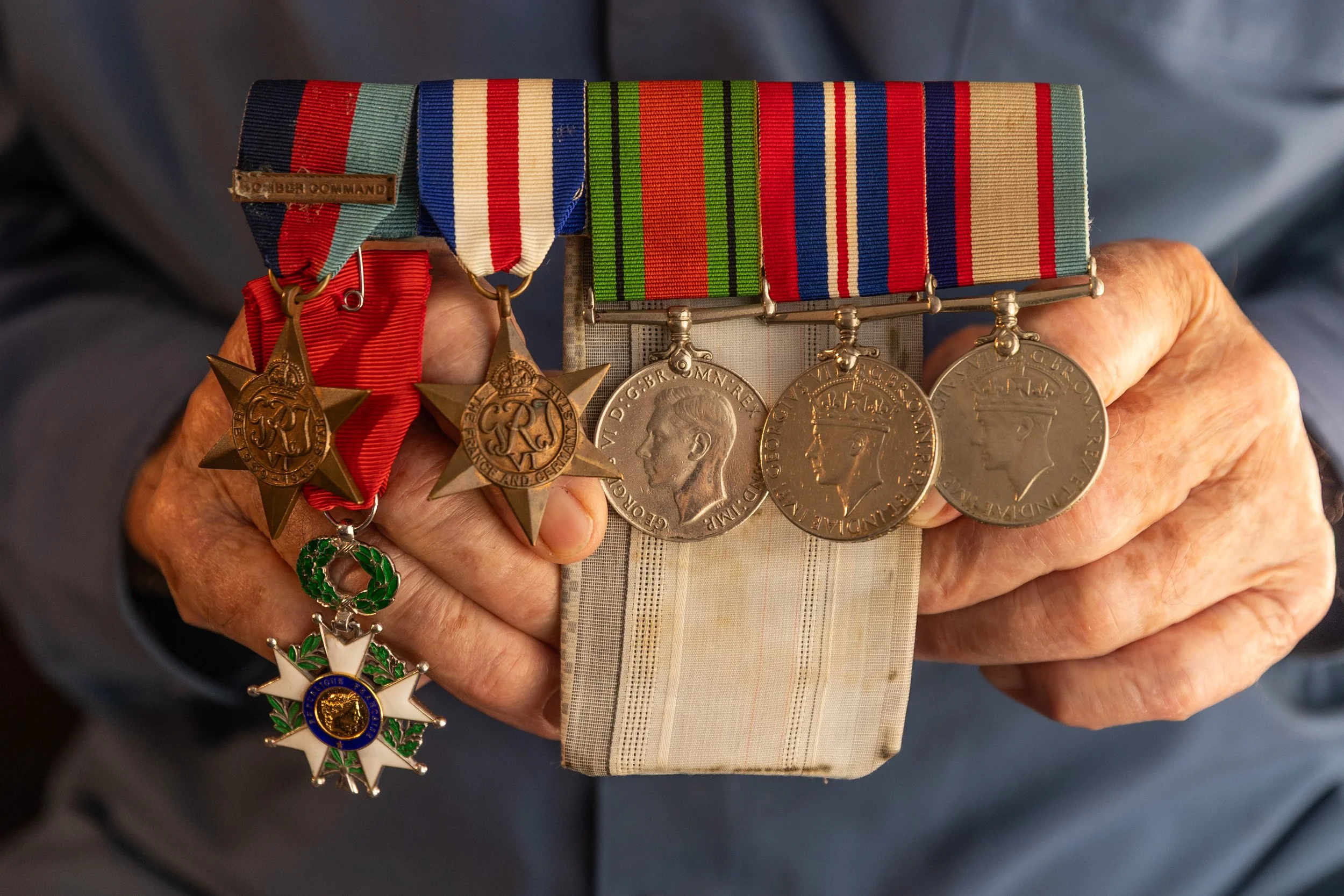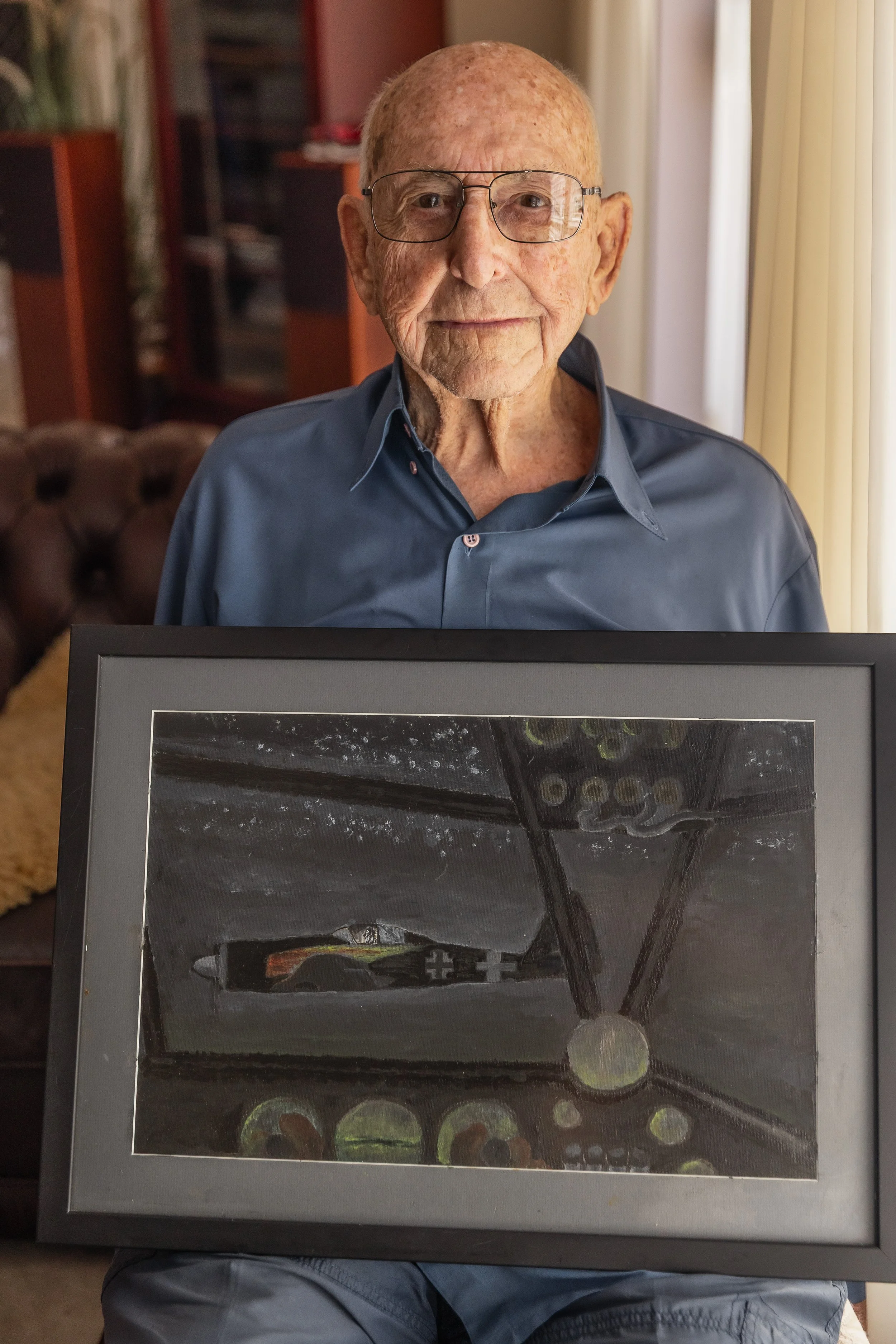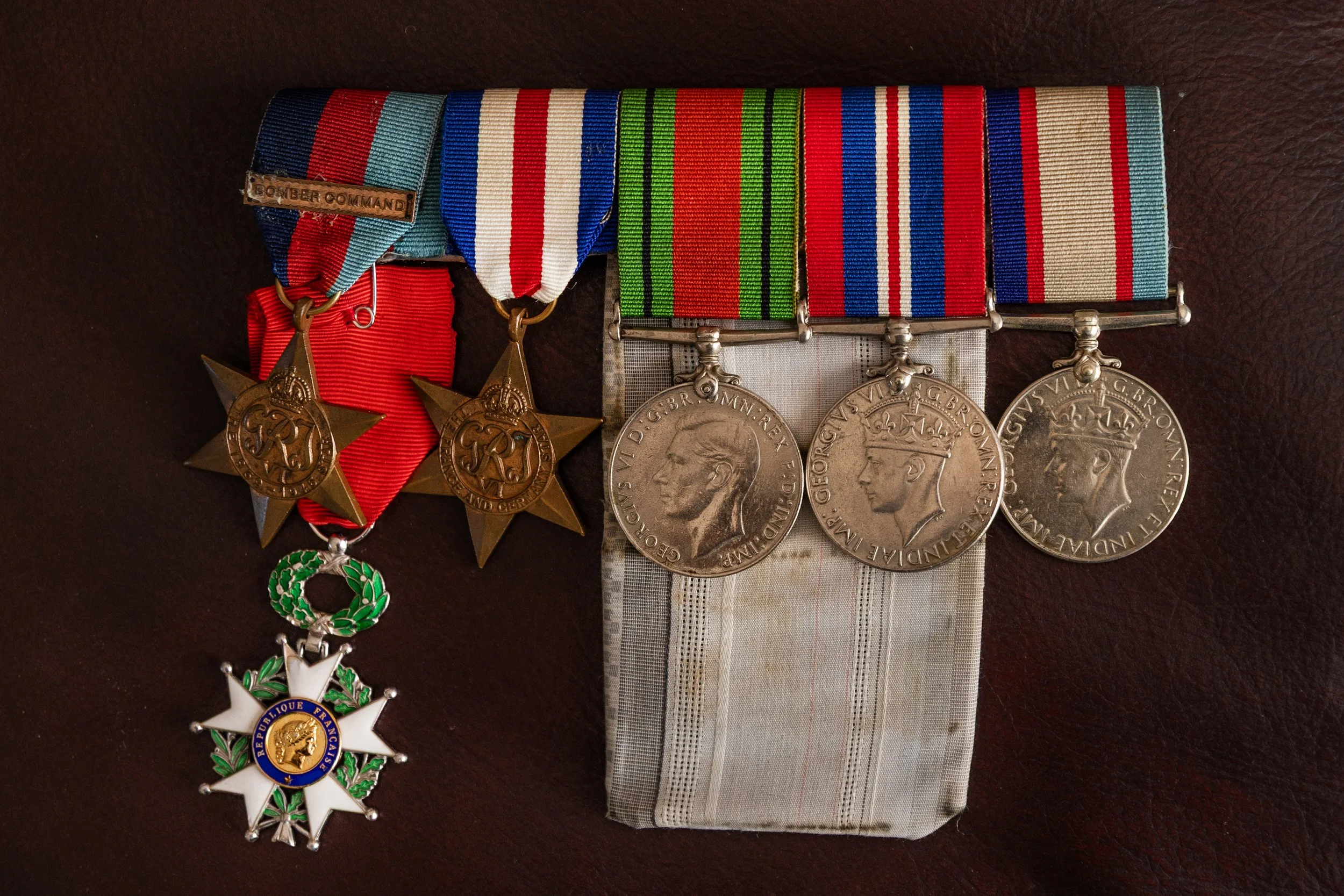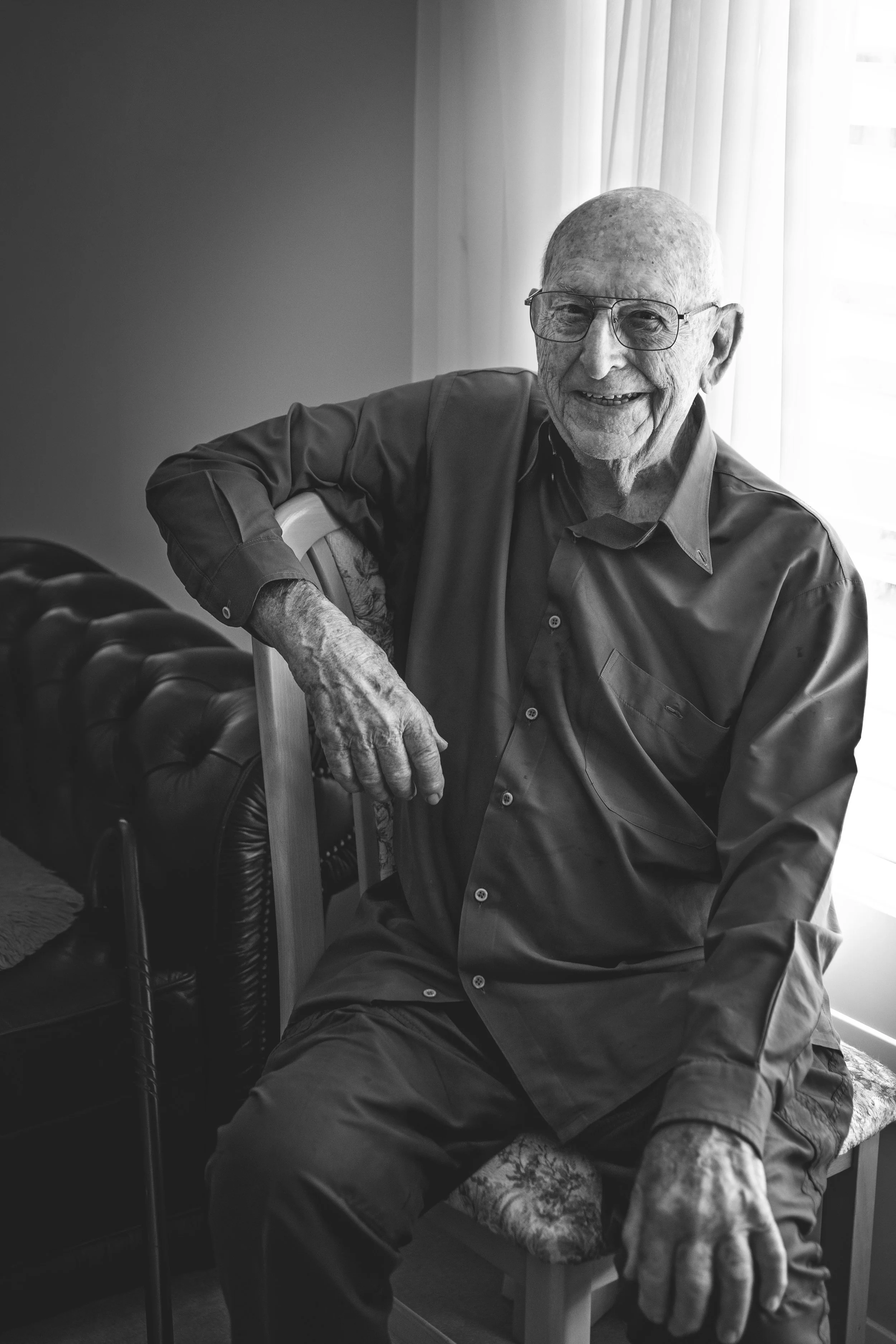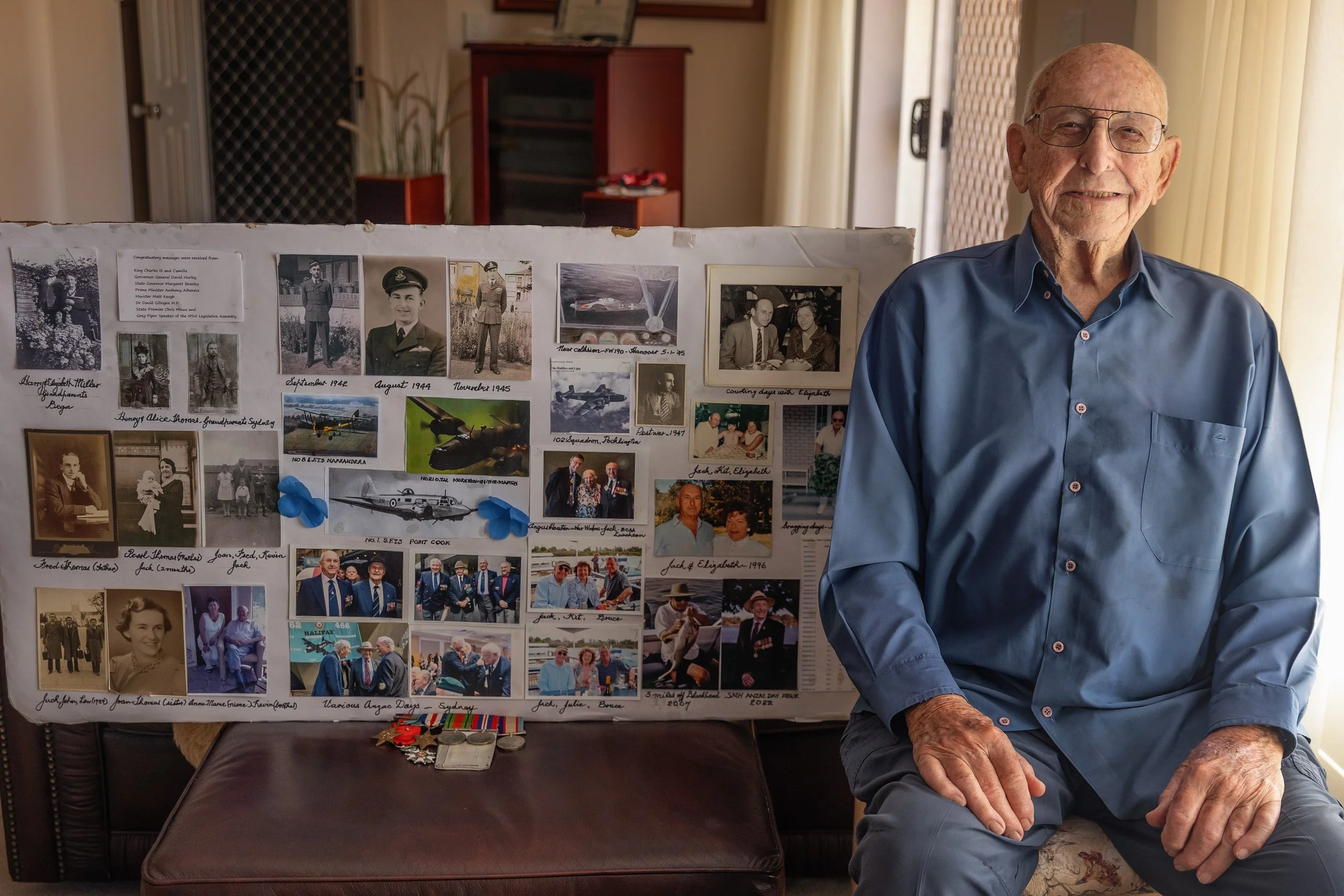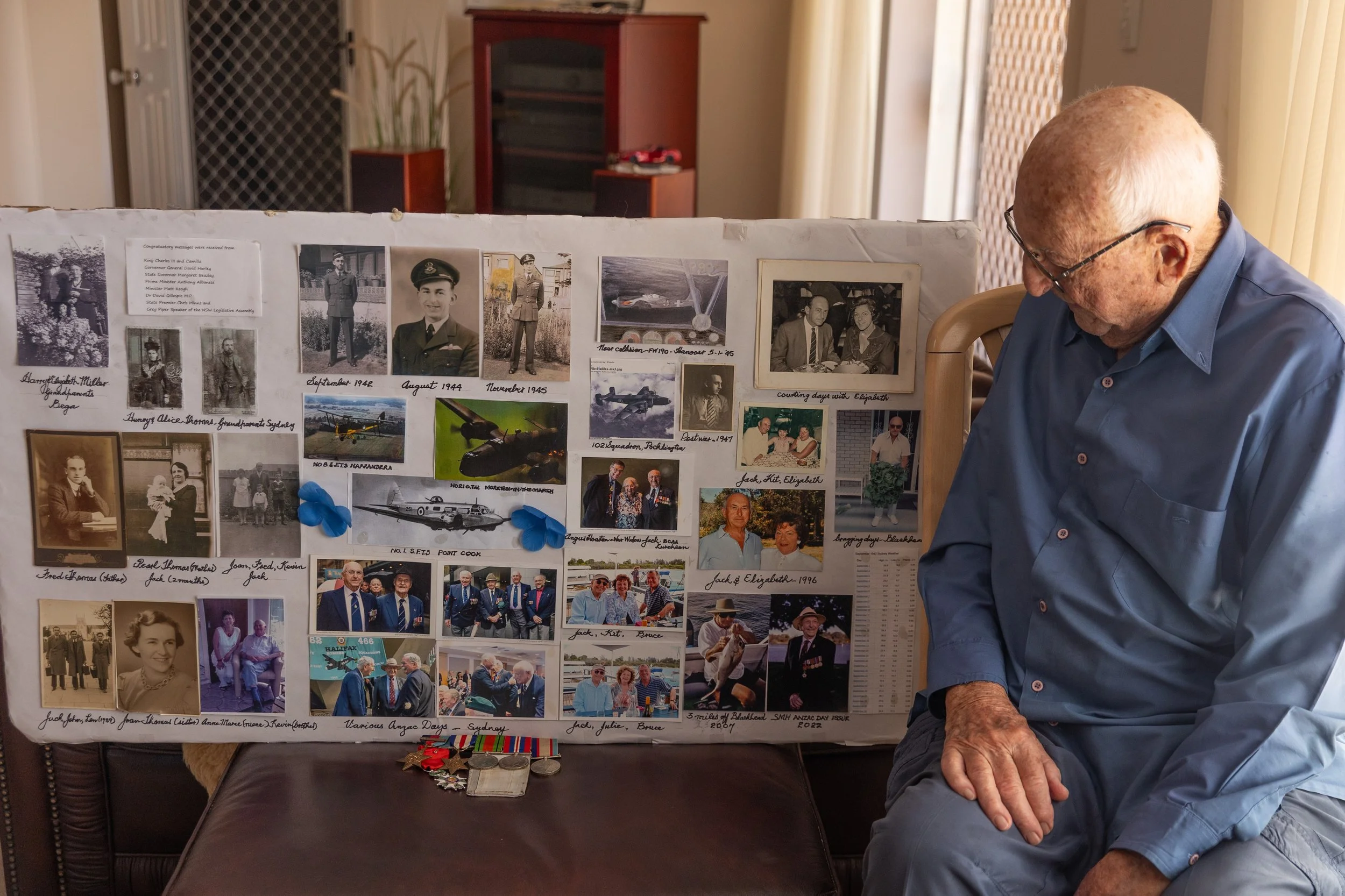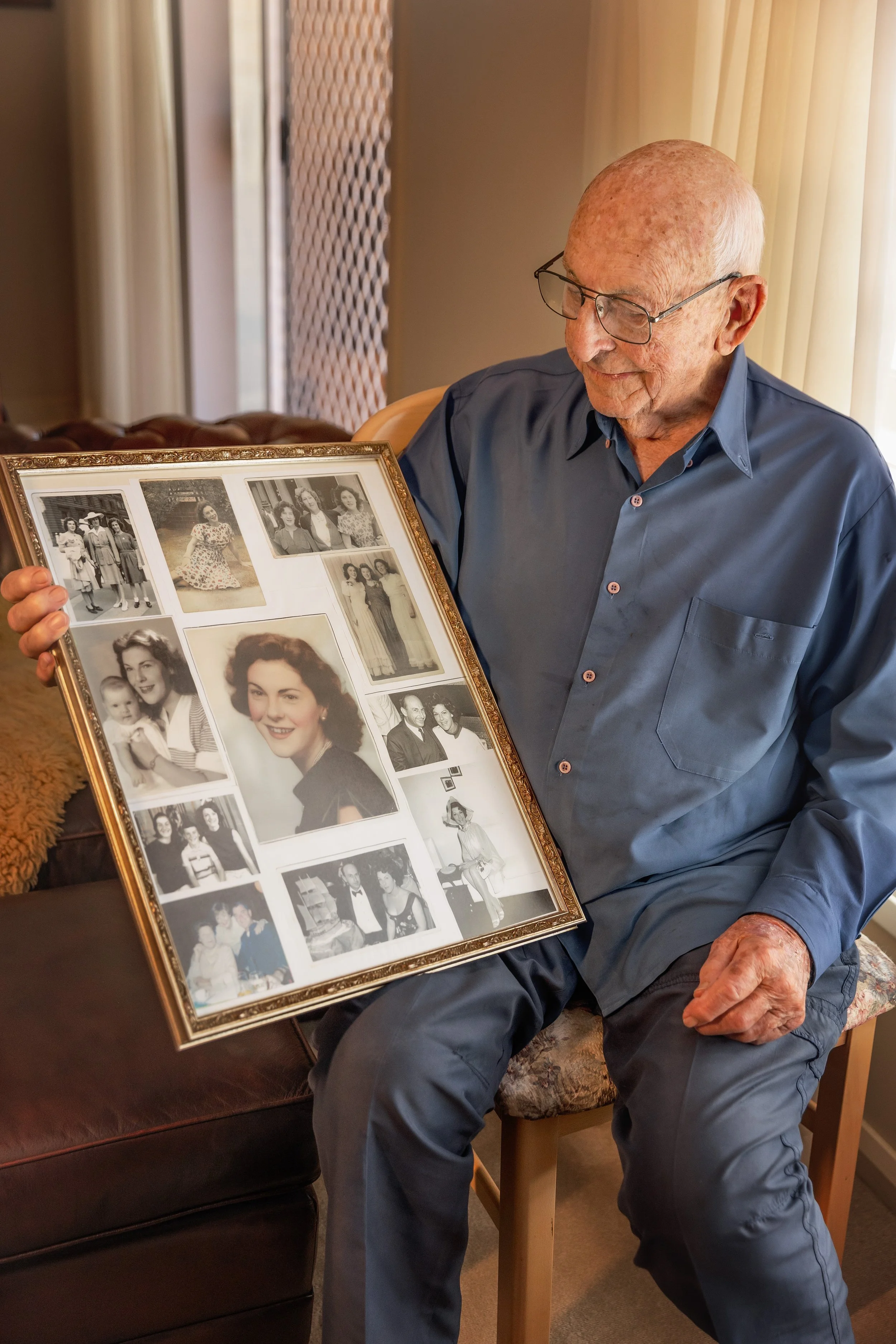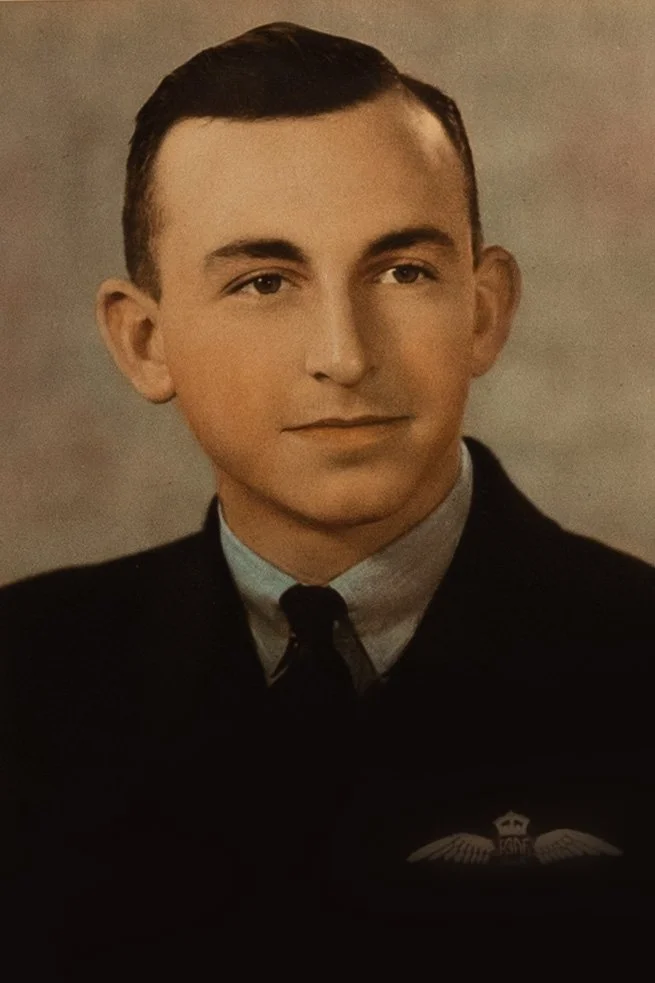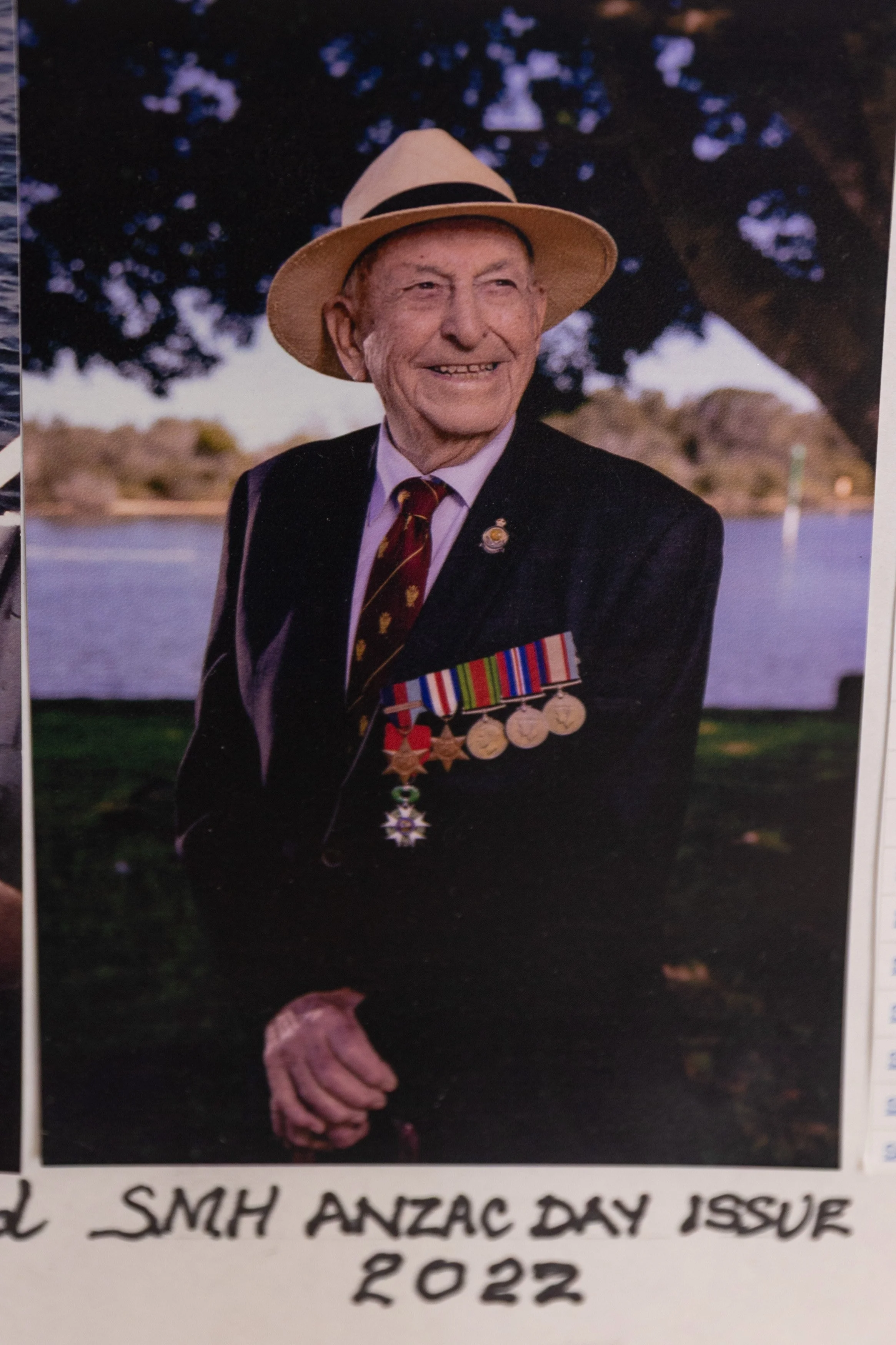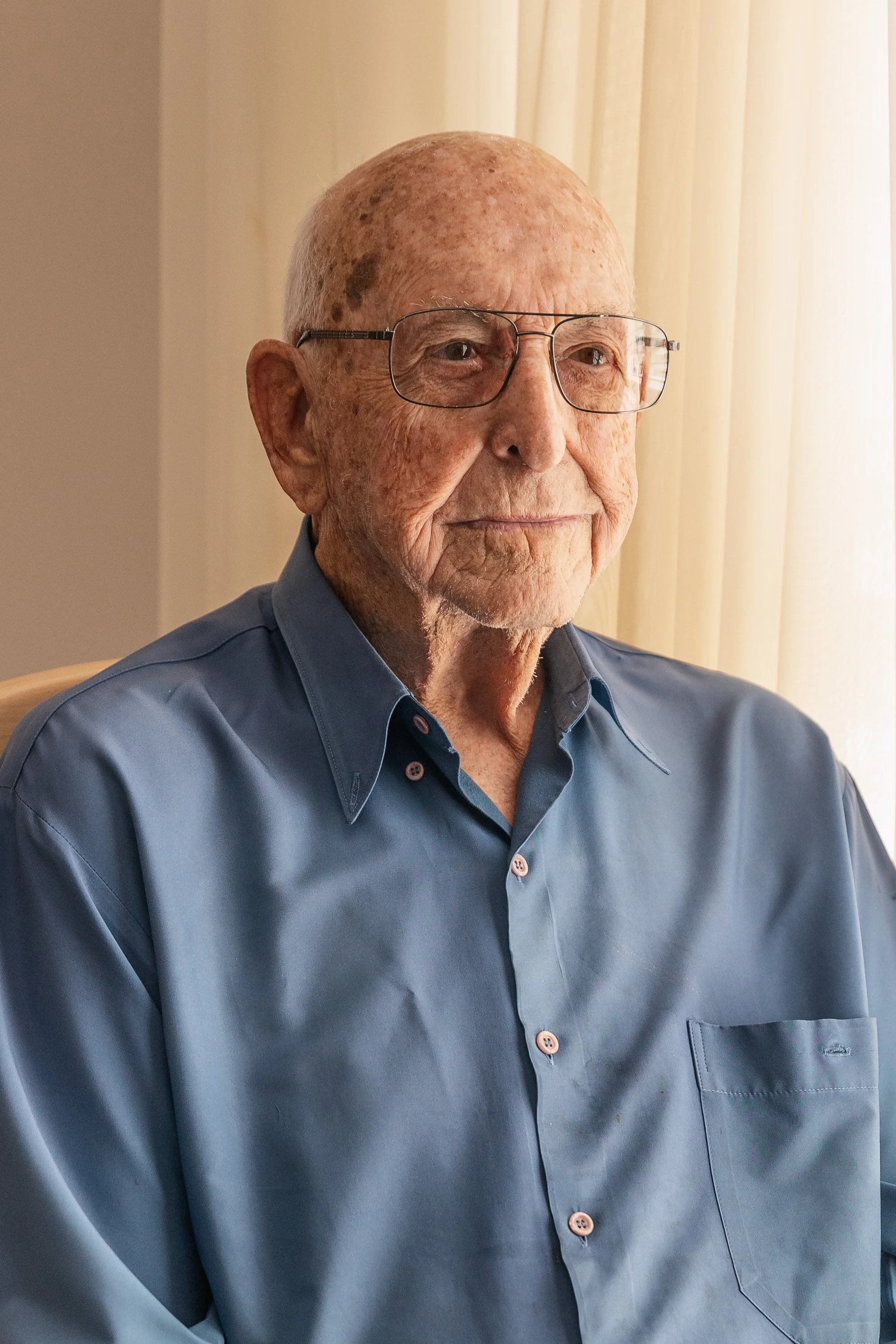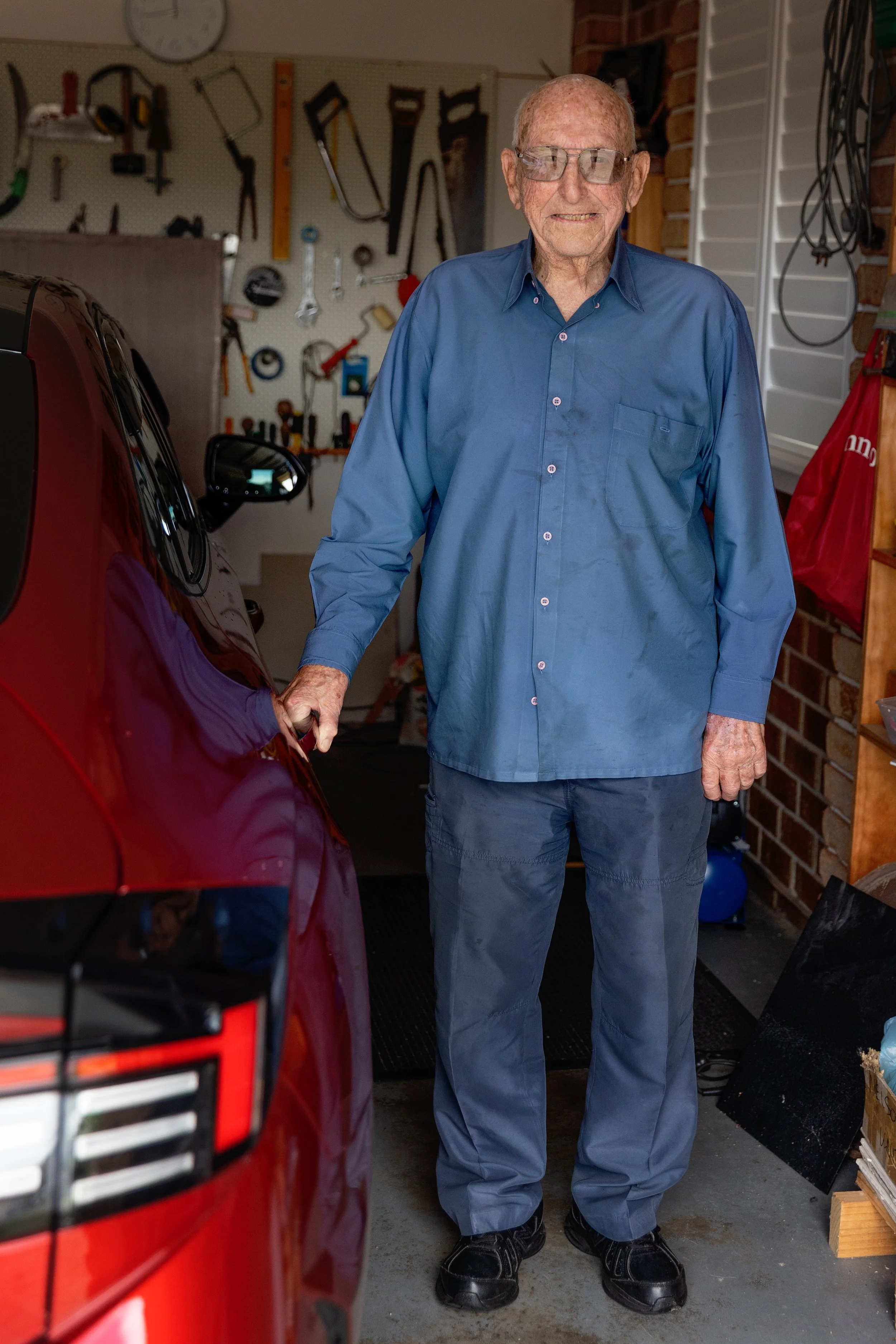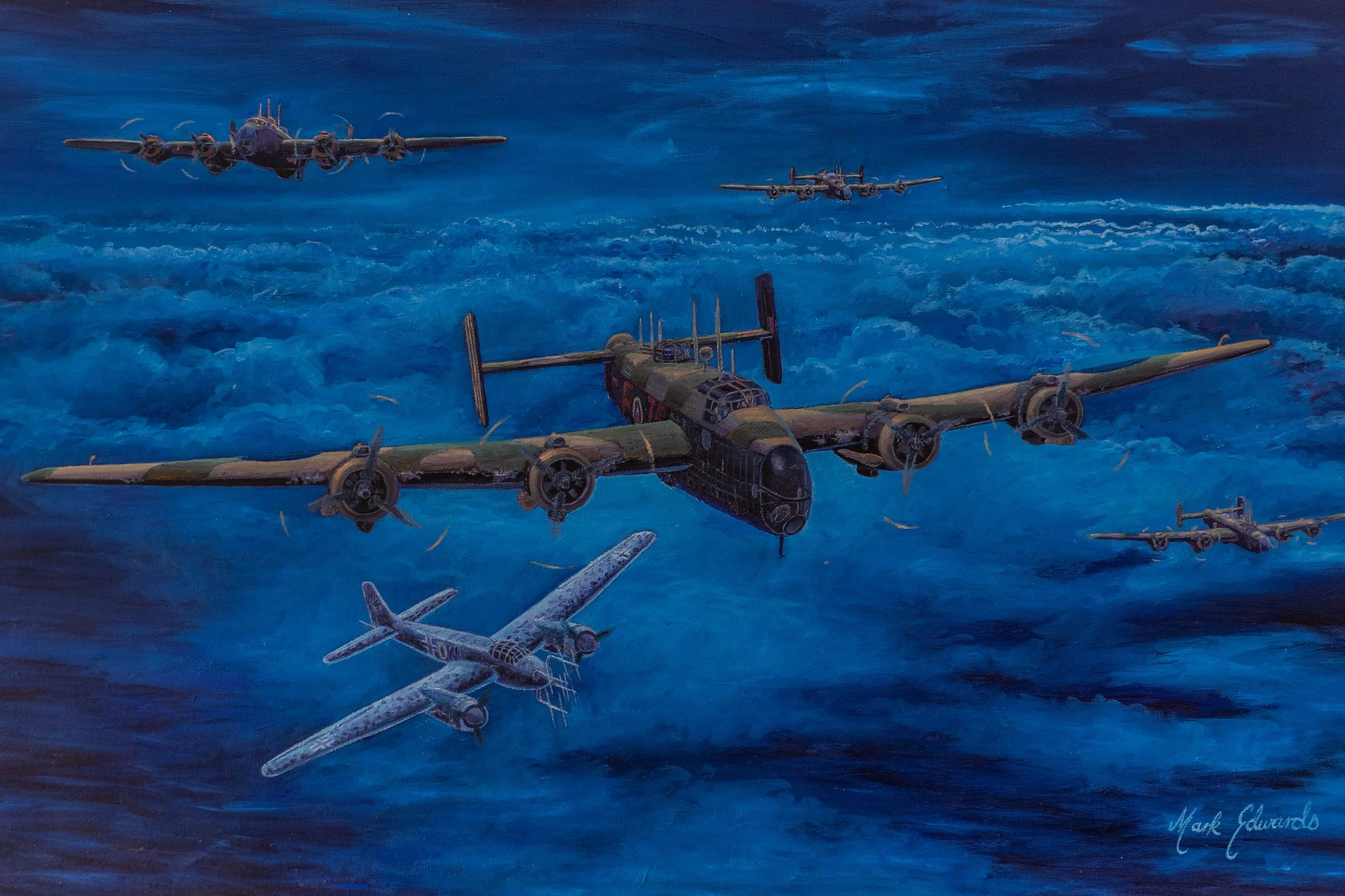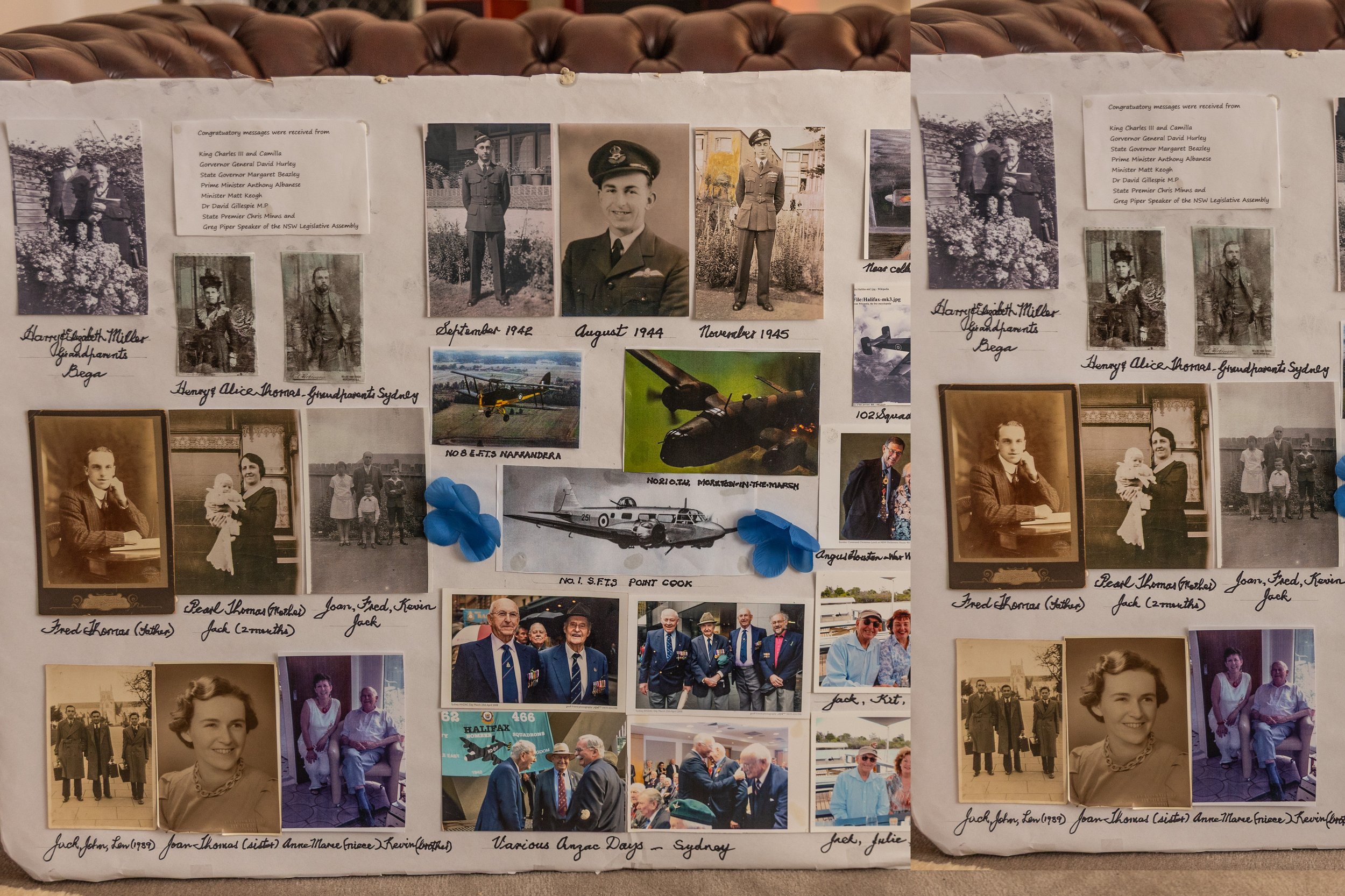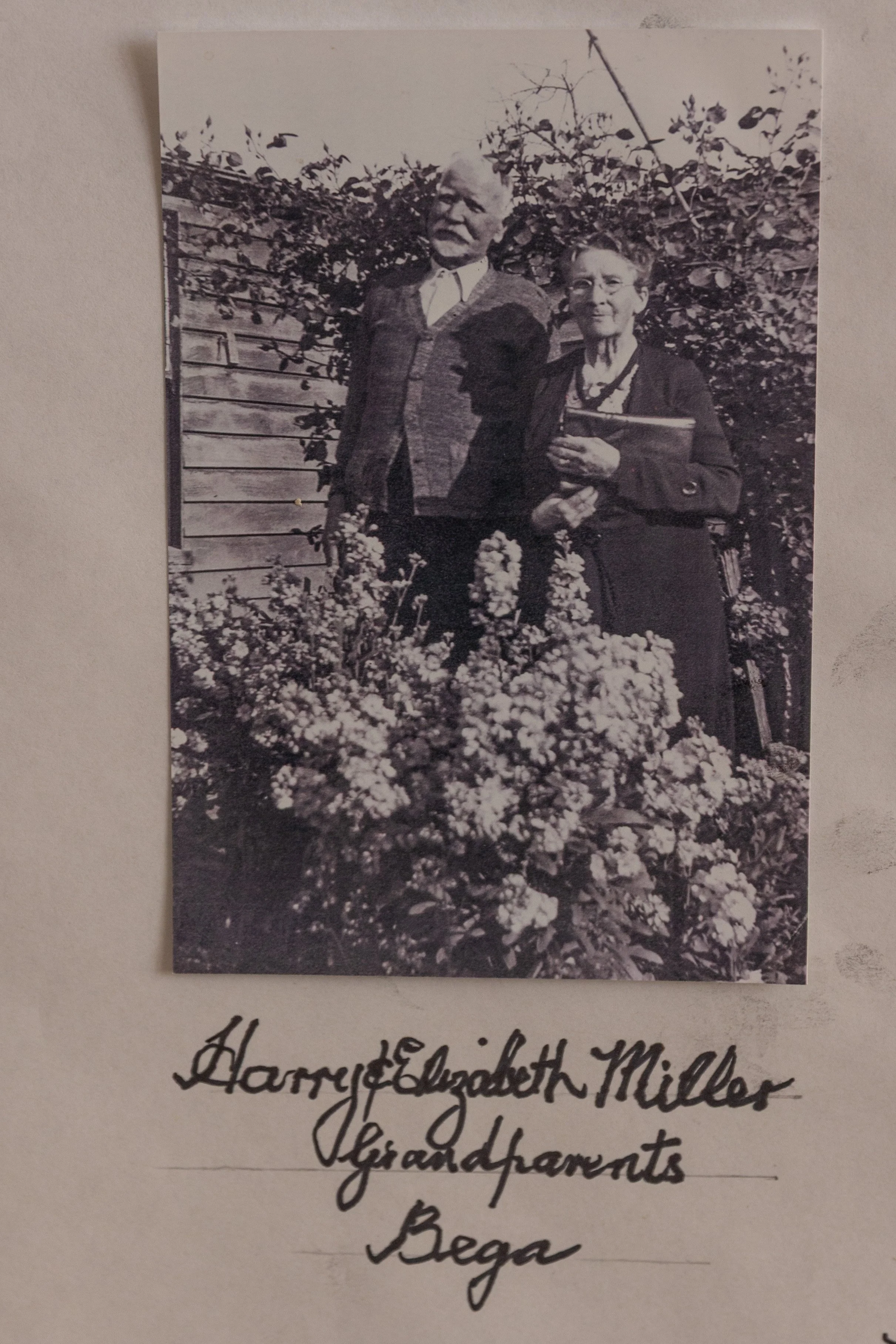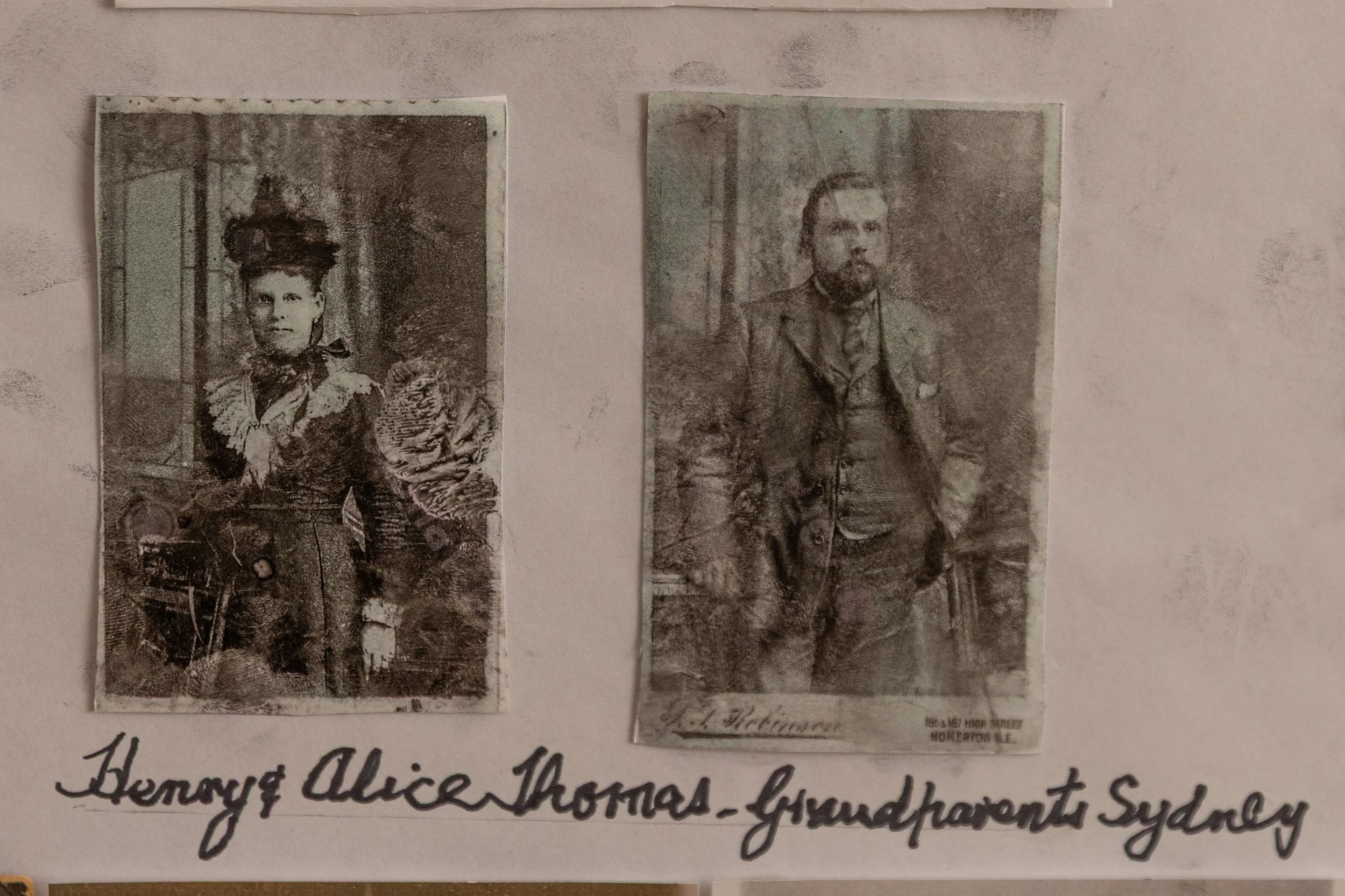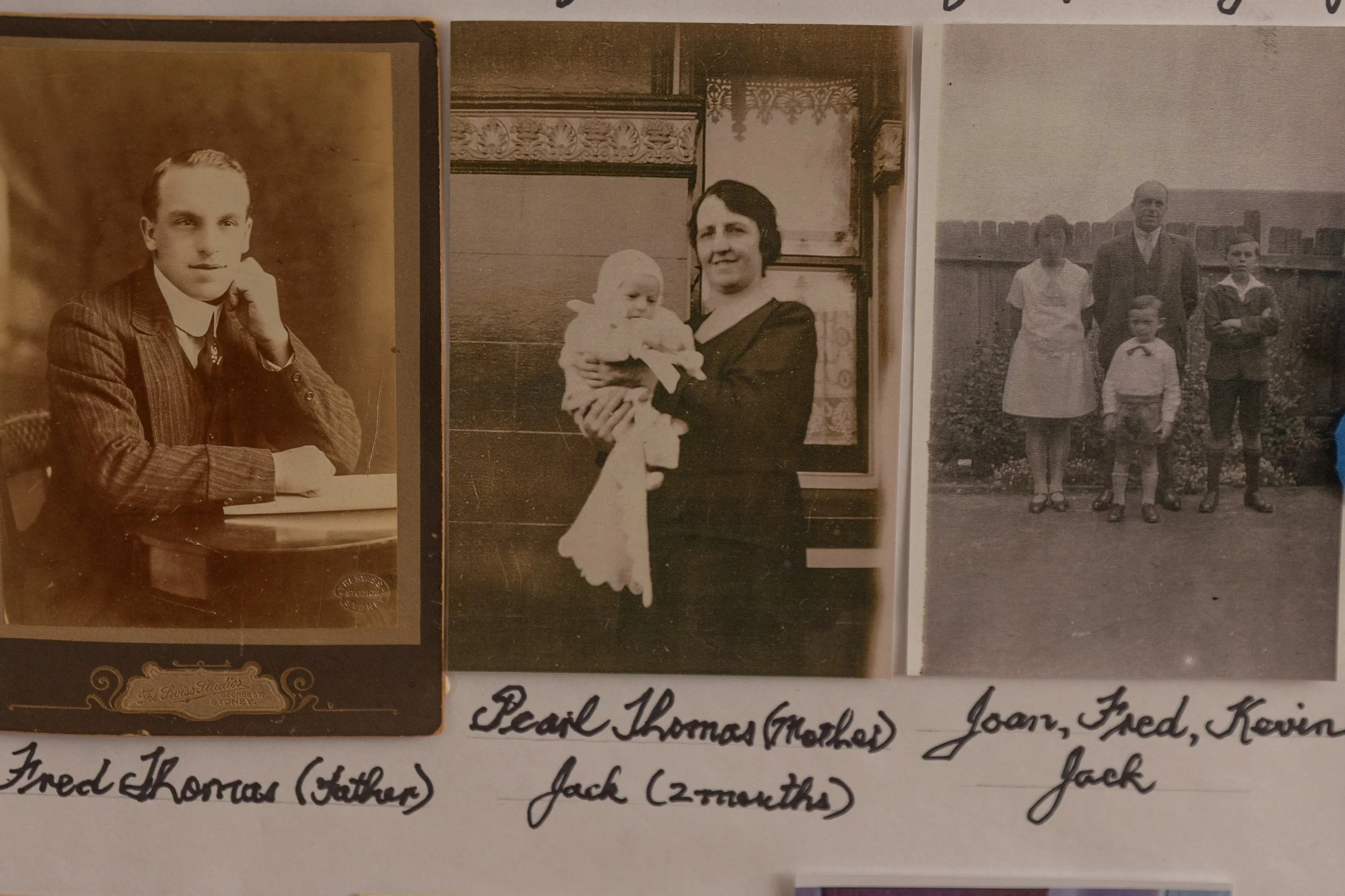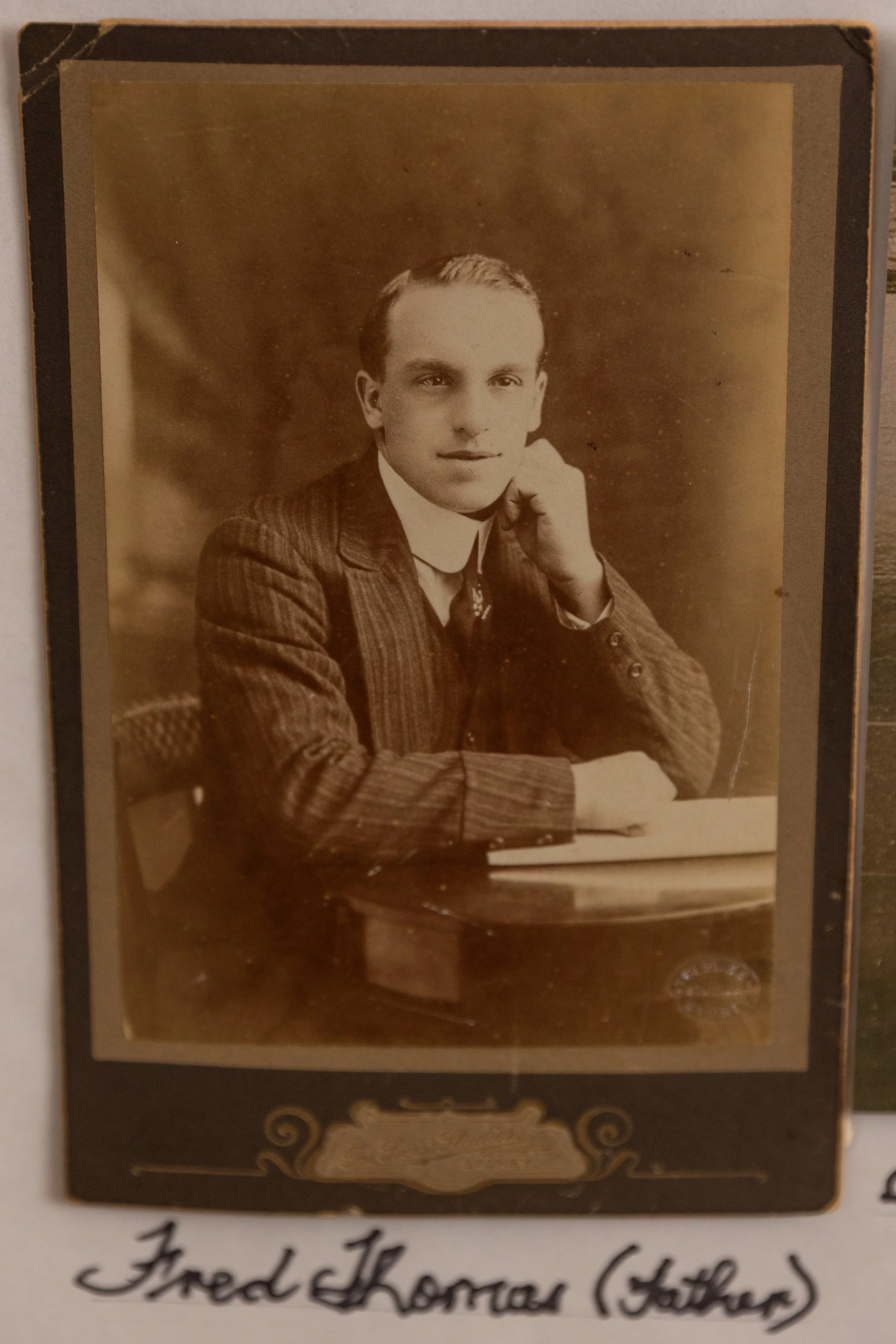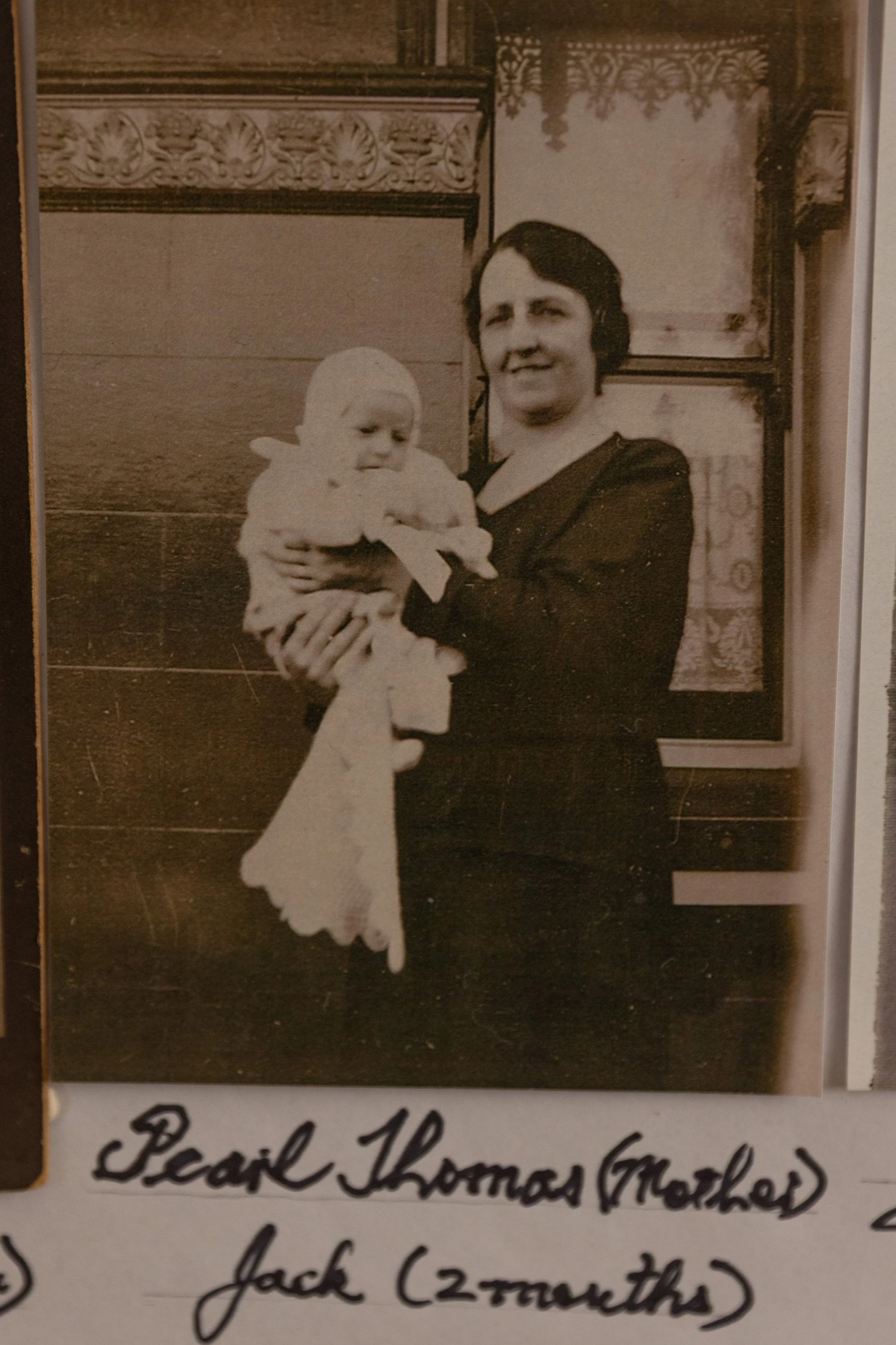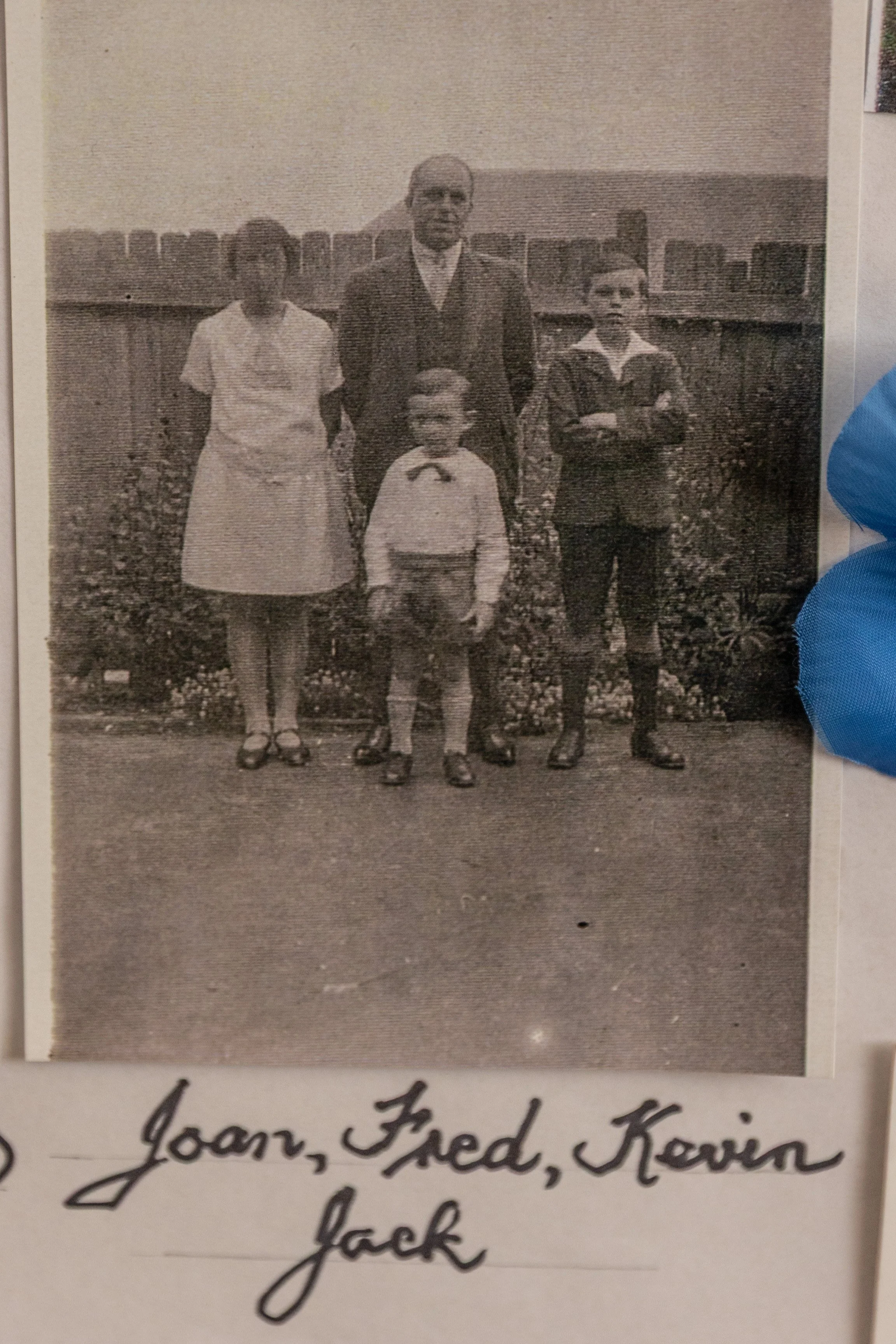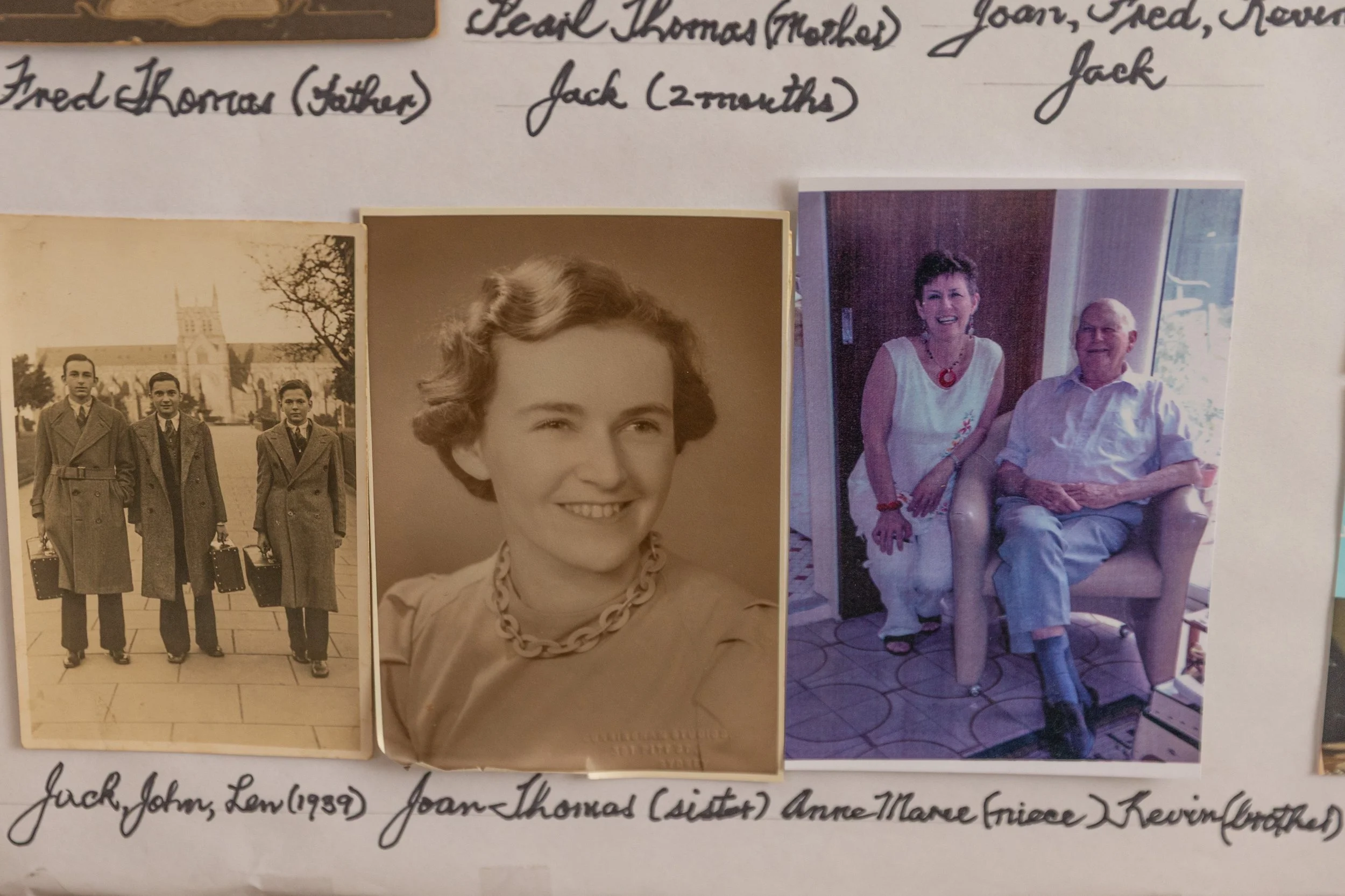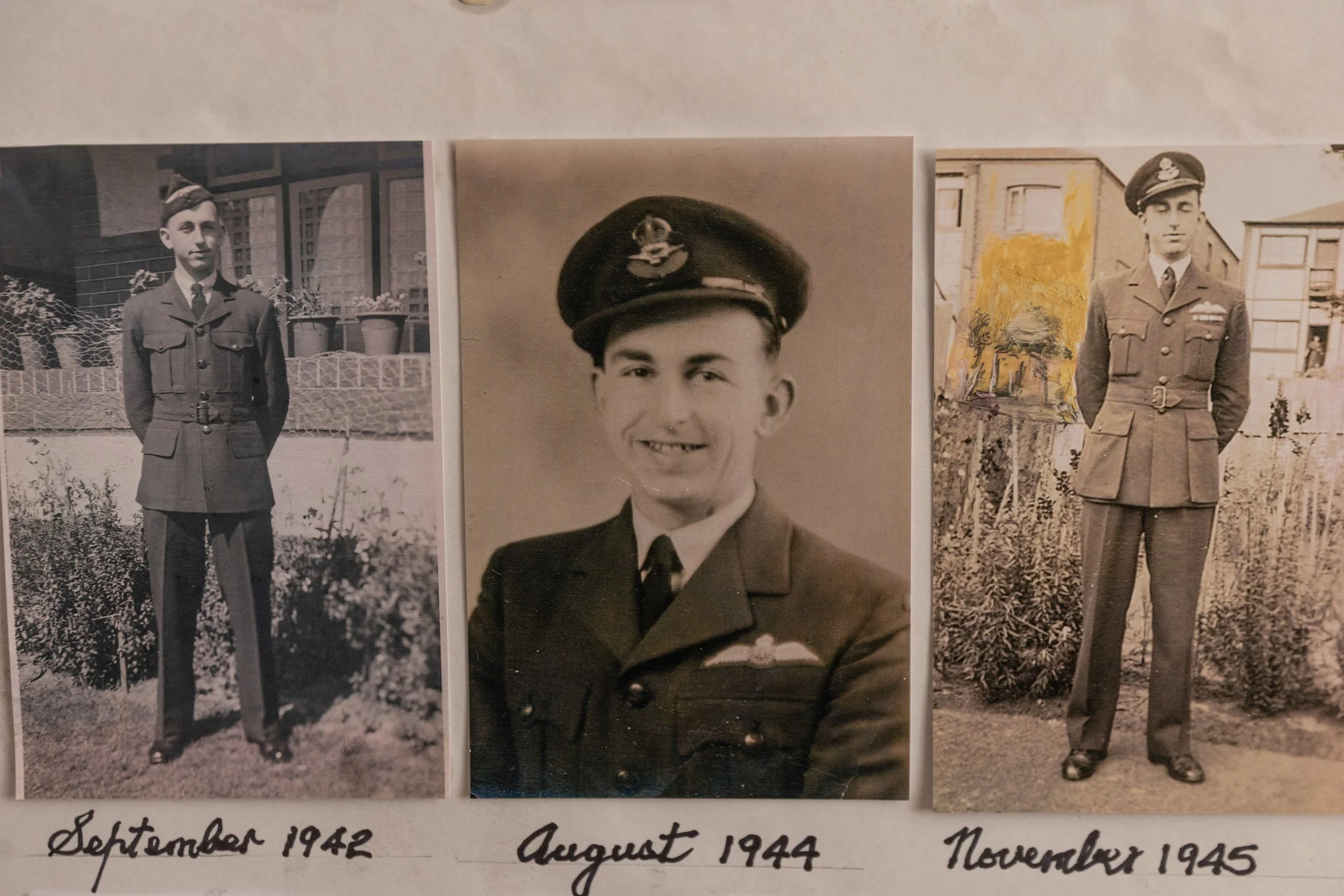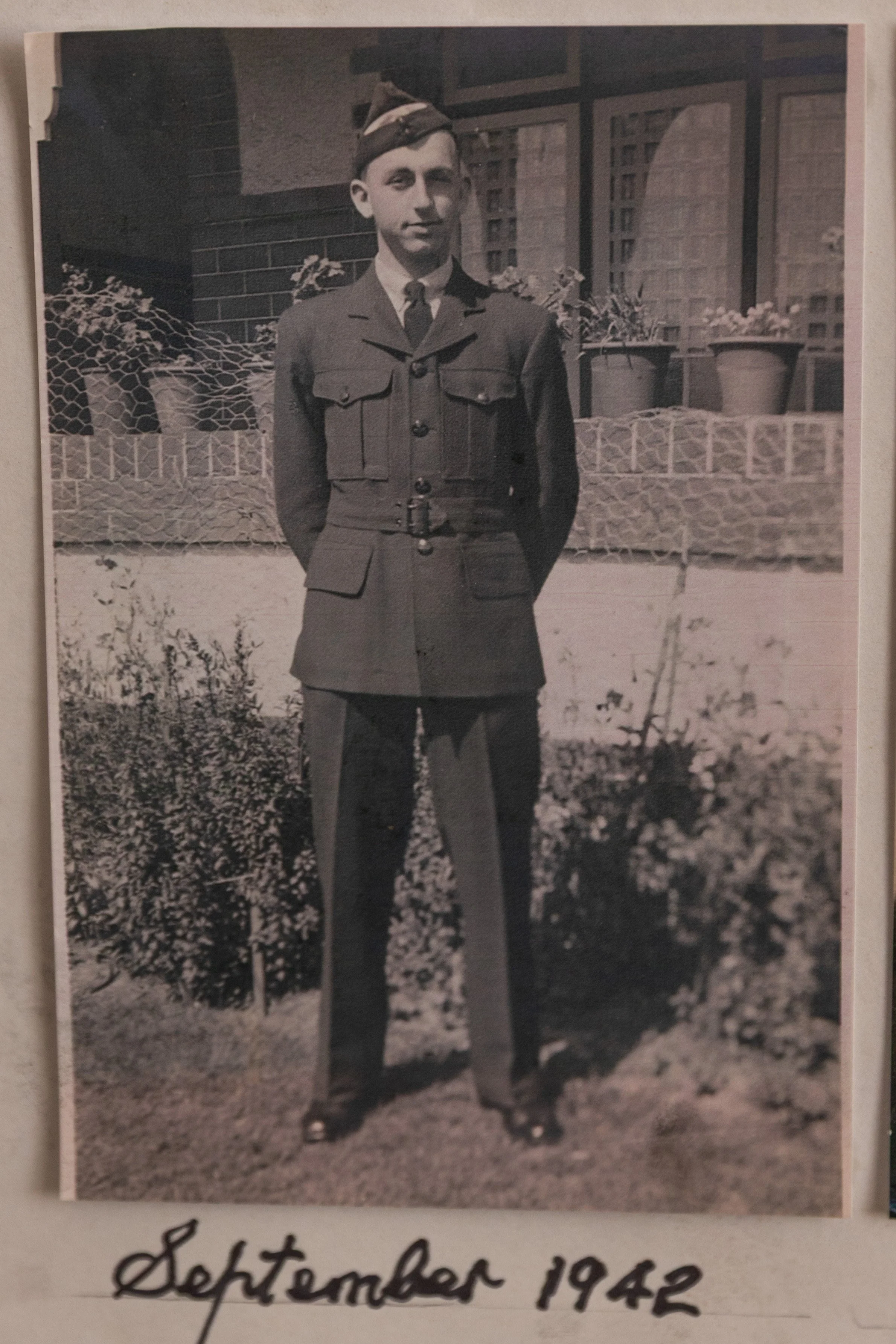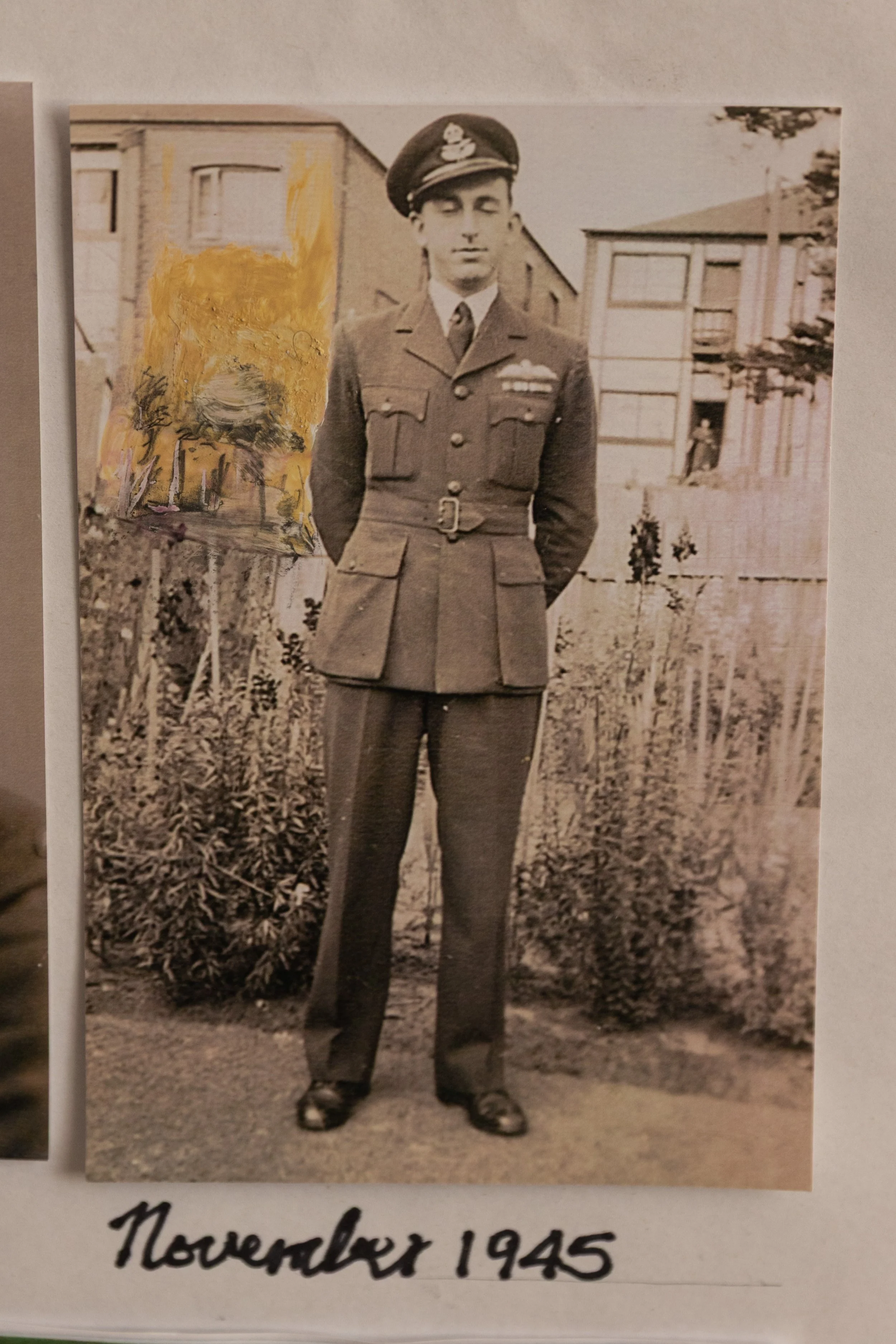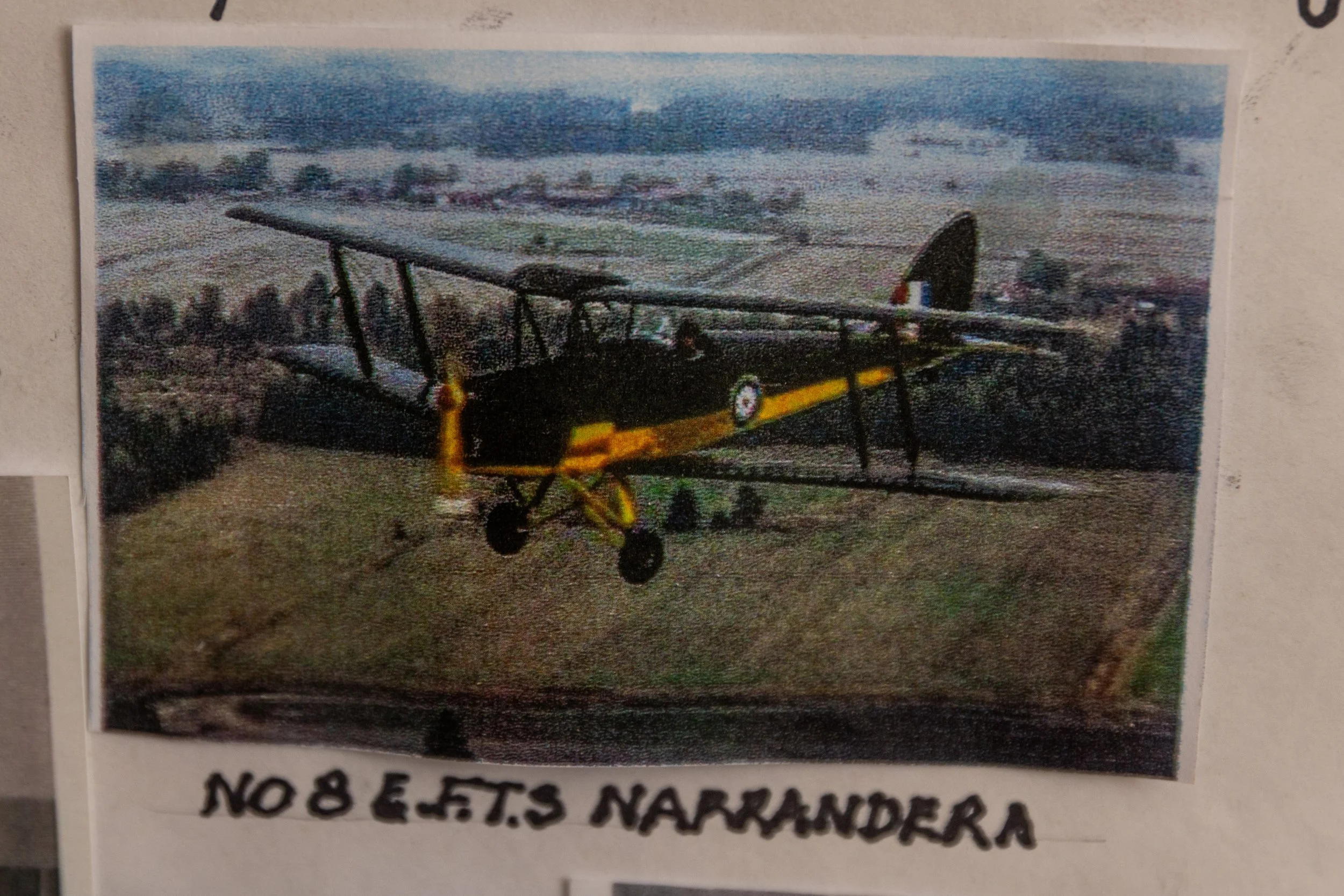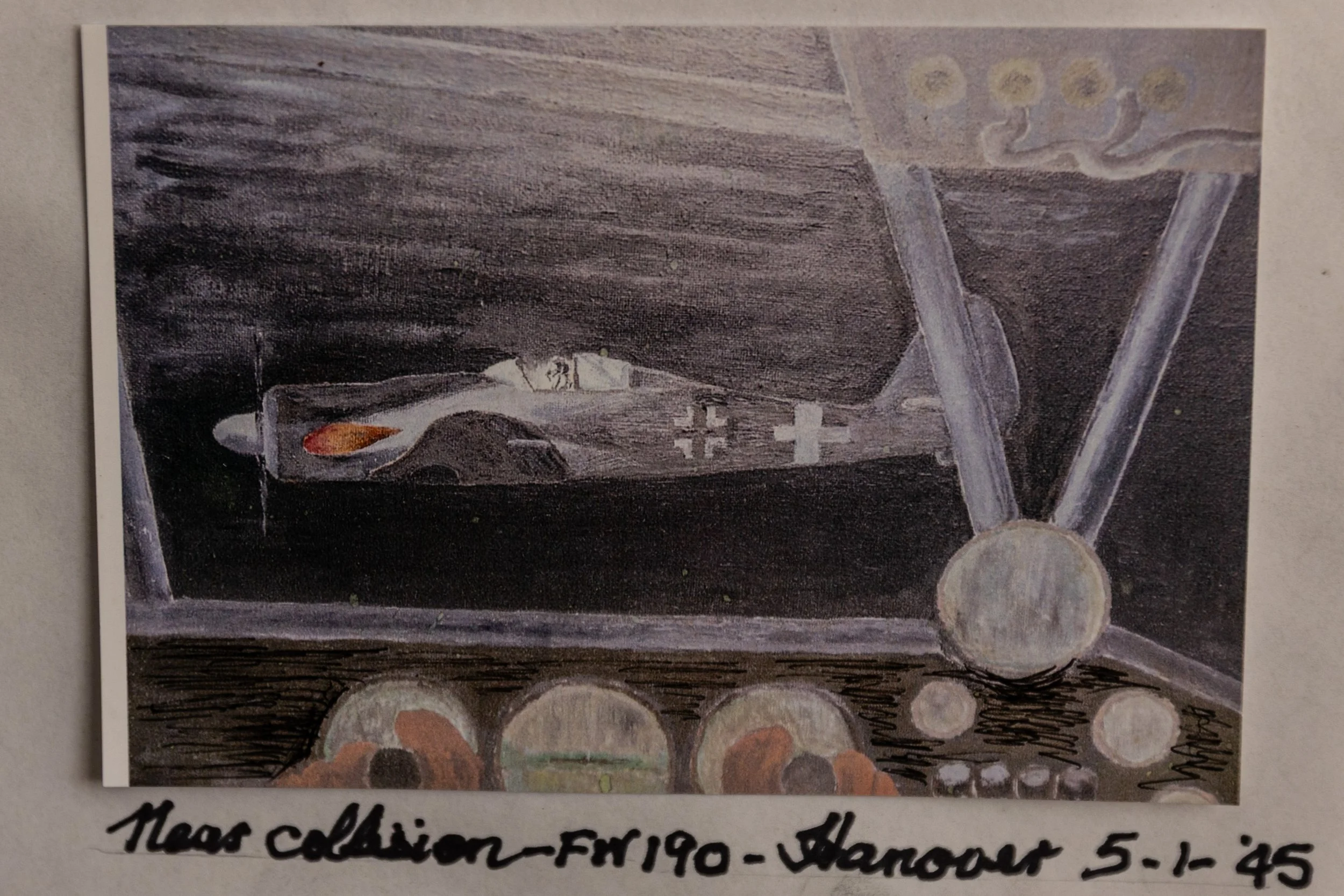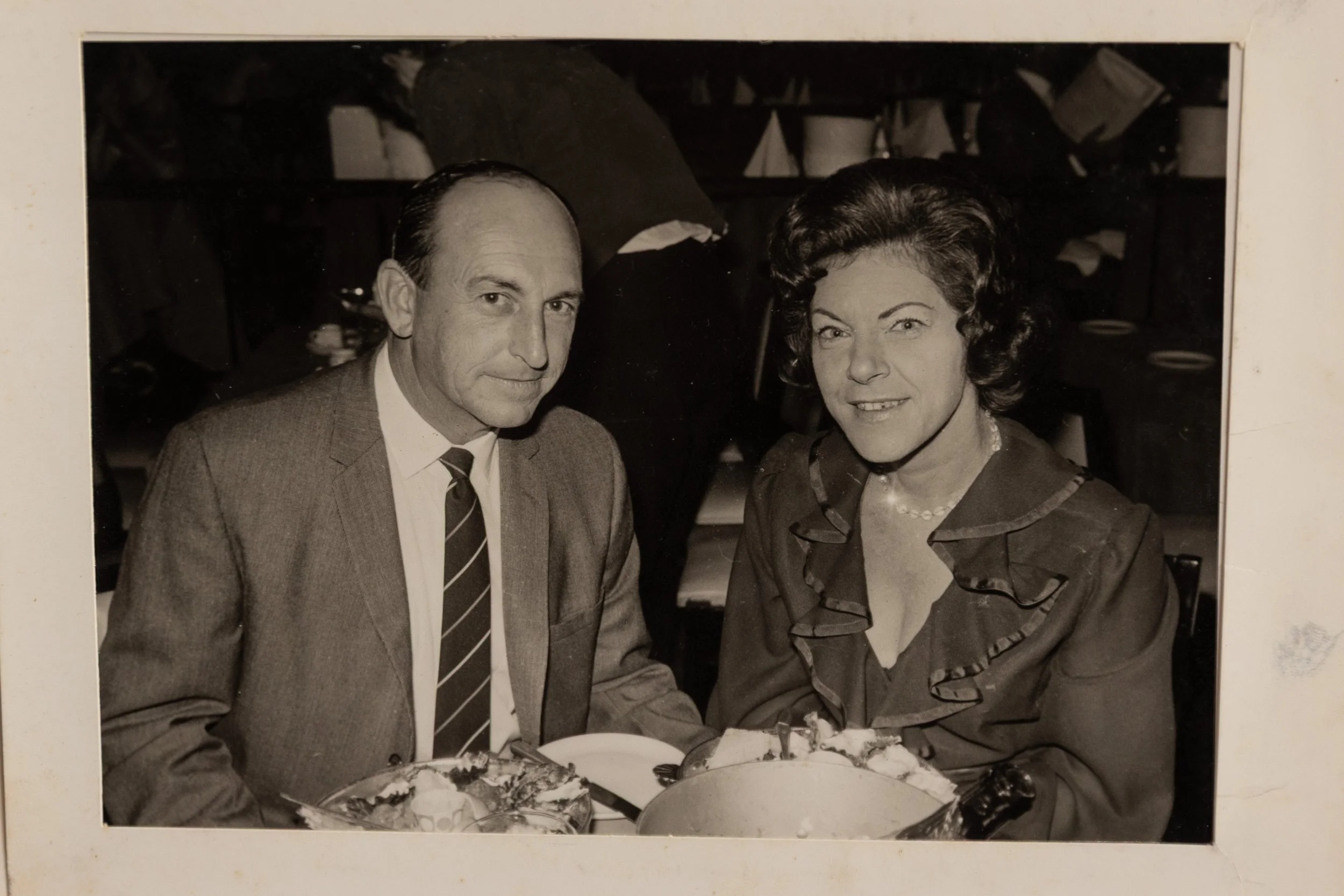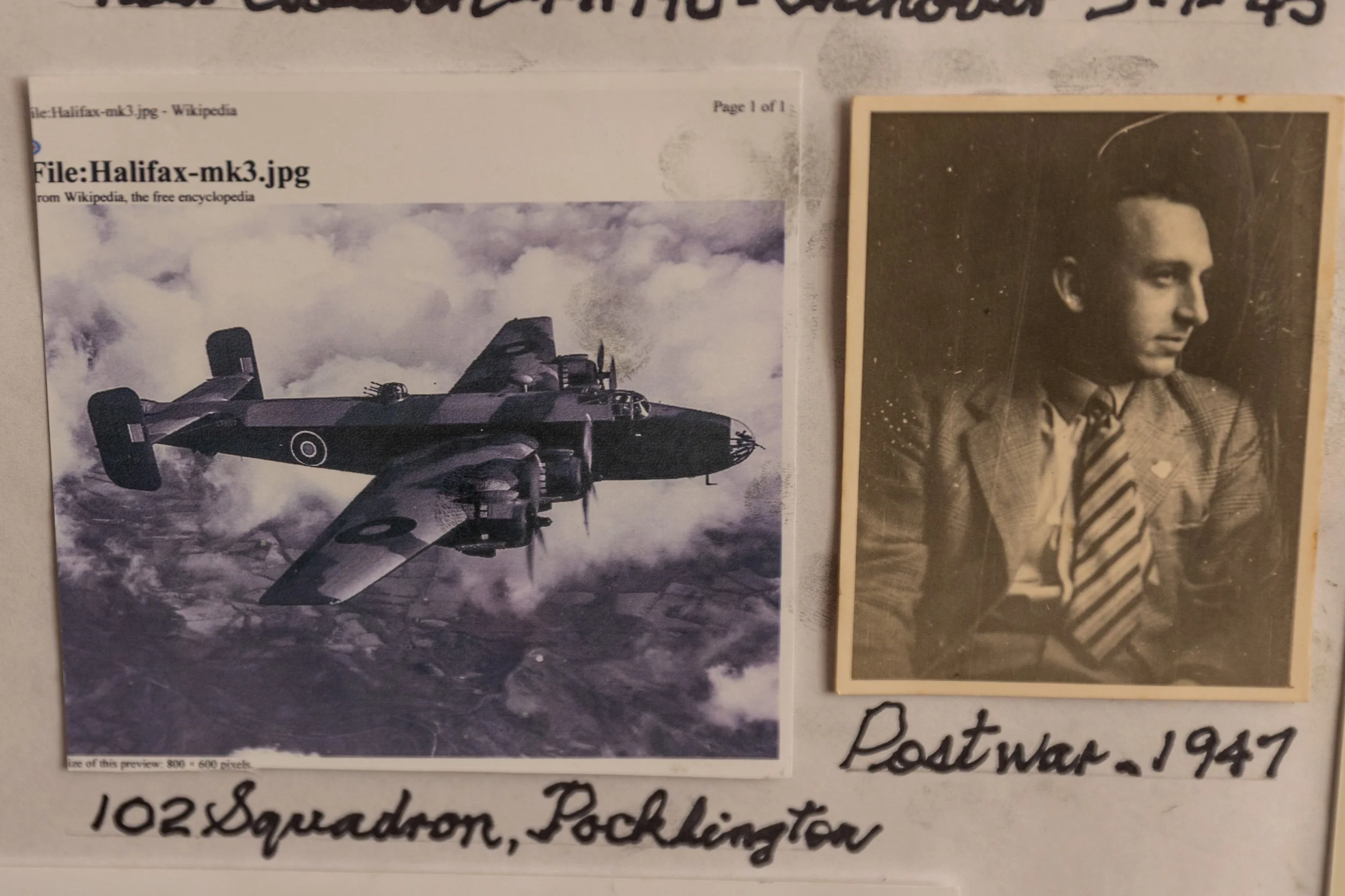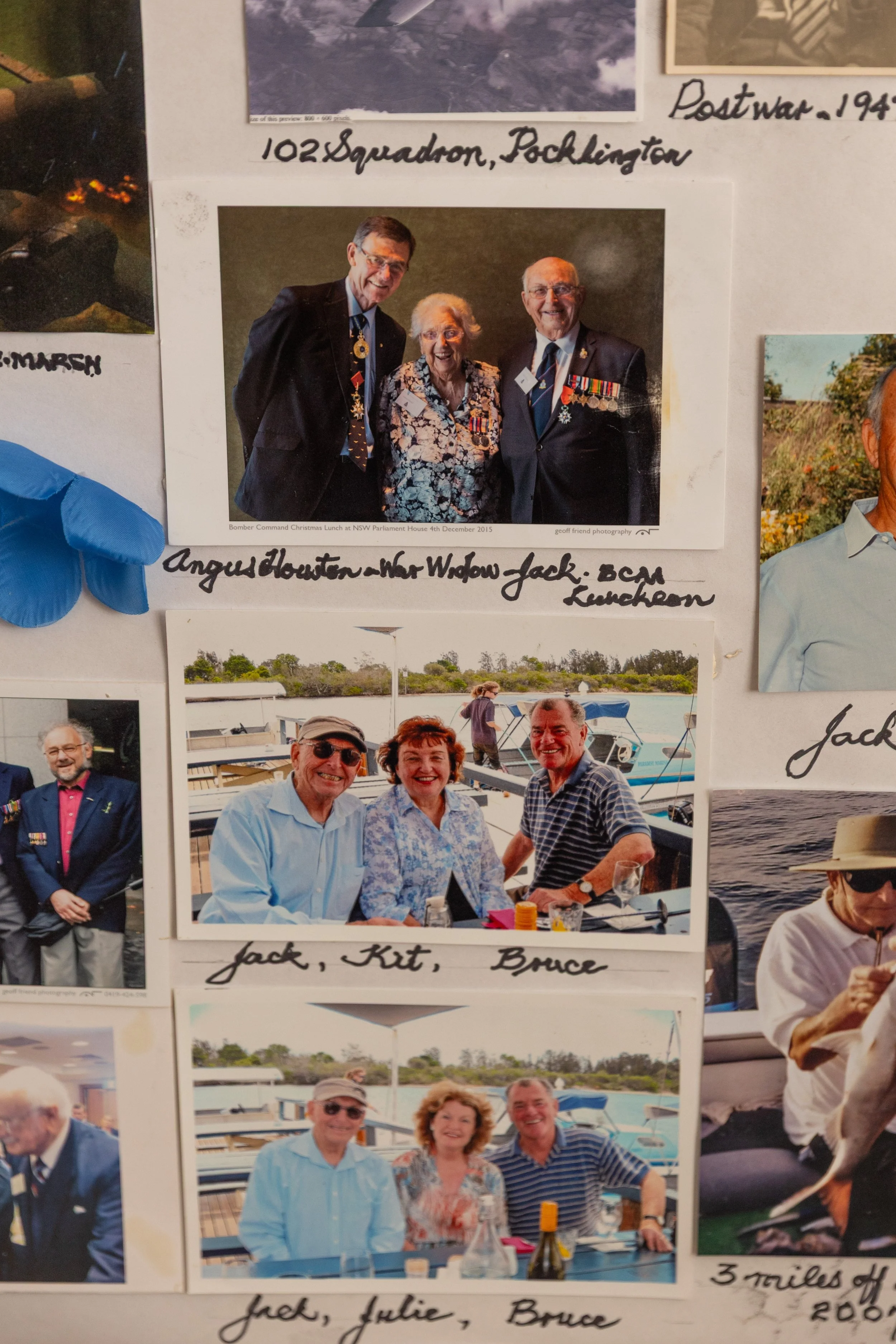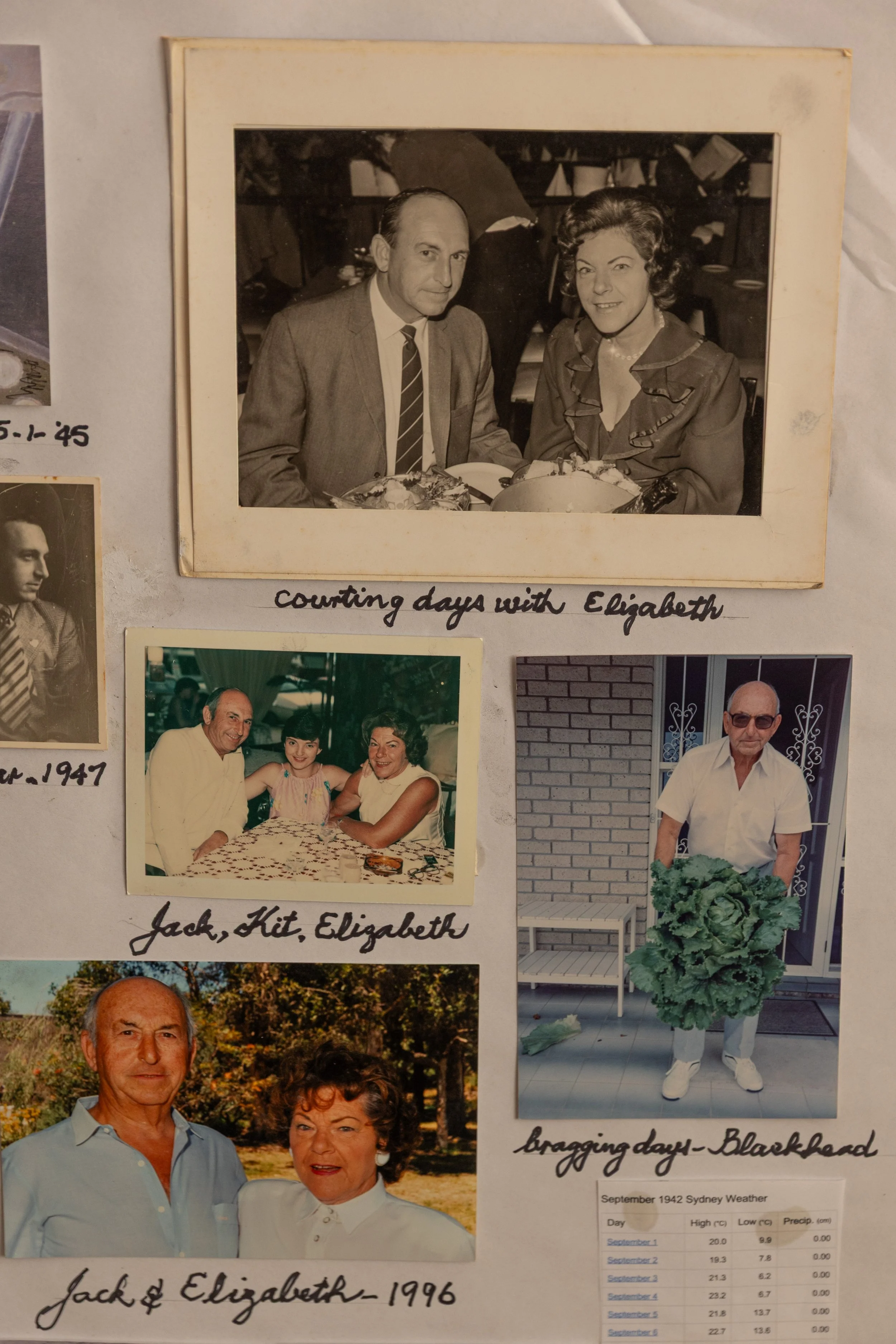
Jack was born 14th September 1923 in Waverley, NSW and is a Second World War veteran. He has two siblings a brother and sister born in 1915 1917 His father came over from England His sister came over first and trained as a nurse, she wrote home to say come out to Australia it’s a wonderful country. He was 21 when he came over as a mechanic. He completed further training to be an Automotive engineer, and worked during the depression for a tool manufacturer. In 1935 he started working for Shell as an automotive mechanic His mother grew up in Bega. She worked in a store and was in the millinery section. Once she had the children she was a homemaker as women didn’t return to work in those days after having children. His home on Grafton street Looked down on the harbour and the Sydney harbour bridge was not yet completed. It was a 2 storey brick house so he recalls watching its construction from the back bedroom window. It was a 3 bedroom house and he shared a bedroom with his brother. In those days the Milkman delivered by horse and cart along with the baker. The Brewery kegs were transported and delivered on carts by a team of horses. Jack got around by electric tram. The Commonwealth, Amp and GPO were the largest buildings in Sydney. Jack walked to school then caught the tram when he went to Waverley They lived in Woollahra until he was 9 years old, then moved to Bondi. Jack started school at Woollahra at holy cross convent primary school, then at St Anne’s Bondi beach primary school, and then to St Charles Waverley Christian brothers primary school, then went to St Mary’s college in the city for high school. His first job was an apprentice cabinet maker for Ricketson Thorpe. When the time for enlisting arrived, it was a reserved industry as they made parts for aircraft. However the foreman, a World War One digger told Jack to disregard and go an enlist if he wanted to. The commissioner for man power ended up sending him to the taxation department until the army called him up. However the army shouldn’t have called him up as he was an airforce reserve and consequently missed out on two opportunities in the airforce due to the army retaining him. Jacks training began at Bradfield park then to Narrandera for his EFTS ( Elementary flight training) in Tiger moths. He did seventy hours flying time, then went on to Point cook which was an 18 week course which was a course on Airspeed Oxford’s which finished with him receiving his wings 25th June 1943. After completing his training he went to Brisbane to catch the American transport ship the Nordern to San Francisco. It was an 18 day non stop trip. Once disembarked he went to Angel island An American army base in San Francisco Bay. After being transported across America by train. Once in New York, he got aboard the Aquitania which sailed to Greenock Scotland two days later. He was aboard with 4000 air crew, and 7800 American troops. They got 2 meals a day and it was very cramped but quite the experience for him. During disembarkment leave he coincidentally ran into an old school friend Ken Jagger, and together they were sent for Hullavington the central flying school for testing. He said the station had 96 types of aircraft on it and they went through every one of them. He was sent to other training facilities in Acast, Moreton and at an operational training unit on Wellington’s. Jack recalls on one occasion they went over to the satellite to pick up an aircraft arriving back at Moreton in the marsh. It was a wet, windless day on the shortest runway pointing towards the six hundred foot hill, and was instructed to do a flapless landing. Jack objected but under instruction he took the order under protest. He completed the flapless landing and aquaplaned all the way down the runway, they ran into a ploughed field leaving furrows at right angles. The Wellington aircraft stood on its nose, his harness was perished, and the safety harness was snapped. Jack was flung headfirst into the windscreen. He didn’t know at the time but he suffered a total spinal compression for which later he became a TPI ( total permanent incapacitation) At the hospital the young doctor treated his cut to his hand, and gave him some headache tablets. He wasn’t properly diagnosed for the severe injury until 1989. During jacks night vision training he was required to wear extra dark glasses where you can only see a metre and a half in front of you. They wore the dark glasses day and night for 5 days He was required to go through exercises and play a form of hockey to test your ability with the dark glasses on. After this he was posted to Royal Air Force No. 102 (Ceylon) Squadron at Pocklington in Yorkshire, in June 1944. With this squadron, he piloted a Handley Page bomber aircraft V-Victor on 34 bombing missions over Europe during 1944–45. After completing his tour, Jack served as a flying instructor before returning to Australia in October 1945. Another of jacks memorable stories occurred in Hannover 5th of January, 1945. It was a clear night, no moon, starlit. We were travelling on our way in to Hannover, and I think it was about ten minutes or so before the target, suddenly out of the corner of my right eye I caught sight of a fighter, it was an FW190 which went straight across in front of us, travelling slightly down, and in that instant you’re not sure whether you saw it or not, but you know you did, but it’s happened so fast, everything is in recollection. And I thought , goodness me, that was an FW190, painted black, shiny black, his canopy was open and I could see the pilot, I could see his oxygen mask, I could see his shiny black leather jacket, I could see the crease of the shoulder. And then I thought, how close was that, how far, that was a cricket pitch, no more. So when I, later on, on the ground I started putting it all together and figured it out there was point two of a second, and worked out the closing speed was roughly three hundred and eighty mile an hour. He didn’t see us, and when i told the story to the debriefing officer and said he was flying with his canopy open, ‘That’s impossible,’ he said, ‘no one could fly it’s too cold because it was minus forty five degrees.’ However, the following day in the mess, he came up to me at lunchtime and said, ‘you were right about that FW190. I’ve been in touch with headquarters in London and that you cannot fly a 190 at night with the canopy closed because the glare from the exhaust dazzles you on the windscreen, and you can’t see, so they fly freezing. However, I was glad he was point two of a second ahead because if we’d have collided, he’d have killed the flight engineer and myself. Jack painted this scene from memory and it still hangs in his home today. Jack said even back then you could tell who would make it mentally, and who wouldn’t Jack could turn on and off from battle where others could not. He struggled with the size of the meals and bought in his own eggs for the chef to cook and add as extra with his meals Jack attained the rank of flying officer before being discharged from the RAAF in December 1945. Jack met his first wife Nellie and had one daughter but sadly his wife passed away when their daughter Kit was 16. He later met and married Elizabeth who had 3 children of her own so they became a blended family. He went on to work as a quantity surveyor for 32 years, but was forced into retirement at age 57 due to the spinal compression injury. The doctor told him not to sit around and to go and pick apples . He bought a property at Bonville where he decided to grow avocados, peaches and nectarines so consequently spent nine years as an orchardist. In his spare time, Jack flew model airplanes and played sport. These days, he goes to the gym three times a week. He uses the Exercise bike, treadmill, and does extension exercises.He has been going there for 8 years. He still takes care of his garden, He also enjoys crosswords, reading the newspaper, watching TV, and socialising. He still does his own shopping. he is still driving and retests every 2 years He has 3 grandchildren 3 great grandchildren 1 great great grandchild Charlotte and they share the same birth date.